






UN envoys in Geneva wrapped up five days of tense talks on Saturday without passing binding limits on robotic weapons. The 128 states in the Convention on Conventional Weapons (CCW) chose to spend two years reviewing ideas instead of setting clear bans. That choice leaves future steps open to voluntary pledges, drawing sharp criticism from aid groups and church leaders. At the center of the dispute are autonomous weapons rules meant to govern systems that pick and hit targets without human control [2].
Autonomous Weapons Rules Shift to a Two-Year Plan
Review Conference president Julien Thoni announced the result early on Saturday in Geneva after talks ran past their scheduled close. He told reporters that 128 member states agreed on a two-year path to craft an international tool covering lethal automated systems. The wording took shape after heated floor fights. Several delegations refused to let the text say “negotiate,” so envoys picked “elaborate” instead to keep skeptics in the room and prevent talks from collapsing early on Saturday morning [2].
The mandate tells delegates to study which robotic arms break world humanitarian law and which ones simply need fresh oversight. Julien Thoni confirmed that both paths are on the table, yet the text gives no pledge that any rule will end up legally binding on armed forces. Instead, capitals can offer nonbinding proposals. Figuring out which ideas to pick and how to enforce them could drag on well past 2028, and envoys left room for future standards to stay optional. Diplomats from 128 countries left Geneva agreeing only to “start discussing options” after what observers called a largely fruitless week. Humanitarian groups had asked for strict limits within twelve months, but the Geneva compromise pushes major decisions down the road [1].
Consensus Rules in Geneva
Procedural rows slowed down work from the opening hours at the United Nations in Geneva. Russia disrupted the schedule on day one by fighting the meeting agenda. That clash cost diplomats precious time before talks on killer robots could even start [1].
The 128 countries at the CCW Review Conference work under strict consensus rules, meaning any single government can sink a whole treaty with one veto. Most capitals wanted a binding ban. However, the United States put forward a five-year study plan built around optional national advice instead of setting limits on defense tech. Israel also resisted new legal bans, according to reporting by NPR. With Russia, Israel, and the United States standing firm, a small bloc of heavily armed states stopped the rest of the world from drafting a binding ban [1].
Consensus rules made real progress almost impossible. Envoys spent five full days arguing whether AI code in arms belongs in a disarmament treaty or in voluntary pledges. Under CCW guidelines, unanimous consent is mandatory. Because full unity was legally required, delegates picked the weakest compromise, leaving each capital free to run its own weapons labs without international curbs or oversight [2].



Why Autonomous Weapons Rules Lost Fast Support
Urgent pleas for speed came from top global figures before envoys met in Geneva. The International Committee of the Red Cross, known as the guardian of the Geneva Conventions, warned that rapid gains in machine learning demand quick global curbs. The Red Cross called on all states to finish a binding treaty within twelve months to stop computers from taking human life in war. That demand won strong backing from the U.N. secretary-general and from Pope Leo, who urged delegates in Geneva to safeguard human life on future battlefields [1].
The one-year goal fell apart when defense powers pushed back against legal limits on combat algorithms. Diplomats from Russia and the United States argued that current Geneva Conventions rules already cover automated tools, claiming that fresh treaties would tie the hands of law-abiding armies while bad actors cheat. Instead of adopting the fast plan urged by the Red Cross and Pope Leo, delegates gave themselves two years to float voluntary autonomous weapons rules. Military planners in the United States and Russia prefer nonbinding codes because voluntary papers can shift as technology grows, shielding high-tech defense programs from outside legal interference [1].
Smaller nations warned that voluntary codes carry zero weight during combat. Without binding rules, states write their own loopholes and let arms firms test automated weapons on real people. That rift split the room in Geneva and doomed the fast treaty bid [2].
Civilian Casualties in Modern War Zones
Robotic arms are not science fiction. Troops already deploy automated gear on front lines, and drones have killed scores of civilians across Ukraine, Gaza, and Sudan. Modern armies feed sensor data into machine models to spot targets and direct heavy artillery fire. Aid groups warn that two years of diplomatic talk will let these lethal practices harden into routine military doctrine before international courts can intervene [1].
The systems debated at the United Nations in Geneva are built to pick and attack targets without any person pulling the trigger. AI algorithms process sensor feeds in milliseconds. Removing humans from the loop creates grave legal hazards, because software can’t weigh civilian harm against military necessity. When an unmanned drone strikes the wrong house, pinpointing who broke the law becomes nearly impossible under today’s military codes, leaving victims without justice [2].
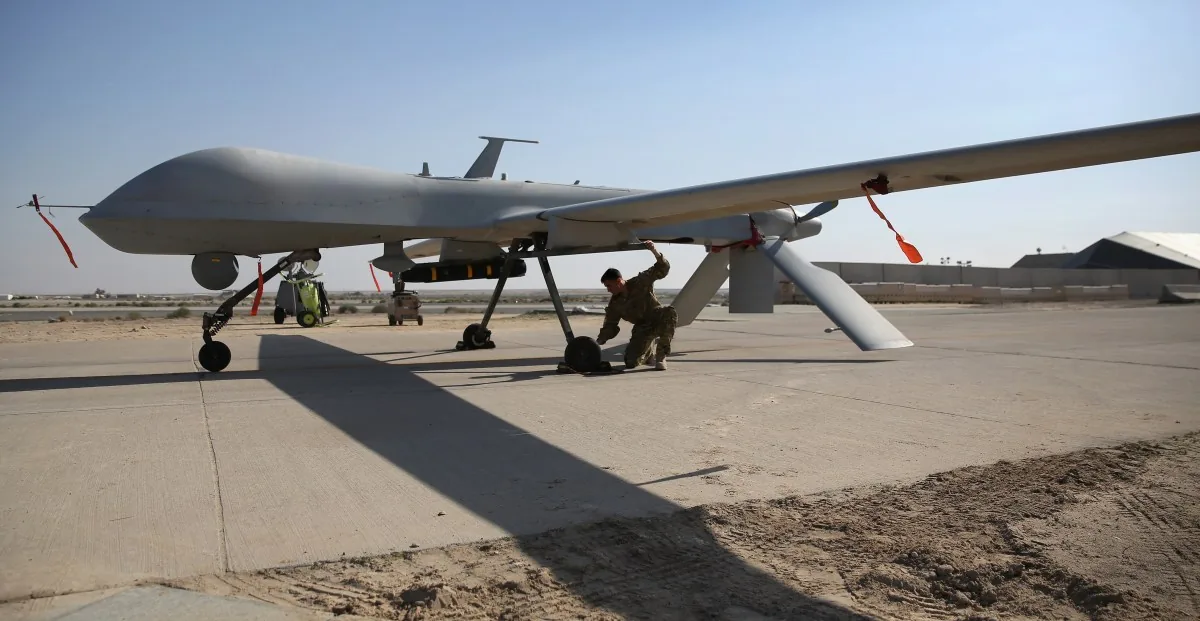
Frontline reports show that automated sensors often mistake civilians for enemy fighters. Cameras and radar struggle to tell soldiers apart from families in crowded alleys, sparking deadly drone errors in Ukraine and Gaza. Flawed training data causes software to misread defensive actions. Passing life-or-death decisions to computer code strips armed combat of human conscience and tears down safeguards that families depend on during war [1].
Rights Groups Slam the Geneva Deal
Advocacy networks met the Geneva compromise with sharp anger on Saturday. The Stop Killer Robots (SKR) coalition called the outcome a “watered-down mandate” that dodges the need for a binding treaty. Nicole van Rooijen, executive director of the coalition, warned that armies are not waiting for UN envoys to finish their paperwork. “Autonomous weapons technology, including AI in the targeting cycle, is being deployed on the battlefield,” van Rooijen said. “Delaying the creation of a legally binding instrument puts civilians and humanity at risk” [2].
Rights defenders stressed that stalling in Geneva hands defense contractors free rein to test smart weapons in combat without fear of sanctions. Verity Coyle of Human Rights Watch called the outcome “disappointing” on Saturday. “It does not provide the urgent action needed to agree new rules – but the technology is racing ahead,” Coyle said. She warned that letting defense engineers set the rules of modern warfare while UN diplomacy moves at a crawl will leave future civilian populations completely unprotected against automated attacks [2].
The two-year mandate means formal treaty drafting stays stalled while military budgets for automated systems grow worldwide. Stop Killer Robots and other activist groups pledged to pressure individual capitals to break away from the slow CCW system and launch treaty talks outside the United Nations. Until major military powers agree to accept binding legal curbs, automated weapons will keep spreading across front lines without any global rulebook to hold them in check [2].
- ONLINE NEWS O’Brien, T. (2026, November 21). The UN fails to agree on rules regulating ‘killer robots’. The Verge. [Article Link]
- ONLINE NEWS TRT World. (2026, November 21). UN agrees to pursue global rules on ‘killer robots’ over next two years. TRT World. [Article Link]


