



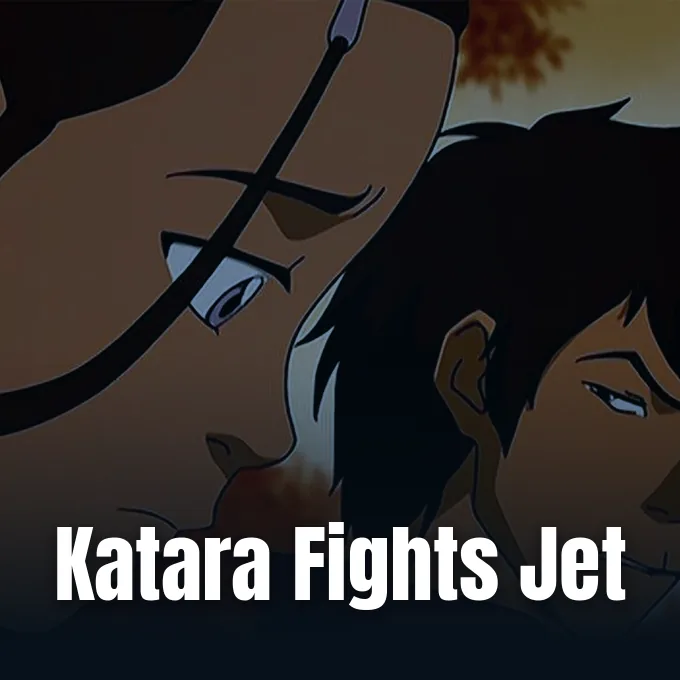
On September 24, the official Avatar Legends YouTube channel released ‘Katara Fights Jet’, bringing back an iconic Avatar Last Airbender rivalry in the animated Avatar: Chibi Minis series. The production returns viewers to the tense dynamic between the waterbending heroine and the rebel leader from the original Avatar: The Last Airbender television run. Rather than prolonging the broadcast hiatus that began after its initial 2025 debut, the project continues a steady weekly rollout that resumed in August [1].
Avatar Last Airbender Returns to YouTube Animation
The debut of Katara Fights Jet marks the continuation of an unconventional episodic run under the Avatar: Chibi Minis banner. Originally released in 2025 following a high-profile Comic-Con premiere, the miniature series provided quick animated glimpses into pivotal moments from the foundational show, altering the tone through exaggerated physical expressions and playful comedic redesigns. The program seemed to vanish after broadcasting only a handful of short entries during its inaugural year. Weekly installments resumed in August [1].
Digital platforms provide an agile distribution alternative for studios experimenting with legacy characters outside traditional television broadcast blocks. While major streaming updates dominate the Crunchyroll anime release schedule with full-length weekly episodes, official digital channels deliver self-contained micro-shorts directly to social media viewers without formal programming windows. The production team chose a distinct chibi format (an animation style featuring exaggerated expressions and miniature physical proportions) to present these quick skirmishes. This visual approach softens dramatic conflict while magnifying character reactions during martial arts choreography, making historic clashes accessible to younger audiences [1].
The 10-episode digital framework arrived after months of silence. Regular weekly releases resumed in August, delivering rapid martial arts encounters directly to YouTube [1].

John Dodge reported the premiere for CBR, detailing how the 10-episode series framework packages nostalgic encounters for modern online audiences. The production isolates specific confrontations from the original broadcast rather than attempting a linear retelling of the Hundred Year War. Each installment emphasizes character personality through compact comedic timing and energetic sound effects. By condensing multi-part conflicts into brief skirmishes, the digital series keeps classic Avatar Last Airbender rivalries visible between larger multimedia productions [1].
Katara Confronts Jet over Fire Nation Attacks
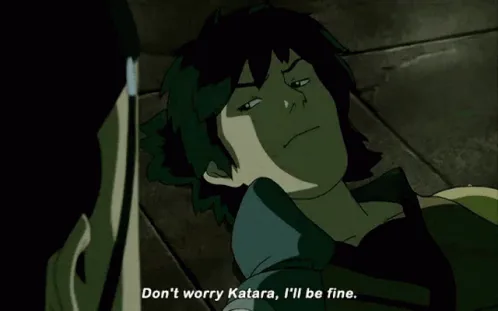
The confrontation between Katara and Jet originally took shape during the first season of the animated series in an episode titled Jet. The Gaang encountered the charismatic young fighter living in the treetops as the commander of the Freedom Fighters, a local band waging guerilla warfare against Fire Nation forces invading their homeland. Katara initially admired his fierce determination and romanticized his rebellious struggle against imperial oppression. That initial admiration deteriorated rapidly when Sokka discovered that Jet planned to destroy an upstream reservoir dam to submerge the village of Gaipan, an extreme military scheme designed to wipe out hundreds of innocent Fire Nation civilians along with the occupying garrison [1].
Did Jet truly believe that destroying innocent villagers could justify liberating the surrounding forest? His refusal to distinguish between military invaders and harmless colonists transformed him into one of the most complex adversaries the young protagonists faced. Katara stepped into direct combat against him to protect the defenseless population of Gaipan. Her waterbending disrupted his twin hook swords until Sokka successfully evacuated the settlement, preventing the catastrophic slaughter that Jet had engineered [1].
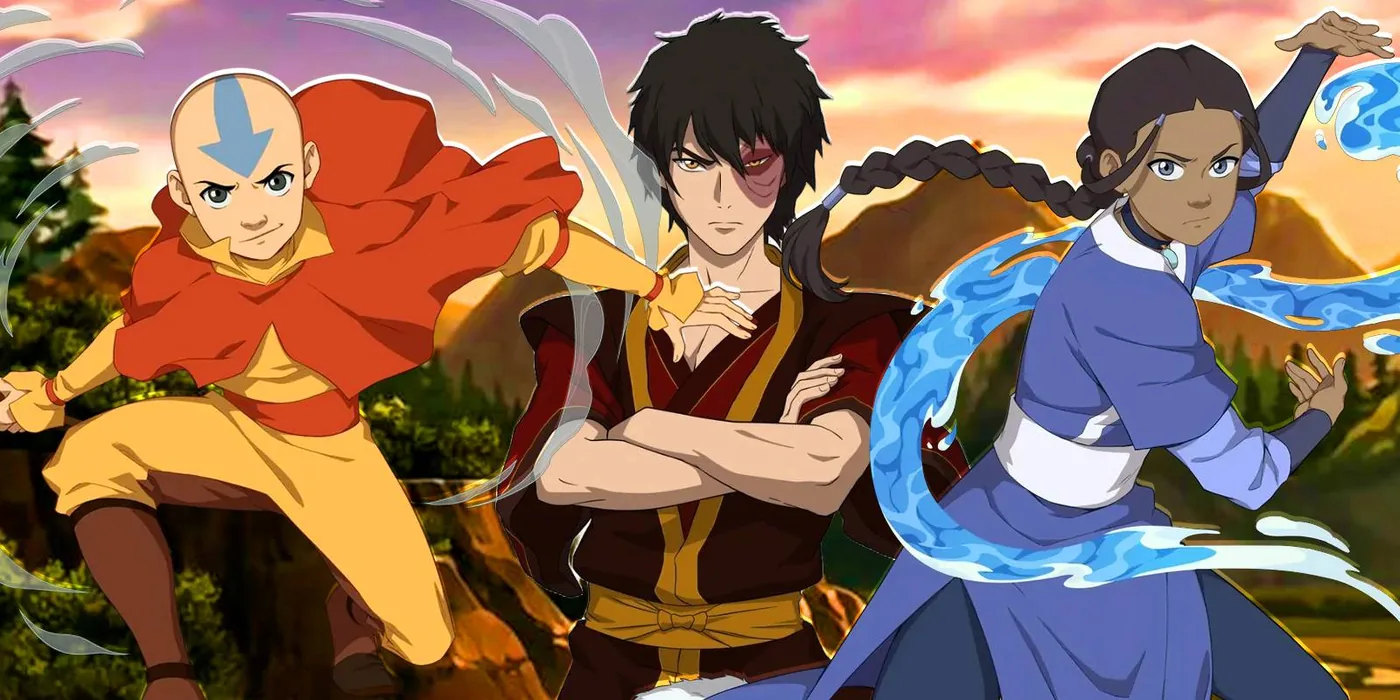
Jet returned during Avatar Last Airbender Season 2, seeking personal redemption after his extremist tactics alienated former companions. The rebel commander sacrificed his life in a fierce battle against Long Feng. Long Feng dealt the fatal strike. That sudden sacrifice concluded his dramatic trajectory, leaving the young companions to mourn a fallen ally whose ambiguous fate sparked widespread discussion among franchise followers [1].

Avatar The Last Airbender Expands Through Comics
Beyond the digital animation sphere, Jet received renewed literary focus when Dark Horse Comics published Avatar: The Last Airbender — Jet: Rebels and Rhinos on September 8. Written by Faith Hicks and illustrated by Peter Wartman, the graphic novel examines the traumatic childhood that shaped the rebel commander before his initial encounter with Aang and Katara. The visual team completed the publication with rich colors provided by Adele Matera and expressive comic lettering handled by Comicraft artists Jimmy Betancourt and Tyler Smith. The detailed narrative reconstructs the destruction of his family village, exploring the raw personal grief and early guerrilla operations that calcified his relentless worldview [1].
Comic publications allow writers to explore psychological wounds that standard television episodes could only suggest through brief dialogue. In the graphic novel, Jet’s personal obsession with violent retribution against the ruthless Rough Rhinos reveals why he developed such profound contempt for peaceful compromise. Grief fueled his extremism. The creative team demonstrates how early trauma blinded him to the moral boundaries that Katara and her companions fought vigorously to preserve [1].
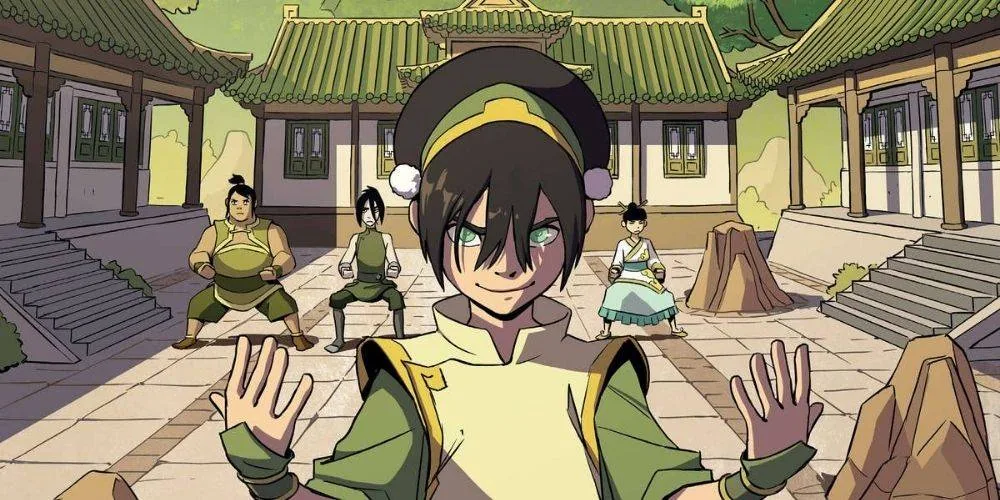
Publishers maintain audience engagement across generational gaps by deepening peripheral backgrounds within the broader Avatar Legends universe. Dedicated readers frequently explore why the original series concluded after three television seasons, discovering that deliberate narrative closures created fertile space for print spin-offs and graphic novels like Toph Beifong’s Metalbending Academy [3]. These detailed side stories satisfy historical curiosities while major studio productions remain in development [1].
Live-Action Storytelling Alters the Omashu Infiltration
Netflix reintroduced the Freedom Fighters earlier this year during the second season of its live-action adaptation of the animated classic. The streaming series cast Sebastian Amoruso as Jet, repositioning his introductory narrative within the mountainous territory of Omashu. Omashu replaced the rural setting. Rather than targeting the tranquil rural settlement of Gaipan as depicted in the original animated broadcast, this live-action interpretation directed his extremist sabotage toward assassinating King Bumi [1]. That tactical shift integrated the rebel cell directly into the political intrigue destabilizing the city.
Altering the rebel leader’s primary objective allowed the television production to consolidate sprawling subplots into a unified urban encounter. The adaptation emphasized Jet’s willingness to eliminate crucial civic leadership in exchange for inflicting chaos upon foreign occupation forces. Viewers witnessing Katara’s disillusionment in live action experienced a sharper political tension than the agrarian sabotage depicted in traditional animation. These dramatic divergence points illustrate how different mediums reshape classic character motivations while preserving the underlying philosophical friction between noble justice and merciless vengeance [1].
Original Voice Cast Anchors the Franchise Legacy
The enduring prominence of the franchise rests upon the vocal performances established by the original television cast. Zach Tyler Eisen voiced Aang, Mae Whitman portrayed Katara, Jack De Sena played Sokka, and Dante Basco voiced Prince Zuko. The supporting ensemble featured seasoned performers including Dee Bradley Baker (voicing both Appa and Momo), Grey DeLisle as Azula, Michaela Jill Murphy as Toph, and Mako. Their vocal chemistry gave emotional depth to early skirmishes, ensuring that encounters between Katara and Jet retained lasting resonance across multiple animation formats [1].
Subsequent multimedia expansions have reinforced this cultural footprint across video games and streaming reimaginings. Gaming titles including Avatar: The Last Airbender – Quest for Balance and Avatar: The Last Airbender – The Path of Zuko allowed players to experience iconic elemental duels directly. Meanwhile, the live-action cast featuring Gordon Cormier, Kiawentiio, Ian Ousley, Dallas Liu, Paul Sun-Hyung Lee, and Daniel Dae Kim continues to introduce the characters to global audiences. Players explore elemental combat. Enthusiasts frequently investigate how many avatar last airbender episodes are there across animated seasons, comic releases, and video games [1].
The premiere of ‘Katara Fights Jet’ demonstrates that brief digital shorts can reawaken foundational character rivalries without requiring full-scale studio reboots. By spotlighting unresolved tensions between Katara and Jet in a stylized chibi format, the production bridges the gap between classic episodes and forthcoming multimedia ventures like the upcoming Avatar: Seven Havens animated series [2]. Audiences can stream the latest installment on YouTube while tracking future episodic releases across the expanding Avatar Last Airbender universe [1].
- ONLINE NEWS Dodge, J. (2026, September 26). Avatar: The Last Airbender’s New 10-Episode Series Brings Back Katara vs. Jet. CBR. [Article Link]
- ONLINE NEWS Dodge, J. (2026, August 20). Avatar: The Last Airbender Officially Revives Its Forgotten 10-Episode Series. CBR. [Article Link]
- ONLINE NEWS Dodge, J. (2026, September 25). Avatar: The Last Airbender Turns Official Toph Sequel Into New 7-Minute Movie. CBR. [Article Link]


