






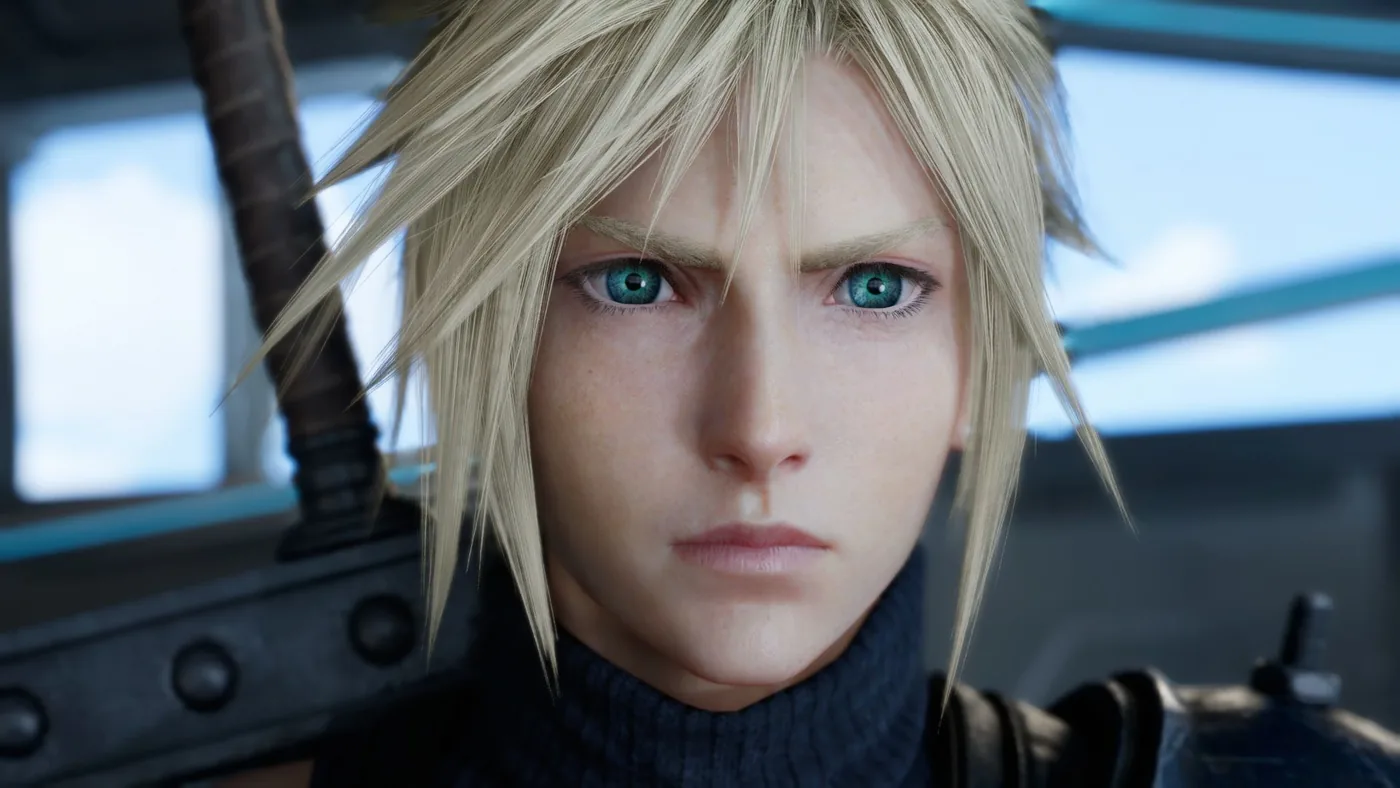
Square Enix has clarified the narrative structure of Final Fantasy 7 Revelation following widespread player curiosity surrounding the reduced presence of Cloud Strife across initial promotional teasers. Why did recent trailers showcase so little of the iconic swordsman? Speaking in an interview with GamesRadar+, game director Naoki Hamaguchi confirmed that Cloud is still the main character of the upcoming RPG, explaining that his temporary absence from early footage reflects deliberate narrative pacing rather than a diminished role [2]. Hamaguchi explained that the production team designed dedicated scenarios across the broader roster, providing each companion meaningful screentime as the project approaches its April 8, 2027 release on Nintendo Switch 2 [1].
Cloud Retains Central Protagonist Status
Dedicated Cloud Strife enthusiasts noticed an immediate omission during recent marketing broadcasts. The recognizable spike-headed hero was largely absent from the latest cinematic footage. Series director Naoki Hamaguchi addressed those concerns directly during his conversation with GamesRadar+, reassuring players that the creative team never intended to displace the primary protagonist from center stage [2].
Longtime players familiar with the classic narrative understand the specific plot developments that lead to Cloud Strife temporarily leaving the active party. Hamaguchi emphasized that this established absence offers a natural opening for the remaining cast members to command genuine attention. The creative team recognized that enthusiasts actively want to explore secondary character arcs, so developers produced bespoke content focusing closely on individual party members across Final Fantasy 7 Revelation [2]. Hamaguchi made clear that shifting the camera away from Cloud allows each companion to grow without competing directly against the central hero for immediate attention.
The spotlight shifts naturally. Cloud remains the emotional anchor of the journey, yet fellow comrades finally secure substantial space to resolve unfinished personal storylines [2].
Party Switching and Individual Character Arcs
Square Enix constructed new gameplay mechanics that actively reflect this ensemble storytelling philosophy. Players can freely swap between individual party members on the fly during real-time exploration, assembling customized party compositions to tackle diverse side quests [2]. This structural flexibility ensures that secondary heroes participate continuously in field exploration rather than waiting passively on the sidelines.
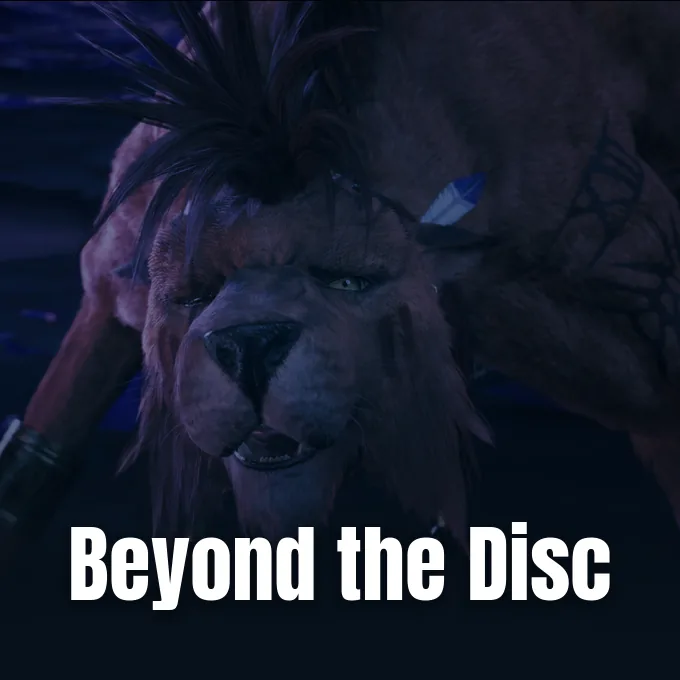
Each party member features dedicated questlines connected directly to distinctive activities. Red 13 receives an extensive narrative arc revolving around the popular Queen’s Blood card tournament, embedding personal backstory directly into tactical tavern duels. In a separate interview with VGC, Hamaguchi revealed that players uncover deeper biographical revelations concerning Tifa by engaging with the threequel’s piano mini-game (a rhythmic performance challenge from the journey) [2]. Furthermore, traveling into the isolated territory of Wutai provides players with unprecedented lore exploring Yuffie and her cultural heritage. These distinct diversions offer rich worldbuilding without interrupting the momentum of the main story.

Field flexibility defines the design. By permitting instant roster swaps during open exploration, the production encourages dynamic tactical experiments that showcase individual abilities across every optional quest [2].
Final Fantasy 7 Revelation Title Selection Process
Selecting an appropriate subtitle required prolonged debate among senior creative staff at Square Enix. Speaking with IGN, director Naoki Hamaguchi revealed that Revelation emerged as one of three final candidates evaluated for the climactic project (marking the conclusion of the remake trilogy) [1]. What guided the team when evaluating those confidential alternatives? The studio sought a name that captured the philosophical closure of the trilogy without generating confusion.
Before finalizing the decision, Hamaguchi conducted extensive discussions with series creative director Tetsuya Nomura to compare the narrative resonance of the final three contenders. While players remain curious about the unchosen possibilities, Hamaguchi explained that revealing the other two options prior to release would only incite divisive internet debates comparing imaginary preferences. When Hamaguchi presented the trio of prospective titles to the North American Square Enix division, regional coordinators agreed unanimously that Revelation was the best choice for global audiences [1]. That cross-regional consensus gave the executive team complete confidence that the finalized title accurately communicates the culmination of the journey.
Nomura agreed with the direction. The development directors decided that keeping the discarded contenders confidential protects the launch atmosphere, allowing players to judge Final Fantasy 7 Revelation strictly upon its completed narrative execution [1].
The Ketsui Concept and Summer Game Fest Script
During the months preceding the official reveal, online communities widely theorized that the final installment would carry the subtitle ‘Resolve’. Hamaguchi explicitly confirmed to IGN that ‘Resolve’ was never considered as one of the three title finalists [1]. The true background behind that popular assumption originated from internal thematic discussions held among Japanese developers.
Because the development team consists of Japanese staff based in Japan, developers initially described the core philosophy of the game using the native term ketsui (the Japanese term for determination). That Japanese vocabulary word lacks the recognizable “RE” phonetic prefix that unified previous installments, so it never functioned as an official English contender. While preparing his on-stage presentation for Summer Game Fest earlier this year (2026), Hamaguchi drafted personal script notes and sought the English translation of ketsui. Discovering that resolve shared the matching prefix seemed fitting at first glance, but Square Enix had decided on Revelation long before those presentation plans formed [1].
Stage preparations sparked unexpected speculation. Although resolve accurately summarized the conceptual determination of the studio staff, the project title Final Fantasy 7 Revelation had already been established as the definitive name [1].
Storage Demands and Platform Technical Details
Beyond narrative architecture and character mechanics, the sheer scope of the concluding adventure creates substantial hardware requirements. Hamaguchi noted that Final Fantasy 7 Revelation is “probably going to be around 200 gb of game,” highlighting an immense storage footprint (which will challenge existing hardware capacity) across consumer systems [2].
Earlier reporting on FF7 Revelation disc data and quality detailed how storage compression techniques balance visual fidelity across expansive gaming environments. Storage requirements will be steep. To maintain smooth asset delivery across such an enormous game world, Square Enix confirmed that the studio will stick with Unreal Engine 4 rather than transitioning the codebase to Unreal Engine 5. Director Hamaguchi explained that remaining on the proven engine allows the technical team to optimize performance reliably without risking production delays. Final Fantasy 7 Revelation officially lands on April 8, 2027 on Nintendo Switch 2, providing sufficient technical stability for the expanded character roster [1].
The technical foundation remains solid. By balancing vast disc scale, party switching mechanics, and unwavering commitment to Cloud Strife, Square Enix aims to deliver an unforgettable trilogy conclusion that satisfies both gameplay and story expectations [2].
- ONLINE NEWS Brian. (2026, September 19). ‘Revelation’ was one of three contenders for Final Fantasy 7 Revelation’s name. Nintendo Everything. [Article Link]
- ONLINE NEWS Serin, K. (2026, September 19). “Cloud is still the main character” of Final Fantasy 7 Revelation, but the developers know you “want to see more of the other characters”. GamesRadar+. [Article Link]


