






A new study published in Nature reveals that cactus extinction risk climbs far higher than previous climate forecasts predicted when severe drought data enters distribution models [1]. Long-term temperature and rainfall averages often mask the urgent danger of prolonged water shortages in arid landscapes [2]. A joint research initiative between the University of Arizona and USF determined that over 25% of approximately 1,000 modeled cactus species risk losing at least 80% of their suitable habitat by the end of the century [1].
Why Climate Models Excluded Weather Extremes
For decades, conservation scientists evaluated ecological vulnerability by tracking mean annual temperature and precipitation shifts in continental biomes [2]. These broad averages offered a simplified view of regional climates, but they failed to capture brief periods of heavy environmental stress that kill vulnerable flora [1]. Senior author Brian Enquist, who leads research in plant ecology at the University of Arizona in Tucson, explained that living organisms must survive harsh weather swings rather than statistical medians. “For decades, we have relied on average temperature and precipitation to understand how species will be impacted by changing climate and who will likely persist,” Enquist said. “But organisms do not experience averages alone. They must also survive the extremes.” [2] His team showed that accounting for extreme weather events alters how researchers calculate future plant survival [1].
How can succulents renowned for enduring dry seasons suffer under prolonged droughts? Michiel Pillet, lead author of the study and a postdoctoral researcher at the University of South Florida, pointed out that omitting extremes skews vulnerability rankings [4]. “Climate change makes extreme events more frequent, but such events are typically excluded from large-scale forecasts,” Pillet said. “Our findings indicate that these adaptations may not be sufficient in a future with longer and more intense droughts.” Collaborating specialists from the Desert Botanical Garden and Conservation International joined scientists in Mexico and Cuba to address this analytical gap. While often pictured only in arid deserts, the family encompasses more than 1,500 cactus species distributed from Canada and California down to southern South America [2].
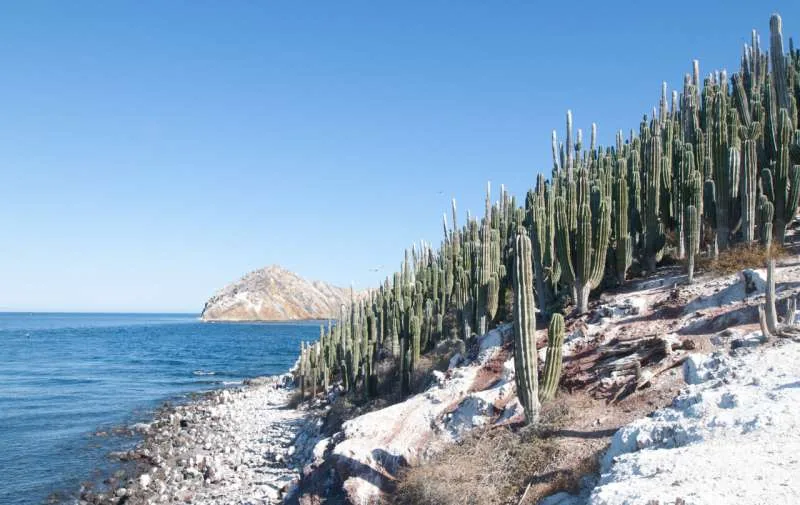
Drought Data Reveals Heightened Cactus Extinction Risk
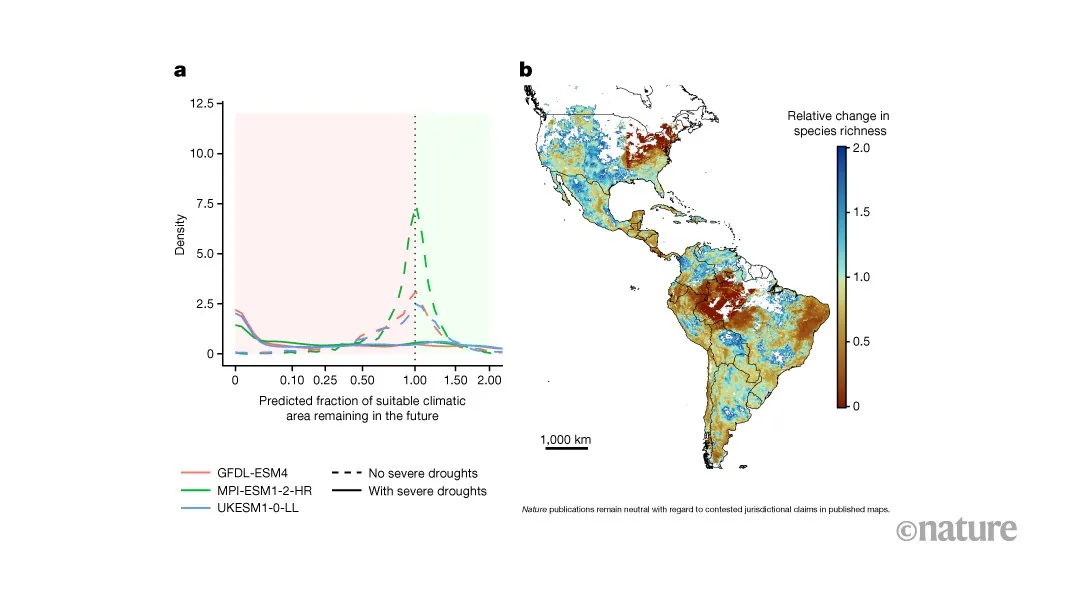
By combining future drought projections with nearly 650,000 occurrence records from biodiversity repositories, field observations, and the community science platform iNaturalist, the researchers simulated geographic ranges for 993 cactus species [1]. The team found that more than a quarter of all analyzed species could lose over 80% of their suitable geographic range by the year 2100. When researchers incorporated extreme drought projections into their simulations, species range forecasts shifted for 91% of evaluated plants compared to metrics relying solely on climate averages [3]. This new data shows why cactus extinction risk surges when prolonged moisture deficits strip plants of their protective water reserves. Evolved stem structures and slow metabolic adaptations cannot buffer wild populations against consecutive years of depleted rainfall [1].
When preliminary simulations showed steep habitat declines, the authors initially questioned their computer outputs. Brian Maitner, an assistant professor of integrative biology at USF St. Petersburg and study co-author, described their surprise upon reviewing the data. “When we started modeling and crunching the data, we were really skeptical of the initial findings,” Maitner said. “Then we consulted with cactus experts in North and South America and they confirmed that what we were modeling, they were already seeing in the field.” [4]
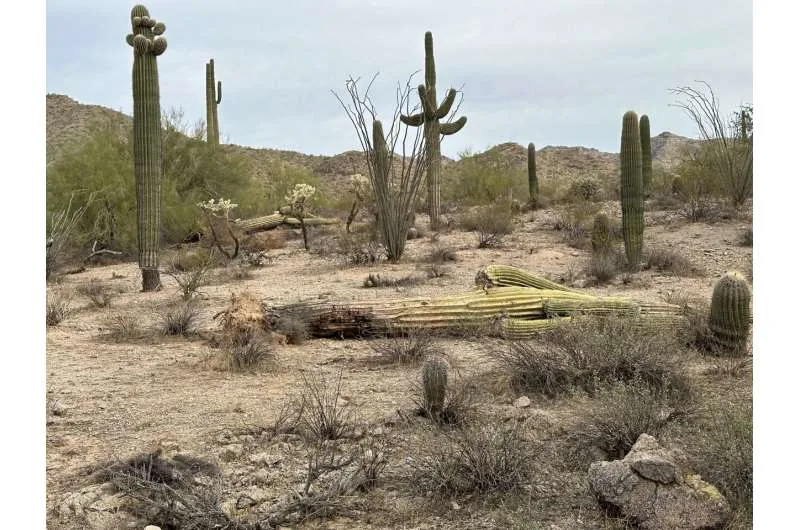
Field Evidence Across Arid American Ecosystems
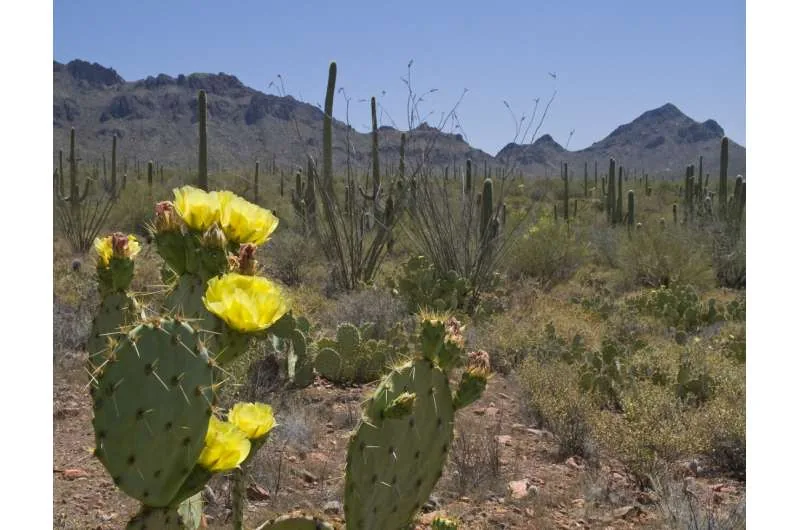
Empirical signs of climate stress have already emerged in arid zones of the Southwestern United States. In the Sonoran Desert near Tucson, Arizona, prolonged dry spells have triggered high mortality among chollas, prickly pears, and iconic Carnegiea gigantea saguaros. Field botanists report that mature saguaros suffer stunted stem growth and failed fruit production when moisture reserves run dry. Intense droughts kill young seedlings before root systems reach deep subsoil water, halting natural generation replacement through desert valleys [2]. In Florida, where sandy coastal soils drain quickly between storms, most native cactus species already face heavy survival pressures from coastal development and shifting water tables [4]. Field teams observed that even established specimens in protected preserves exhibit branch collapse and tissue necrosis after consecutive rainless summers [2].
Similar habitat reductions are shrinking wild populations in South America. Pablo Guerrero, a botany professor at the Universidad de Concepción in Chile, pointed out that field observations match modeled projections. “What we are seeing on the ground are some cactus populations that are already experiencing reductions in habitat and nearing extinction risks due to this combination of climate and extreme events,” Guerrero said [2]. A 2022 study in Nature Plants evaluated over 400 cactus species across three emissions scenarios, discovering that 60% faced shrinking climatic envelopes. Epiphytic species living in humid canopies suffered the greatest exposure because they lack soil cushions to store water [6].
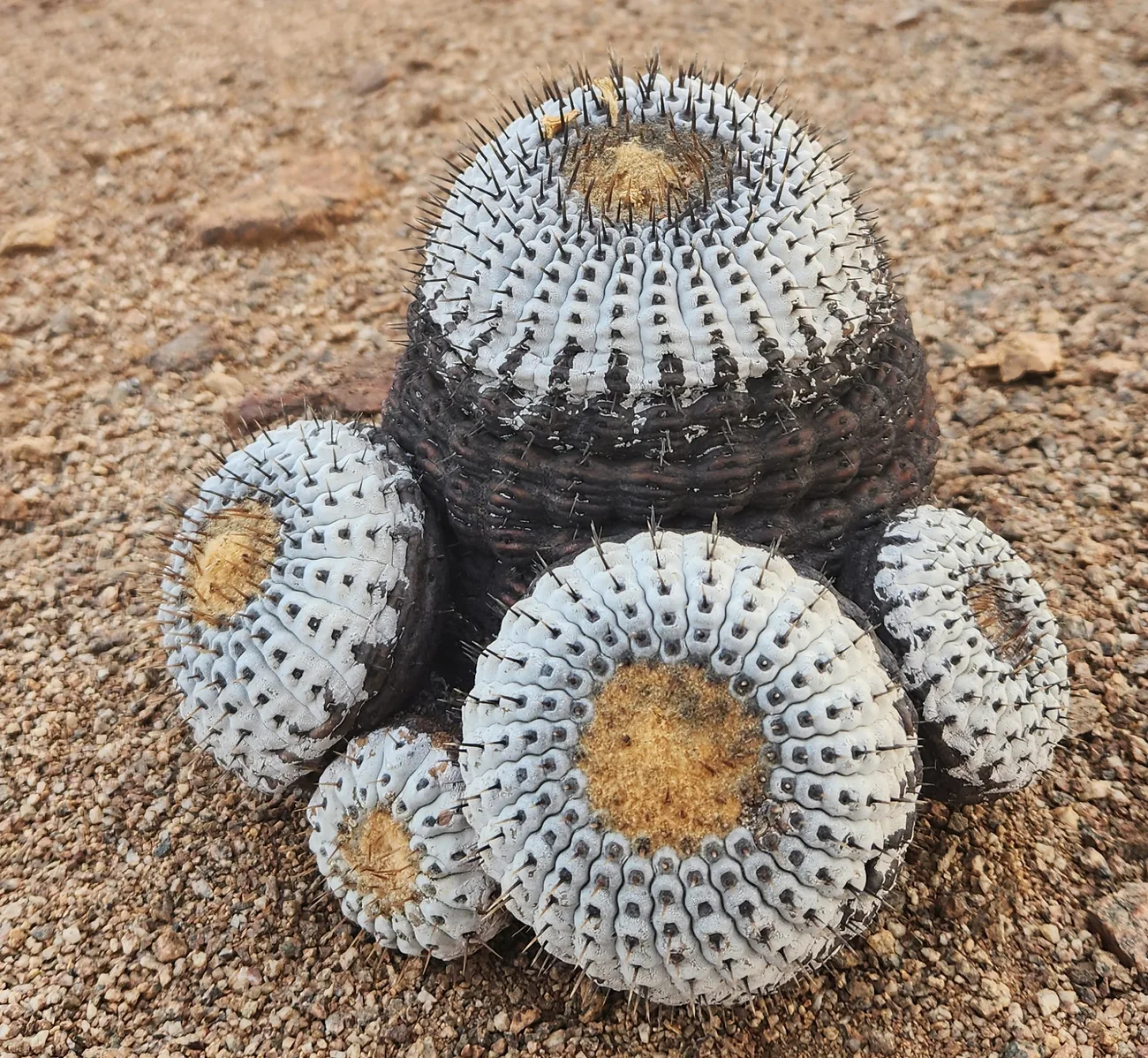

Regional Hotspots and Ecological Disruption
Geographic projections point to Chile, Peru, and northeastern Brazil as core diversity hotspots where drought-driven habitat losses will exceed 25% of existing cactus richness [3]. Such local diversity losses directly intensify cactus extinction risk in South American deserts [1]. The decline of these desert succulents threatens whole arid ecosystems, where cacti function as keystone plants providing food and moisture for local wildlife. For example, the senita moth of the Sonoran Desert gathers pollen exclusively from the flowers of Lophocereus schottii, laying eggs within the blooms so its larvae can feed. In the Galápagos Islands, endemic cactus finches depend on prickly pear flowers, nectar, and seeds for food, carving their nesting cavities within the spiny pads [3]. When drought weakens these foundational cacti, entire animal communities lose their main source of hydration during the hottest months of the year [1].
Human communities also depend on wild cactus populations for cultural traditions and seasonal sustenance. In the Sonoran Desert, the Tohono O’odham harvest saguaro fruits every summer to produce syrup, jam, and seed meal, fermenting the juice into wine for sacred ceremonies [3]. Desert communities face compounding food disruptions, a pattern echoing related environmental research into how climate change nutrition risks threaten children when wild harvests fail. Ecologists gathered historical occurrence records through digital data-sharing networks to trace these continental trends [1]. Earlier work by Brian Enquist and colleagues in 2016 established cyberinfrastructure for botanical networks, though as a preprint in PeerJ Preprints it did not undergo standard peer review [7].
Reassessing Species Under International Red List Criteria
Under criteria set by the International Union for Conservation of Nature, losing 80% of suitable habitat qualifies a species for placement on the Red List as Critically Endangered [3]. If extreme drought projections materialize by the end of the century, more than a quarter of all evaluated cactus species will meet those threshold conditions [1]. Such an influx would more than double the number of cactus species currently placed in that highest threat tier. The 2015 Global Cactus Assessment originally determined that 31% of cactus species were threatened with extinction, ranking Cactaceae among the most endangered plant families in the world. That earlier evaluation identified agricultural conversion, livestock grazing, and residential development as the main historical drivers of habitat degradation [3]. These new climate projections indicate that global heating will soon surpass direct land conversion as the primary driver pushing wild succulents toward extinction [1].
Illegal harvesting has also accelerated pressure on rare wild species. International demand for ornamental succulents fueled black-market trafficking, as uncovered during Operation Atacama, when Chilean authorities seized over 1,000 illegally collected cacti in a single raid. This global conservation crisis mirrors findings where the organization determined that tropical coral reefs face collapse within 50 years under thermal ocean stress. Bárbara Goettsch, co-chair of the IUCN SSC Cactus and Succulent Plants Specialist Group, pointed out that threat dynamics have changed over time. “Updating extinction risk assessments is urgently needed,” Goettsch said. “Action on the ground to understand and mitigate these impacts cannot be delayed.” [3]
Conservation Priorities and Cactus Extinction Risk
To translate these findings into effective field policies, the IUCN SSC Cactus and Succulent Plants Specialist Group is launching a complete reassessment of all known cactus species. Specialist group leadership, including co-chairs Bárbara Goettsch and Lucas Majure alongside Red List Authority Coordinator Raúl Puente-Martínez, plans to complete the review over the next three years. Contributing coauthors include researchers Mónica Arakaki, Duniel Barrios, and Tania Hernández-Hernández. The team will organize three regional expert workshops in mid- and late 2027 spanning the United States, Mexico, and South America. The Cactus and Succulent Society of America is hosting a public fundraiser to finance these workshops and support field evaluations [3]. These regional meetings will synthesize local botanical field records with computerized drought models to refine conservation priorities across each desert biome [1].
Biological models that include extreme drought projections clarify where habitats face imminent contraction. By analyzing nearly 650,000 occurrence records, scientists provided conservation managers with precise geographic coordinates for targeted habitat preservation. Such refined modeling gives biologists actionable targets to reduce cactus extinction risk before local populations vanish [1]. Seed banking, expanded botanical reserve boundaries, and firm enforcement against plant poaching offer the best tools to safeguard desert biodiversity. Desert conservation managers must deploy timely interventions before irreversible habitat loss permanently fragments American drylands [3].
- ACADEMIC JOURNAL Pillet, M. D., Maitner, B. S., Arakaki, M., Araujo, D. S. A., Baker, M. A., Barrios, D., Boyle, B. L., Breshears, D. D., Feng, X., Goettsch, B., Guerrero, P. C., Hernández-Hernández, T., Majure, L. C., Meriño, B. M., Nikolopoulos, E. I., Puente-Martínez, R., Roehrdanz, P. R., Serra-Diaz, J. M., Urban, M. C.,. Enquist, B. J. (2026). Severe drought and warming increase the extinction risk of cacti. Nature. [Article Link]
- ONLINE NEWS Phys.org. (2026). Even cacti are severely threatened in a warmer, drier world. [Article Link]
- WEBSITE International Union for Conservation of Nature. (2026). Severe drought worsens climate change forecasts for cacti. [Article Link]
- ONLINE NEWS Cimitile, M. (2026). New research finds that even cacti are severely threatened in a warmer, drier world. University of South Florida St. Petersburg. [Article Link]
- ONLINE NEWS Mirage News. (2026). USF Study Finds Cacti Threatened by Warming, Drought. [Article Link]
- ACADEMIC JOURNAL Pillet, M., Goettsch, B., Merow, C., Maitner, B., Feng, X., Roehrdanz, P. R., & Enquist, B. J. (2022). Elevated extinction risk of cacti under climate change. Nature Plants, 8(4), 366–372. [Article Link]
- PREPRINT Enquist, B. J., Condit, R., Peet, R. K., Schildhauer, M., & Thiers, B. M. (2016). Cyberinfrastructure for an integrated botanical information network to investigate the ecological impacts of global climate change on plant biodiversity. PeerJ Preprints. [Article Link]
APA 7: PerEXP Teamworks. (2026, November 12). Cactus Extinction Risk Soars as Arid Climates Shift Globally. PerEXP Teamworks. https://perexpteamworks.com/en/cactus-extinction-risk-climbs-drought/


