





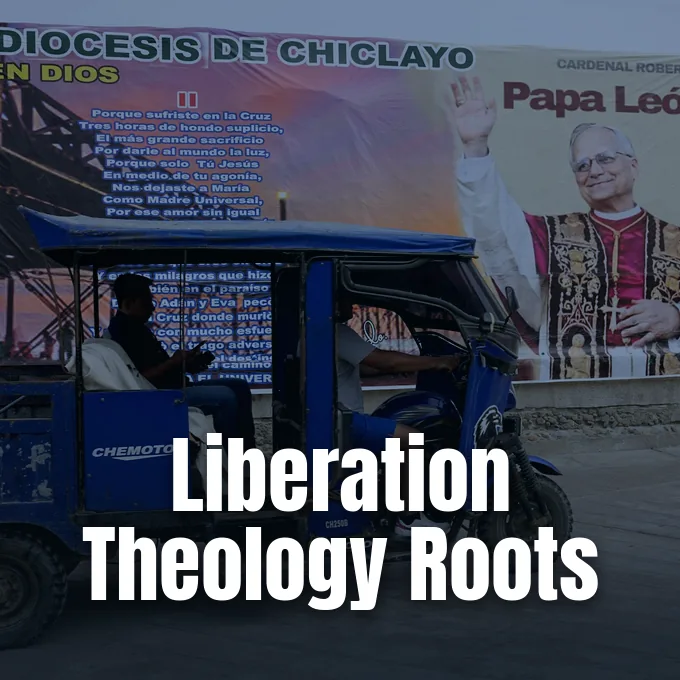
Pope Leo XIV began a journey to Uruguay, Argentina, and Peru on Nov. 6, 2026, marking his first papal visit to Latin America since his election on May 8, 2025. Born Robert Prevost on the South Side of Chicago, he holds Peruvian citizenship. He spent about twenty years of his forty-three years of ordained ministry in Peru. His early years as a missionary and bishop unfolded in communities where liberation theology once stirred debate within the Catholic Church [1].
A Papal Return to Peru
The papal itinerary covers politically complex ground in three South American nations. In Argentina, where President Javier Milei cut state funding for disability services, Pope Leo visits a Catholic residential care home for disabled people. His schedule also includes Casavalle, one of the poorest neighborhoods in Uruguay’s capital [3].
That long service in South America guided his path to the papacy. Longtime Midwest Augustinian collaborator Bishop Emeritus Daniel Turley, who led the Diocese of Chulucanas from 2000 to 2025, said that without Peru, Prevost would never have become pope. Bishop Luis Alberto Barrera Pacheco of Callao observed that missionary life left a lasting mark on him. In an interview with Crux on July 30, 2025, Pope Leo affirmed that while he feels fully American, his outlook grew out of the life of the Latin American church [2].
What Is Liberation Theology?
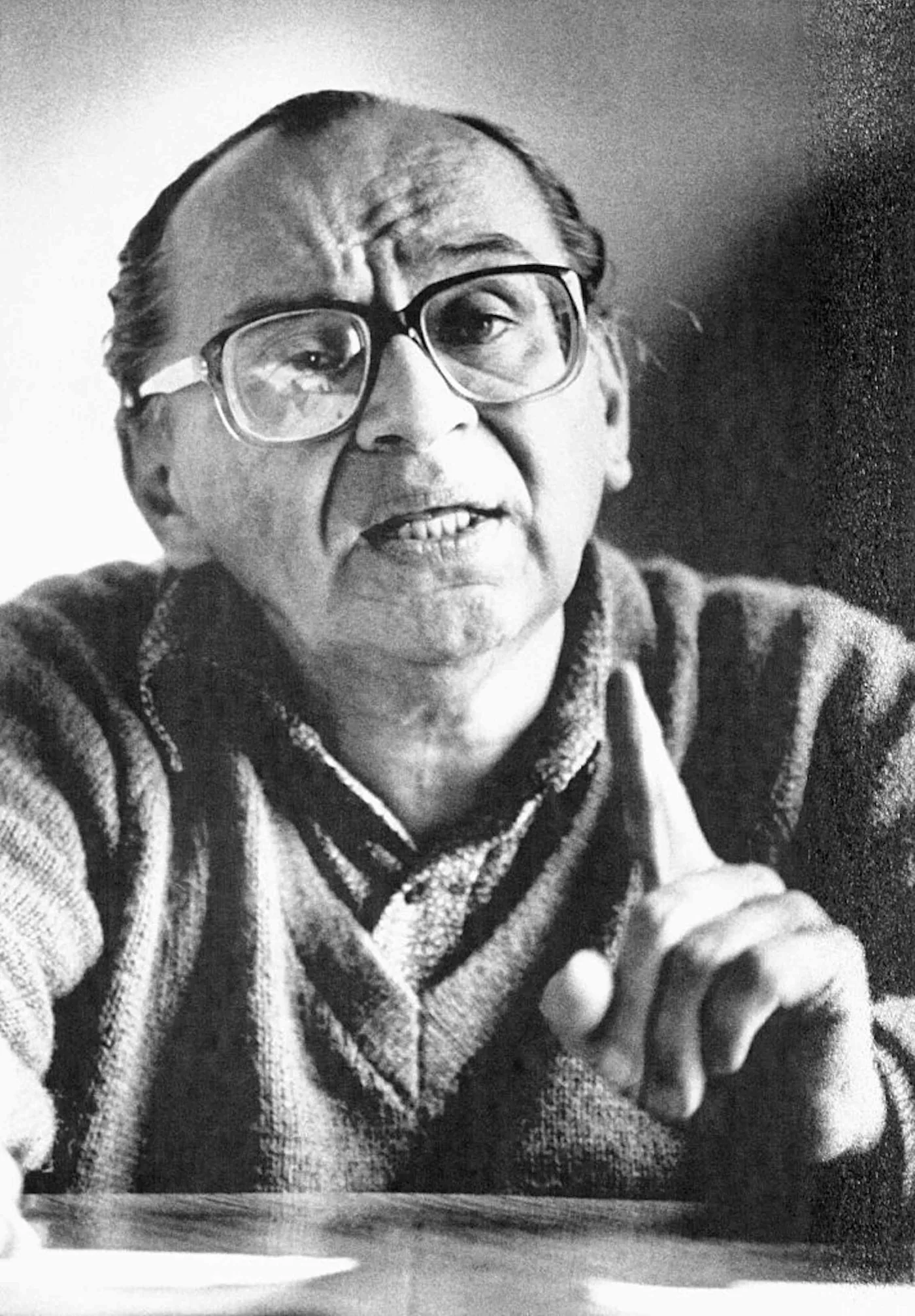
What principles define liberation theology? The term emerged in 1968 during a lecture by Gustavo Gutiérrez, a Peruvian priest who developed his ideas in his 1971 book A Theology of Liberation. Gutiérrez and other theologians taught that Christians have a duty to help free the poor from violence and unjust social conditions [1].
Believers turned that theological framework into practical community action. Catholics set up labor unions, farming cooperatives, transport groups, and artisan workshops to improve daily conditions for laborers. Gutiérrez also argued that Marxist social and economic tools could help Christians understand inequality in resource-rich nations like Peru, where outside companies gained wealth from low wages paid to miners and field hands. During the Cold War, those concepts prompted opposition from politicians and church leaders who feared communism, even though only a small fringe took up arms. Christians for Socialism argued that liberation meant rejecting capitalism, but Gutiérrez consistently opposed armed conflict in Peru [1].
Vatican Scrutiny Under John Paul II
Papal views on social action shifted over the decades. In 1891, Pope Leo XIII published Rerum Novarum to defend workers amid industrialization while condemning socialism. But concerns grew after Polish cardinal Karol Józef Wojtyla became Pope John Paul II in 1978. Having lived under Soviet bloc rule in Poland, John Paul II and Cardinal Joseph Ratzinger worried that Marxist ideas would distort Catholic doctrine [1].
Investigations soon targeted prominent Latin American theologians. In 1985, the Vatican ordered Brazilian theologian Leonardo Boff to observe a year of silence without publishing or public speaking, while several priests in Sandinista Nicaragua faced suspension. John Paul II also ordered Peruvian bishops to investigate Gutiérrez. Yet Gutiérrez never received penalties, aided by his clear opposition to armed revolution during Peru’s internal conflict. Between 1980 and 2000, Maoist Shining Path guerrillas waged terrorism with bombings in Peruvian towns. Under President Alberto Fujimori, the government escalated counterinsurgency actions, often using indiscriminate violence against citizens in the areas where the guerrilla movement began. In 2009, Fujimori was convicted of human rights violations [1].
Theological work offered an alternative to violence. Theologian M. Shadle recorded in Political Theology that the Peruvian church’s defense of truth and community solidarity helped build peace during two decades of terror [4]. Although the Vatican appointed conservative bishops and closed progressive seminaries, local pastoral teams kept serving poor families [1].
Pastoral Work in Chulucanas and Trujillo
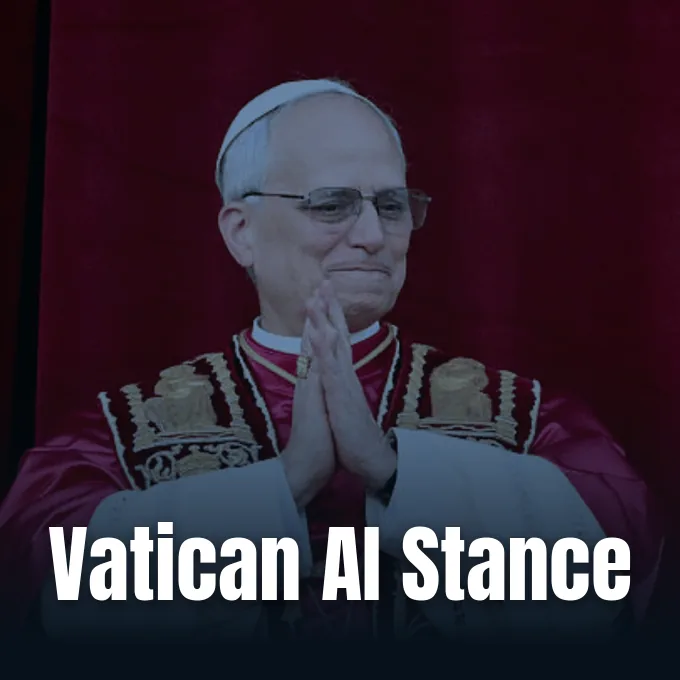
Robert Prevost arrived in Peru in 1985 as a young Augustinian friar. Sent to Chulucanas in the coastal northwest, he joined an Augustinian mission that had organized literacy classes, artisan workshops, and discussion groups on poverty since the 1960s. The area faced deep poverty, with annual income per person hovering near 800 dollars, roughly twenty-three times smaller than in the United States. Former altar server Hector Camacho recalled that the young priest slipped away early in the morning to bring food and drink to poor families. Camacho shared that Father Prevost was never happier than when celebrating Mass among campesinos in humble countryside chapels [2].
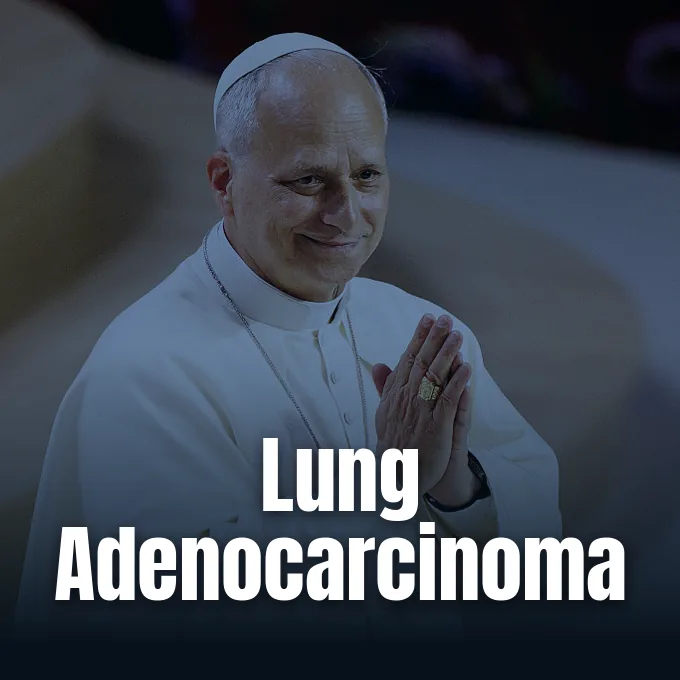
From 1988 to 1999, Prevost served as pastor of St. Rita of Cascia Parish and taught at the seminary in Trujillo. To involve laypeople as evangelical churches grew, he formed neighborhood zones where twenty to thirty parishioners met regularly to pray and organize ministry. Parishioners José Chancafe Neciosup and Liliana Loaya Diaz said he urged them to take the church out into the world. That grassroots method informed his apostolic exhortation Dilexi Te, issued on Oct. 9, 2025, where he wrote that the poor are primary actors who help the Gospel come to life rather than mere objects of charity [2]. As Pope Leo XIV confronts lung adenocarcinoma as therapies advance during his demanding schedule, his early missionary years in northern Peru continue to guide his pastoral style.
How Liberation Theology Influenced Chiclayo
Prevost returned to Peru in 2014 when Pope Francis appointed him Bishop of Chiclayo, where he served for almost nine years until 2023. He succeeded bishops from Opus Dei, but successor Bishop Edinson Farfán Córdova said Prevost came as a pastor of communion who brought groups together. In December 2014, he gave a talk to Chiclayo’s priests on St. John Paul II’s letter Tertio Millennio Adveniente, focusing on unity [2].
In Chiclayo, his ministry focused on direct service to vulnerable people. Soup kitchen volunteer Rosita Ruiz Gomez recalled that the bishop was just one of them when eating meals together. Janina Sesa, director of Caritas in Chiclayo, said he often reminded staff that the poor evangelize us. During the 2010s, when Venezuelan migrants entered Peru, his diocese provided food and shelters, prompting Bishop Turley to call Chiclayo one of the best dioceses caring for migrants. Father Jorge Millán said Prevost always remained a man of the church who upheld Catholic doctrine on moral and liturgical questions. While Prevost never called himself a liberationist, his practical solidarity mirrored how liberation theology sought to defend human dignity in poor communities [2].
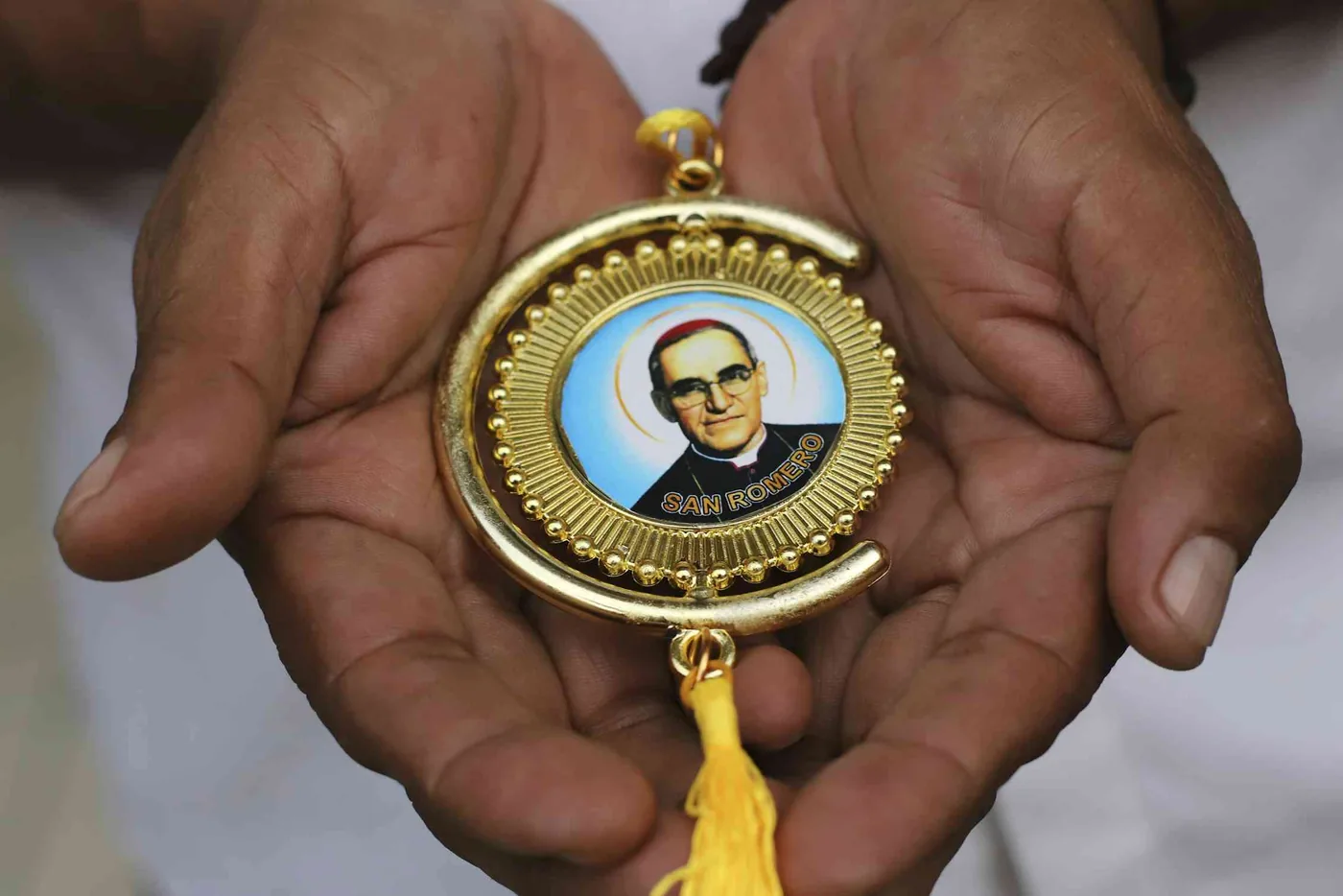
His itinerary includes a stop at Capilla San Óscar Romero in Chiclayo. Prevost helped renovate the chapel through donations from contacts in the United States. Romero was assassinated in 1980 after denouncing military abuses in El Salvador. The day before his death, Romero told soldiers, “No soldier is obliged to obey an order counter to the law of God.” Leo’s private visit evokes Romero’s plea to cease violence against the innocent [1].
Diplomatic Balance on South American Soil
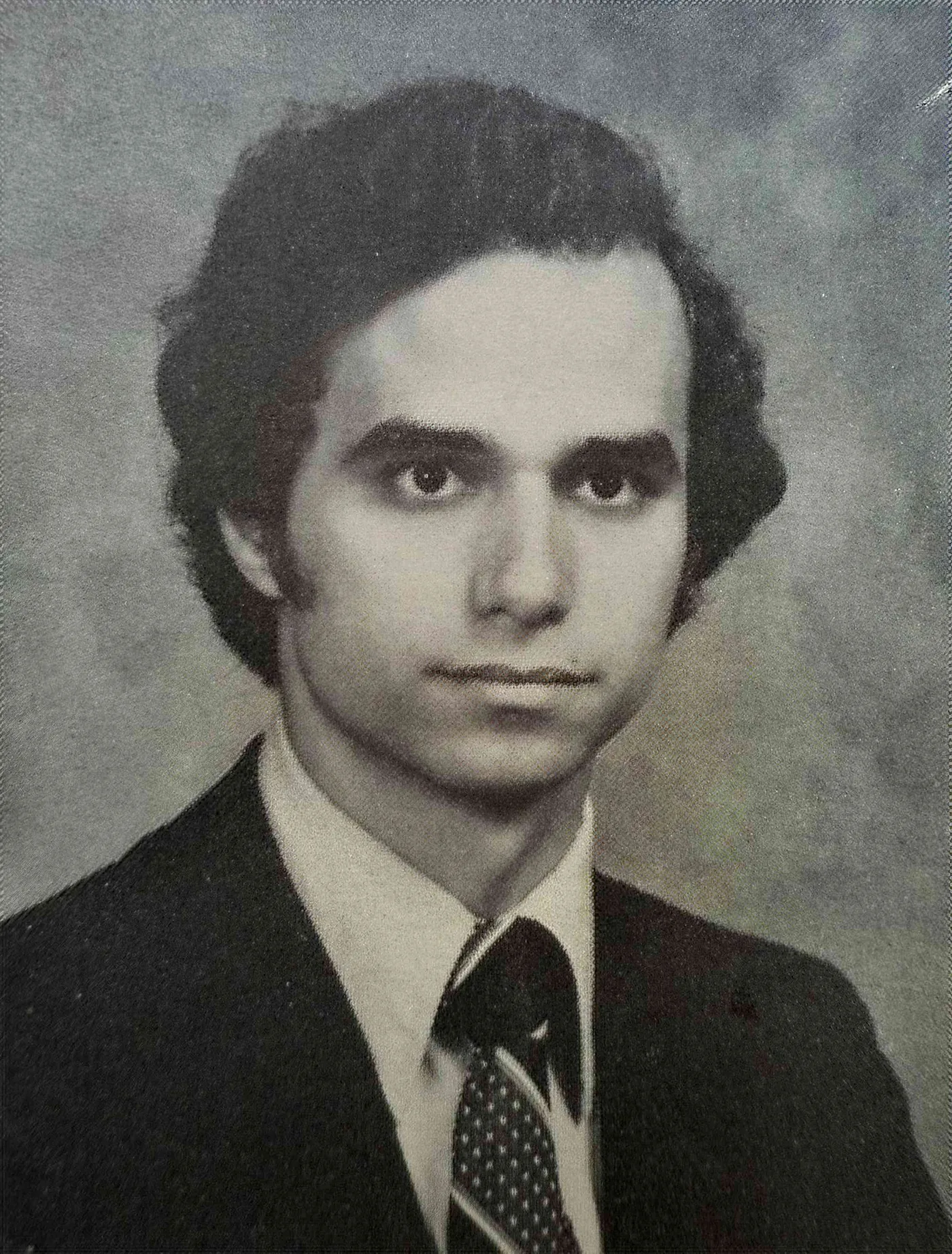
The South American trip requires careful political balance. Leo meets with state leaders in Peru and Argentina while visiting Catholic homes for disabled people and poor neighborhoods. While Pope Leo XIV denounces AI art for lacking human spark in cultural discussions, his core message in South America centers on personal human encounters. Former communications director Father Fidel Purisaca said Prevost was a promoter who got people to work as part of a team. That collaborative habit proved valuable when Prevost served as apostolic administrator of Callao between April 2020 and May 2021, resolving disputes by listening to conflicting groups rather than rushing to pass judgment [2].
That Peruvian experience directly shapes his universal call for synodality. Speaking with Crux, Pope Leo explained that synodality does not turn the church into a democratic government, but invites believers to walk together and understand the life of the church. Historian Eben Levey recorded that Latin American pastoral programs survived decades of institutional friction to protect local self-determination [5]. Forty-three years after his ordination, Pope Leo brings the lessons of his Peruvian ministry back to the communities where his priesthood began [2].
- ONLINE NEWS Levey, E. (2026, November 6). Pope Leo’s trip is a homecoming to Peru – where debate over liberation theology roiled the church during his early years as a priest. The Conversation. [Article Link]
- ONLINE NEWS Liedl, J. (2026, November 3). How Peru Shaped Pope Leo XIV. National Catholic Register. [Article Link]
- ONLINE NEWS Middle East North Africa Financial Network. (2026, November 6). Pope Leo’s Trip Is A Homecoming To Peru Where Debate Over Liberation Theology Roiled The Church During His Early Years As A Priest. MENAFN. [Article Link]
- ACADEMIC JOURNAL Shadle, M. (2013). Theology and the Origins of Conflict. Political Theology, 14(3), 284–303. [Article Link]
- ACADEMIC JOURNAL Levey, E. (2021). From Liberation Theology to Teología India: The Progressive Catholic Church in Southern Mexico, 1954-1994. University Libraries (University of Maryland). [Article Link]
APA 7: PerEXP Teamworks. (2026, November 7). Pope Leo Returns to Peru Where Liberation Theology Shaped His Work. PerEXP Teamworks. https://perexpteamworks.com/en/liberation-theology-pope-leo-peru/


