



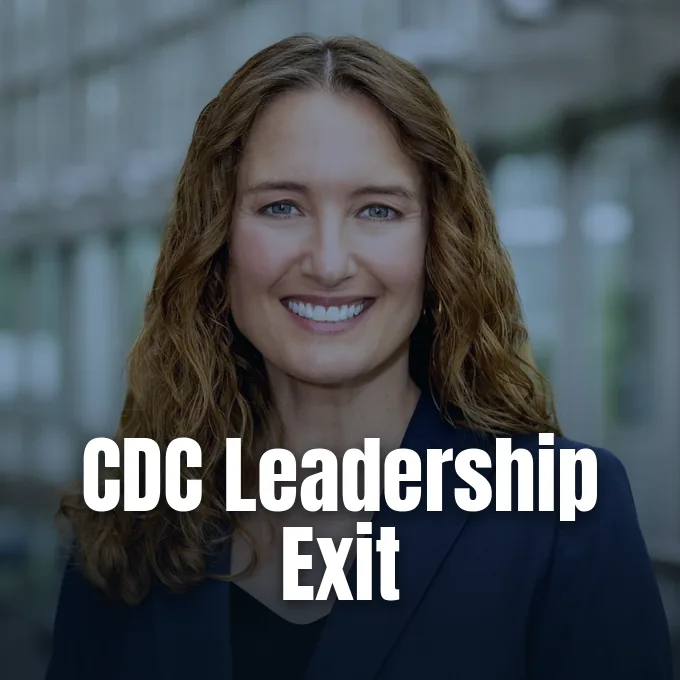
Dr. Jennifer Shuford has stepped down from her position as CDC deputy director and chief medical officer after just four months in the federal post [1]. The infectious disease specialist confirmed that her last day at the agency will be Nov. 12, departing just after the upcoming midterm elections [3]. Her departure marks another shift in federal health leadership during a period marked by disputed measles figures and debates over vaccine guidance [2]. Shuford stated publicly that she decided to leave in order to spend more time with her family [5].
Shuford’s Departure and Timeline
President Donald Trump appointed Shuford in April to serve on a new agency leadership team, and she began work in June after serving almost four years as commissioner of the Texas Department of State Health Services. CDC Director Dr. Erica Schwartz praised her work in an email sent to agency staff: “I am deeply grateful for Dr. Shuford’s outstanding leadership and commitment to CDC and public health, especially as she has navigated an exceptionally demanding, high-profile, and constantly evolving environment over the past several months” [1]. Shuford thanked Trump and Health and Human Services Secretary Robert F. Kennedy Jr. for the opportunity to help guide the agency, calling the assignment an amazing experience that she would appreciate forever [2].
Her exit comes as public confidence in federal health advice falls, with a survey showing that only half the country trusts agency recommendations. Yolanda Jacobs, president of the American Federation of Government Employees Local 2883 (AFGE Local 2883), said leadership instability harms career civil servants: “When the agency’s own leadership can’t build a lasting, cohesive team, imagine the damaging effects this has on the employees they’re charged with leading” [1].
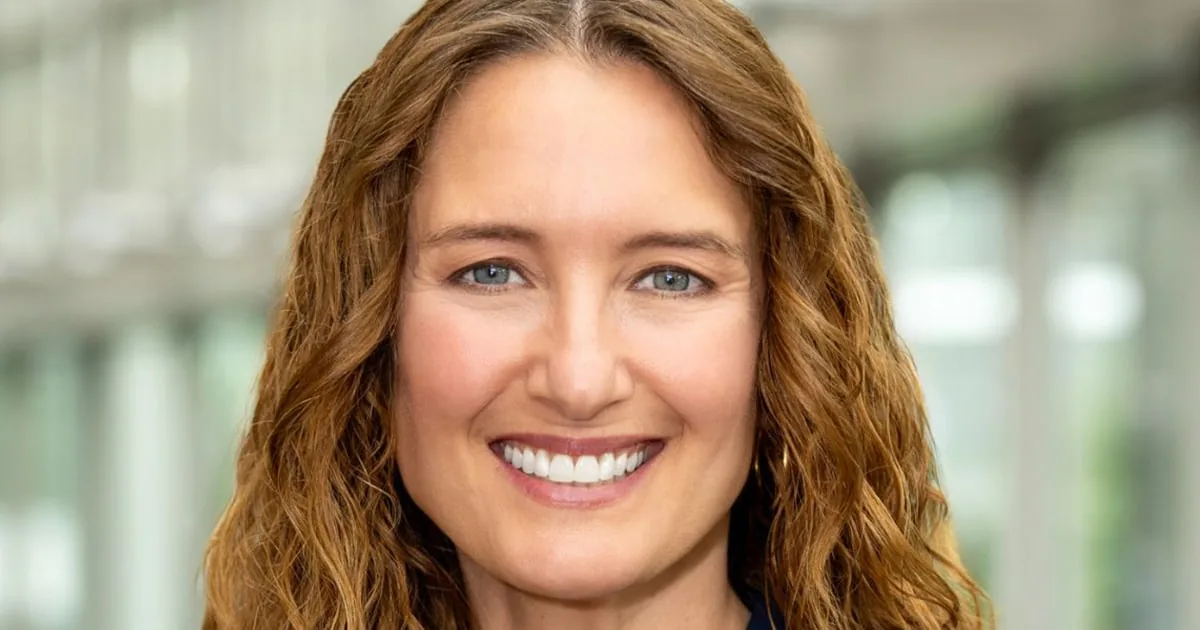
Agency officials announced that Dr. Satish Pillai, a career public health physician who leads federal Ebola work, will serve as acting deputy director while a search begins [4]. Pillai handled safety measures about Ebola in Africa and helped decide whether to quarantine exposed travelers overseas. The agency stated that it will look for a permanent successor soon, but Shuford plans to stay through early November to help hand over her duties [3].
Clashes Over Federal Vaccine Policies
Behind Shuford’s stated reason of spending time with family lay unresolved disagreements about the future of immunization rules. Sources told The Washington Post that she had clashed with administration officials over attempts to reshape federal vaccine guidance, and those disputes factored into her early departure. For the first time in years, the agency did not run a public flu vaccine awareness campaign before autumn illness spread, leaving state departments and private groups to publish advice on their own [1].
Policy changes under Secretary Kennedy moved quickly during Shuford’s short tenure. Kennedy dismissed all 17 members of the CDC expert advisory panel on vaccines and replaced them with people aligned with his personal views. The agency also altered public statements to contradict accepted scientific consensus connecting childhood immunizations and autism, a move that left the Autism Science Foundation “appalled”. Kennedy also slowed down death updates on the federal measles dashboard, even though survey data showed most Americans continue to trust vaccines [2].
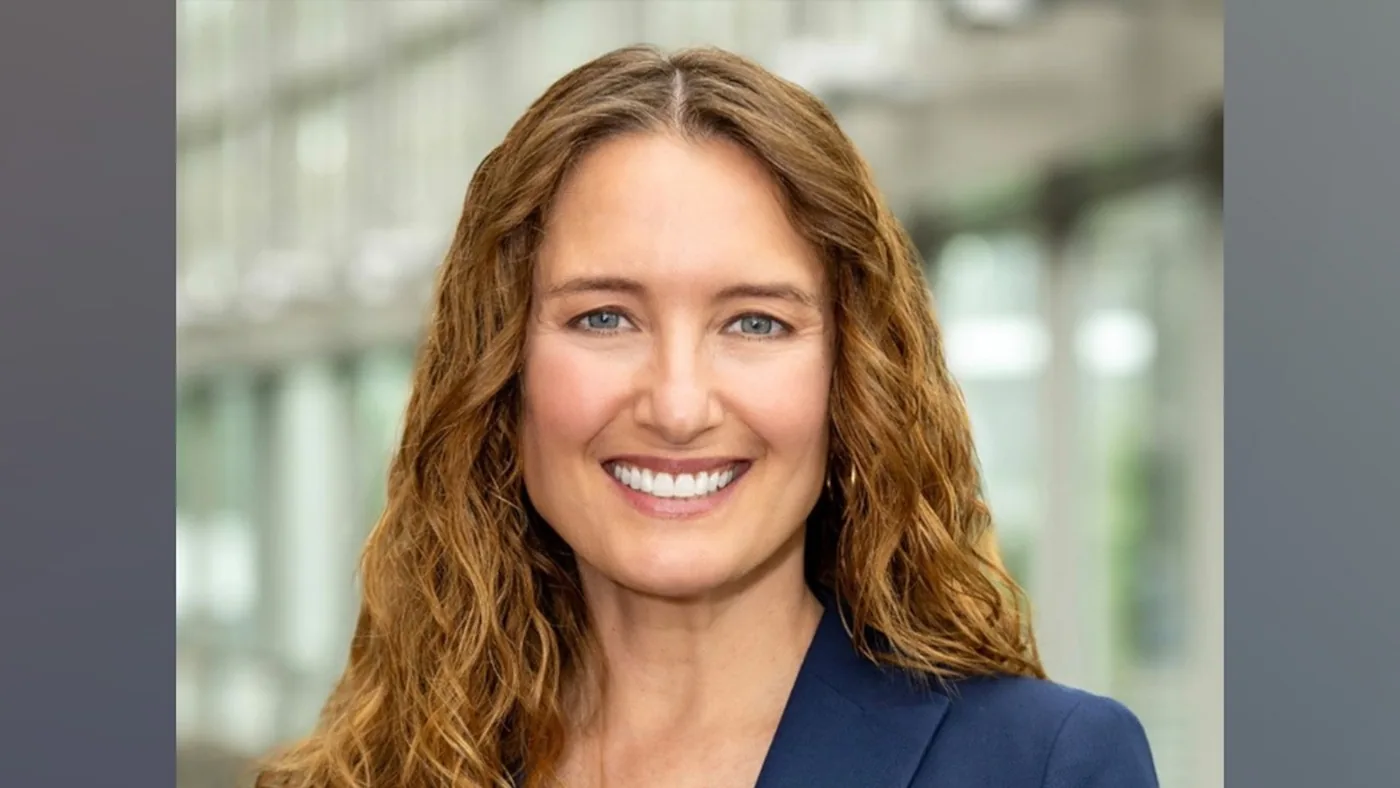
Public health leaders who welcomed Shuford’s appointment in April watched these shifts with deep concern. The Association of State and Territorial Health Officials (ASTHO) had cheered her arrival, having worked with her while she was Texas health commissioner [2]. Reporting by Scientific American pointed out that her exit reflects mounting friction between career medical staff and political appointees over basic science standards [1]. Dr. Demetre Daskalakis, who resigned from the agency in protest in August 2025, said Shuford faced difficult pressures: “I imagine that she has found her red line. She is an excellent public health leader. I fear what is to come next” [3].
Tenure of the CDC Deputy Director
As CDC deputy director and chief medical officer, Shuford held responsibility over infectious disease responses and official disease definitions [3]. She arrived in Atlanta with years of clinical training, having earned her medical degree from the University of Texas Southwestern Medical School and a master’s degree in public health from Harvard University. During the COVID-19 pandemic, she worked as Texas chief state epidemiologist, appearing in educational videos to explain how vaccines protect people from illness [5]. In 2022, state officials chose her to lead the Texas Department of State Health Services [4].
In April, Trump announced Shuford’s appointment on TruthSocial, praising her along with Schwartz and chief operating officer Sean Slovenski [3]. Trump wrote that the group consisted of “Highly Respected Doctors of Medicine [who] have the knowledge, experience, and TOP degrees to restore the GOLD STANDARD OF SCIENCE at the CDC” [2]. Public health observers hoped that having experienced doctors at the top would insulate career scientists from partisan agendas [7].
Colleagues in state health departments knew Shuford as a careful scientist who based decisions on clinical data rather than political trends. Anne Zink, former Alaska chief medical officer and former ASTHO president, spoke about the difficulty of balancing integrity inside federal posts: “Taking these jobs, we all have to know our red line and when it is important to walk away”. Zink added: “It is different for every person and a balance between if you can do more good inside or outside the structure” [7].


Measles Outbreaks and Data Conflicts
Shuford’s departure unfolded while the nation wrestled with 48 separate measles outbreaks that spread through several states [2]. The surge created friction between federal authorities and local officials who sought prompt federal guidance. In Pennsylvania, state health workers reported several measles-related deaths, but federal leaders disputed the figures and refused to acknowledge them on the national dashboard [7]. Because Shuford served as chief medical officer, she had a central role in how the agency classifies fatalities and defines disease trends [3].
Shuford brought firsthand experience with measles from her previous leadership in Texas. During 2025, she managed an outbreak centered in West Texas that produced more than 750 cases and killed two school-age children [4]. In February 2025, when Secretary Kennedy claimed that measles outbreaks were not unusual, Shuford spoke on CNN to push back. She explained that Texas had not seen such an outbreak since the early 1990s, telling viewers that falling immunization rates had left local communities vulnerable [5].

These disease outbreaks hit an agency already strained by staff reductions and reorganizations. The CDC had lost nearly one-third of its workforce over the past year, leaving fewer specialists to investigate community cases [2]. These losses deepened pressure from earlier CDC staff cuts that weakened core surveillance programs. Career staff found it harder to coordinate with local health departments when federal guidance shifted without scientific consensus [1].
Turnover in Federal Health Agencies
Shuford’s resignation follows a pattern of high-level exits that have shaken federal health institutions over the past eighteen months. The agency went without a confirmed leader for roughly a year after Secretary Kennedy fired former director Susan Monarez in August 2025, just 29 days after she began work [4]. Monarez had publicly described Kennedy’s policy demands as unscientific before her dismissal [2]. Four other senior officials resigned shortly after Monarez left, with three citing political interference in scientific decision-making [4].
Departures continued in 2026 within multiple federal health offices. Dr. Ralph Abraham, who served as principal deputy director, left his post in February, while Dr. Allison Arwady departed in June from her role directing the National Center for Injury Prevention and Control. Leadership friction also hit the Food and Drug Administration, where Commissioner Dr. Marty Makary resigned in May after disagreeing with plans to widen access to flavored e-cigarettes. That same month, the FDA vaccine chief stepped down and another division leader said she had been fired [4].
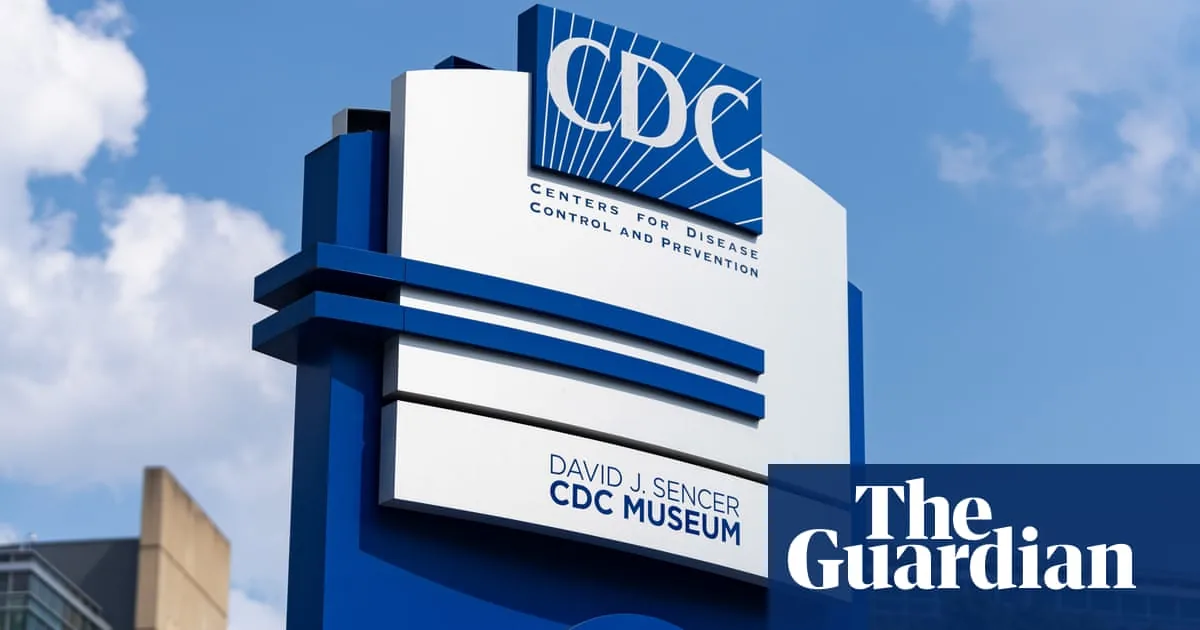
The instability reached the upper ranks of the health department itself when Calley Means, a senior adviser to Kennedy and leading figure in the Make America Healthy Again movement, resigned his federal role [4]. Policy restructuring also reshaped federal research programs, mirroring shifts seen during the creation of the NIH women’s health division under executive order. With so many senior positions changing hands, career scientists report growing difficulty maintaining predictable communication with state partners [1].
What Awaits the Next CDC Deputy Director?
Finding a qualified leader to fill the vacancy left by Shuford poses a real test for the administration. As acting CDC deputy director, Dr. Satish Pillai steps into a role caught between executive policy priorities and the standards of state epidemiological partners [3]. Daskalakis warned that losing Shuford weakens agency leadership at a difficult moment: “It is highly concerning that the most qualified person in the office of the director is departing the agency”. He said that based on Shuford’s work in Texas, he trusted her judgment that this was the right time to step down [7].
Can a new appointee rebuild scientific confidence while vaccine debates continue to divide federal agencies [1]? Public health leaders say that restoring trust needs transparent guidance, consistent tracking of infectious diseases, and steady support for career scientists [2]. With 48 active measles outbreaks and flu season underway, state health officers need clear advice from Atlanta rather than political rhetoric [1]. Whether the agency can stabilize its leadership before the next public health emergency arrives is an open question for health officials nationwide [7].
- ONLINE NEWS Kovac, A. (2026, October 27). Trump-appointed CDC deputy director resigns after just four months in the role. Scientific American. [Article Link]
- ONLINE NEWS Glenza, J., & Smith, M. R. (2026, October 27). Trump-appointed CDC deputy director to resign after six months on the job. The Guardian. [Article Link]
- ONLINE NEWS Weixel, N. (2026, October 27). CDC deputy director to leave administration after 4 months. The Hill. [Article Link]
- ONLINE NEWS Edwards, E., & Bendix, A. (2026, October 27). CDC’s deputy director to depart after four months in the role. NBC News. [Article Link]
- ONLINE NEWS Benadjaoud, Y., & Kekatos, M. (2026, October 27). CDC’s deputy director resigns after being hired in April. ABC News. [Article Link]
- ONLINE NEWS Aldridge, O. (2026, October 27). Former Texas health official resigns from top CDC leadership role just months after joining. KUT Radio. [Article Link]
- ONLINE NEWS Mandavilli, A. (2026, October 27). CDC deputy director resigns after 4 months in the job. The Philadelphia Inquirer. [Article Link]
APA 7: PerEXP Teamworks. (2026, October 28). CDC Deputy Director Jennifer Shuford Resigns After Four Months. PerEXP Teamworks. https://perexpteamworks.com/en/cdc-deputy-director-jennifer-shuford-resigns/


