



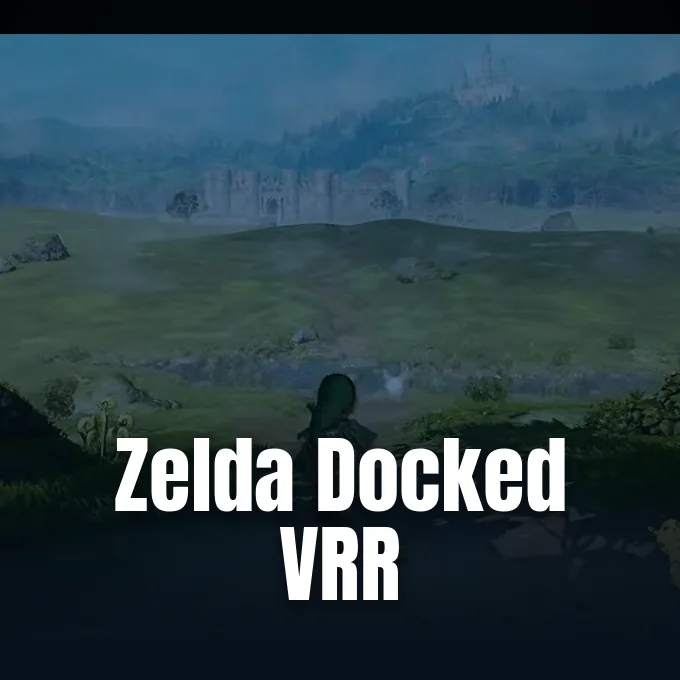
Shoppers browsing Nintendo’s official digital storefront in Japan spotted an unexpected technical specification under the platform’s flagship adventure, sparking immediate discussions across enthusiast gaming communities awaiting hardware news. Official store listings confirm that Ocarina of Time VRR support will operate in docked mode on Nintendo Switch 2, bringing dynamic refresh rate synchronization to living room television displays. Can a modernized classic eliminate hardware stutters on high-end displays? The eShop update establishes the legendary adventure as the second known release to leverage docked synchronization on the platform [1].
Nintendo Store Confirms Ocarina of Time VRR
Nintendo updated regional storefronts across Japan and international markets with fresh metadata detailing the upcoming remake of The Legend of Zelda: Ocarina of Time, outlining television output capabilities ahead of retail distribution. NintendoSoup reporter Yoerider revealed that the product listing for Ocarina of Time VRR explicitly promises “VRR for compatible TVs” when the machine sits in its cradle. That brief technical note answered a pressing question for early hardware adopters. Handheld play already offered dynamic synchronization, but television support remained restricted across the wider software catalog [1].
The storefront change arrives directly after Nintendo launched a major system update enabling variable refresh rate (a display standard synchronizing frame pacing) in TV mode across modern gaming setups. Nintendo Life tracked the discovery across regional eShop branches, noting that store managers added the capability tags without publishing a companion press release. Hardware updates move quietly. Players examining the retail description noticed that television compatibility requires dedicated display hardware capable of adjusting its scan rate on the fly to match output swings [1, 3].
Display specifications on retail listings carry official weight because developers must certify rendering modes prior to retail publication. Storefront tags reflect verified platform capabilities rather than aspirational community speculation. While marketing materials frequently spotlight visual upgrades, backend configuration flags reveal how the engine communicates with external monitors during intensive scenes [1]. Hardware communicates through precise timing.
Display Mechanics and Docked Performance
Variable Refresh Rate technology ensures that an external television continuously aligns its panel refresh cycles with the rendering output generated by the graphics hardware inside the dock. When a console engine stutters during demanding combat encounters or wide scenic pans across Hyrule Field, traditional fixed refresh displays produce jarring screen tears or stuttering hitches. By shifting the refresh window dynamically, compatible screens wait for the console to deliver each completed frame before drawing the image line by line. NintendoSoup emphasized that an adventure of such immense scale benefits directly from dynamic frequency smoothing, especially during complex particle sequences where frame delivery might otherwise fluctuate unpredictably across challenging set pieces [1].
Televisions lack universal support. Living room play requires pairing the console dock with certified panels [1].
Handheld operation sidestepped these display hurdles because the built-in screen on Nintendo Switch 2 integrates native variable refresh protocols directly into the portable chassis without requiring external handshakes. Docked mode presents far trickier engineering hurdles across third-party television controllers. Docked synchronization demands strict handshakes between console firmware, HDMI connections, and display processing boards. Enabling Ocarina of Time VRR on television sets requires active software optimization to ensure that raw rendering dips translate into smooth motion on external screens [1].
Expanding Beyond Nintendo Welcome Tour
When Nintendo deployed its docked display patch last week, the system software opened with exceptionally limited game support. Reporting from NintendoSoup confirmed that Nintendo Switch 2 Welcome Tour stood as the sole software release supporting docked VRR at the moment of firmware deployment last week [1]. The catalog opened cautiously. Early adopters eager to test their modern television sets found only a single technical demonstration capable of activating the new display toggle.
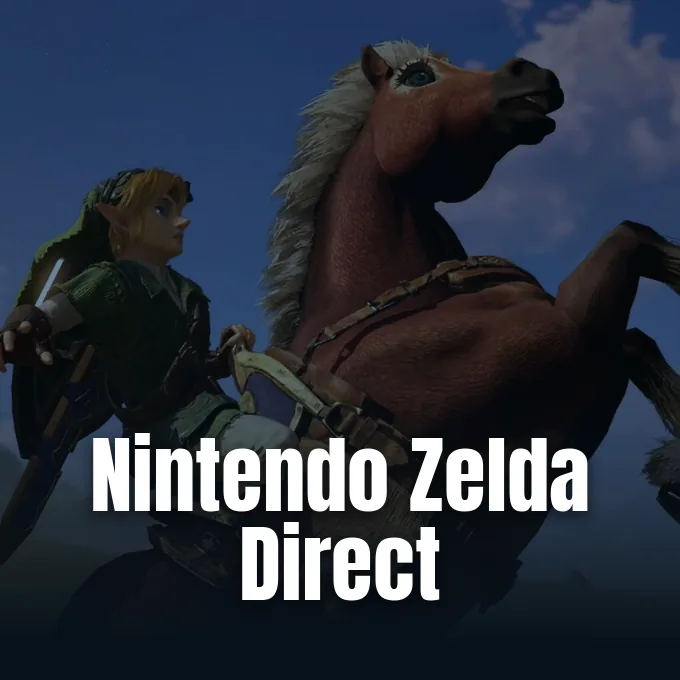
The confirmation of Ocarina of Time VRR functionality transforms the software landscape by adding a premier adventure to that sparse compatibility list. Nintendo unveiled the comprehensive project during a Nintendo Zelda Direct broadcast revealing the Ocarina remake scheduled for November 5. Moving beyond introductory tech demos indicates that Nintendo intends to treat television synchronization as an essential enhancement for major studio productions [1, 3]. Production priorities shifted quickly.
Curious players frequently wonder what is Zelda Ocarina of Time Master Quest and whether reworked dungeons will feature identical visual smoothness. Engineers designed the Switch 2 edition to maintain visual parity across every narrative chapter, ensuring that intricate dungeon traps and taxing lighting models refresh smoothly on modern television sets. Delivering variable refresh rates reassures enthusiasts that demanding boss encounters will not stumble during pivotal gameplay sequences [1].
Autumn Crowds and Major Competitors
Technical polish becomes critical as Nintendo prepares to release the remake into an unprecedented autumn sales crush. GamesRadar+ writer Scott McCrae documented how publisher release schedules collided across September and October 2026, forcing competing studios to adjust their commercial plans. Lyrical Games boss Blake Rochkind told The Game Business that autumn 2026 represents “objectively the craziest fall in the history of this business.” Rochkind pointed to The Legend of Zelda: Ocarina of Time remake and mid-November behemoth GTA 6 as the defining juggernauts dominating consumer attention throughout the upcoming shopping season [2].
Publishers scrambled to avoid clashing directly with these entertainment heavyweights. Before Onimusha: Way of the Sword shifted its rollout into early September, rival projects threatened to overcrowd retail shelves across a single forty-eight hour window. That tight span included Control Resonant, first-person soulslike Valor Mortis, Harvest Moon: Echoes of Teradea, Hot Wheels Infinite Rush, Silent Hill: Townfall, and Dragon Quest 11 Nintendo Switch 2 Edition. Following weeks introduced Ace Combat 8, Gears of War: E-Day, Star Wars: Galactic Racer, and the newly delayed Rayman Legends Retold [2]. Congestion forced tactical repositioning.
To survive alongside Zelda and Rockstar’s blockbuster, Lyrical Games priced Valor Mortis (an action title from the developers of Ghostrunner) at $40 rather than standard premium tiers after delaying from September 24. Rochkind explained that his team embraced becoming an “and” game that shoppers purchase in addition to tentpole titles, citing conversations with a peer who succeeded at $30. Competitive autumn schedules demand absolute technical excellence from premier platform exclusives. Hands-on impressions from Steam Next Fest demonstrated enthusiasm for independent releases, but major platform holders must deliver flawless execution when pricing flagship remakes. Solid Ocarina of Time VRR performance provides Nintendo with that necessary technological edge [1, 2].
Technical Demands Across Hyrule
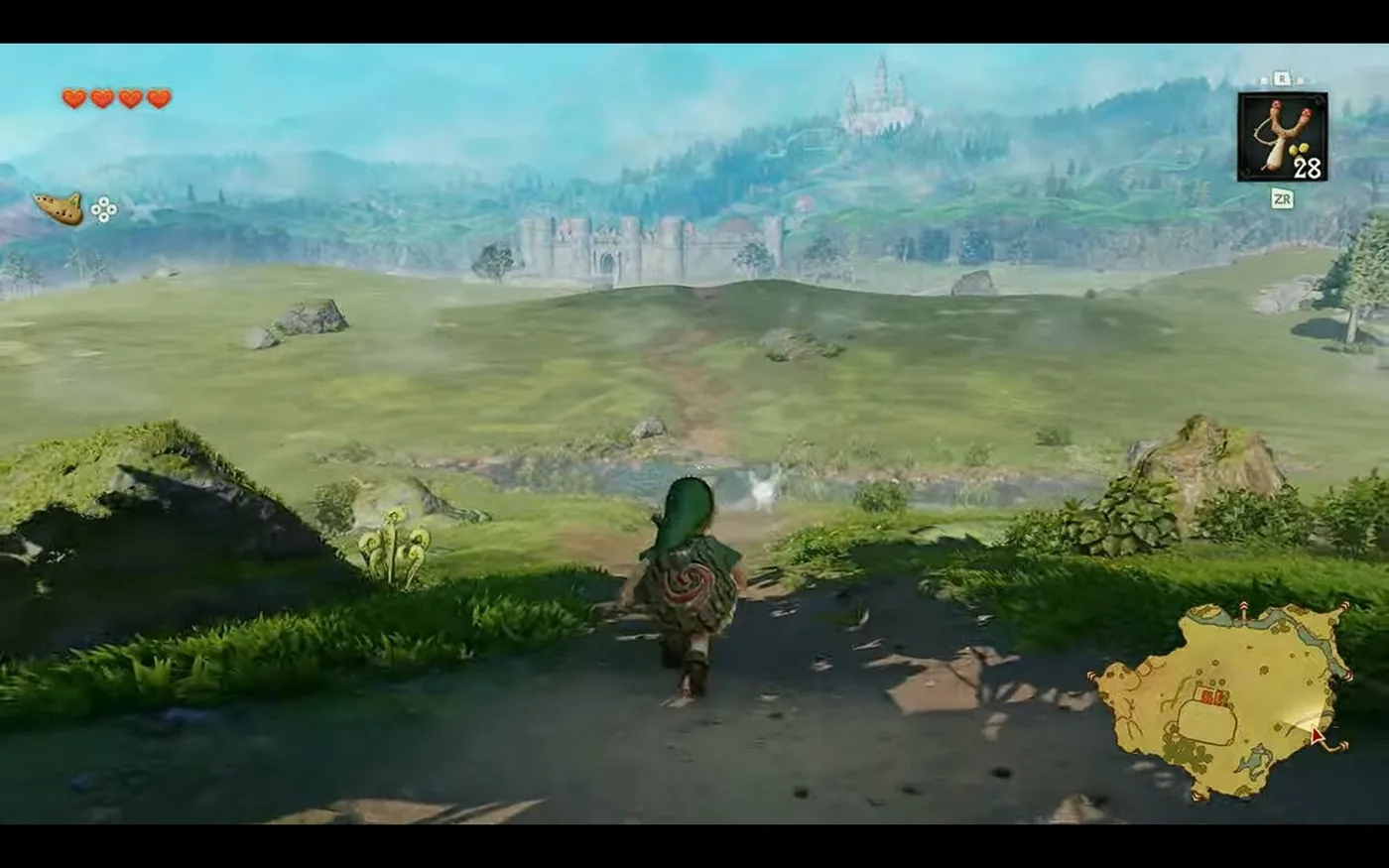
Why is Ocarina of Time the best Zelda game across multiple hardware generations? Critical consensus frequently highlights its pioneering world structure, yet nostalgic affection cannot shield classic releases from modern performance scrutiny. Rebuilding Hyrule with contemporary visual assets demands consistent frame rates, particularly when dynamic lighting sweeps across Death Mountain or during intense water simulation inside Lake Hylia. Incorporating Ocarina of Time VRR support (the ability to adjust refresh rates dynamically without stutter) ensures that visual pacing remains rock solid even if internal rendering workloads spike during grand set pieces [1].
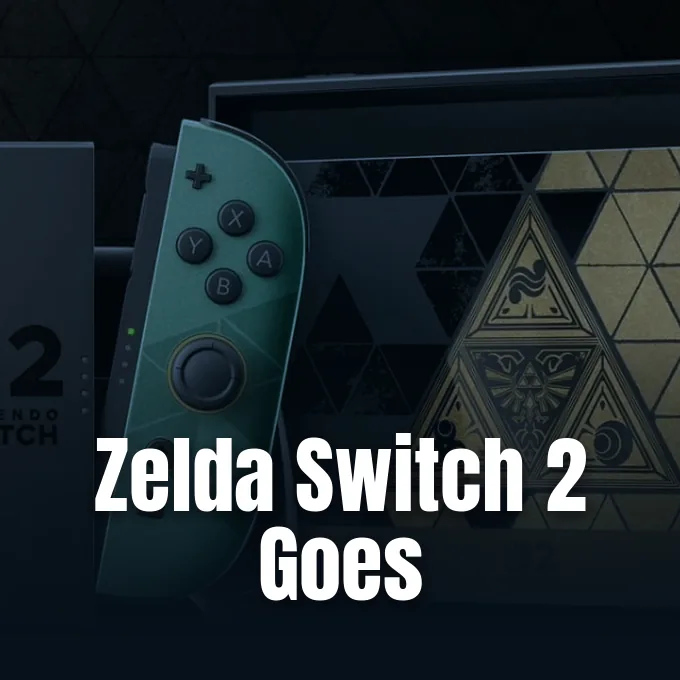
Hardware enthusiasts can also experience the title on the collector-focused anniversary green-and-gold Switch 2 console, pairing themed hardware aesthetics with cutting-edge television output across high-resolution displays. Platform synergy reinforces Nintendo’s ecosystem as players upgrade home entertainment setups for next-generation portable gaming. Display makers continue adopting variable refresh standards across entry-level and premium product lines alike. Enabling docked synchronization bridges console gameplay with advanced monitor capabilities that were previously restricted to high-end personal computers [1].
With retail listings now confirming Ocarina of Time VRR compatibility, players preparing for the November launch can verify whether their home televisions support variable refresh inputs over HDMI. Nintendo has not published an exhaustive catalog of future compatible titles, leaving the upcoming Zelda release as the benchmark for how docked enhancements function in major first-party adventures. Television settings require enabling game modes to synchronize refresh signals properly [1]. Hyrule awaits its smoothest television presentation yet.
- ONLINE NEWS Yoerider. (2026, September 17). The Legend of Zelda: Ocarina of Time Remake Will Support VRR In Docked Mode. NintendoSoup. [Article Link]
- ONLINE NEWS McCrae, S. (2026, September 17). Upcoming soulslike Valor Mortis costs $40 as it’s up against GTA 6 and the Zelda: Ocarina of Time remake: “We want this to be a game that you can pick up alongside these other great games”. GamesRadar+. [Article Link]
- ONLINE NEWS Nintendo Life. (2026, September 17). Zelda: Ocarina Of Time On Switch 2 Will Support VRR In Docked Mode. Nintendo Life. [Article Link]


1 comment