





Former Nintendo of America marketing leads Kit Ellis and Krysta Yang revealed that player interest in The Legend of Zelda had been steadily shrinking before Breath of the Wild arrived to reset the series in 2017 [1]. Speaking on episode 249 of the Kit & Krysta Podcast, the two former staff members addressed online debates sparked by the launch of the Ocarina of Time remake on the Nintendo Switch 2, which sold 5.2 million copies during its first four days on store shelves [3]. Ellis and Yang pushed back against fan claims that Nintendo abandoned classic linear dungeons at the height of their popularity, explaining that internal focus group data painted a much darker picture [2].
Focus Groups and Dwindling Sales
Kit Ellis, who worked for over ten years as Nintendo of America’s director of social media marketing and original content, described a clear divide between fan memories and sales reality [2]. Many players online argued that Nintendo took away classic dungeon puzzles and structured progression when those ideas were at their absolute peak [3]. Ellis disagreed with that reading, recalling how consumer focus groups during the Wii era turned into grim meetings for the Nintendo marketing team [1]. Feedback from those sessions showed that the core audience was shrinking and new releases were failing to attract fresh players to Hyrule [3]. Focus group participants consistently said that the familiar puzzle formula felt tired [1]. Long-time Nintendo fans were buying the games, but younger audiences were looking elsewhere [2].
Krysta Yang, who served as senior manager of creator relations and original content alongside Kit Ellis at Nintendo, shared the same bleak recollection of that period. On episode 249 of the Kit & Krysta Podcast, Yang rejected claims that The Legend of Zelda had been thriving before the Nintendo Switch era. “That’s ridiculous,” Yang said in response to suggestions that classic Zelda games were removed at the peak of their popularity. “This series was in dire straits. They were selling, like, nothing” [3].
Internal tracking showed that each release struggled to match the retail reach of older hits on Nintendo platforms [1]. Ellis pointed out that Nintendo had gathered plenty of consumer data indicating that audience enthusiasm was slipping with every release [3]. “I remember, I was going to the focus groups, and it was a really dark moment when the feedback [was that] the fanbase is dwindling, this is not bringing in new players,” Ellis said [2]. Company leaders at Nintendo realized that small tweaks to the existing template wouldn’t fix the problem [1].
Zelda Sales Before Breath of the Wild
Sales figures from the Wii generation illustrate the steep drop in momentum that Kit Ellis described. The Legend of Zelda: Twilight Princess launched at the start of the Wii generation and achieved roughly 8 million copies sold worldwide [1]. By contrast, The Legend of Zelda: Skyward Sword arrived in 2011 as a dedicated console release but sold only 3.67 million units, a disappointing figure considering that Nintendo sold 101 million Wii systems globally. Skyward Sword captured only a tiny fraction of that hardware audience [4].
The widening gap between console adoption and Zelda purchases proved that the older formula wasn’t connecting with casual buyers [4]. Subsequent releases, including the 2013 Nintendo 3DS entry A Link Between Worlds and various remasters, kept the brand visible on store shelves but didn’t stop the overall slide in retail numbers [2]. When Skyward Sword received a remaster on the Nintendo Switch in 2021, the updated version outsold the original Wii release in just a few months, showing how much the newer platform helped older projects [4]. Back in the Wii era, Nintendo marketing teams saw clear evidence that linear progression had hit a ceiling [1]. Ellis said company leads knew they had to attempt something drastic to keep the franchise afloat [4].
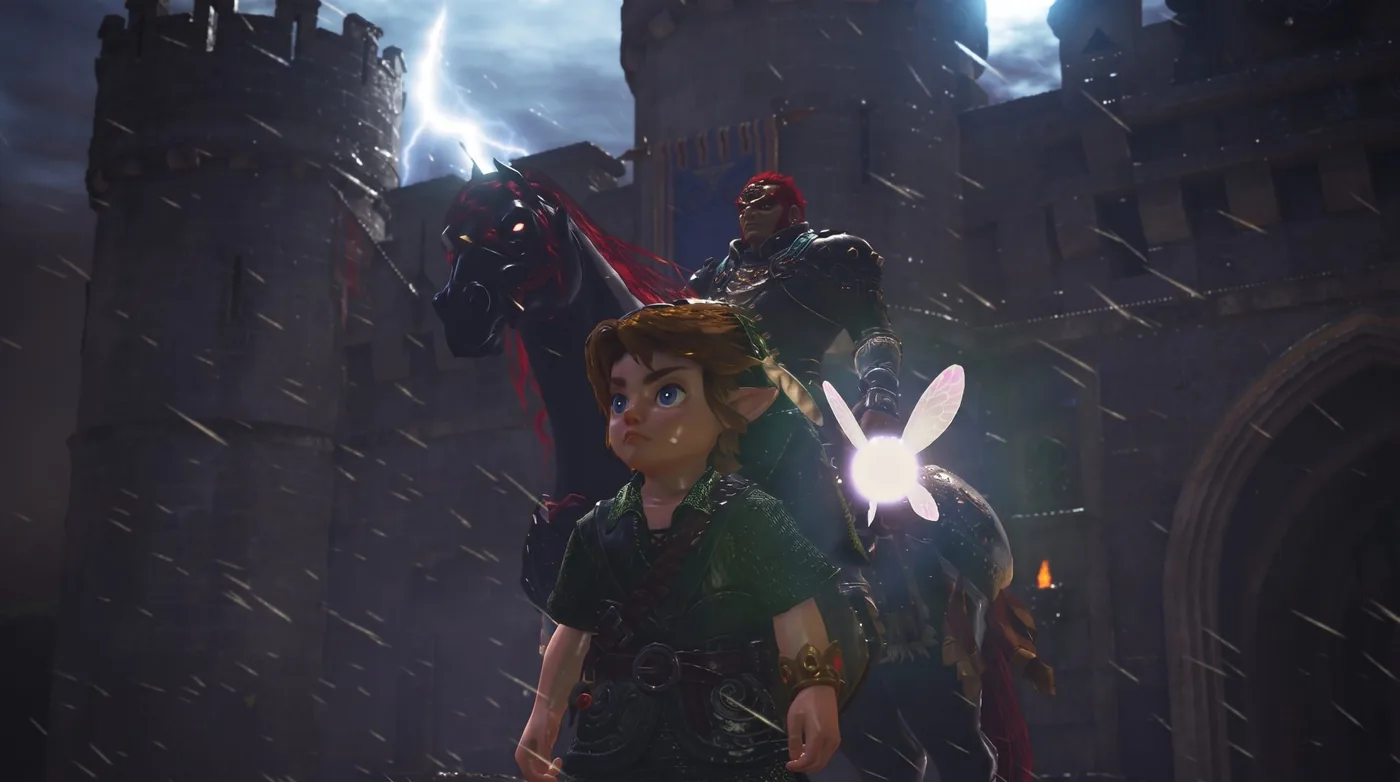
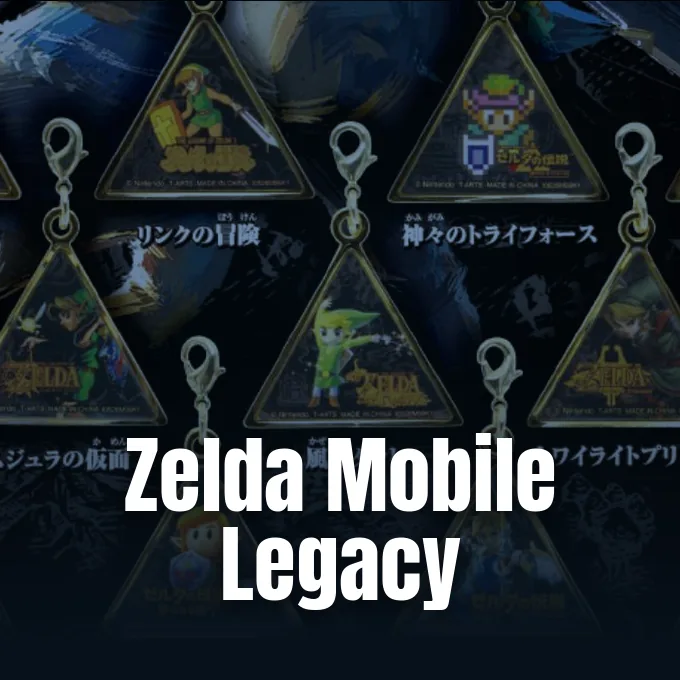
Even as Nintendo celebrates Zelda 40th in weekly mobile games and merch to engage casual phone users, main console entries need broader appeal to justify large budgets. Ellis said the Nintendo team couldn’t keep relying on the 1998 formula introduced by Ocarina of Time on Nintendo 64 when sales trends showed that player interest shrank with each release [2]. Nintendo needed a fundamental change in how it built adventure games for Link and Zelda [1].
The Turn Toward Open Worlds
Nintendo answered those troubling focus group reports by rebuilding Hyrule from scratch for Breath of the Wild. Released in March 2017 for both the Wii U and the original Nintendo Switch, the game abandoned rigid item gates and locked temple sequences [1]. Instead of forcing Link along a preset sequence of dungeon keys, the design provided core abilities right on the opening plateau [3]. Players were free to climb any mountain, tackle shrines in any order, or head straight toward the final boss in Hyrule Castle [1].
The creative gamble transformed the sales standing of The Legend of Zelda overnight [2]. Official sales figures show that Breath of the Wild sold 34.28 million copies on the Nintendo Switch alone, making it the top-selling entry in franchise history by a massive margin [3]. Breath of the Wild moved nearly ten times as many copies as Skyward Sword managed on the Wii [1]. The influx of newcomers proved that removing old barriers didn’t alienate players, but instead drew tens of millions of new buyers to Nintendo platforms [2].

The sales wave continued with The Legend of Zelda: Tears of the Kingdom in 2023, which has sold 22.90 million copies so far [2]. Both open-air adventures proved that Ellis and Yang’s focus group worries had been answered through bold mechanical reinvention [3]. The open design philosophy also influenced subsequent smaller releases from Nintendo, including the remake of Link’s Awakening and the top-down adventure Echoes of Wisdom [1]. The series was no longer fighting for relevance among a shrinking pool of long-time fans [2].
Breath of the Wild Sales Surge
The massive contrast between eras frames the ongoing debate over what future Zelda games should look like [1]. Combined sales for Breath of the Wild, which sold 34.28 million copies, and its direct sequel Tears of the Kingdom, which sold 22.90 million copies, established a scale of success that The Legend of Zelda had never touched during its previous three decades [2]. Historic retail demand gave Nintendo confidence to invest heavily in expansive production budgets and long development schedules [3]. It also created a generation of players who know Zelda primarily as an open-air exploration playground in Hyrule rather than a sequence of puzzle boxes [1].
Yet the appetite for older formats didn’t vanish with the arrival of open worlds. When the Nintendo Switch 2 edition of The Legend of Zelda: Ocarina of Time launched, it sold 5.2 million copies in its first four days, becoming the fastest-selling game on the new system so far [3]. The rapid four-day launch confirmed that millions of Nintendo players still enjoy tightly directed dungeon crawling [1]. The strong launch challenged the idea that open worlds are the only viable path forward for the property [3].
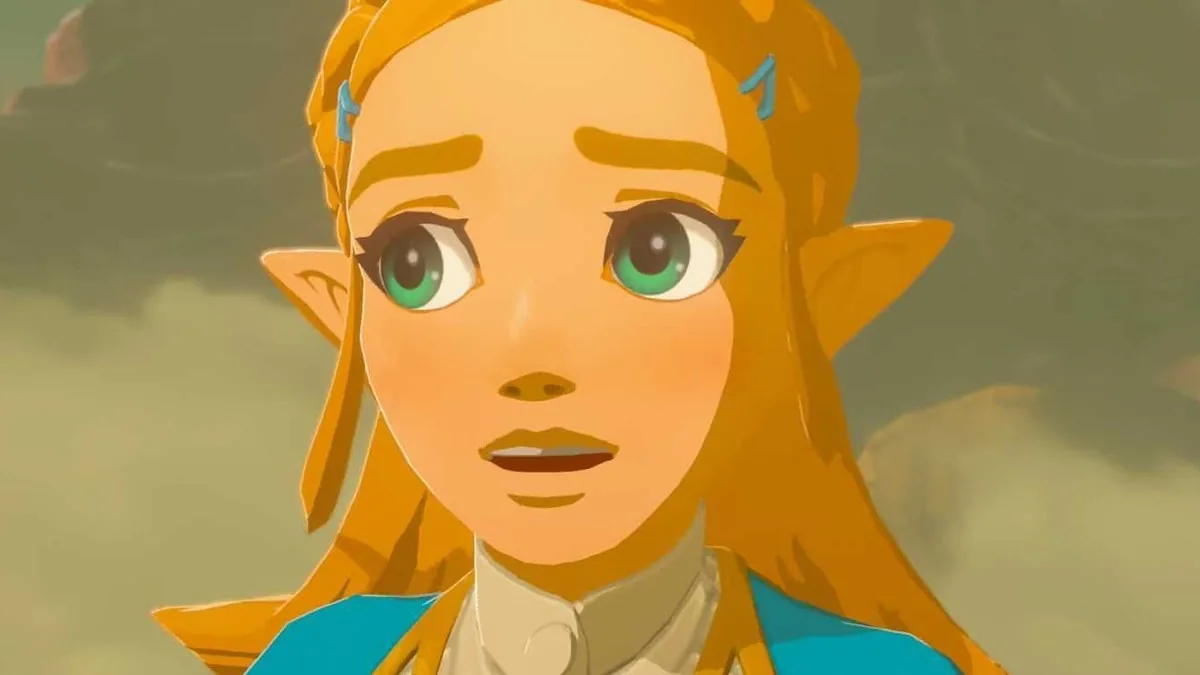
The Ocarina of Time remake benefits from concise dungeon layouts and deliberate pacing that let players finish intricate chambers in a single evening without having to cross vast open plains in Hyrule. It offers immediate focus [4]. Ellis said the commercial reception of Ocarina of Time on Nintendo Switch 2 proves audiences still cherish classic design values, though that demand now lives within a market vastly broadened by Breath of the Wild rather than the dwindling market of 2011 [3].
Future Direction for Mainline Games
The conflicting retail successes have left fans wondering how series producer Eiji Aonuma will balance competing design philosophies in the next mainline project for Nintendo [4]. Nintendo now holds proof that both approaches can sell millions of copies on modern hardware like the Nintendo Switch 2. Yang said on the podcast that she would love to see a hybrid direction that incorporates classic, complex dungeons into an expansive open landscape [3]. A blended design could satisfy traditionalists who miss bespoke puzzles while preserving the free exploration that newcomers expect from Zelda [1].
Ellis preferred a modern attempt at a classic Zelda game without open-world mechanics. “I’d like to see a modern attempt on a classic Zelda game,” Ellis said during the broadcast. Since Skyward Sword in 2011 was the last classic 3D entry, a retro adventure from Nintendo would stand apart from recent releases [3].
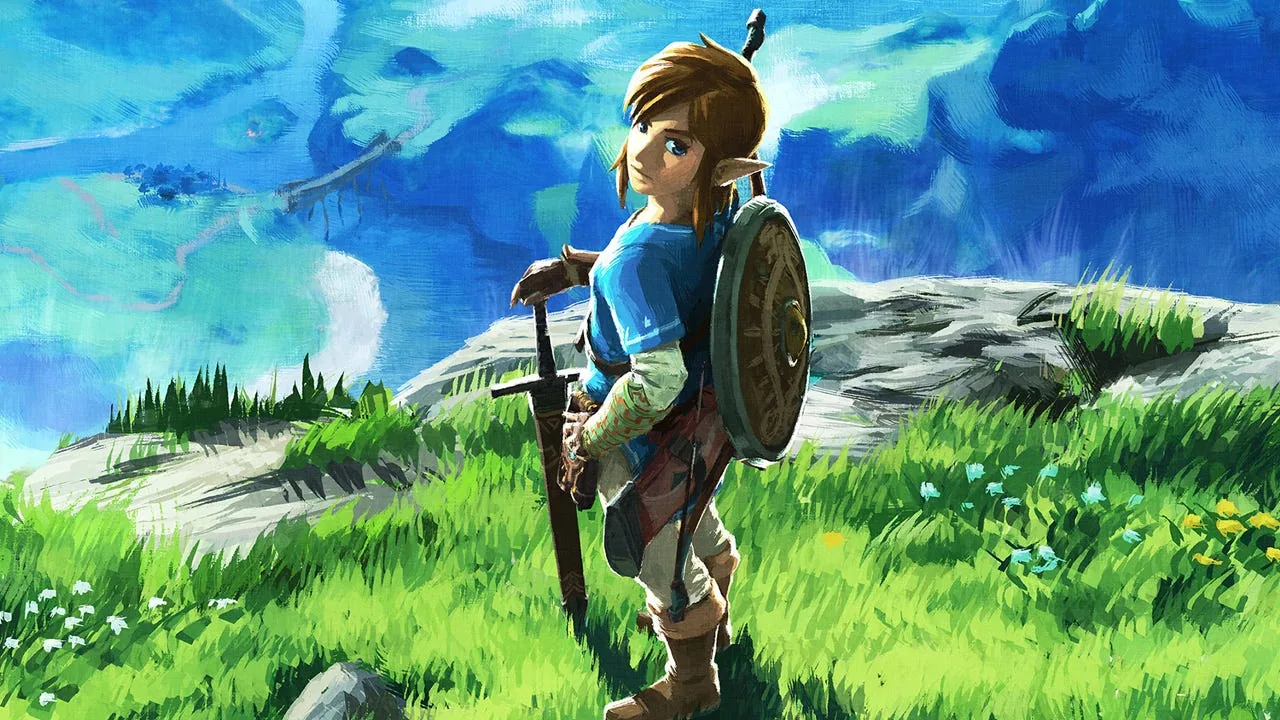
Nintendo approaches its next hardware generation with the commercial health of The Legend of Zelda fully secured [4]. The dark days of shrinking focus group numbers that worried Kit Ellis and Krysta Yang during the Wii era have given way to historic sales across multiple Nintendo systems [1]. The series is thriving [4]. Because millions of players now buy both open-world journeys and classic remakes, series producer Eiji Aonuma and the Zelda team can experiment freely from a position of financial strength while deciding how Link’s adventures will expand next [2].
- ONLINE NEWS Serin, K. (2026, November 13). Interest in The Legend of Zelda was “getting smaller and smaller” before Breath of the Wild saved the series, according to former Nintendo marketing leads. Eurogamer.net. [Article Link]
- ONLINE NEWS Bevan, R. (2026, November 13). Former Nintendo Marketing Leads Argue Breath of the Wild Saved the Legend of Zelda Franchise From a Dwindling Playerbase and Low Sales. IGN. [Article Link]
- ONLINE NEWS Lewis, C. (2026, November 13). The Legend of Zelda was in “dire straits” before Breath of the Wild, former Nintendo marketing leads say: “They were selling, like, nothing”. GamesRadar+. [Article Link]
- ONLINE NEWS De Meo, F. (2026, November 13). Zelda: Ocarina of Time Remake Sells 5 Million in Four Days, Yet Former Nintendo Leads Say The Series Sold “Like Nothing” Before Breath of the Wild. Wccftech. [Article Link]
- WEBSITE Ellis, K., & Yang, K. (2026, November 13). How Will Ocarina of Time Influence the Next Zelda Game on Switch 2? (EP249) [Video]. YouTube. [Article Link]


