





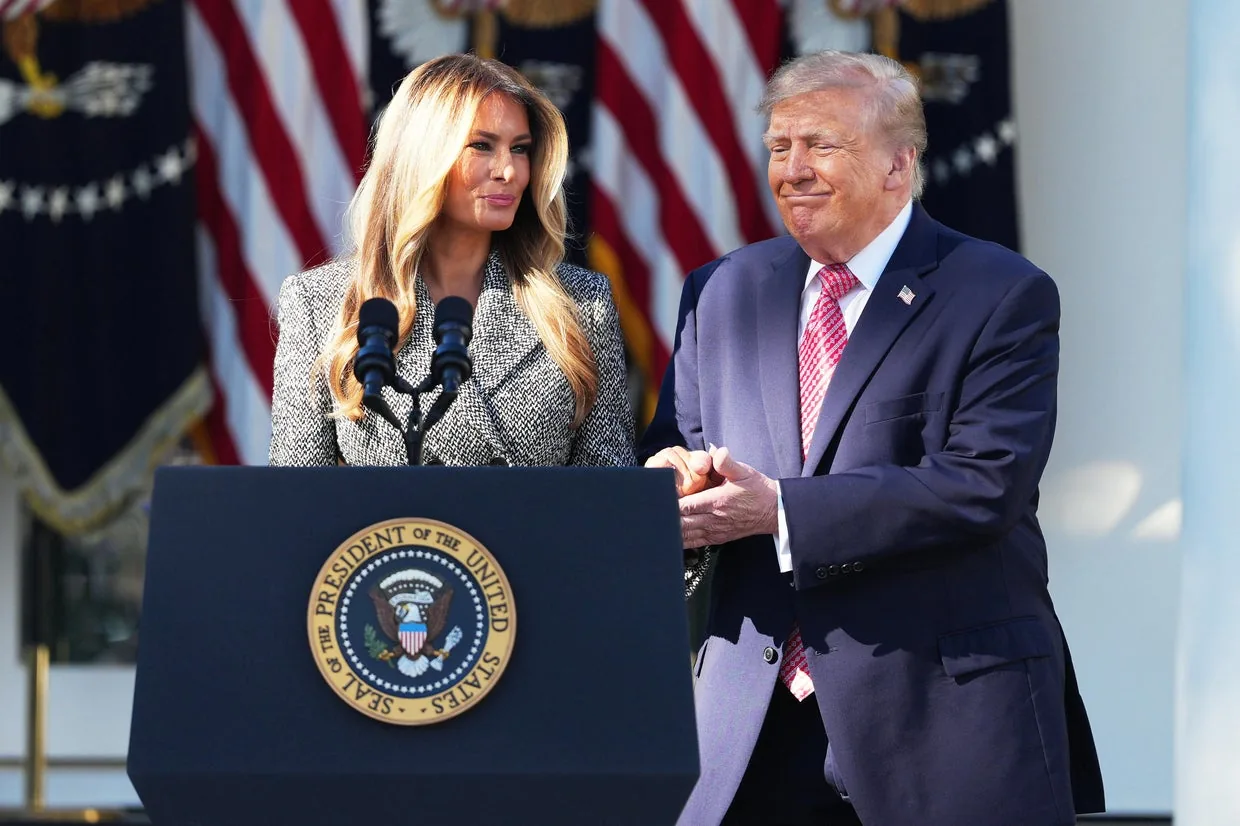
President Donald Trump signed an executive order on Monday establishing a women’s health division at the National Institutes of Health and creating a White House task force in Washington [1]. The signing took place in the Rose Garden with First Lady Melania Trump, who outlined goals to speed up treatments and lower care costs for female patients across the country [3]. Melania Trump said the initiative marks a major commitment to medical discovery, stating, “Beginning today, we will change the reality of women’s health”. Trump said he wondered why such a unit had not existed previously, recounting that Melania told him federal agencies had never formed one [1], [3].
Priorities for NIH Women’s Health Research
The executive directive orders Health and Human Services Secretary Robert F. Kennedy Jr. and the NIH to create the new branch within 90 days inside an existing institute [1],. While the agency has operated an Office of Research on Women’s Health since 1990, federal officials said that this unit will stay in place to work with the new group [2]. Melania Trump added her signature to the document after the president finished signing. She outlined targets to direct research funding to neglected illnesses, use artificial intelligence for discovery, accelerate new therapeutics, lower patient costs, and remove social taboos around female biology [3].
NIH Director Jay Bhattacharya welcomed the directive in a public statement. “This new division will help close lingering evidence gaps, expand and maximize the impact of our research investments, and bring discoveries closer to patients,” Bhattacharya said [2]. An NIH spokesperson said the unit will track studies throughout every stage of life and hold researchers accountable for tracking sex as a biological variable in federally funded labs [1].
Federal officials began planning a revised scientific agenda earlier in the year. In June, Nicole Kleinstreuer, deputy director for program coordination at the NIH, spoke at a Yale University School of Medicine conference in New Haven, Connecticut. The White House has increasingly relied on centralized directives to reshape federal science, matching patterns seen in earlier executive orders on artificial intelligence policy [1].
The White House Task Force
White House Chief of Staff Susie Wiles will lead the new task force with Health and Human Services Secretary Robert F. Kennedy Jr. in Washington [1],. Wiles received a breast cancer diagnosis in March, stayed on the job during her treatment, and announced in September that she is cancer-free, earning praise from Trump during the Rose Garden ceremony. “Susie recently won her battle against a very tough opponent, breast cancer,” Trump said. “It wasn’t easy. We went through it, we got her through it, and she’s tough” [3].
The task force brings together several cabinet officials in Washington. Members include Health and Human Services Secretary Robert F. Kennedy Jr., Defense Secretary Pete Hegseth, acting FDA Commissioner Kyle Diamantas, and CDC Director Erica Schwartz [1]. White House spokeswoman Allison Schuster said the team will focus on widespread conditions that affect women in every decade of life [3]. The team will coordinate with cabinet leaders to translate laboratory findings into public health guidance [1], [3].
The Department of Health and Human Services will pay operating costs for the group. The task force held its first working session on Monday afternoon to set initial priorities. Federal health agencies are managing these new responsibilities amid wider institutional shifts, including staff cuts at the CDC that have altered research operations. Task force leaders plan to review existing grant programs before proposing new interagency funding initiatives [1], [2].
Why Trials Excluded Female Biology?
Why did female biology remain understudied in laboratory research for so long? For decades, clinical trials excluded female subjects due to fluctuating hormone cycles and assumptions that male data could simply be applied to everyone. Basmah Safdar, an emergency medicine physician and director of Women’s Health Research at Yale University School of Medicine, addressed this imbalance in The Lancet. Safdar wrote that reframing research through biology corrects a health-care system built on incomplete science and missed opportunities, warning that continuing to ignore female physiology drives up long-term medical spending [1].
A 2025 review in Science Advances found that historical neglect leaves women facing higher risks of adverse drug reactions and undiagnosed strokes, while cardiology literature documents comparable diagnostic blind spots [1],. In a 2000 paper in the New England Journal of Medicine, researcher Elizabeth G. Nabel reported that women were seven times more likely than men to be misdiagnosed or sent home from emergency rooms during an active heart attack [5]. Women admitted to hospitals in the United States also received fewer preventative prescriptions [1].

Disparities also persist in how doctors recognize acute coronary syndromes in women. In Arteriosclerosis, Thrombosis, and Vascular Biology, researcher Haisam Khraishah, R. Daher, M. Garelnabi, G. Karere, and F. K. Welty showed that standard diagnostic criteria frequently miss ischemic events in female patients. Symptoms often diverge from men. The authors said integrating sex-specific risk factors into clinical protocols is necessary to catch heart disease earlier [6].

Translating Women’s Health Division Findings to Hospitals
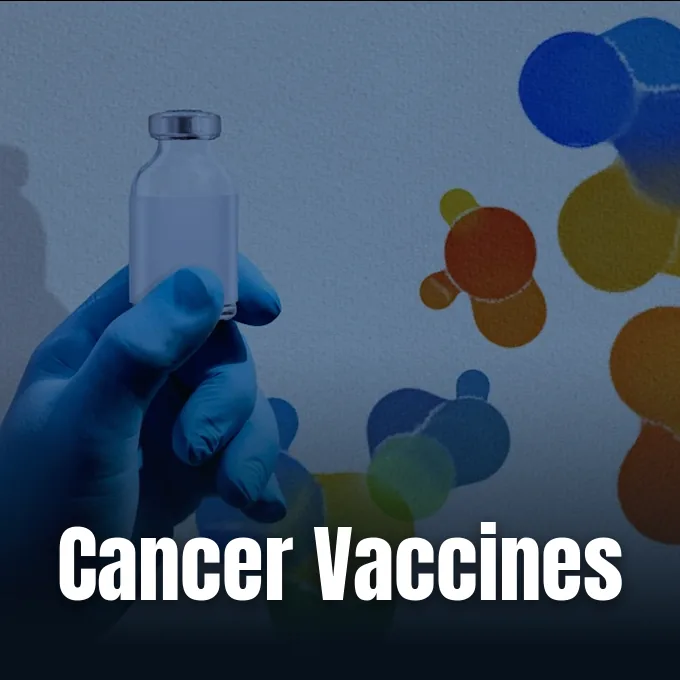
The newly formed women’s health division is designed to collaborate with the existing Office of Research on Women’s Health rather than replace it [1],. While the legacy office tracks representation and develops broad policy recommendations, this new group will concentrate on translational medicine and targeted grant distribution [2], [4]. The 1990 office remains open [2]. The executive order gives agency leadership 90 days to integrate the unit into a host institute. NIH leadership in Bethesda, Maryland, has not yet detailed the internal staffing size [1].
HHS, the Food and Drug Administration (FDA), and Director Jay Bhattacharya identified key medical conditions for the division to target. The portfolio includes cardiovascular disease, Alzheimer’s disease, endometriosis, uterine fibroids, polyendocrine metabolic ovary syndrome (PCOS), and osteoporosis [2], [4]. It also targets autoimmune and inflammatory disorders, which strike female patients at significantly higher rates than men. Infertility, maternal health complications, and menopause care are slated for new funding under the White House mandate [2], [4].
Clinical translation remains the primary benchmark for the unit [2]. Agency leaders hope dedicated grant streams will encourage biotechnology companies to develop diagnostic tests calibrated for female biomarkers [1],. Federal laboratories are testing whether specialized screening protocols can detect aggressive malignancies earlier, an objective that intersects with cancer vaccine trials at the NIH designed to target specific tumor antigens. This bridge between laboratory science and hospital care aims to speed up the delivery of novel therapies [2].
Budget Friction and Federal Spending
The NIH spends roughly $5 billion annually on women’s health research, but the new order does not specify how much fresh funding will flow into the division. The administration’s spending proposals have raised concerns among biomedical investigators. For fiscal year 2026, the White House sought a 40% reduction in federal spending for the institutes, but lawmakers in Congress rejected that plan, and for fiscal 2027 the administration requested a cut of about $5 billion from the NIH budget [2].
Funding disputes have coincided with disagreements over terminology and grant oversight. Early in the second Trump administration, academic scientists reported that grant applications containing words such as “women” faced extra administrative reviews because officials viewed them as tied to gender ideology. Those reviews slowed grant distribution [1]. A separate executive action signed by Trump aimed to give political appointees direct authority over NIH grant awards [2].
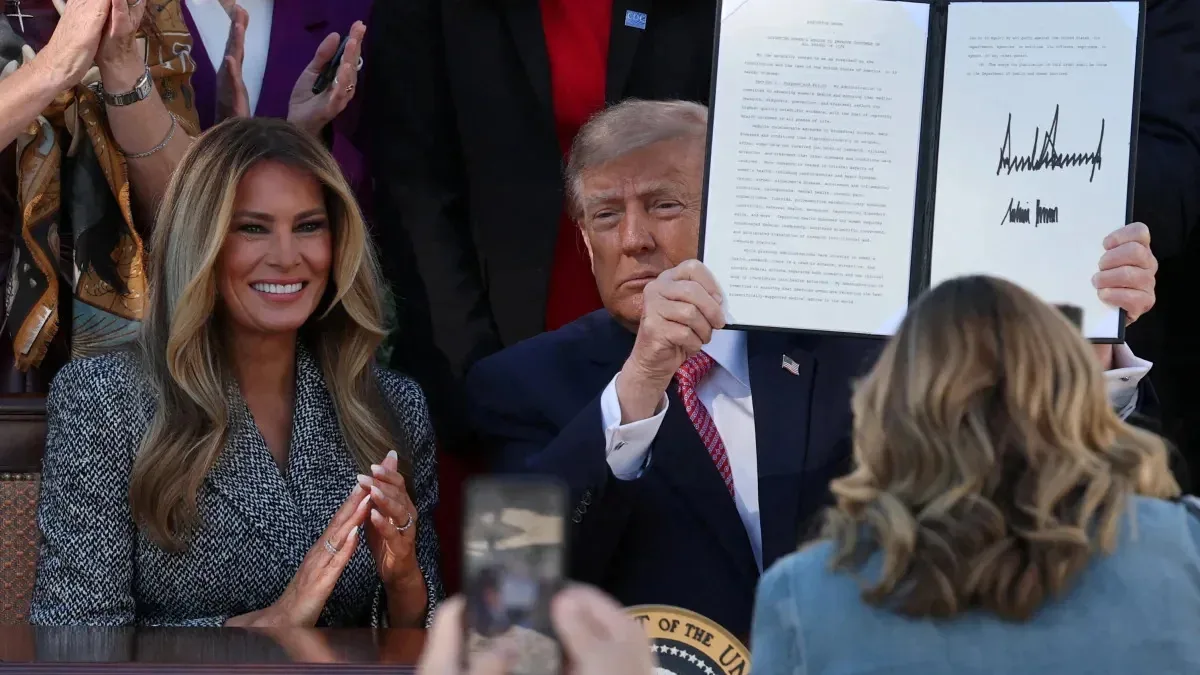
Monday’s order also replaced previous White House policies. It officially revoked a March 2024 executive order issued by President Joe Biden and a November 2023 memorandum that established a women’s health initiative championed by First Lady Jill Biden and President Joe Biden in Washington [2],. The policy change comes as the administration pursues other regulatory shifts, including reviews of the medication abortion drug mifepristone and alterations to safety standards for hormone therapies. Grant requirements were also modified [4].
Translating Science to Patient Care
Federal health leaders want to close evidence gaps over a patient’s lifespan by turning laboratory findings into standard clinical care [1], [2]. Historically, medical treatments approved by regulators were tested primarily on male subjects, leaving physicians with little guidance on how drugs metabolize differently in women. Men were the default standard. The new initiative aims to correct these blind spots by requiring clinical investigators to analyze outcomes by sex [1], [4]. Better data could prevent adverse reactions and help doctors detect chronic illnesses years before severe symptoms emerge [1].
Maternal health and reproductive disorders represent another major area targeted for further study. Conditions like endometriosis and PCOS affect millions of women but often take years to diagnose accurately [2], [4]. By prioritizing research grants for gynecological and endocrine disorders, the NIH hopes to accelerate diagnostic tests that primary care doctors can administer during routine checkups, delivering affordable therapies for working families [2], [3].
Whether the initiative succeeds will depend on funding stability and sustained scientific cooperation [1],. While establishing a permanent women’s health division creates a formal institutional home for female health research, scientists will watch to see if congressional appropriators provide the resources needed to match the administration’s stated goals [2]. As Trump said during the Rose Garden signing, many conditions affecting women remain chronically understudied. NIH leadership in Bethesda, Maryland, and academic medical centers will need steady funding and rigorous trial designs to deliver clinical progress [1], [2].
- ONLINE NEWS Cooney, E. (2026, October 19). Trump orders creation of NIH division, task force on women’s health. STAT. [Article Link]
- ONLINE NEWS Rosenberg, Y. (2026, October 19). Trump Orders New NIH Initiative on Women’s Health. Yahoo! Finance. [Article Link]
- ONLINE NEWS Watson, K. (2026, October 19). Trump signs executive order creating women’s health division within NIH. CBS News. [Article Link]
- ONLINE NEWS Hubbard, L. (2026, October 19). Trump signs order creating new NIH division, task force for women’s health. The San Joaquin Valley Sun. [Article Link]
- ACADEMIC JOURNAL Nabel, E. G. (2000). Coronary Heart Disease in Women — An Ounce of Prevention. New England Journal of Medicine, 343(8), 572-574. [Article Link]
- ACADEMIC JOURNAL Khraishah, H., Daher, R., Garelnabi, M., Karere, G., & Welty, F. K. (2023). Sex, Racial, and Ethnic Disparities in Acute Coronary Syndrome: Novel Risk Factors and Recommendations for Earlier Diagnosis to Improve Outcomes. Arteriosclerosis, Thrombosis, and Vascular Biology, 43(8), 1369-1383. [Article Link]
APA 7: PerEXP Teamworks. (2026, October 20). Trump Signs Order Creating NIH Women’s Health Division. PerEXP Teamworks.


