




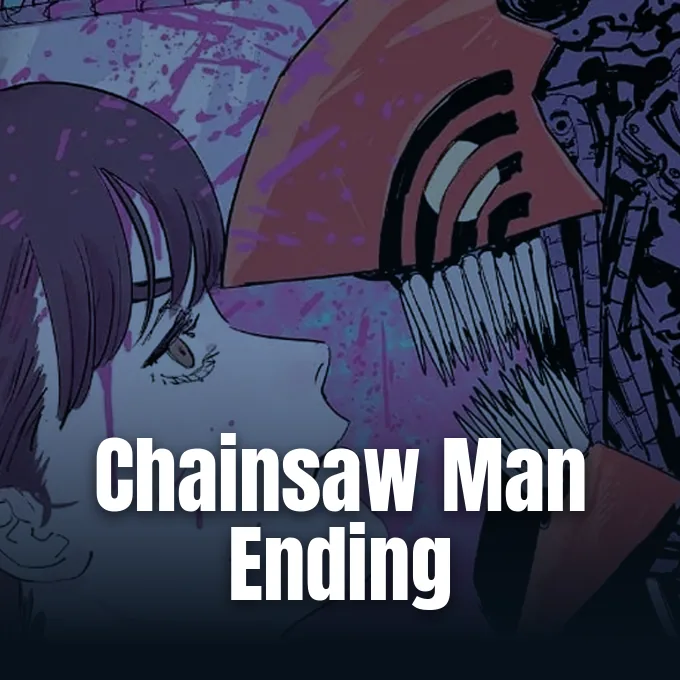
The abrupt conclusion of Chainsaw Man Part 2 sparked widespread discussion among manga readers after Chapter 232 brought the ongoing narrative to an unceremonious halt. While fans spent weeks crafting elaborate explanations to rationalize the strange finale, author Tatsuki Fujimoto revealed that the divisive Chainsaw Man ending grew out of an unforgiving serialization schedule. Working under tight deadlines stripped away any chance to plot ahead [1].
Weekly Deadlines Left No Room for Plotting
Fujimoto explained that producing nineteen pages every seven days leaves almost no realistic room to develop a detailed story outline before starting work on a new chapter. Instead of writing out a complete script, he routinely jumped straight into creating draft storyboards, known in the industry as name (the Japanese term for manga storyboards). “When you have to draw 19 pages in seven days, you don’t have time to write a plot first,” Fujimoto said [1].
Drawing under such constant pressure erased the mental space needed for careful story construction or patient reflection. The mangaka found himself constantly pushed by publication cutoffs, leaving him with no choice except to trust his fictional cast and grab whichever narrative ideas were closest at hand during drawing sessions. “You’re so hounded by deadlines that you have no choice but to trust the characters and grab whatever is nearest to you,” he said. The process demanded fast decisions. Rather than planning twists several weeks in advance, Fujimoto ended up discovering the direction of the chapter panel by panel as ink hit paper [2]. Surviving the serialization meant letting go.
Fujimoto shared these behind-the-scenes realities during a casual talk with director Kohei Kadowaki, who is currently directing the upcoming animated movie project titled We Are Aliens. Their discussion, recorded over a meal of grilled meat, was published on the NOTHING NEW™ channel on YouTube. Kadowaki listened as Fujimoto described how drawing without an outline changed his relationship with his own art [1].

Why the Chainsaw Man Ending Embraced Chaos
Losing control of a narrative would panic most professional writers, but Fujimoto welcomed the unpredictability. Over time, accepting the unexpected became his main strategy for surviving serialization. “You lose the luxury of overthinking things. Things slip out of your control, right?” Fujimoto said. “I personally enjoy things being outside my control, so I just roll with it.” He felt that an author who resists that feeling cannot last long on a weekly magazine schedule [2].
This attitude helps clarify why Chainsaw Man often takes abrupt turns into dark comedy and surreal situations. When characters act on their own impulses without an author steering every beat, the story naturally drifts away from standard shonen tropes. It isn’t a conventional storytelling method, but it gave the narrative its unfiltered raw energy, which ultimately shaped the unconventional Chainsaw Man ending into a study in creative surrender [1].
Industry expectations around weekly manga output place heavy strain on creative partnerships at Shueisha. Recent changes on the platform, such as Shonen Jump Plus cuts ties with Chainsaw Man editor Shihei Lin, show how editorial relationships evolve as serialized properties grow in popularity. When weekly schedules tighten, creators have fewer voices to consult before sending chapters off to print [2].
One-Shots Versus Relentless Serialization
The frantic nature of weekly serialization stands in stark contrast to how Fujimoto handles standalone manga. When preparing a standalone one-shot project, the author takes plenty of time to build a story outline before drafting the name (storyboard) that guides the art. Standalone works allow the author to step back, refine concepts, and organize emotional arcs with care. Weekly publication completely removed that breathing room [1].
Fujimoto said that the luxury of one-shots comes from having space to converse with his ideas and draw from personal experience. “With one-shots, you have the room to reflect deeply and converse with the story—in fact, that’s what makes it fun. It’s fascinating, isn’t it? Digging into your past and transmuting it into a story,” he said. That creative dialogue simply cannot happen when seven days determine whether nineteen pages get drawn on time [2].
That contrast helps readers understand why the later chapters of Part 2 felt so impulsive. When an author doesn’t have the time to reflect on past events, instincts take over the drawing table. Characters react to incoming threats rather than unfolding a grand plan. Fujimoto let that organic momentum lead the way until the final page of Chapter 232 was turned in [1].

The Big Lebowski and Sublime Absurdity
While the busy weekly schedule clearly shaped how the manga took form, Fujimoto’s preference for unresolved storytelling was also a deliberate creative choice. In an interview published by Da Vinci Magazine, the author explained that he enjoys throwing unrelated gags and sudden detours into his manga to distract readers from conventional story paths. He connected that philosophy to his admiration for the cult comedy film The Big Lebowski. He recalled wondering what the film was even about after watching it, noting that nothing was resolved and events felt meaningless, yet the protagonist still developed as the story progressed. Fujimoto loved that “sublime absurdity” and explained that he wanted his manga to leave readers with that exact kind of aftertaste [2].
Fujimoto wanted readers to close the magazine with that exact sense of sublime absurdity. Rather than seeking neat closure or answering every fan theory, he viewed the Chainsaw Man ending through the lens of unconventional cinema and experimental comedy. The goal wasn’t to resolve every lingering subplot, but to make sure the protagonist grew as a person amid the chaos. Readers who expected neat answers found themselves in the same bewildered state as the viewers of the comedy [1].
Denji’s journey exemplifies this balance. The protagonist experiences genuine maturity even when events spiral into surreal comedy. By refusing to deliver a predictable finale, Fujimoto honored his artistic taste rather than yielding to fan expectations. He stayed true to his vision of purposeful nonsense [2].

Tatsuki Fujimoto Interview Leaves Closure in Question
Following the release of Chapter 232, readers published essay-length analyses across forum boards trying to decipher what they assumed was complex symbolism behind the sudden conclusion. Yet Fujimoto’s statements to Kadowaki show that many of those theories read far deeper than what was ever drawn on the page. The explanation wasn’t a hidden riddle; it was the natural outcome of a mangaka navigating heavy weekly output. Deadlines erased any quiet deliberation [2].
The conversation also casts doubt on whether fans should expect a third part of the manga anytime soon. While Fujimoto didn’t rule out future projects, he spoke about the simple relief of completing a massive work. “The moment I finish drawing, I feel, “I’m so glad I drew this,”” he told Kadowaki. He sounded like an artist content with setting down his pen after a grueling marathon [1].
In retrospect, the new Tatsuki Fujimoto interview leaves readers with a much clearer appreciation for why the manga wrapped up without conforming to traditional expectations. Chainsaw Man never aimed to provide comfortable resolutions or predictable hero journeys. By leaning into chaos, Fujimoto allowed his characters to guide the story to an offbeat finish. Debates among online communities about the Chainsaw Man ending will likely continue for months, but the creator has already moved forward with a sense of relief [2].
- ONLINE NEWS Pierce, M. (2026, October 3). Chainsaw Man Creator Tatsuki Fujimoto Says Manga’s Weekly Schedule Left No Time to Plan, So He Had to “Trust the Characters”. OtakuKart. [Article Link]
- ONLINE NEWS Nair, R. (2026, October 2). New Fujimoto Interview Explains Why Chainsaw Man Ending Is The Way It Is. Animehunch. [Article Link]


