





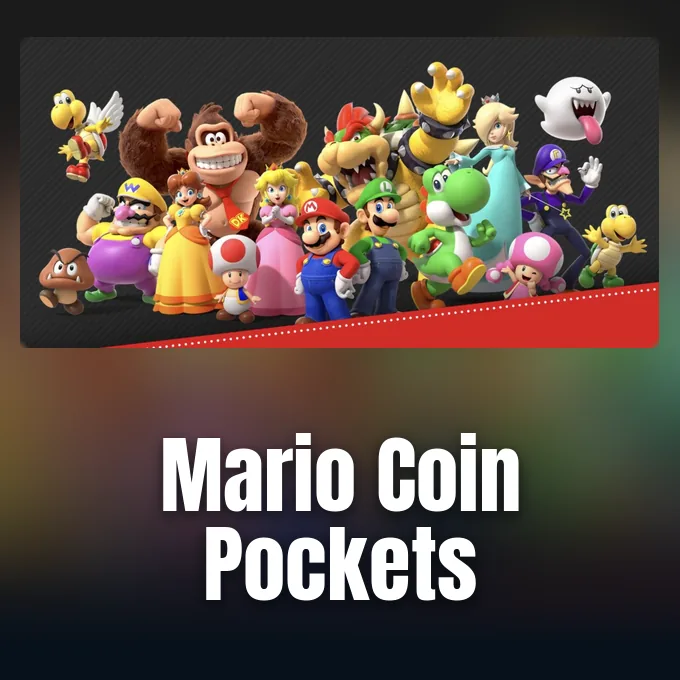
Nintendo quietly refreshed its official digital storefronts with an unexpected visual polish that immediately caught video game enthusiasts off guard. For 45 years, the Mushroom Kingdom’s signature hero leaped across volcanic caverns and starfields while his pants remained flat decorative illustrations. Official Super Mario renders published across international portals now grant the plumber functional coin pockets stitched directly into his blue denim overalls. The unannounced asset rollout surfaced on September 18, 2026, without an accompanying press conference [1].
Super Mario Renders Reveal Functional Denim Coin Pockets
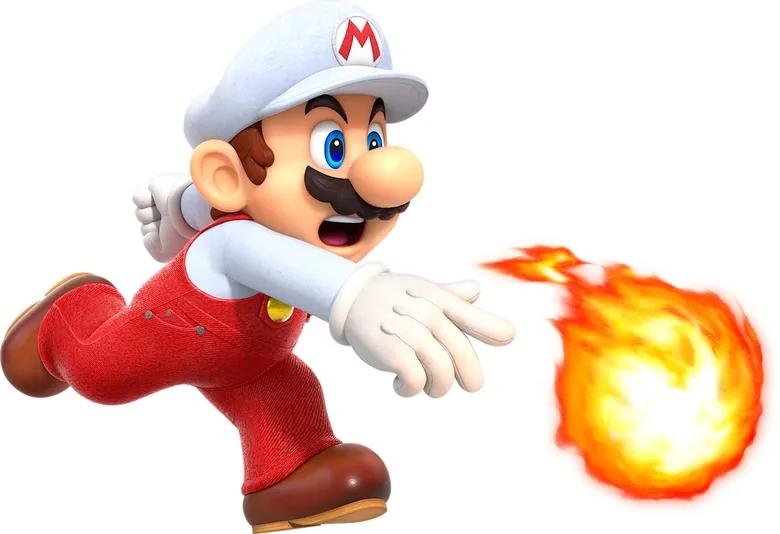
Kotaku writer Zack Kotzer observed that Mario’s classic workwear historically resembled painted latex rather than authentic utility clothing. Throughout decades of confronting dragons, apes, and extraterrestrial invaders, the plumber managed Super Mushrooms and Fire Flowers without any visible compartment giving way under pressure. The revised model introduces a dedicated coin pocket (the miniature compartment traditionally sewn into denim workwear) resting snugly along his right hip. Observers noted that while Mario never struggled with magical inventory, carrying small everyday objects like grocery receipts or pocket lighters now looks physically plausible [1].
Structural adjustments extended to corporate branding as well. Reporting from kotoo.com highlighted that new Super Mario renders accompanied changes to the series logo, which shifted from a stacked vertical layout into a streamlined horizontal bar displaying softened color saturation and subtle gradient shading [4]. Video producer GameXplain analyzed the revised character mesh in detail, commending the distinct denim weave that finally supplies Mario’s trousers with genuine textile volume. The rigid visual styling that persisted since Super Smash Bros. Melee gives way to flexible cloth that folds naturally around his waistline [1].
Physical ergonomics have altered how animators treat the character’s traditional silhouette. Kotzer highlighted that while Mario’s overall build still honors the rounded proportions of early animation icons like Mickey Mouse, the newly tailored overalls possess genuine physical give. In earlier generations, ground pounding onto cobblestone blocks would theoretically crush whatever was lodged against the hero’s hips. The presence of discrete pocket space suggests modern artists want character models to feel tactile and grounded in everyday physics [1].
Can miniature garment seams reshape a hero’s iconic identity? Visual authenticity matters to long-time players [3].
Visual Overhaul Across the Mushroom Kingdom Cast
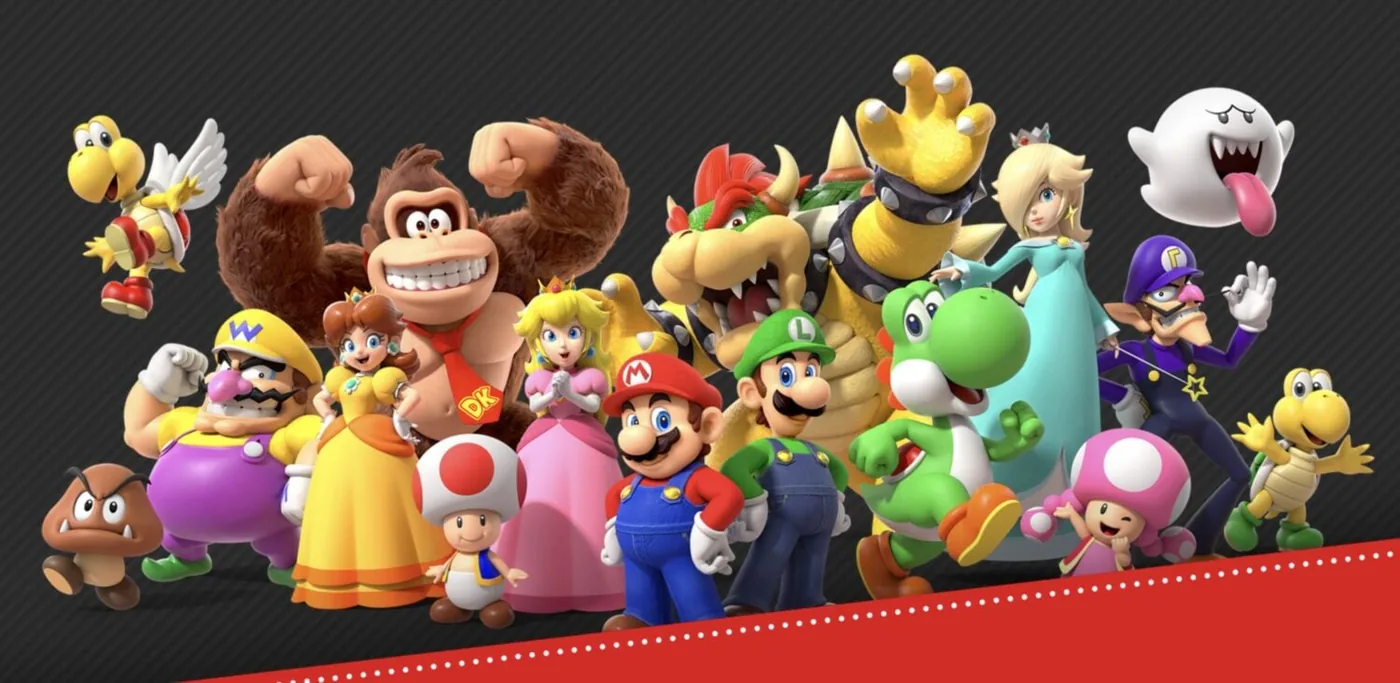
Mario was not the only resident of the realm undergoing aesthetic modernization. Patrick Dankers of NintendoReporters chronicled a comprehensive graphical refresh spanning nearly every principal figure in the Mushroom Kingdom catalog. Luigi steps forward with an elongated stride, lengthened limbs, and visible specks of fabric lint resting on his green cap. Illustrators replaced his customary anxious expression with a confident smirk, deploying rim illumination (the visual technique of highlighting silhouette boundaries against shadowy backdrops) to establish his physical height. Princess Peach showcases brocade embroidery woven across her royal dress, while Princess Daisy wears athletic sneakers marked by textured rubber soles and fiery orange hues [2].
Antagonists received equal refinement. Bowser exhibits microscopic reptilian scales across his muscular forearms, gleaming metal spikes lining his wristbands, and chipped enamel paint that hints at past battlefield encounters across his rugged shell. Directional studio lighting bathes half his visage in deep gloom, projecting an imposing silhouette tailored for dramatic throne room confrontations. Common foot soldiers benefit from identical shader passes. Goombas feature dried leaf textures across their brown caps, while Koopa Troopas display lustrous shells scored by delicate surface abrasions [2].
Royal allies and wilderness companions round out the lineup. Toad sports a plush velvet cap marked by graduated shadow tones on each red dot, matched by refined vest stitching and expanded mouth geometry that enables animated facial pantomime. Rosalina’s celestial gown glitters with micro-particles along the hemline, while her companion Luma exhibits subsurface light scattering (an optical rendering effect where light penetrates translucent surfaces before scattering outward) to produce an ethereal glow. Donkey Kong displays defined musculature beneath clumped fur fibers, complemented by a textured necktie crinkling under his colossal jaw [2].

Community Reactions to the Silent Character Redesign
Gaming enthusiasts detected the online modifications within minutes. Twitter commentator SwagKirb published side-by-side comparisons of the Super Mario renders on September 18, 2026, prompting conversations across international forums [1]. Web researcher Stealth40k pointed out that Nintendo quietly uploaded the updated files directly to its promotional servers without issuing any accompanying press bulletin [3]. The lack of official fanfare sparked immediate community interest. Curious players zoomed into high-definition assets to inspect Mario’s facial mesh, identifying individual mustache strands that replace the uniform geometry seen in earlier promotional graphics [2].
Lighthearted commentary spread rapidly across social channels. Gamers playfully likened Mario’s immaculate white gloves to laundry detergent commercials, while Bowser’s scarred shell provoked fan illustrations envisioning the villain as a Nordic chieftain [2]. TournifyPK emphasized that audiences enjoyed contemplating how a veteran adventurer might finally store keys, coins, and spare items without dropping them during acrobatic ground pounds [5]. The collective enthusiasm demonstrated how miniature aesthetic touches capture gamer imagination during transitional industry periods [1].
Why did an unannounced wardrobe tweak provoke global speculation? Fans recognize that Nintendo updates primary character assets only when broader hardware or software initiatives are approaching debut [4].
Hardware Clues Pointing Toward Nintendo Switch 2
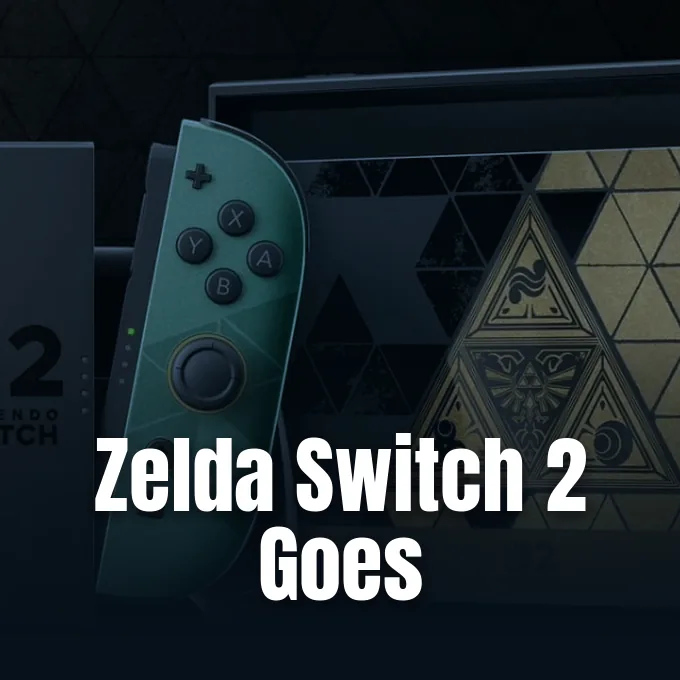
Patrick Dankers of NintendoReporters argued that comprehensive asset overhauls rarely occur in commercial isolation. The elevated polygon density and sophisticated cloth shaders showcased in these Super Mario renders point directly toward active preparation for the upcoming Nintendo Switch 2 ecosystem. Specular reflections across Mario’s glassy eyes and subtle bending creases across his gloves require advanced shader pipelines to render effectively in real-time environments. Parallels emerged during the rollout of themed hardware like the Zelda Switch 2 40th anniversary edition, where visual enhancements directly accompanied platform transitions [2].
Enhanced graphical assets carry tangible functional consequences for future titles. Redesigned skeletal rigging (the underlying digital framework dictating how character joints flex) allows for expressive idle animations whenever the protagonist pauses between leaps. In-game transitions could smoothly connect cinematic story cutscenes with interactive sequences without noticeable drops in resolution. Prismatic crystal segments on Rosalina’s star wand hint at dynamic light refraction puzzles, while subsurface light diffusion on Luma enhances environmental immersion across fantasy landscapes [2].
Careful art direction safeguards character recognition across technological leaps. Nintendo harmonizes bold cartoon silhouettes with tactile micro-textures, ensuring that familiar mascots feel contemporary without losing their whimsical identity [2].
Mascot Evolution After Years Without a 3D Adventure
Curiosity surrounding these visual updates connects directly to the plumber’s extended absence from headline platforming adventures. GoNintendo emphasized that Nintendo has not published a brand-new 3D Mario platformer since October 2017 [3]. While the franchise remained active through sports releases and party packages, players continue waiting for a dedicated mainline chapter. Recent broadcast events concentrated primarily on other marquee franchises, leaving the series mascot represented through competitive expansions such as the Mario Kart World update [1].
Recent promotional broadcasts showcased Samus, Kirby, and Zelda as headline acts while Mario stayed on the sidelines [1]. Nevertheless, software houses seldom commit modeling resources toward refreshing an entire franchise lineup purely for static web displays. The quiet distribution of these Super Mario renders across international portals indicates that foundational visual assets for future releases are steadily taking shape [3]. Detailed denim weave, glove creasing, and facial warmth establish the foundation for whatever odyssey Nintendo presents next [4].
Corporate timing also aligns with broader historical milestones for the franchise. Nintendo Life reported that the fresh Super Mario renders and logo revisions followed the conclusion of official events celebrating the Super Mario 40th anniversary. Over four decades, the property expanded from basic 8-bit sprites into complex high-definition models without abandoning its central playful charm. Refreshing character art at the close of an anniversary cycle suggests Nintendo is shifting attention from legacy retrospectives toward its next hardware era [6].
Generational transitions demand reliable anchors. When Nintendo eventually reveals its next major adventure, Mario will stride into the arena wearing durable workwear equipped with functional coin pockets [1].
- ONLINE NEWS Kotzer, Z. (2026, September 19). Nintendo Gives Mario Those Little Coin Pockets With New Renders. Kotaku. [Article Link]
- ONLINE NEWS Dankers, P. (2025, May 21). Nintendo’s Fresh Super Mario Renders Raise the Curtain on a New Switch 2 Era. NintendoReporters. [Article Link]
- ONLINE NEWS GoNintendo. (2026, September 18). Nintendo quietly releases updated Super Mario logo and renders. GoNintendo. [Article Link]
- ONLINE NEWS kotoo.com. (2026, August 28). Mario’s New Look Includes Tiny Pockets? kotoo.com. [Article Link]
- ONLINE NEWS TournifyPK Editorial. (2026, September 19). Nintendo Gives Mario Those Little Coin Pockets In Newly Updated Renders. TournifyPK. [Article Link]
- ONLINE NEWS Nintendo Life. (2026, September). Nintendo Appears To Have Updated The Super Mario Logo. Nintendo Life. [Article Link]


