





More than 830 million people worldwide live with diabetes in 2026, marking the highest patient count ever recorded in global epidemiological data compiled by public health agencies [1]. Most of these patients live in low- and middle-income nations, and over 90% have type 2 diabetes, where the body can’t use insulin properly. Promising diabetes therapies bring hope, but therapy access remains uneven for millions of patients who need daily care [2]. Medical researcher Jamie Hartmann-Boyce says scientific progress only saves lives when families can obtain treatments.
The Global Burden
Type 1 diabetes forms the second most common variation of the illness, occurring when an abnormal immune response destroys insulin-producing beta cells in the pancreas [1]. For background on symptoms and diagnostic markers, PerEXP Teamworks offers a helpful type 1 diabetes guide on causes and care.
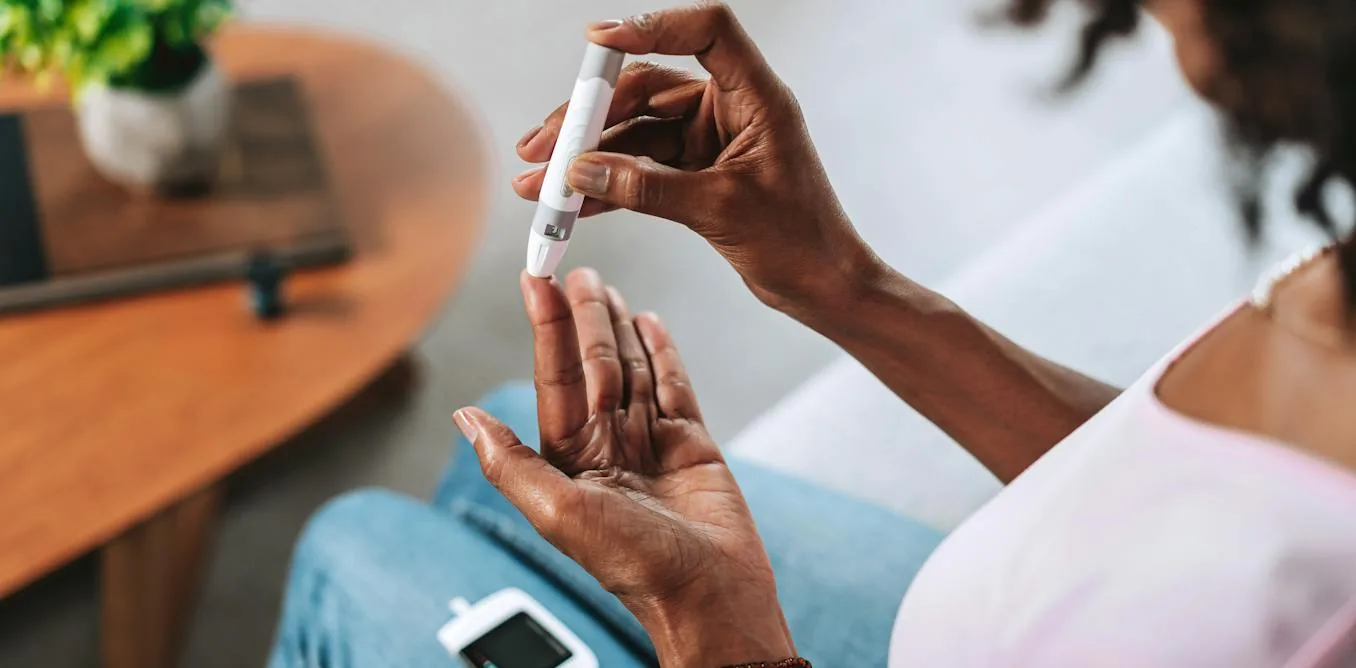
A global 2023 study published in The Lancet modeled the future path of the disease, projecting that more than 1.3 billion people will live with diabetes by 2050 [3]. Regional projections indicate that nearly 17% of people in North Africa and the Middle East could have diabetes by mid-century. Latin America and the Caribbean face an estimated prevalence of roughly 11%. Uncontrolled blood sugar carries high risks of early death and bodily complications, including vision loss, kidney damage, heart attacks, stroke, and painful nerve injury across aging patient groups [1]. Chronic disease also places heavy emotional strain on families in the United States, England, and Canada as daily routines demand vigilance against glucose swings. Patients must test their blood several times every day.
In September 2026, tennis star Alexander Zverev won the U.S. Open championship, and Medical Xpress reported his public advocacy with baseball player Garrett Mitchell, who won the World Series in October [1]. Reporting by The Conversation documented these achievements, spelling the athletes as Alexander Zerev and Garret Mitchell [2]. In November 2026, American voters elected James Talarico to the U.S. Senate, where he plans to fight for affordable medicine. New Hampshire representative-elect Stefany Shaheen, whose daughter lives with type 1 diabetes, also pushes for lower prescription costs [1].

Cell Transplants in Diabetes Therapies
Neither form of diabetes stems from a single cause, making universal cures difficult. Age, diet, and genetics influence type 2 onset, but type 1 arises from an interplay between inherited genes and environmental triggers. Clinical research on novel insulin-producing cells offers tangible hope for cell replacement [1].
Writing in Diabetes, Hering and Ricordi documented how surgical teams transplanted lab-grown beta cells or deceased donor islets into adult patients who suffered from recurrent, life-threatening drops in blood sugar. Most recipients in these trials reduced their daily insulin requirements, and several participants achieved full freedom from daily injections. Stable glycemic control shielded these patients from acute hypoglycemia, a condition that can trigger sudden seizures, loss of consciousness, or fatal diabetic coma in vulnerable individuals [1]. However, cell replacement faces a biological barrier because recipient immune systems recognize donor tissue as foreign and mount a defense against the newly transplanted islet cells. In the Journal of Clinical Investigation, Van Belle and von Herrath explained that the Edmonton protocol required lifelong immunosuppression drugs that damage human kidneys [2]. Drug toxicity often outweighs the transplant benefits.
To bypass drug toxicity, biomedical engineers now use gene editing to modify donor cells before transplantation so host immune cells fail to recognize them as alien targets [1]. Other laboratories design precision agents that stop killer T cells from damaging beta cells without harming broader infection immunity. These emerging diabetes therapies could protect transplanted islets, helping patients maintain healthy immune defenses against common pathogens and seasonal viruses [2]. Early laboratory models show that shielded cells survive for months without provoking rejection.
Can Early Screening Delay Progression?
Can targeted screening detect early disease before symptoms appear? Routine blood tests can identify islet autoantibodies months or years before high blood sugar produces noticeable signs such as excessive thirst or fatigue [1]. Early identification of autoimmunity allows doctors to intervene before beta cell destruction turns complete.
In the United States, relatives of people with type 1 diabetes can obtain antibody screening through clinic visits or mail-in blood kits. The humanized monoclonal antibody teplizumab represents a major step forward for early disease-modifying care [1]. In Diabetes Care, Mathieu and Herold explained that teplizumab binds to CD3 surface proteins on T lymphocytes, inducing immune cell exhaustion and fostering regulatory T cells to preserve pancreatic islets [4]. Clinical trials showed that teplizumab infusions delay progression to symptomatic stage 3 diabetes by up to three years [1]. Those three delay years give young children extra time to grow without facing frequent finger pricks and daily insulin injections. Parents in North America gain valuable breathing room to prepare for chronic care.

Healthcare researcher Jamie Hartmann-Boyce tested her own children through TrialNet, a clinical research partnership operating across North America, Europe, and Australia to monitor families at risk [1]. Her children showed no autoantibodies, but the family plans retesting since immune profiles can alter later. Because roughly 90% of individuals diagnosed with type 1 diabetes have no family history of the disease, family-focused testing misses most future patients [2]. European medical experts now call for population screening to catch childhood diabetes early.

Diet and Digital Interventions
Structured lifestyle changes show that type 2 diabetes remission is achievable without medication. In The Lancet Regional Health – Americas, Dasgupta and colleagues evaluated adults under 45 across England and Canada who followed a formula diet providing 800 to 900 kilocalories per day plus supervised aerobic training [1]. At six months, over half of participants achieved full diabetes remission without taking glucose-lowering prescription medication. Weight loss relieved fat accumulation inside the liver and pancreas, allowing natural insulin production to recover while physical activity helped skeletal muscles clear excess glucose from the bloodstream efficiently without medication. Dietary changes restored normal metabolic function in volunteers.
Artificial intelligence mobile applications also deliver personalized guidance for daily lifestyle habits. In Diabetes, Joshi and co-researchers evaluated Digital Twin technology in a three-year trial where a mobile application delivered custom guidance for diet, sleep, and physical activity. Among participants using the system, 53.6% maintained normal blood sugar levels without medication for three full years [1]. In contrast, patients receiving standard care in control clinics showed no lasting remission over the same study timeframe.
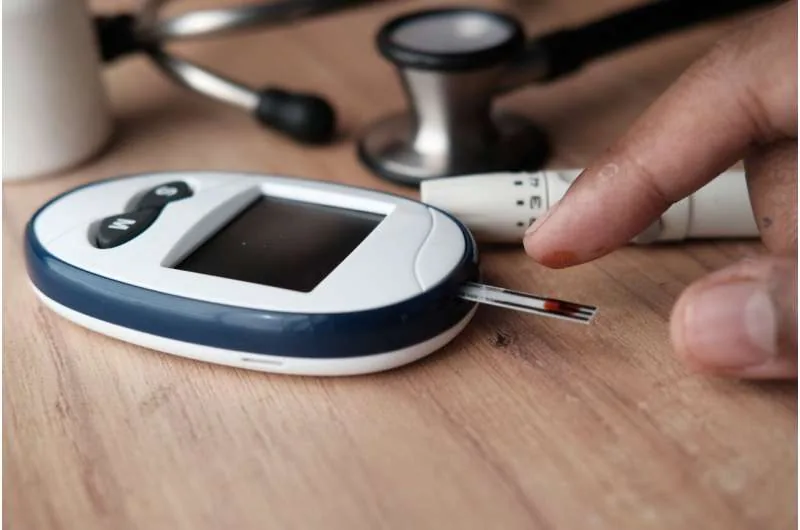
Continuous glucose tracking helps people observe how individual meals and exercise sessions alter their blood sugar curves [1]. Many patients gain clarity by using continuous glucose monitors for type 2 diabetes to watch real-time metabolic responses after meals. However, lifestyle changes alone can’t cure advanced cellular damage for every patient.
Emerging Diabetes Treatments
Incretin drugs have altered type 2 diabetes care around the world. In the Journal of the American Heart Association, Rosenzveig and Bhatt reported that GLP-1 receptor agonists reduce heart attacks, stroke, and kidney failure among high-risk patients who suffer from chronic cardiovascular disease. Analyzing the TriNetX platform, the authors found that five-year mortality dropped to 10.31% in patients receiving GLP-1 drugs compared to 14.49% for patients taking standard metformin in regular clinical care [1]. These medications also prevent diabetes onset in prediabetic adults.
Over a century after Canadian scientist Frederick Banting helped discover insulin, biochemical researchers continue searching for better delivery formulations. In 1923, Banting famously sold the insulin patent for one Canadian dollar, saying, “Insulin is not for me, it is for the world.” Today, scientists engineer resilient copolymer additives to protect insulin from breaking down when refrigeration is unavailable in rural areas or during extended power outages [1]. Writing in Biomacromolecules, Maikawa and Appel reported that adding amphiphilic copolymer excipients to commercial Humulin R produced by Eli Lilly prevented insulin clumping for four days at fifty degrees Celsius. Standard commercial insulin formulations in warm clinics degrade in less than a single day. Chemical stabilizers could ease transport through warm rural territories.
Chemical innovations also advance oral peptide tablets, sparing patients from uncomfortable daily injections with small subcutaneous needles [1]. As modern diabetes therapies advance toward clinical approval, manufacturing capacity dictates how widely treatments can spread [2]. Efficient peptide synthesis will decide real-world availability in coming decades.
Global Access Barriers
Medical breakthroughs offer little real benefit when people can’t obtain or afford their prescribed treatments. In Diabetes Care, Teufel and colleagues analyzed the 2025 IDF Diabetes Atlas, estimating that more than 250 million people worldwide remain undiagnosed, leaving them unable to seek care [1]. Global health surveys show that only about half of all people who need insulin can consistently get it. In Science, Shadlen and Wouters documented that newer diabetes therapies remain concentrated in wealthy nations, but developing countries face severe shortages despite carrying over 80% of the worldwide burden [5]. High drug pricing and restrictive patent protections leave millions exposed to preventable diabetic complications. Families in developing nations often face devastating out-of-pocket medical bills.
Patient surveys conducted by the advocacy group T1International show the heavy financial strain experienced by working families in Ohio, Florida, and across Europe. In its survey of over 1,000 participants, more than a third reported rationing their insulin or testing supplies in the prior year. Patients skipped daily doses or reused needles to make expensive prescription vials last longer. The COVID-19 pandemic worsened these logistical hurdles, causing persistent shortages that disrupted routine chronic care in many developing nations [1].
Generic semaglutide entering selected markets in 2026 offers an early opportunity to widen access across developing regions [5]. Yet health equity advocates say breakthrough diabetes therapies must be distributed fairly rather than reserved for wealthy healthcare markets [2]. Banting’s humanitarian vision requires making care accessible to every patient.
- ONLINE NEWS Hartmann-Boyce, J. (2026). Type 1 and type 2 diabetes therapies show great promise—but treatment is only effective if people can access it. Medical Xpress. [Article Link]
- ONLINE NEWS Hartmann-Boyce, J. (2026). Type 1 and Type 2 diabetes therapies show great promise – but treatment is only effective if people can access it. The Conversation. [Article Link]
- ACADEMIC JOURNAL Ong, K. L., Stafford, L. K., McLaughlin, S. A., Boyko, E. J., Vollset, S. E., Smith, A. E., Dalton, B. E., Duprey, J., Cruz, J. A., Hagins, H., Lindstedt, P. A., Aali, A., Abate, Y. H., Abate, M. D., Abbasian, M., Abbasi-Kangevari, Z., Abbasi-Kangevari, M., Abd ElHafeez, S., Abd-Rabu, R.,. Abolhassani, H. (2023). Global, regional, and national burden of diabetes from 1990 to 2021, with projections of prevalence to 2050: a systematic analysis for the Global Burden of Disease Study 2021. The Lancet, 402(10397), 203-234. [Article Link]
- ACADEMIC JOURNAL Mathieu, C., Sims, E. K., Chatenoud, L., James, E. A., Atkinson, M. A., & Herold, K. C. (2026). Toward Disease-Modifying Therapies in Type 1 Diabetes: Focus on Teplizumab. Diabetes Care, 49(3), 365-374. [Article Link]
- ACADEMIC JOURNAL Shadlen, K. C., & Wouters, O. J. (2026). Expanding global access to GLP-1s: Challenges and opportunities. Science, 394(6824), 614-617. [Article Link]
APA 7: PerEXP Teamworks. (2026, November 20). Modern Diabetes Therapies Advance While Access Gaps Persist. PerEXP Teamworks. https://perexpteamworks.com/en/diabetes-therapies-advance-access-gaps/


