




Google opened enrollment on October 27, 2026, for its new program supporting registered app stores on Android devices outside the United States. Third-party stores that sign up will gain a faster setup flow starting on December 1, giving users single-tap downloads without multiple system warning popups [1]. The update stems from an antitrust battle with Epic Games, but Google is limiting this setup to international markets for now. “Eligible app stores outside the US can now apply to register their stores ahead of the new simplified installation experience rolling out to users later this year,” a Google spokesperson said [2].
Registered App Stores User Tools
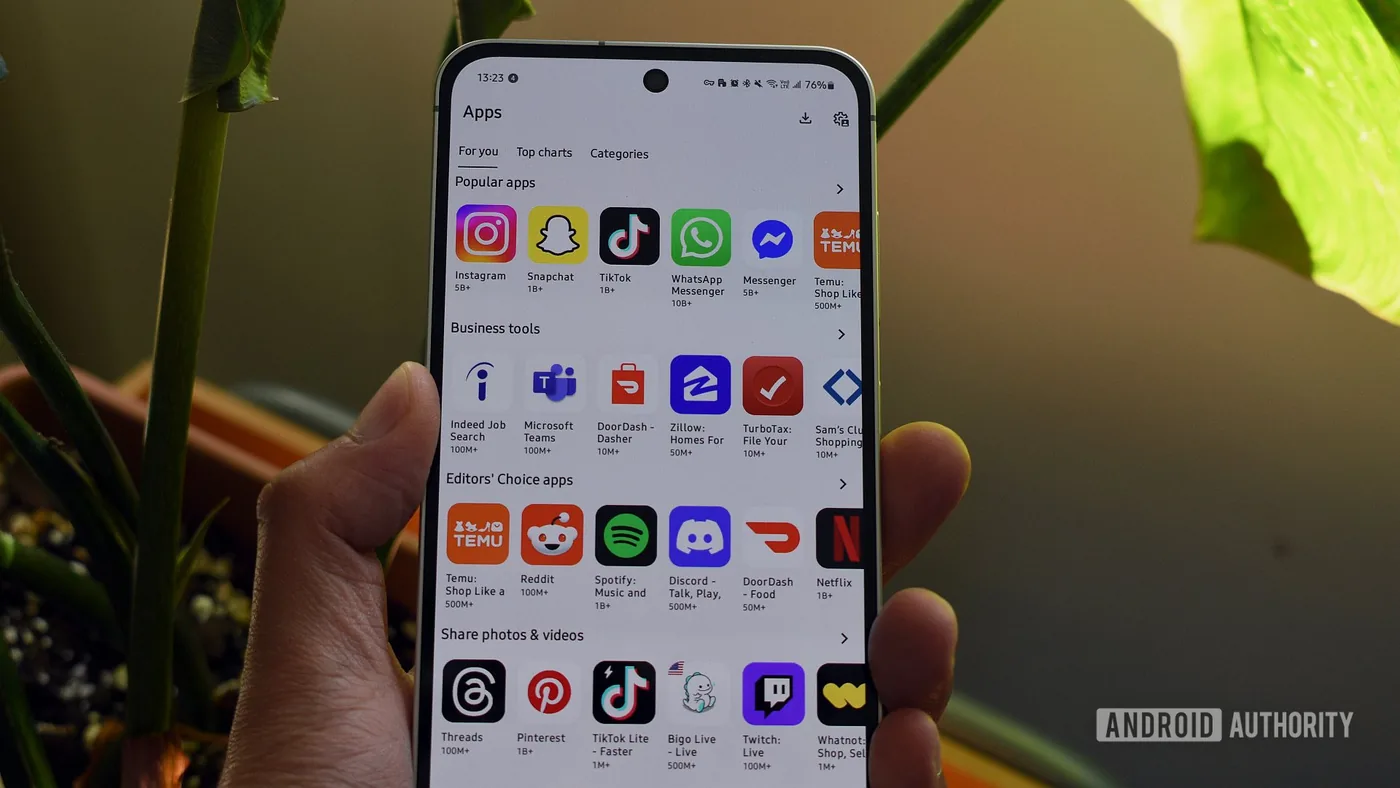
The program simplifies sideloading. Android Authority writer Ryan McNeal reported that Google aims to remove friction for outside app stores on devices running Android 17 QPR2 by replacing multi-step security prompts with a clean setup [1]. Approved stores gain one-tap app installs that match Google Play [2]. They will also run silent background updates and show native download progress bars on screen without forcing users through extra confirmation clicks. Google teams in Mountain View are packaging these tools with early guides, onboarding help, and the Android Developer ID API [1].
Stores can skip enrollment [3]. Unlisted stores can still distribute software through the standard steps Android has used for years without losing access to devices [1]. Enrollment is completely optional [3]. Taylor Kerns of Android Authority confirmed that stores that decline the offer will see no change in how their apps install on user phones [4].

Google attaches specific fees to the registration path. Enrolled teams must pay an annual fee that covers ongoing support and developer tools. If an approved store lets harmful code into its catalog, Google will charge extra review fees when malware numbers exceed a set limit. Google balances platform safety with lower user friction by tracking these catalog threats [1].
Eligibility and Account Setup
Account eligibility comes with set limits under Google rules published in Play Console Help. Individual developer accounts cannot register an alternative store. Google requires applicants to hold a verified Organization (Full Distribution) account in the Android Developer Console to ensure business oversight. If a company already manages its app package name inside a standard Play Console account, it must transfer that package to a verified organization account before proceeding. Both source and target accounts must be verified organization accounts in good standing before Google support can finish the package transfer [3].
The signup process requires companies to prove corporate identity and keep catalog code clean [3]. Google charges an annual fee for platform upkeep, similar to the $5,000 review fee model used for its American catalog access system [5]. While large operations like the Amazon Appstore or the Samsung Galaxy Store can easily cover registration expenses, smaller independent teams face real financial barriers when entering the ecosystem. Enrolled stores must also publish clear trust-and-safety rules and keep malware levels below 1% of all install attempts [6].
Supported Regions Outside the US
Geographic rollout for the Registered App Stores program begins on December 1, 2026, across more than one hundred countries. Supported countries include Canada, Australia, Japan, Brazil, Mexico, Singapore, Turkey, and South Korea, along with markets in Africa and Latin America like Burkina Faso, Cape Verde, and Costa Rica [3]. However, the software tools only work on devices running Android 17 QPR2 or newer releases [1]. Device makers will push the necessary software updates over time, following schedule patterns seen when Google established staggered lifespans for Pixel software updates across supported hardware lines.
Users who travel abroad will not lose their access during temporary trips. Google links feature access to the user’s home account country rather than temporary network connections. Short vacations to unsupported countries will not disrupt background updates or one-tap downloads for registered app stores on the device. If an owner permanently moves to El Salvador or Dominican Republic and updates their home address, the phone automatically adjusts feature access to reflect the options supported in the new country of residence [3].
The program leaves out the United States during this opening phase [2]. Users in the US will not see these registered app stores on their phones because Google is handling domestic app distribution under court orders from federal antitrust litigation [6]. While European Union regulators continue pressing tech firms over app fees, Google has kept this specific registration system separate from its American market [5]. The company stated it plans to bring the registered system stateside once court proceedings formally conclude [1].
Registered App Stores Update Policy
Technical specifications set clear rules. Android requires every enrolled store to use foreground services with visible user notifications whenever it handles background installations or large downloads. Foreground services prevent the operating system from terminating downloads while keeping the device owner aware of active tasks. Update ownership also follows a recovery pattern. If a user uninstalls a store, its apps stay on the phone but stop getting automatic patches. If the user later reinstalls that same store, it automatically reclaims update ownership for its original apps without prompting the user, as long as no other store updated those apps in the interim [3].
Enterprise IT administrators also retain oversight over these new platform capabilities. Network managers who oversee employee hardware can turn off access to third-party marketplaces through enterprise device settings. Google added this control so businesses can protect sensitive company data from unapproved distribution channels. Administrators can enforce these security rules across company-owned phones without changing standard Android features [3].
The Epic Games Settlement
This global registration policy stems from a legal battle with Fortnite publisher Epic Games [4]. Epic sued Google in 2020 over 30% Play Store commissions [5]. A federal jury in California ruled against Google in December 2023. In October 2024, Judge James Donato of the US District Court for the Northern District of California ordered Google to open Android to rival stores [6].
Google appealed, but the Ninth Circuit Court of Appeals denied the appeal, and the US Supreme Court declined to review the case in 2025. The Supreme Court decision closed all legal appeals [5]. Google agreed to a settlement framework in November 2025, lowering commissions to 10% on alternative billing and setting service fees between 15% and 20% [4]. On July 15, 2026, Google and Epic jointly agreed to withdraw motions to modify the injunction. “We’ve agreed with Epic to withdraw our motion to modify the US Court’s injunction rather than prolonging this process which creates uncertainty for the ecosystem,” said Google spokesperson Dan Jackson [6].
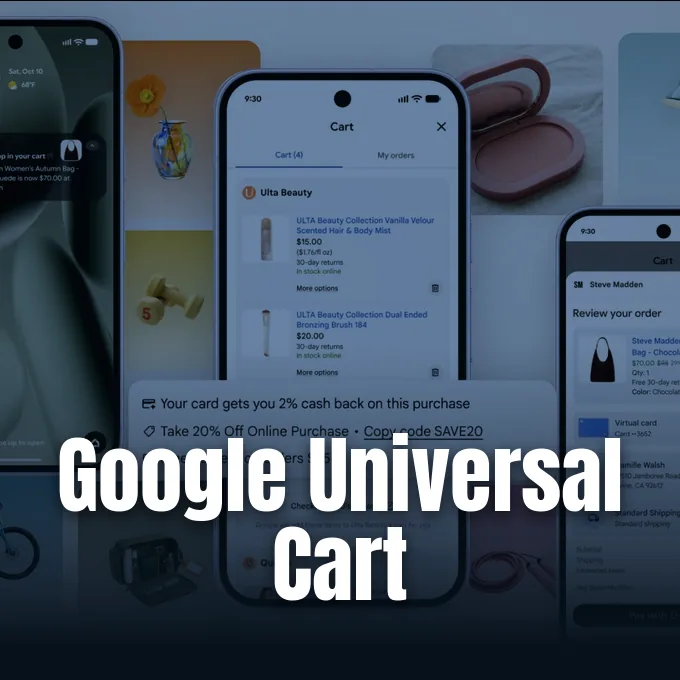
In the United States, that settlement created the Play Catalog Access Program on July 22, 2026, letting third-party stores appear inside Google Play [6]. Google also adjusted its web services, similar to steps taken when Google launched a universal cart in US search to unify checkouts. While US users get storefronts inside Google Play by court order, international users will use the Registered App Stores program [2]. Registration is open today, and installs roll out on December 1 [1].
- ONLINE NEWS McNeal, R. (2026, October 27). Android opens enrollment for program that brings one-tap sideloading for app stores. Android Authority. [Article Link]
- ONLINE NEWS Ars Technica. (2026, October). Google begins certifying Registered App Stores for Android, but not in the US. Ars Technica. [Article Link]
- WEBSITE Android Developers. (2026, October 27). Frequently asked questions | Registered App Stores. Android Developers. [Article Link]
- ONLINE NEWS Kerns, T. (2026, March 4). Android’s getting a flexible new approach to sideloading with Registered App Stores. Android Authority. [Article Link]
- ONLINE NEWS Associated Writers. (2026, August 11). Third-Party App Stores Appear Inside Google Play. TechFyle. [Article Link]
- ONLINE NEWS Androidpure Staff. (2026, July 19). Google Play Opens to Third-Party App Stores: Court Order, Not a Gift. AndroidPure. [Article Link]
- ONLINE NEWS Çelebi, A. (2026, July 16). Google to open Android to third-party app stores in US on July 22. Dataconomy Media. [Article Link]


