





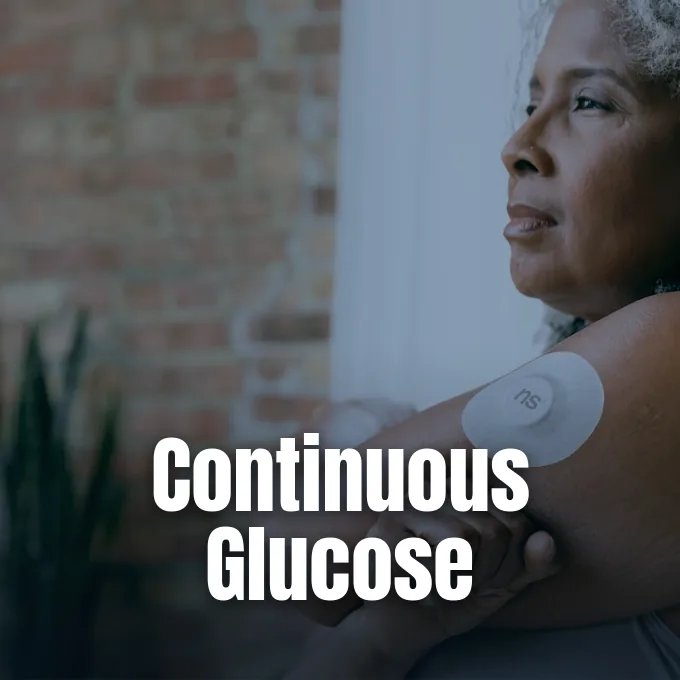
People managing type 2 diabetes without daily insulin injections spent about five additional hours each day in a healthy blood sugar range when using continuous glucose monitors, according to a clinical trial published in the New England Journal of Medicine [1]. The multicenter study followed 283 adults who received care through primary care clinics rather than specialty endocrine centers [2]. In addition to gaining time in their target glucose band, nearly twice as many monitor users brought their long-term blood sugar below 7% compared with participants who received routine medical care [3].
The CONNECT Primary Care Trial
In the United States, an estimated 20 million Americans manage type 2 diabetes without relying on daily insulin injections [2]. Many of these patients struggle to reach glycemic goals despite standard oral medications, leaving them vulnerable to long-term vascular harm [3]. Health risks include heart disease, kidney damage and vision loss [2].
“Over time, elevated blood sugar can increase the risk of serious health complications, including heart disease, kidney disease and vision loss, so it’s important we continue to improve care for everyone with diabetes,” said first author Tamara Oser, MD, a professor in the University of Colorado Anschutz Department of Family Medicine and director of the Primary Care Diabetes Lab [2]. To test whether wearable sensors help this population, researchers launched the CONNECT trial in 22 community clinics. Investigators screened 440 prospective candidates before enrolling 283 adults across 22 primary care practices in the United States [4]. The study focused on primary care settings because family doctors manage the vast majority of non-insulin diabetes cases [1].
Eligible participants had type 2 diabetes, did not take insulin, and entered the study with a baseline glycated hemoglobin level of 7.5% or higher. Half received wearable sensors (Dexcom G7) while half continued routine blood meter monitoring. In total, 265 participants completed the full 26-week trial protocol. Their mean age was 60 years [4].
Measured Improvements in Glycemic Control
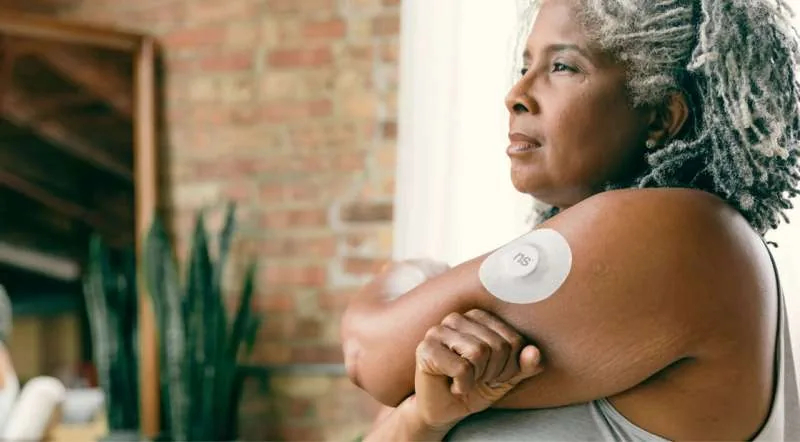
Trial data presented at the American Diabetes Association scientific sessions and reported in the Cleveland Clinic Journal of Medicine showed clear glycemic separation between the two trial groups. Participants wearing sensors achieved an average HbA1c reduction of 1.6 percentage points after 26 weeks of follow-up. Routine care patients improved by only 0.7 percentage points during the same interval [4].
That left a net difference of 0.9 percentage points between groups, which exceeds the threshold clinicians view as clinically meaningful [1, 4]. The glycemic benefit proved broad and consistent throughout the study group, with 82% of participants in the device group achieving an HbA1c drop of at least 0.5 percentage points. Patients who started the trial with poorly controlled diabetes experienced the steepest gains: among those entering with a baseline HbA1c above 10%, levels dropped by an average of 3.1 percentage points with sensor use, compared to a 1.0-point drop under routine care. By week 26, 68% of sensor wearers reached an HbA1c below 7.5%, and 46% pushed their reading below 7.0%, compared with routine care where fewer than a quarter reached that common benchmark [4].
Beyond three-month laboratory markers, daily time participants spent within the target glucose band of 70 to 180 mg/dL diverged clearly. Device wearers spent 62% of their day in target range, whereas routine care participants spent only 41% of their day in range. Sensor wearers gained roughly five additional hours each day free from high or low blood sugar spikes [1, 4]. These gains emerged within four weeks of sensor wear [4].
How Continuous Glucose Monitors Alter Daily Choices
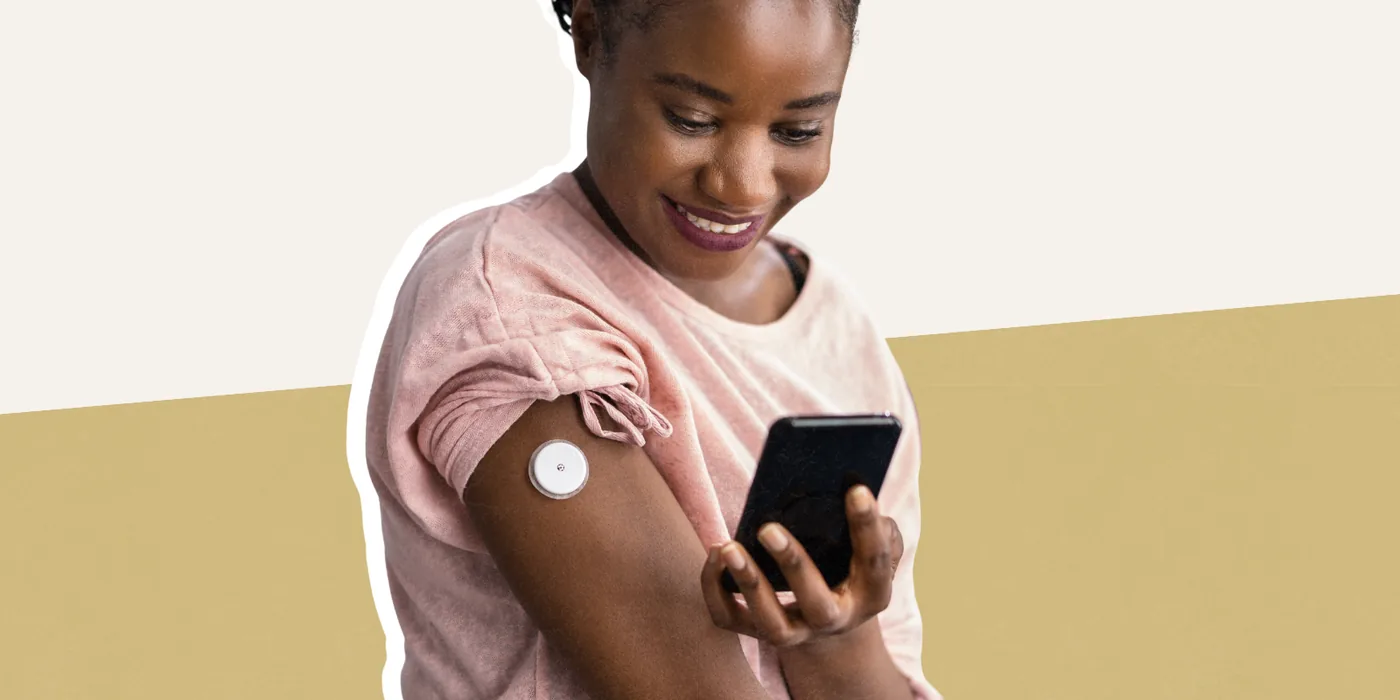
Why does frequent feedback alter daily habits so effectively? Standard self-monitoring of blood glucose (SMBG) relies on periodic finger-prick tests that reveal only a static snapshot in time. In contrast, continuous glucose monitors read glucose levels from interstitial fluid beneath the skin every few minutes and send those values to a smartphone or reader. Unlike experimental implants such as glucose nanosensor technologies that utilize inactive enzyme configurations, existing market systems rely on short-term subcutaneous filaments. This steady stream reveals the shape of post-meal glucose spikes and tracks overnight dips while wearers sleep [6].
That prompt visibility creates a personal learning loop for individuals navigating daily meals and exercise. A person can watch how a specific breakfast, a brief walk after dinner, or a poor night of rest moves their glucose curve. Instead of waiting three months for a clinic blood test, wearers learn which food swaps keep them steady [6].


Outcomes Across Medication Regimens
The CONNECT investigators found that glucose gains occurred regardless of what background medications patients were taking. About 40% of enrolled participants were taking incretin-based drugs, such as GLP-1 receptor agonists or dual GLP-1 and GIP receptor agonists, while 37% were taking SGLT-2 inhibitors. Adding sensor tracking produced an extra 1.4 percentage point HbA1c drop in patients already taking GLP-1 therapies and an extra 1.8 point reduction in those on SGLT-2 drugs. Even participants on no diabetes drugs saw their average HbA1c fall by 2.4 percentage points after adopting the device [4]. Patients often pair real-time feedback with dietary adjustments, similar to structured nutritional trials evaluating time-restricted eating for weight loss to moderate postprandial glucose surges [6].
These parallel improvements indicate that digital glucose feedback adds value alongside contemporary pharmacological treatments. Senior author Roy W. Beck, MD, PhD, of the Jaeb Center for Health Research, pointed out that earlier trials like DIAMOND and MOBILE confirmed sensor efficacy for people using insulin [4, 8]. While sensor technology is already standard care in type 1 diabetes, evidence in non-insulin type 2 management was previously limited to smaller studies [4, 7]. The CONNECT findings provide confirmation under different drug backgrounds [4].
National Care Guidelines and Insurance
Current clinical recommendations from professional medical organizations reflect a notable divide in evidence quality between patient groups [1, 2]. The American Diabetes Association Standards of Care cite Level A evidence for sensor use in patients who take insulin, reflecting years of randomized clinical trials [1, 9]. In contrast, guidance for people managing type 2 diabetes without insulin has rested on Level C evidence, drawn from smaller and observational cohorts [1, 2]. “We hope this research will help strengthen national diabetes care guidelines and expand insurance coverage, making this technology more accessible to the millions of patients who could benefit from it,” said Oser [2].
Guidelines heavily influence whether private health insurers and Medicare cover device prescriptions for patients [5]. “Level-A evidence, the highest level of evidence graded by the ADA, has historically driven meaningful changes in standards of care,” said Beck [4]. Without insurance reimbursement, out-of-pocket costs for monthly sensor replacements create a high financial barrier for working families [5, 7].
Access Barriers for CGMs in Practice
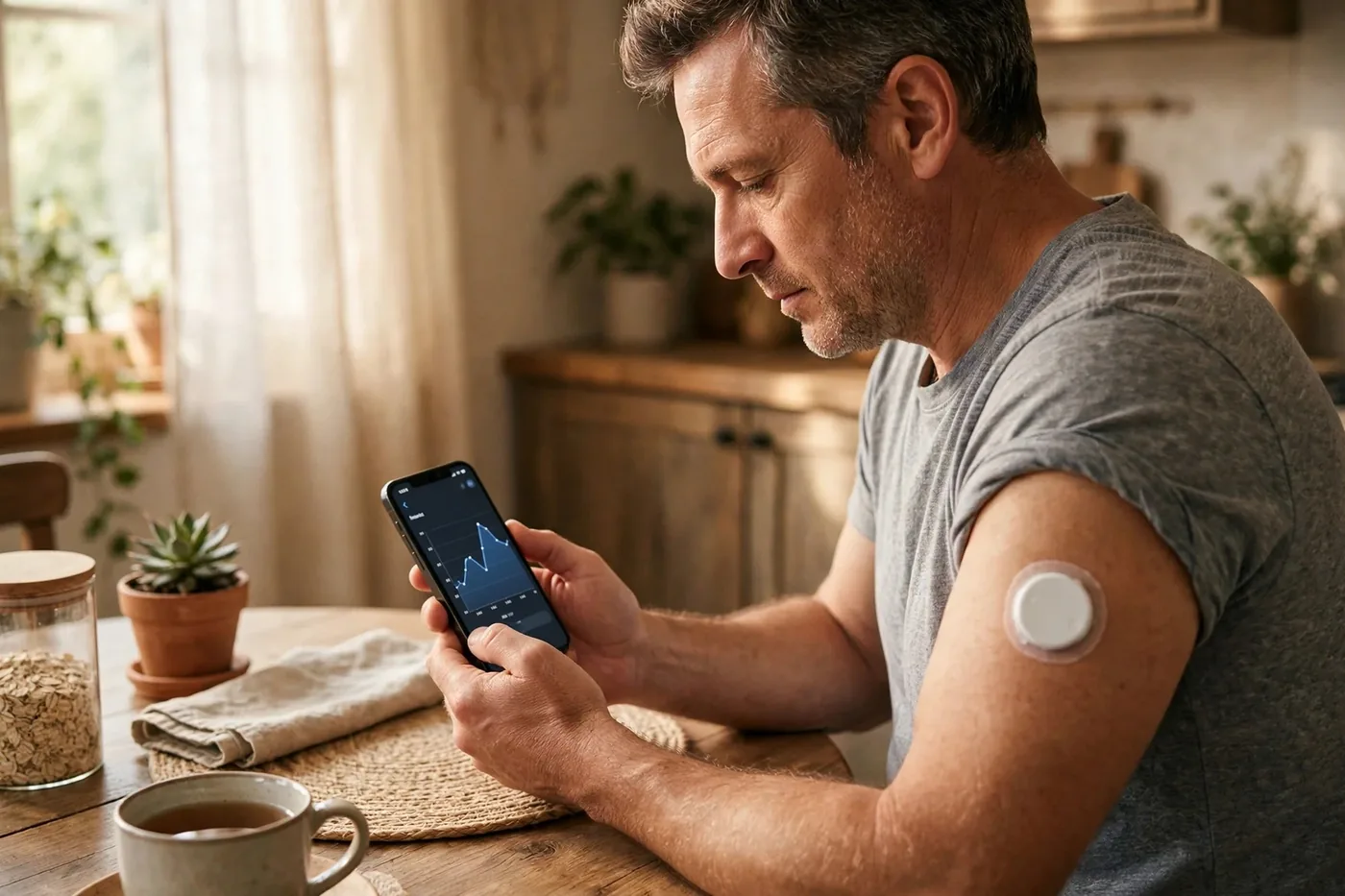
Co-author Thomas W. Martens, MD, of the International Diabetes Center in Minneapolis, said that expanding access helps family doctors address disparities in outpatient diabetes care. “Since many of the patients with type 2 diabetes who use oral or noninsulin injectable therapies are seen in primary care settings, continuous glucose monitoring provides an opportunity to close a visible care gap,” said Martens. Participants in the trial showed strong engagement, recording a median sensor wear time of 97% over 26 weeks. They also reported higher treatment satisfaction and less diabetes distress than peers on routine care [4]. But in everyday family clinics, doctors often lack enough time to download and interpret complex ambulatory glucose profiles [5, 6].
Device wearers also encounter practical and psychological hurdles during routine use. Adhesive patches can cause localized skin irritation or peel away during regular exercise [6, 7]. Constant numbers on a screen can trigger anxiety or alarm fatigue for some individuals, making clear target bands essential. A sensor alone does not lower blood glucose; clinical benefit depends on how patients and their care teams act on the data stream [6]. Training clinic teams to deliver actionable feedback is fundamental [7].
Wider access trends suggest wearable health technology will continue moving into routine chronic disease care. A review in Current Diabetes Reports tracks how expanded Medicaid coverage in safety-net clinics helped bridge historical disparities in device adoption, citing epidemiological patterns documented between 1988 and 2024. The FDA cleared the first over-the-counter glucose monitors in 2024, lowering purchase hurdles for motivated consumers [5]. A six-month extension of the CONNECT study is currently underway to evaluate whether participants sustain these glycemic gains through a full year [4].
- ACADEMIC JOURNAL Oser, T. K., Martens, T., Ruedy, K. J., Bergford, S., Calhoun, P., Chang, K., Kramer, E. S., Klug, B. A., Anderson, R. L., Cook, B. R., Pickering, D., Ortega, M., Peterson, B., Davidson, L., Schmid, R., Desai, N. D., Burkett, E., Haynes, J. L., Herman, A.,. Elkind-Hirsch, K. E. (2026). Continuous Glucose Monitoring in Non–Insulin-Treated Type 2 Diabetes. New England Journal of Medicine. [Article Link]
- ONLINE NEWS Harley, S., & Egan, R. (2026). Continuous glucose monitors help type 2 diabetes patients spend 5 more hours a day in healthy blood sugar range. Medical Xpress. [Article Link]
- PRESS RELEASE Milzer, J. (2026). Continuous Glucose Monitors Help Type 2 Diabetes Patients Spend Five More Hours a Day in Healthy Blood Sugar Range. CU Anschutz News. [Article Link]
- ACADEMIC JOURNAL Martens, T. W., Beck, R. W., & Oser, T. (2026). Continuous glucose monitoring in type 2 diabetes benefits people not on insulin, CONNECT trial shows. Cleveland Clinic Journal of Medicine. [Article Link]
- ACADEMIC JOURNAL Perini Villanueva, G., Solorzano, W. M., & Everett, E. (2026). Continuous Glucose Monitoring in Type 2 Diabetes: Clinical Outcomes, Disparities in Access, and Cost-effectiveness. Current Diabetes Reports. [Article Link]
- ONLINE NEWS Kennedy, O. (2026). Glucose Monitors Help Type 2 Diabetes Patients Spend 5 More Hours a Day in Range. Bralad. [Article Link]
- ONLINE NEWS Romero, C. (2026). Glucose Monitors Give Type 2 Diabetes Patients Five Healthier Hours a Day. One One News. [Article Link]
- ACADEMIC JOURNAL Martens, T., Beck, R. W., Bailey, R., Ruedy, K. J., Calhoun, P., Peters, A. L., Pop-Busui, R., Philis-Tsimikas, A., Bao, S., Umpierrez, G., Davis, G., Kruger, D., Bhargava, A., Young, L., McGill, J. B., Aleppo, G., Nguyen, Q. T., Orozco, I., Biggs, W.,. MOBILE Study Group (2021). Effect of Continuous Glucose Monitoring on Glycemic Control in Patients With Type 2 Diabetes Treated With Basal Insulin. JAMA, 325(22), 2262. [Article Link]
- ACADEMIC JOURNAL American Diabetes Association Professional Practice Committee, ElSayed, N. A., McCoy, R. G., Aleppo, G., Balapattabi, K., Beverly, E. A., Briggs Early, K., Bruemmer, D., Echouffo-Tcheugui, J. B., Ekhlaspour, L., Garg, R., Khunti, K., Lal, R., Lingvay, I., Matfin, G., Pandya, N., Pekas, E. J., Pilla, S. J., Polsky, S.,. Bannuru, R. R. (2025). 7. Diabetes Technology: Standards of Care in Diabetes—2025. Diabetes Care, 48(Supplement_1), S146-S166. [Article Link]
APA 7: PerEXP Teamworks. (2026). Continuous Glucose Monitors Aid Type 2 Diabetes Management. PerEXP Teamworks.


