






U.S. District Judge Noël Wise denied a joint motion to dismiss a federal DRAM price fixing suit targeting Samsung, Micron, and SK hynix on November 14, 2026. The proposed class action accuses the three memory makers of scheming to cut the supply of standard dynamic random-access memory (DRAM) chips, driving market prices up by as much as 500% in a single year. While the three firms argued their output choices reflected normal business reactions to booming artificial intelligence hardware sales, the California court ruled that the claims showed plausible evidence of an illegal pact under Section 1 of the Sherman Act [2].
Allegations Behind the DRAM Price Fixing Lawsuit
Seventeen buyers and small businesses from five states filed the class action on June 25, 2026, targeting standard memory modules used in personal computers, phones, and enterprise servers. The buyers, represented by legal counsel at Bathaee Dunne LLP, alleged that the three chip makers engaged in DRAM price fixing through matching output cuts to trigger a memory shortage. According to court filings, conventional memory prices climbed 171.8% over twelve months and jumped 697% over eighteen months [2].
The suit centers on commodity silicon built to industry specs, such as DDR5 memory modules. By late 2025, Samsung, SK Hynix, and Micron controlled more than 91% of global DRAM revenue, leaving hardware buyers with no other place to turn. The suing buyers asserted that the chip makers carried out four joint steps to choke off the supply of everyday computer memory. They initiated matching output cuts, pivoted fab space toward high bandwidth memory, and wound down older DDR4 assembly lines within ninety days of each other. Despite soaring market prices, none of the three firms added new commodity memory lines. The buyers called this lack of growth baffling, arguing that record prices gave the strongest supply signal the chip sector had ever seen [1].
The three firms filed a joint motion to throw out the suit, arguing that the filing failed to show any direct pact. Samsung retained O’Melveny & Myers LLP, SK Hynix hired Cleary Gottlieb Steen & Hamilton LLP, and Micron retained Gibson, Dunn & Crutcher LLP. They maintained that rival chip vendors naturally make similar choices when facing identical cost shifts and market demand [2].
Parallel Output Reductions and Fab Delays
Without direct evidence of an explicit pact, the buyers relied on plus factors to support their claims. They pointed to the timing of output cuts that began in late 2022. SK Hynix and Micron announced memory cuts just three weeks apart. Samsung followed with its own cut on April 7, 2023, creating a four-month gap that the defense argued disproved any coordinated plan among the rival makers [2].
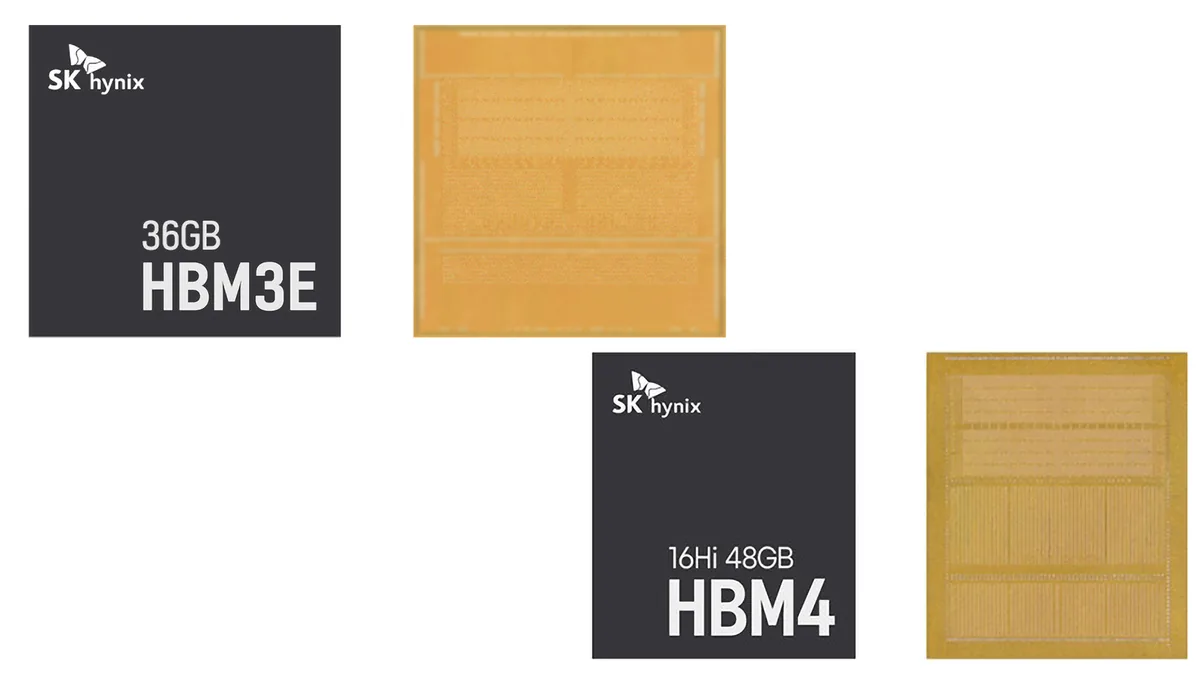
Judge Wise rejected the defense argument. She wrote that a four-month gap between announcements does not defeat claims of parallel action during early court reviews. All three defendants quickly steered fab resources away from conventional DRAM toward high bandwidth memory (HBM) modules built for AI hardware. HBM needs about triple or quadruple the raw silicon space for each gigabyte than standard DDR5 memory. That capacity shift quickly tightened the supply of everyday PC memory. Samsung and Micron also delayed new chip plants, freezing output during a pricing wave that saw buyers scramble for basic memory chips. The buyers argued that halting factory growth during price surges defied basic business logic [2].
To evaluate the factory delays, the court turned to the Ninth Circuit’s 1990 Petroleum Products antitrust ruling. That case held that refinery output choices cannot be reversed easily once made. Judge Wise found that delays at memory fabs were just as difficult to unwind, concluding that freezing new plants locked in tight supply across the hardware market and left computer builders with few viable purchasing alternatives [2].


Actions Against Independent Economic Interest
Under Ninth Circuit antitrust rules, parallel conduct alone does not prove an illegal plot. Plaintiffs must show plus factors, such as moves that would be risky for a single firm acting without an advance pact. The buyers argued that refusing to expand output when prices climbed by hundreds of percent went against normal competitive conduct. The chip makers defended their choices as smart steps to earn money during shifting market conditions [1].
Judge Wise observed that shifting toward high-margin AI memory might make sense on its own. But related business moves crossed into far riskier territory. All three vendors locked in multi-year deals for high-margin HBM while Samsung and SK Hynix turned down long-term contracts with buyers of standard DRAM chips. Micron also announced on December 3, 2025, that it would close Crucial, its consumer memory brand with a thirty-year operating history. Judge Wise wrote that taking these irreversible steps while refusing to expand capacity represented choices that no sensible firm would risk without assurance that rivals would follow. The choice to drop Crucial and reject long-term deals meant giving up dependable sales during uncertain times [2].
The suit also pointed to unusual pricing swings caused by the matched phaseout of DDR4 lines in 2025. Older, slower DDR4 modules ended up costing more per gigabyte than newer, faster DDR5 memory. In January 2026, all three vendors adopted matching customer vetting rules. The court found that putting buyer checks in place after the shortage was already underway offered more proof of DRAM price fixing [2].
Evidence of DRAM Collusion in Court
During oral argument, defense lawyers quoted words from the late Judge Richard Posner, asserting that rivals naturally “watch each other like hawks.” Judge Wise firmly rejected that defense. She explained that the claims showed conduct that went well beyond watchful rivals reacting to public market data. Instead, she wrote that the memory makers acted more like “hawks flying in formation — an activity that hawks ordinarily do not do” [1].
The defendants argued the lawsuit was merely a rerun of the DRAM II case, where the Ninth Circuit affirmed the dismissal of an earlier supply conspiracy case in 2022. Judge Wise distinguished the current complaint from earlier legal battles, ruling that the buyers brought fresh factual proof of linked moves. Still, the court trimmed several weak claims. She gave no weight to executive meetings at industry trade shows because the filing failed to name specific pacts made at those events, nor did the complaint show what executives actually discussed during their hallway encounters. She also set aside public remarks by Micron leaders about “supply discipline,” noting that the Ninth Circuit had already found similar talk too thin to prove a plot. She also deemed the three-company setup neutral rather than conspiratorial [2].

The court allowed the buyers to cite past criminal cartel conduct. Between 1998 and 2002, the three manufacturers ran an illegal price-fixing ring that triggered hundreds of millions in penalties. Samsung paid a $300 million criminal fine, Hynix paid $185 million, and Micron won immunity by stepping forward as a whistleblower. Separately, Samsung faced a $15 million fine for throttling Galaxy gaming performance on mobile devices. Judge Wise concluded that the twenty-year-old cartel history provided relevant background for evaluating current market behavior because prior anticompetitive acts can shed light on modern parallel patterns [2].
Next Steps in the Federal Proceedings
Surviving dismissal does not prove guilt. The court ruling simply lets the lawsuit advance into evidence gathering. The suit tests DRAM price fixing claims in high-tech manufacturing as buyers seek class status for people and businesses who bought memory products at inflated prices [1].
Judge Wise ordered Samsung, SK Hynix, and Micron to file answers to the complaint by December 7, 2026. The initial case management conference is set for January 12, 2027, at 9 a.m. in the Northern District of California. That session will set case schedules, fix deadlines for digital discovery, and govern access to factory planning files. Defense lawyers will likely seek to limit the scope of early document requests before discovery expands [2].
Reporting by Jowi Morales on Tom’s Hardware highlighted how tech readers reacted to the ruling. Commentator TechieTwo argued that proving an illegal pact is tough because memory firms have learned not to leave a paper trail. Another reader, writing as daworstplaya, asked whether chip makers should return public subsidies taken from Johnny Taxpayer, while commenter thestryker noted that memory makers are scrambling for fab capacity rather than leaving plants idle [1]. If the buyers prove their claims, the three chip makers could face big damages under Section 1 of the Sherman Act [2].
- ONLINE NEWS Morales, J. (2026, November 15). Judge denies motion to dismiss DRAM price-fixing lawsuit against Micron, Samsung, and SK hynix. Tom’s Hardware. [Article Link]
- ONLINE NEWS LitNews Newsroom. (2026, November 14). Judge Refuses to Dismiss DRAM Supply Conspiracy Suit Against Samsung, SK Hynix, Micron. LitNews. [Article Link]


