






Apple engineers in Cupertino have built early working hardware prototypes of the iPhone Duo 2 Face ID system integrated into the outer display, according to Bloomberg reporter Mark Gurman [1]. The hardware testing marks an effort to address one of the most frequent owner complaints about the original folding handset, which launched at $1,999 with Touch ID embedded in its side power button without facial recognition [3]. While facial recognition remains a top hardware priority for the new model, tight engineering schedules mean the feature is currently a toss-up and could slip to a later generation [6].
iPhone Duo 2 Face ID Prototype Tests
Apple began exploring facial recognition for its second-generation foldable well before the original model arrived in customer hands. According to Gurman’s report in the Power On newsletter, Apple engineers have already assembled functional lab units that place biometric sensors behind the exterior glass [1]. Engineers develop the hardware under codename V78. The effort aims to bring Apple’s signature biometric authentication to a folding form factor that currently relies on capacitive fingerprint scanning, as Digital Trends reporter Nadeem Sarwar observed. Ever since the iPhone X debuted, Apple users have grown used to unlocking screens with a glance, so shifting back to a physical button created an unexpected learning curve for early adopters [4]. Gurman reported that Cupertino groups are “actively working” to integrate the sensors into the outer screen [1].
The original phone cost $1,999 [3]. Canadian retail pricing reached $2,999 CAD plus sales tax, according to iPhone in Canada writer John Quintet [6]. The first foldable launched with a side-mounted fingerprint sensor similar to the setup Apple uses on the iPad Air [3].
Physical lab units prove that the optical hardware functions in controlled testing environments, according to Tech Bytes editor Dillip Chowdary [5]. Yet assembling a handful of test units does not guarantee that the part will reach factory assembly lines next year [7]. Apple evaluates sensor performance and component packaging through multiple verification stages before locking in final mass-production blueprints. It is a standard screening routine that every experimental iPhone feature must pass before release [5].
Outer Screen Sensor Placement
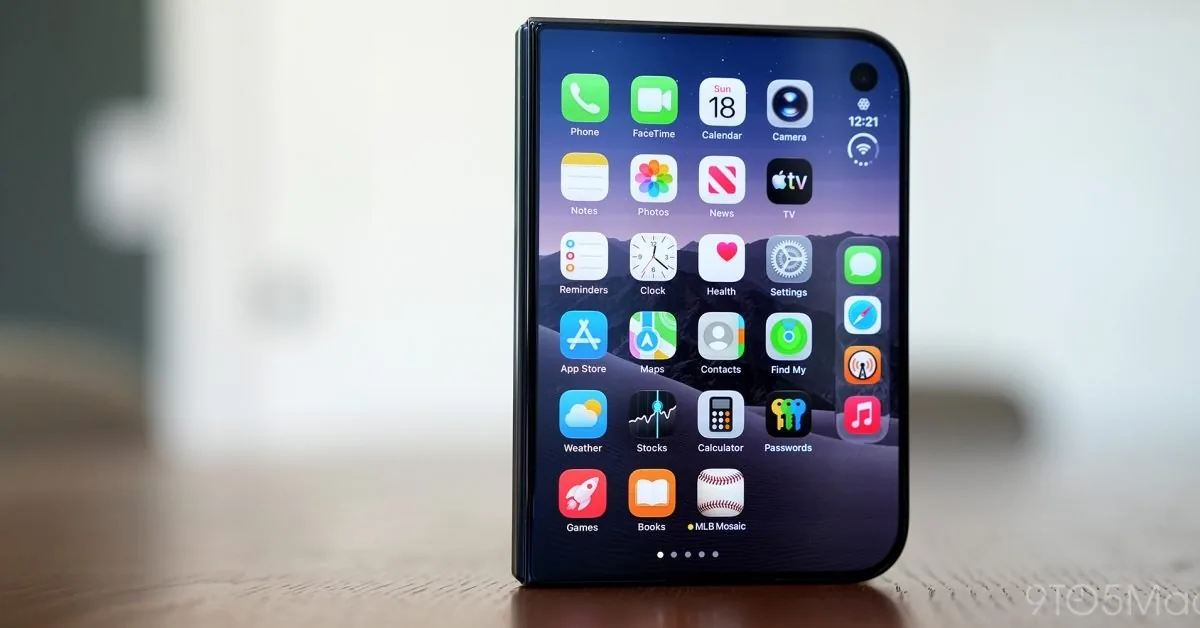
Engineering teams in Cupertino chose to concentrate their biometric testing solely on the outer cover glass without attempting to place sensors on both panels [5]. Depth-sensing hardware requires significant internal space, and the slim halves of the Duo chassis leave very little clearance for extra electronics, as MacRumors editor Hartley Charlton reported [3]. By restricting the facial scanner to the front panel, Apple avoids running delicate sensor wiring through the central hinge mechanism, which protects mechanical durability and keeps hardware complexity manageable while saving internal volume for battery cells. This layout ensures that users can authenticate quickly when pulling the phone from a pocket, while preserving interior volume for flexible panel supports [5].
The optical system relies on placing a vertical-cavity surface-emitting laser behind the exterior glass, AppleInsider reported [2]. Apple gained practical experience with under-panel biometrics on the iPhone 18 Pro, where moving certain Face ID components beneath the screen helped shrink the visible Dynamic Island cutout, The Apple Post writer David Joseppi noted [7].
This design choice means the inner folding display will not receive facial recognition in the next hardware cycle. If users want to unlock the handset while it sits open on a desk, they must press the side power key. An unadorned inner display avoids cutting notches into the flexible OLED panel while keeping production yields stable [5].


Tight Deadlines for Autumn 2027
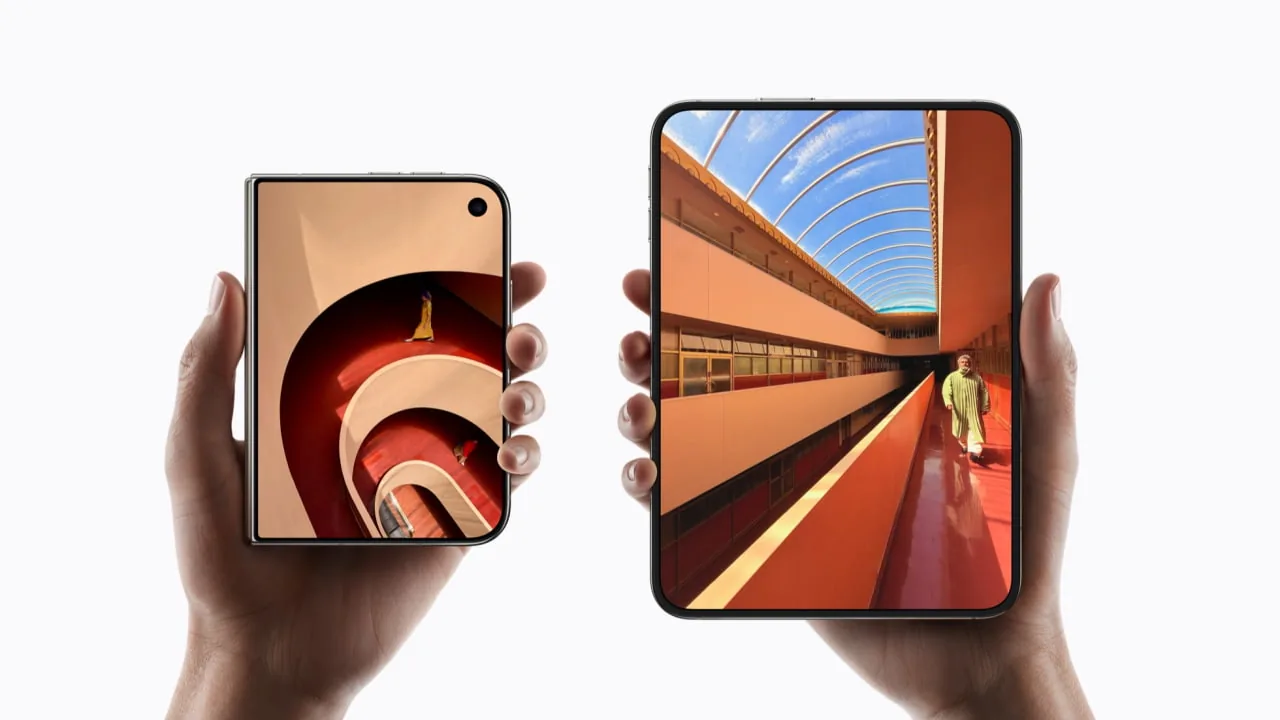
The target launch is autumn 2027. Apple plans to introduce its second foldable then, but the engineering calendar is running short on time, according to iClarified editor Shalom Levytam [8]. Hardware features for major Apple product refreshes must be locked in roughly a year in advance to give manufacturing partners enough lead time to prepare component supply lines and test optical yields before mass assembly begins [4]. Because the biometric module is not fully ready for mass production yet, Gurman reported that whether iPhone Duo 2 Face ID hardware makes the production cutoff is currently a toss-up. If production readiness stalls over the coming weeks, executives may decide to ship the next model without facial scanning to avoid factory delays [6].
If engineers cannot resolve packaging hurdles before the upcoming design freeze, Apple will postpone the upgrade until 2028 [1]. That delay pushes facial authentication to the iPhone Duo 3, leaving the second iteration reliant on side-button fingerprint scanning, Levytam reported [8].
This production timeline also means customer feedback on the original model cannot shape the upcoming release. Because Apple finalized the Duo 2 development roadmap before customers bought the original device, any user-driven hardware adjustments must wait for the third generation. The autumn 2027 revision will instead deliver upgrades that were already progressing through Apple’s lab pipelines before the first phone reached store shelves, Quintet noted [6].
Ergonomic Tradeoffs for Unfolded Handsets
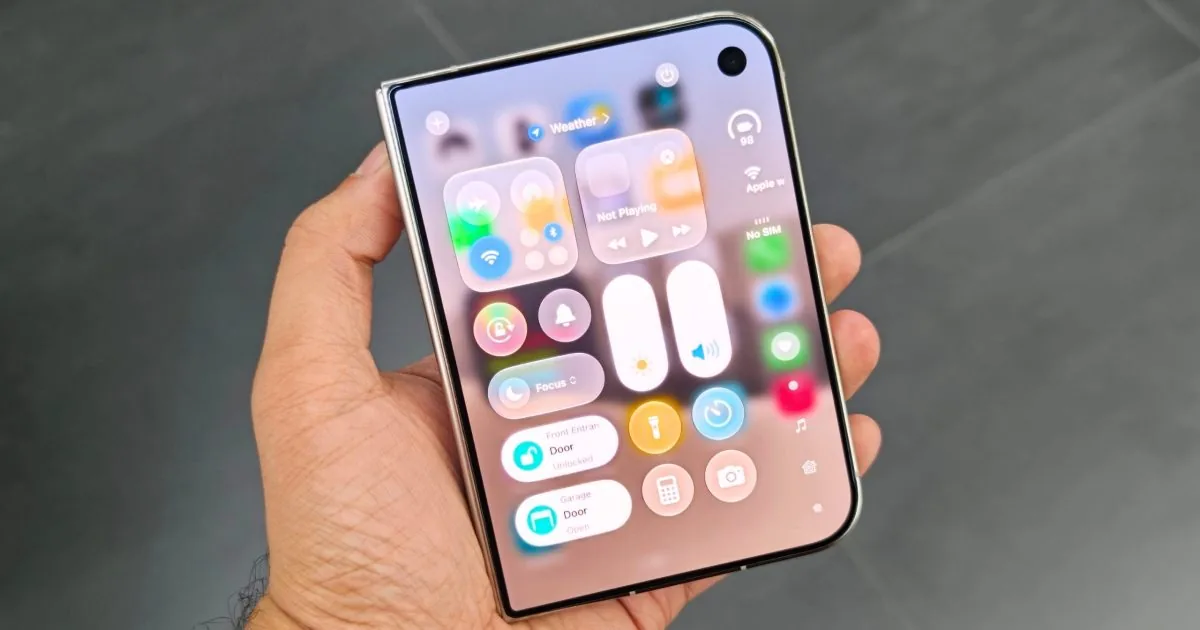
Confining facial authentication to the exterior cover creates distinct usability compromises during daily routines, according to Tech Bytes editor Dillip Chowdary [5]. As 9to5Mac analyst Michael Burkhardt observed, owners nearly always hold a folded phone upright in one hand, making front glass recognition swift when reading alerts. But when someone unfolds the phone to read or browse, holding angles vary widely between horizontal and vertical orientations. A side-mounted button on an expanded tablet frame can feel clumsy during two-handed use, yet owners will still need to use Touch ID whenever the device is unfolded because the interior glass lacks facial recognition sensors [1, 5].
Some owners who dislike searching for the side key rely on connected accessories for desk authentication, Joseppi reported. An Apple Watch enables iPhone Duo unlock without Touch ID scans during everyday use. But that option requires wearing a companion smartwatch instead of offering built-in facial scanning on the handset itself [7].
Touch ID works across every orientation. Keeping Touch ID in the power button retains one clear benefit: it functions whether the phone is open or folded shut without demanding that users point a camera at their face [7]. Meanwhile, software adoption across the dual-screen canvas continues to grow, with Apple reporting that more than 100,000 apps already support the foldable interface. The upcoming hardware revision will build upon that software base while navigating these biometric compromises [6].
Future iPhone Duo 2 Face ID Upgrades
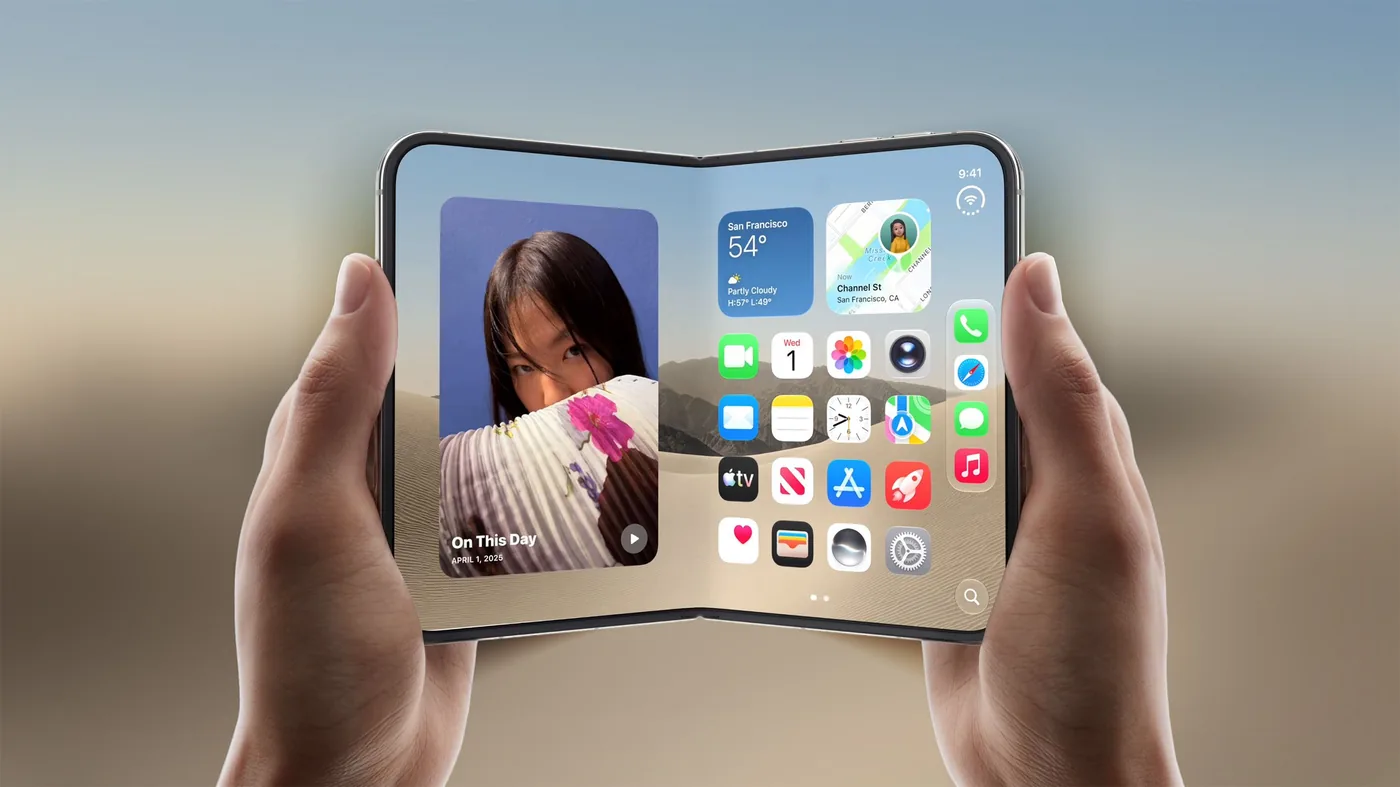
Beyond testing biometrics, Apple is pursuing several other hardware objectives for the iPhone Duo 2 and future folding generations. The company’s other major goal for the second model is introducing an Action Button (possibly integrated with Camera Control). Current software plans indicate that this change will let users remap the camera hold action away from Siri to an app of their choice, providing a customizable physical shortcut on the outer edge of the frame without opening menus [1, 5]. Customizable shortcuts address another frequent user request, giving buyers faster access to essential tools [3].
Apple also aims to introduce a dedicated telephoto camera on later foldable models [1, 8]. The first Duo lacked optical zoom compared with the iPhone 18 Pro Max, limiting distance photography [8]. Periscope zoom lenses inside a slim folding chassis present a difficult engineering challenge for Apple hardware teams [1, 5].
The folding hinge survived 440,000 folds. Durability data from early adopters will guide long-term design choices as Apple refines its manufacturing processes. An independent folding test showed that the original hinge loosened only after that extensive stress testing, demonstrating mechanical endurance [6]. However, early reports of cracked inner displays prompted Apple to offer warranty replacements for affected buyers. Tradeoffs between chassis thickness, panel durability, and prioritizing iPhone Duo 2 Face ID integration will determine how Apple advances its folding portfolio across future hardware cycles [1, 4].
- ONLINE NEWS Burkhardt, M. (2026, November 15). Apple engineers ‘actively working’ on Face ID for iPhone Duo 2’s outer display: report. 9to5Mac. [Article Link]
- ONLINE NEWS AppleInsider. (2026, November 15). Face ID & telephoto lens are coming to iPhone Duo, eventually. [Article Link]
- ONLINE NEWS Charlton, H. (2026, October 22). iPhone Duo 2 Prototypes Include Under-Display Face ID. MacRumors. [Article Link]
- ONLINE NEWS Sarwar, N. (2026, November 15). iPhone Duo 2 prototypes with Face ID are apparently ready at Apple, but the market might have to wait. Digital Trends. [Article Link]
- ONLINE NEWS Chowdary, D. (2026, November 15). Apple engineers ‘actively working’ on Face ID for iPhone Duo 2’s outer. Tech Bytes. [Article Link]
- ONLINE NEWS Quintet, J. (2026, November 15). Face ID on the iPhone Duo 2 Is Now a Toss-Up, Says Report. iPhone in Canada. [Article Link]
- ONLINE NEWS Joseppi, D. (2026, November 15). Will iPhone Duo 2 have Face ID? The Apple Post. [Article Link]
- ONLINE NEWS Levytam, S. (2026, November 15). iPhone Duo 2 Face ID Upgrade Faces Tight Design Deadline [Report]. iClarified. [Article Link]


