





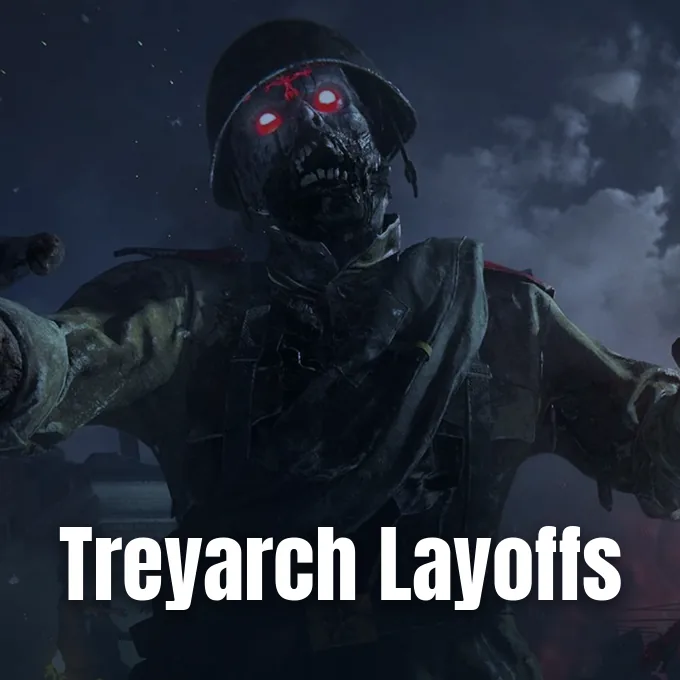
Craig Houston, the senior lead writer who shaped the narrative of Call of Duty Zombies for nearly twenty years, has departed Treyarch following recent job cuts [1]. Houston confirmed the development on Friday through personal posts on X and LinkedIn, stating that he was among those impacted by staff reductions at Treyarch [2]. The departure marks the end of a tenure that began in 2006 and guided some of the most recognizable campaigns and cooperative storylines in Call of Duty [1]. His exit comes as Treyarch layoffs unfold under parent company Microsoft and its Xbox gaming division [2].
Houston Confirms His Departure
Houston shared the news directly with colleagues and players on Friday, expressing gratitude about his long career instead of dwelling on the circumstances of the cut. He accompanied his post on X with a quote tweet of a video celebrating 30 years of Treyarch, which showcased gameplay footage from many of the projects he contributed to over two decades [1]. “After approximately 20 years, I was sadly one of those affected by recent layoffs,” Houston wrote in his public statement. He said he was proud to have worked with so many talented colleagues, many of whom will stay friends for life [2]. Houston also thanked players for their sustained enthusiasm and kind messages across his two decades at Treyarch, while DualShockers writer Linda Güster noted that his post struck a remarkably graceful tone. The departure marks another high-profile exit tied to Treyarch layoffs this year [1].
Former colleagues reacted quickly. Former Treyarch developer Tony Flame, who worked alongside Houston on earlier entries in the series, responded publicly on social media [1]. “You’re a Legend Craig, it was an honor to work with you,” Flame wrote on X, adding that Houston helped create an unforgettable gaming experience that will endure in the memories of millions of fans worldwide [2].
Houston hasn’t said what he plans to do next [1]. Peers and fans continued sharing his post through the weekend, thanking him for twenty years of creative storytelling [2].
Two Decades of Writing
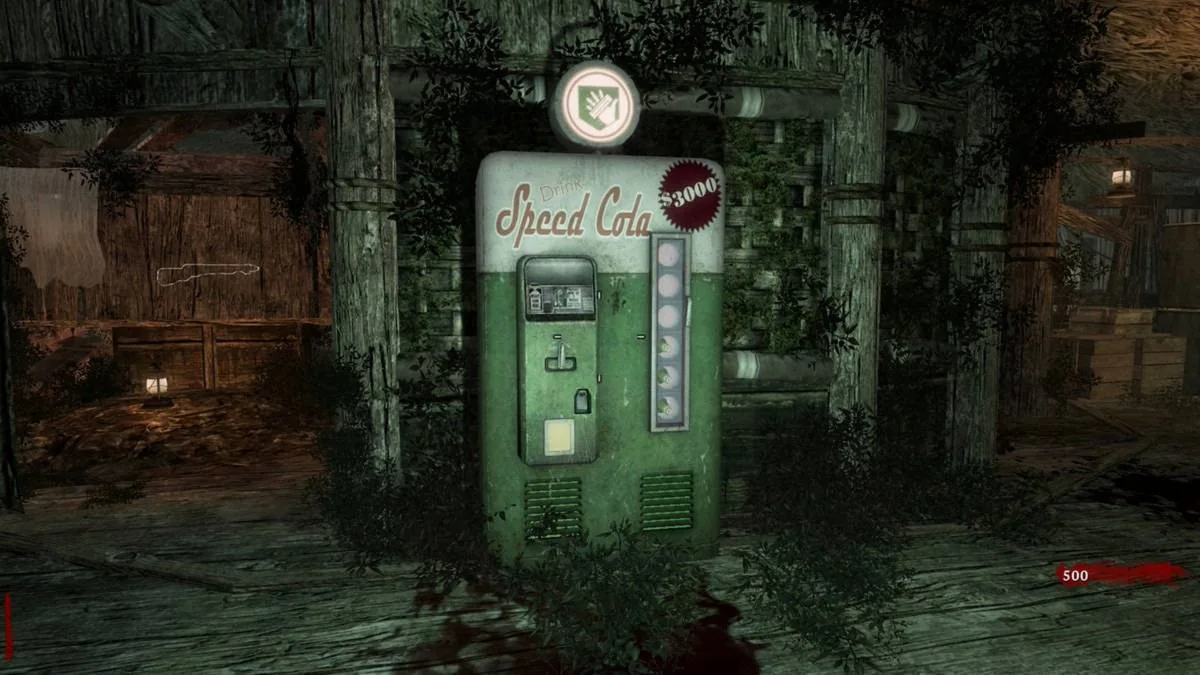
Houston joined Treyarch in 2006, starting with a modest post as a video editor on Call of Duty 3 before moving into game writing [1]. Call of Duty 3 launched on older gaming consoles, appearing on hardware such as the Nintendo Wii, PlayStation 2, and the original Xbox [2]. His responsibilities grew as studio leads trusted him with scriptwriting and character lines. When Call of Duty: World at War arrived in 2008, he stepped into the role of main writer for its newly created Zombies mode, while also helping write military campaign missions [1]. Over the following years, his writing spanned multiple console cycles including the PS3, Xbox 360, PC, PS4, Xbox One, and current systems like the PS5 and Xbox Series X/S [2].
After World at War, Houston earned credits as both writer and designer on Black Ops 1, Black Ops 2, Black Ops 3, and Black Ops 4. Black Ops titles defined the Xbox 360 generation of first-person shooters, winning praise from players who appreciated rich character dialogue and surprising plot turns. Dom Peppiatt of Eurogamer highlighted the character work and emergent storytelling from that Xbox 360 era as a high point for Treyarch narrative design [2]. Houston built a reputation for balancing grounded military fiction with intricate, mysterious puzzle elements [1].
Later in his career, he joined broader creative development and design groups within Treyarch. His credits covered Modern Warfare, Black Ops – Cold War, Vanguard, Modern Warfare 3, Black Ops 6, and Black Ops 7 [2]. But he was not credited on this year’s Modern Warfare 4. His absence from the credits showed his duties had already shifted before the job cuts took place [1].


The Zombies Storyline
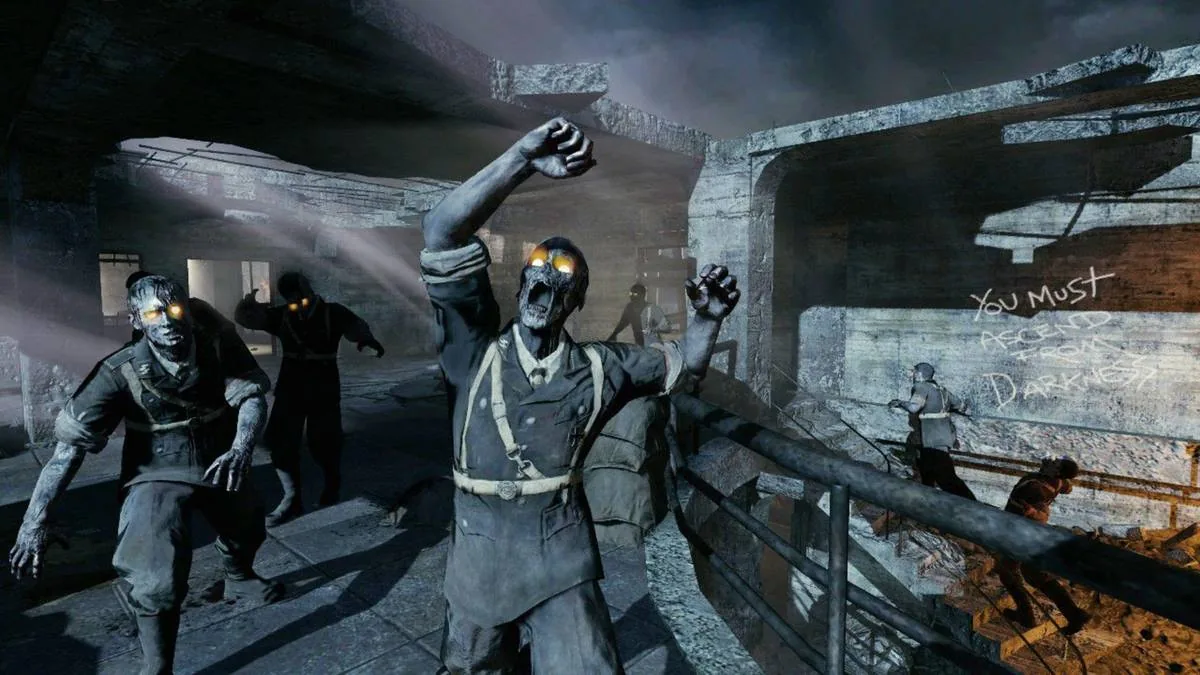
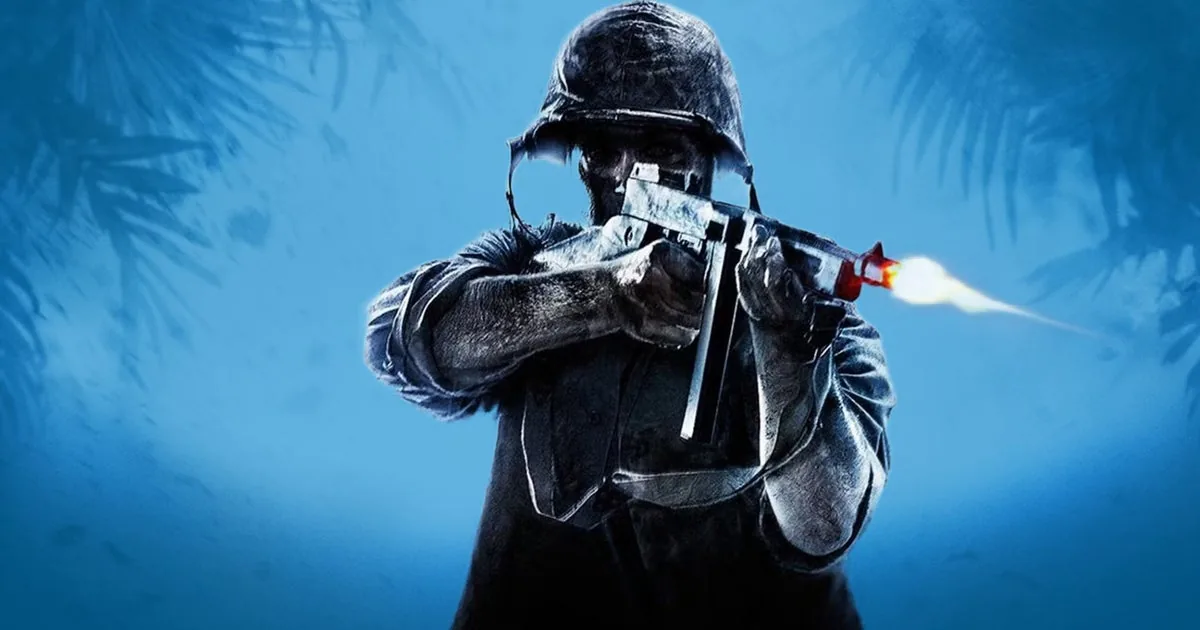
Zombies defined his career. The mode originated as an uncredited Easter egg unlocked after the campaign credits rolled in Call of Duty: World at War, but players embraced its tense survival mechanics almost immediately [1]. Houston worked with key developers including Jimmy Zielinski, Jason Blundell, and Kevin Drew to expand that basic concept into an expansive fiction filled with radios, secret ciphers, and deep character backstories [2].
DualShockers writer Linda Güster pointed to Houston’s work on the original Perk Jingle music as one of his most memorable contributions to the community. Houston composed the jingles for the perk vending machines first introduced on the Verrückt asylum map, including Speed Cola. If players ever caught themselves humming a vending machine tune at 2 a.m. while fighting off an undead horde, that Perk Jingle came directly from Houston’s writing. These audio cues brought distinct charm to a grim horror setting [1].
The mode became a fixture of Call of Duty [2]. Houston’s writing gave the cast distinct personalities, keeping fans invested across alternate realities, dimensions, and multiple game cycles [1].
Fan Responses to Treyarch Layoffs Online
News of Houston’s departure brought strong support across online communities where players gathered to celebrate his legacy [1]. On Reddit, fans praised his passion, saying his love for the story was obvious in promotional clips and interviews. One community member wrote that “Craig is a great guy,” adding that “You can tell how much he loves the story/characters he writes just by how excited he is when he talks about them in promo material” [2]. Players shared their favorite quotes and remembered Easter egg hunts that Houston helped script over the past twenty years [1].
Many fans admitted they didn’t know his name until after Black Ops 3, even though he had written for the series from the start. In game development, public directors and trailer personalities get most of the attention. The writers crafting the dialogue and lore often remain in the background. Discussions surrounding these Treyarch layoffs pointed out that Houston had earned a lasting place in Call of Duty history, even if his name was not always front and center [1].
Losing twenty years of story knowledge is hard for any creative team to replace. Houston understood every character arc and plot twist inside out [1]. His deep institutional knowledge helped keep the narrative consistent across different console generations [2].
Context Behind Treyarch Layoffs at Xbox
Treyarch layoffs connect directly to wider corporate downsizing at Microsoft. Earlier this year, Xbox announced plans to eliminate 3,200 jobs across its studios, and because Treyarch operates under Activision Blizzard, the developer was ultimately drawn into those corporate reductions as budgets shifted across the division [1]. Multi-billion-dollar publisher acquisitions have prompted belt-tightening throughout the gaming sector [2].
While Houston did not complain about studio leadership, the timing links straight back to parent company changes. The recent Treyarch layoffs show that long tenure does not protect creative leaders when corporate budgets tighten [1]. Treyarch must now manage future storylines without one of its longest-serving writers [2].
As Treyarch builds future titles, the developer will carry forward a legacy that Houston helped construct over two decades [1]. Fans will watch how coming installments handle story lines and character dynamics without him. For millions of players who grew up playing late-night Zombies matches, his creative voice will remain tied to Call of Duty [2].
- ONLINE NEWS Güster, L. (2026, November 15). Treyarch lays off Call of Duty Zombies writer Craig Houston. DualShockers. [Article Link]
- ONLINE NEWS Peppiatt, D. (2026, November 15). Treyarch lays off lead Call of Duty writer and Zombies veteran after “approximately 20 years” of service. Eurogamer.net. [Article Link]


