



Garmin is taking a calm path with artificial intelligence across its sports gear, favoring clean facts over digital coaching hype, according to Chief Operating Officer Brad Trenkle [1]. Speaking with TechRadar writer Matt Evans in an interview out on November 7, 2026, Trenkle said any smart tool in Garmin Connect must offer honest numbers to runners and cyclists who track workouts every morning. Rival apps push chat bots, but Garmin links its software with real human coaching through its July purchase of TrainingPeaks [2].
Pragmatic Engineering Behind Active Intelligence
Garmin builds its business on hardware engineering rather than software fads [1]. “I think because Garmin is a very engineering-focused company, we tend to be very pragmatic in all of our decision making,” Trenkle said. That mindset guides how the group treats AI. Misleading data can push runners into overtraining, exhaustion, or bad injuries [3].
Trenkle said that this practical focus shapes consumer products as well as internal office tasks. “One of the key tenets of how we’ve implemented AI across the company, not just in product but even internally in our own processes, is that any application of AI needs to keep a very keen sense of authenticity,” Trenkle said. Garmin avoids chatty bots that try to mimic human friends, because fake warmth can irritate serious athletes who just want accurate pace splits and recovery feedback. Evans, who wrote The Health Data Heist for Bloomsbury after studying at Cardiff, noted that fitness platforms often fill apps with sycophantic text. Garmin prefers simple, honest numbers [1].
Meanwhile, rapid software trends have triggered headaches for the developer team. Wait times in the Connect IQ store grew to two weeks during autumn as submissions surged, with creators blaming cheap auto-built watch faces for the line. Trenkle has spent recent talks with reporter Billy Grenis of Garmin Rumors & News focusing on MIP screens, MicroLED parts, and titanium on the MARQ Gen 3 [2].
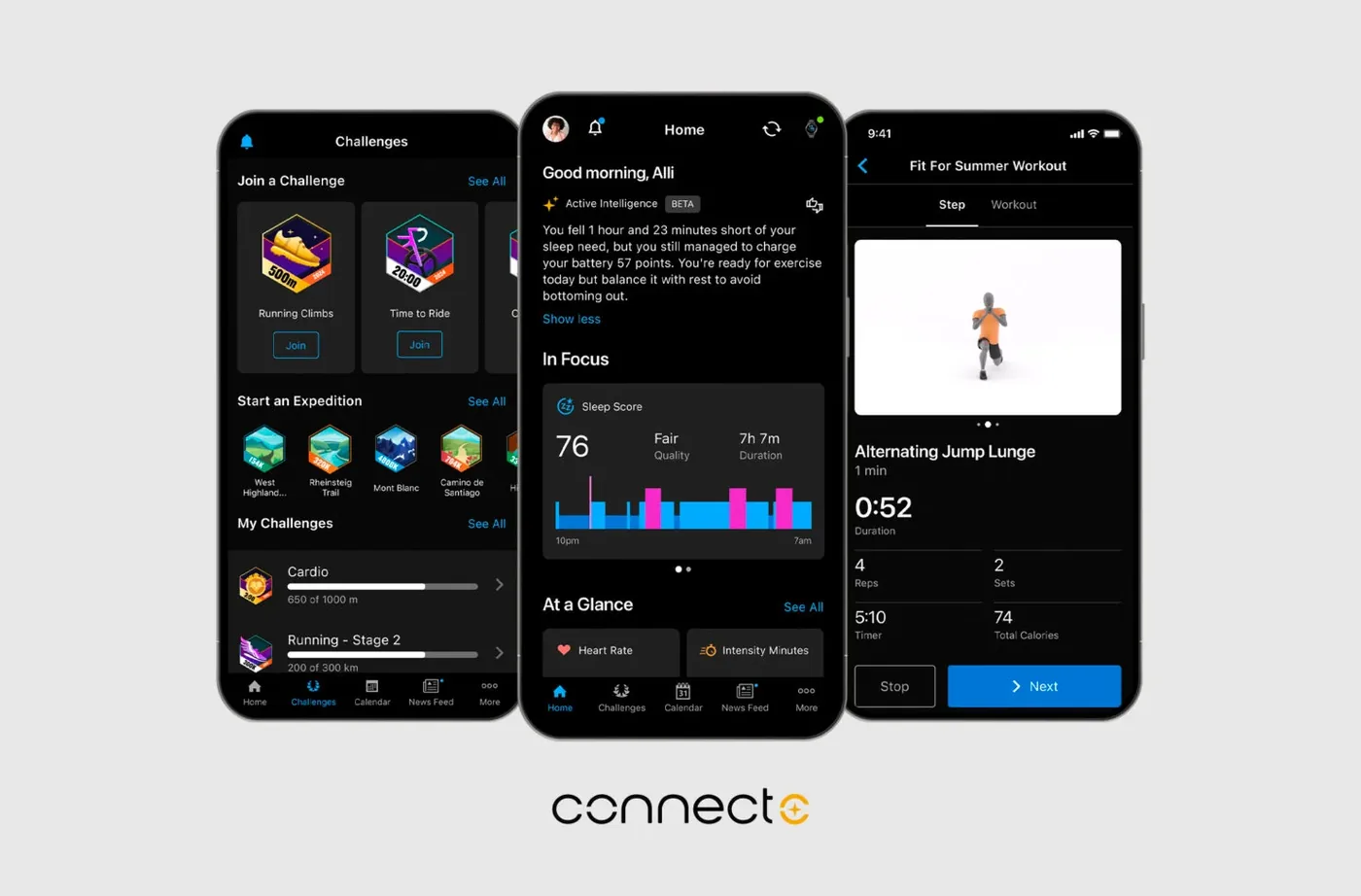
Garmin Connect Subscription Adds Active Intelligence
Garmin brought its first major machine learning tool to users through the Connect+ service in March 2025. The subscription costs $6.99 every month or $69.99 for an annual plan, with a 30-day free trial on mobile phones [4]. Many athletes questioned whether text summaries were worth extra money when basic sports tracking had long been free [2].
The text model behind Active Intelligence was trained on more than 8 trillion tokens of text, combining web files, math rules, and code to teach the tool structured reasoning. The company also fed it a small set of opt-in user fitness logs so it could recognize terms like training load, rest periods, and oxygen burn. Garmin makes clear that these tips do not offer medical advice and have never been reviewed by the U.S. Food and Drug Administration (FDA) [4]. CEO Cliff Pemble stepped in after early user criticism, telling reporters that AI insights would remain inside Connect+ so that all existing features in the free Garmin Connect app stay free [2].
Analyst David McQueen of ABI Research told Yahoo Tech reporter Samantha Kelly that paid software plans remain rare on standard wrist trackers. Most memberships grew around smart rings like the Oura Ring, which rely on subscriptions for monthly income. Garmin entered the paid space for deep data, but it kept basic fitness tracking open to protect customer goodwill [6].


Human Coaching Options Through TrainingPeaks
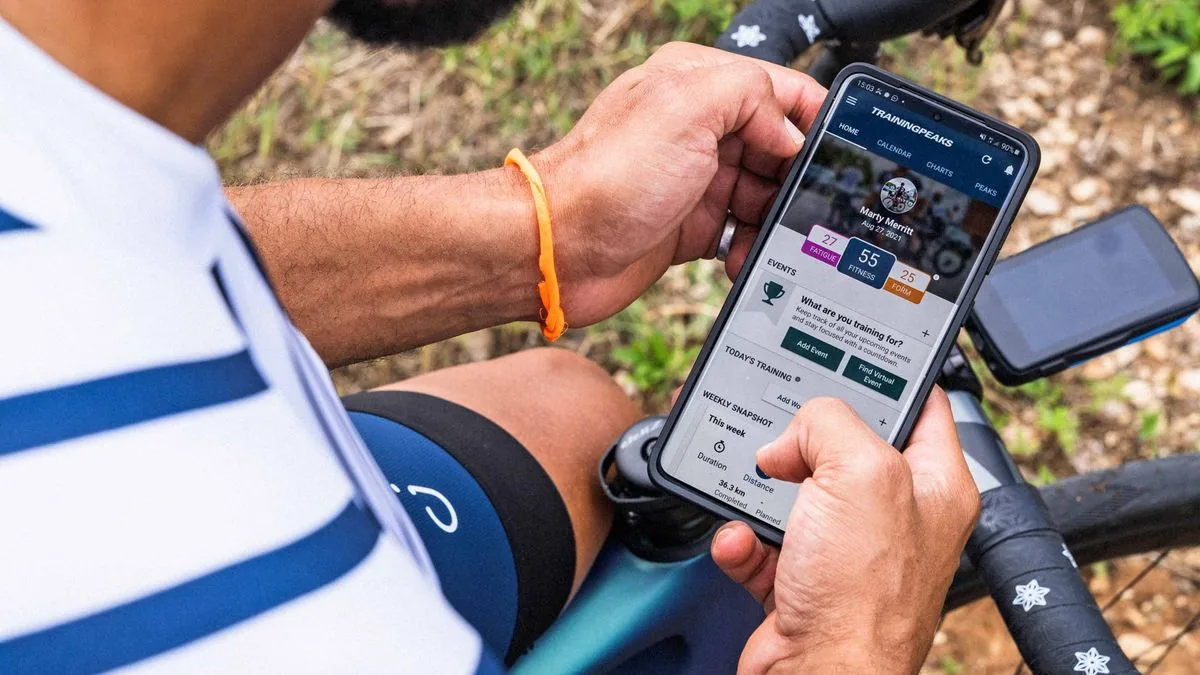
Garmin finalized its buyout of TrainingPeaks and TrainHeroic in July [2]. Competitors like Strava launched Athlete Intelligence, and WHOOP added an AI coach bot, but Garmin chose to invest in human guidance to meet athletes where they are [1]. The deal lets athletes pick between quick software tips and real mentors who understand fatigue, family life, and shifting race goals [3].
Trenkle said buying the coaching firm was meant to give endurance athletes direct access to experienced mentors. “Our recent acquisition of TrainingPeaks is an opportunity for us to make sure consumers who want to be able to engage with a human coach can do so through the TrainingPeaks platform,” Trenkle said. He admitted that an AI tool can answer basic questions about daily workout totals, but a bot can’t match a living coach for grit, accountability, and mental calm before a marathon [1]. Athletes need human empathy when training gets tough, and technology should support that bond instead of trying to replace it [3].
Today, Garmin runs TrainingPeaks as an independent service with its own memberships and mobile app. Leadership hasn’t said if the platform will fold into Connect+ in future seasons. Keeping it separate allows independent running, cycling, and triathlon coaches to build plans on their own terms without forcing athletes into one single software silo [2].
Garmin Connect Relies on Firstbeat Physiological Models
Garmin’s fitness data does not depend on new generative text models; it rests on decades of lab research that expanded when the company bought Firstbeat Analytics in June 2020. Firstbeat grew from sports studies at the University of Jyväskylä and the Finnish Olympic Sports Research Office. Its math models turn pulse data into clear metrics. That work runs through Garmin Connect today, delivering Heart Rate Variability (HRV), Body Battery energy curves, VO2 max scores, and lactate threshold flags [4]. These metrics rely on proven science rather than predictive guessing, giving athletes consistent data from one training block to the next [3].
These physiological tools give Garmin strong stability across its catalog [3]. A runner looking at Excess Post-Exercise Oxygen Consumption (EPOC) receives numbers refined through twenty years of testing [4]. Trenkle said Garmin knows its users because it designs its own chips, sensors, and code, and staff members test the watches during their own morning runs [1].
Hardware research moves ahead as well. A patent for pressure compensation in pulse spectrometry (Application 20250134464, filed in October 2024 and published in May 2025) details ways to track sensor touch against skin [4]. Better wrist contact yields cleaner pulse signals during hard sprints, so algorithms work with solid input instead of guessing through sensor wobble [3].
Ecosystem Expansion and Future Hardware Support
Garmin updated its sports software in February 2026, rolling out on-wrist Gear Tracking and circadian Sleep Alignment, as Andre Larson reported for Garmin News. The release serves modern watches like the fēnix 8 lineup, with Venu 4, Venu X1, and Forerunner 970 units. Athletes can log miles on specific shoes and track hours on bike chains. It also introduced the Garmin Fitness Coach, which updates cardio plans on the fly based on fatigue instead of sticking to static paper charts [5].
The rollout also drew a line between fresh models and older watches. High-end units gained Course Planner cutoff alerts, but entry devices like the Forerunner 165 did not get the new coaching tools. Garmin keeps older gear in maintenance mode with bug patches, focusing its main software energy on its newest AMOLED screens [5].
Beyond sports watches, Garmin applies autonomous software to flight decks and boats, as Dr Hernani Costa documented on DEV Community. Its Autoland system, which won the Collier Trophy in 2020, can fly and land an airplane if a pilot passes out. In cars, the firm works with Qualcomm on digital cockpits using Snapdragon Cockpit Elite chips [4]. In each field, Trenkle’s rule holds true: smart software must perform with strict reliability, or consumers will quickly lose faith in automated tools when real race pressure mounts [1].
- ONLINE NEWS Evans, M. (2026, November 7). Exclusive: Garmin’s top brass says ‘any application of AI needs to keep a very keen sense of authenticity’ — but wants to keep its TrainingPeaks service human. TechRadar. [Article Link]
- WEBSITE Grenis, B. (2026, November 8). Garmin COO on AI: ‘A very keen sense of authenticity’. Garmin Rumors & News. [Article Link]
- WEBSITE ICT BYTE. (2026, November 8). Garmin AI strategy balances tech and human coaching. ICT BYTE. [Article Link]
- WEBSITE Costa, H. (2026, February 14). Garmin’s AI bet: From wearables to autonomous flight. DEV Community. [Article Link]
- WEBSITE Larson, A. (2026, February 24). Garmin Q1 2026 update: New gear tracking, circadian sleep alignment, and AI coaching debuts. Garmin News. [Article Link]
- ONLINE NEWS Kelly, S. (2025, March 27). Garmin embraces AI fitness trend with paid Connect Plus service. Yahoo Tech. [Article Link]


