





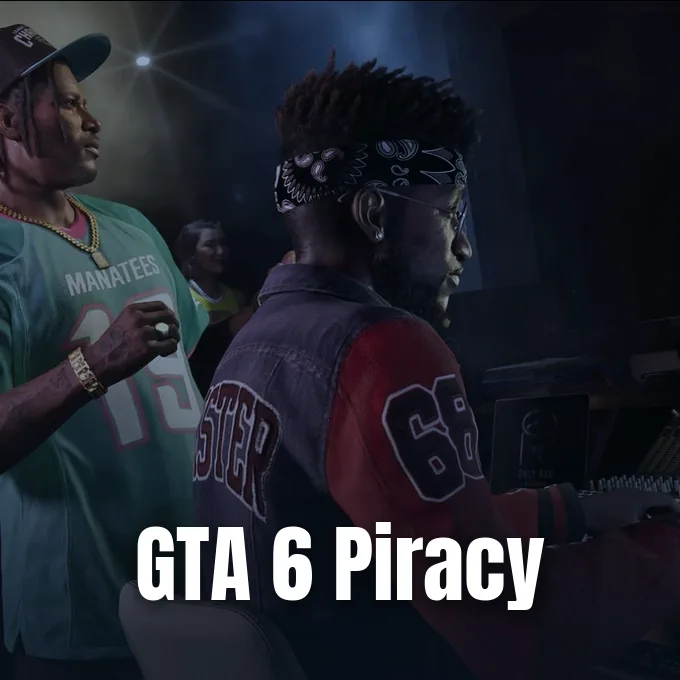
Take-Two CEO Strauss Zelnick said that Take-Two is stepping up technical shields against GTA 6 piracy, pointing to the rapid rise of generative AI and fan-made PC recomp projects. Speaking during an investor call, Zelnick said that gaming has stayed mostly immune to illicit copies so far, but new auto software tools present fresh tests for upcoming releases. Take-Two wants to protect the creative work of Rockstar Games before Grand Theft Auto 6 arrives for players [1, 2].
Zelnick Addresses GTA 6 Piracy Concerns
Zelnick addressed the shift and wider talk of GTA 6 piracy during an interview with IGN, saying that automated tools make cloning an immediate issue for game makers. He said that piracy is bound to touch the gaming world, but proper preparation keeps Take-Two steady [1, 2]. “Undoubtedly, it would be very difficult to replicate the experience of consuming our game as intended because of technical limitations,” Zelnick said during an investor call [2].
Zelnick drew a clean line between creative integrity and financial damage. He told IGN that unauthorized reproductions do not pose a direct threat to the financial health of Take-Two. “I don’t think it’s a financial matter, in terms of a threat to our business,” Zelnick said, adding that player expectations matter more than short-term balance sheets. “I do think it’s a creative matter. It’s important to everyone, our developers and our consumers alike, to deliver the experience Rockstar envisions. And at the same time, of course, we protect our intellectual property vigilantly, so we are focused on these concerns and we’re not in the least cavalier about them. Technology is advancing quickly. And at the same time, I do think that pretty much everyone wants the Rockstar experience as Rockstar intended” [1].
These protective steps match the wider commercial plans across Take-Two, where Take-Two CEO Strauss Zelnick demands an aggressive GTA 6 push in preparation for the upcoming launch. Zelnick said that fans want the authentic experience that Rockstar planned, rather than an unpolished clone assembled through machine learning tools [1].
AI Recompilations and Console Exclusivity
In recent months, hobbyist programmers have turned to vibe-coded recompilations to convert console titles for personal computers. Automated decompilation scripts helped coders produce working PC builds of older console games, including Crash Team Racing and The Legend of Zelda: Link’s Awakening. These tools rebuild software much faster than manual reverse engineering, but the practice leaves a sour taste for many creators who see their work repurposed without permission. Unapproved ports now appear online at breakneck speed [2].
The discussion intensified after Oisin Kuhnke of Rock Paper Shotgun pointed out that Grand Theft Auto 6 is set to run at 30fps across all console systems, leaving PC owners who track modern GPUs without an immediate version. Because Rockstar is releasing GTA 6 only on consoles first, millions of PC gamers can’t play on launch day unless they purchase a PlayStation or Xbox [1, 2].

Amateur coders use the delay between console and PC debuts to experiment with machine learning. Coders hope automated tools might translate console code into bootleg PC software. But Zelnick said that replicating a complex open-world game remains far out of reach for automated recompilers: “Undoubtedly, it would be very difficult to replicate the experience of consuming our game as intended because of technical limitations”. GamesRadar reporter Scott McCrae observed that players frequently double dip on major Rockstar releases, buying the console edition on day one and later picking up the PC edition when it arrives. That buying pattern has defined Rockstar releases for years [2].

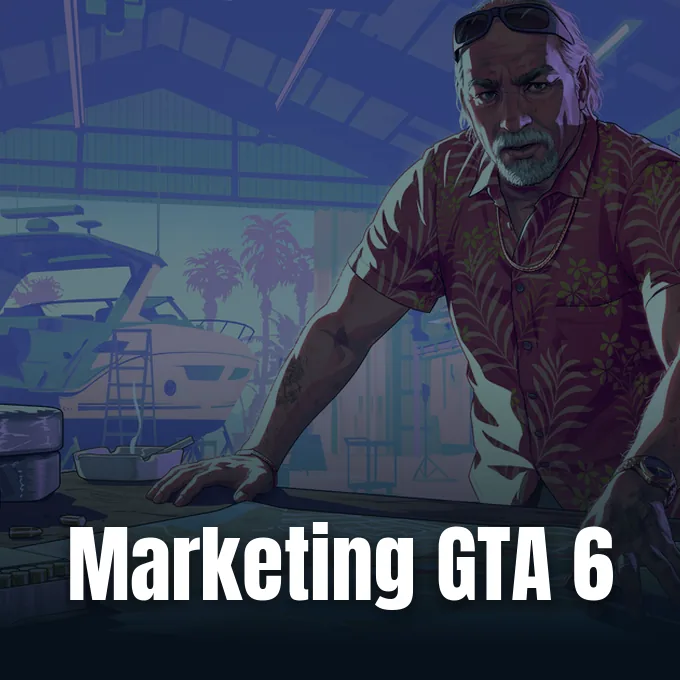
Rockstar Release Timelines on PC
The delay between console and computer versions has been standard practice for Rockstar across past generations. Former Rockstar Games technical director Obbe Vermeij recently shared his perspective on how Rockstar approaches computer ports. Vermeij said that Rockstar usually waits at least a year before delivering a dedicated PC build [2].
However, Vermeij thinks that rising interest in machine learning recompilations might alter that familiar release pattern. He suggested that Rockstar might move faster than its typical twelve-month window to get ahead of fan-made conversion projects. If community coders manage to assemble even a crude playable conversion, waiting a full year could allow unofficial versions to spread through file-sharing websites. An early PC launch would remove the incentive for gamers to seek out bootleg ports [2].
Even if hobbyists build a working PC conversion, it can’t match what the developer delivers. Scott McCrae pointed out that most players will abandon unofficial builds as soon as the real port arrives. Official computer releases include access to GTA Online, a feature that pirated offline recompilations can’t provide [2].

Generative AI Models and Developer IP
Zelnick also questioned the behavior of large AI vendors that use copyrighted media to train commercial software models. Speaking about genAI cloning, he said that tech firms should protect outside copyrights just as fiercely as their own assets. He specifically pointed to leading AI developers like Anthropic and OpenAI, arguing that double standards in software licensing harm the creative community. Both firms invest heavily in protecting their own proprietary systems, yet they rely on vast pools of creative material produced by outside artists and software engineers without compensating the original authors [1].
Zelnick did not mince words when discussing the relationship between foundation models and creative work. “If you’re in the intellectual property business, which Anthropic is and OpenAI is, then it seems ironic on the one hand to stomp on someone else’s IP and hope that yours is protected,” Zelnick said. He said that Take-Two isn’t in the least cavalier about preserving its rights against systems that scrape game assets. Protecting proprietary code requires constant vigilance as new models appear. Take-Two intends to defend its developers from tools that copy digital designs without a license [1].
Zelnick said all companies in the technology sector need to respect the intellectual property of other creators. He argued that building powerful models doesn’t give developers a pass to disregard copyright laws. Take-Two intends to hold AI companies accountable for the data they ingest [1].
Defending Against GTA 6 Piracy
To protect its flagship game, Take-Two is pairing digital locks with serious legal preparations against GTA 6 piracy attempts [1, 2]. During an investor Q&A session, Zelnick outlined Take-Two’s dual approach to copyright protection. “[Piracy is] going to become more of a challenge… and we’re aware of that,” Zelnick said, stressing that Take-Two is “utterly focused on enhancing our technical defenses and enhancing our legal activities appropriately”. Take-Two recognizes that stopping illicit software requires both courtroom enforcement and engineering barriers [1].
Zelnick added that digital bootlegs will touch the gaming market, but experienced management keeps the threat contained [1, 2]. “And at the same time, without in any way being cavalier, every entertainment business that exists is subject to some element of piracy,” Zelnick said during the investor call. “So this is likely to invade our business to a greater or lesser extent, but I think it will be manageable and we are focused on it”. He pointed out that piracy invaded music and film earlier, but gaming enjoyed stronger historical barriers that Take-Two plans to keep firmly in place [1, 2].
Take-Two does not expect fan-made conversions to derail its commercial plans [1, 2]. Essentially, Kuhnke observed that attempting to clone GTA 6 with AI tools will invite the wrath of multi-billion dollar corporate legal teams. Zelnick concluded that as technology moves fast, fans still want the authentic Rockstar experience rather than an unapproved bootleg. With robust digital protections and legal teams ready to act, Take-Two feels confident it can keep unauthorized copies in check [1, 2].
- ONLINE NEWS Kuhnke, O. (2026, November 10). Ahead of GTA 6 and as concerns over genAI PC ports grow, Take-Two’s CEO says they’re revving up their “technical defences” and “legal activites” over piracy. Rock Paper Shotgun. [Article Link]
- ONLINE NEWS McCrae, S. (2026, November 10). GTA 6 CEO says “this business has been largely immune to piracy concerns” but AI-generated recomps are making it “more of a challenge”. GamesRadar+. [Article Link]


