





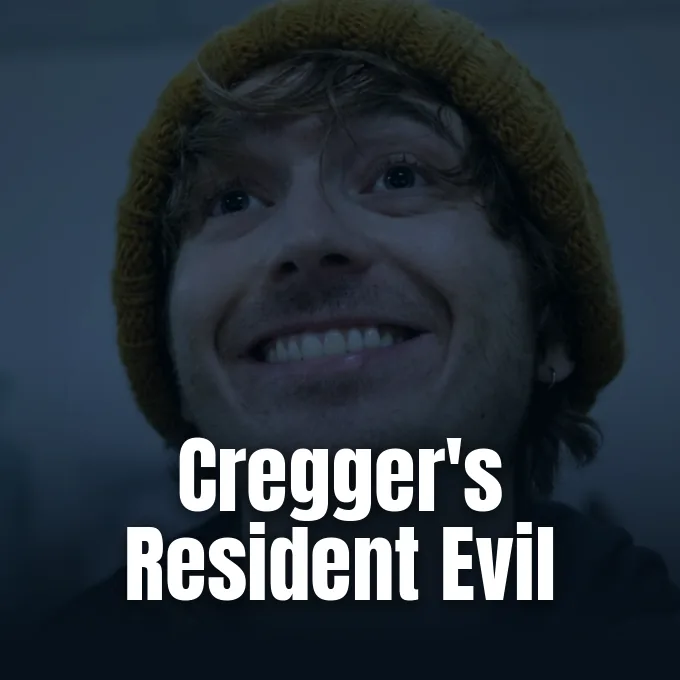
Early Resident Evil movie ratings surged to an unprecedented 98 percent on Rotten Tomatoes when review embargos lifted on September 16 ahead of the theatrical debut. Director Zach Cregger sidestepped traditional franchise heroes to follow an everyday courier trapped during a viral disaster. The near-unanimous critical response establishes Cregger’s project as the highest-rated video game adaptation in cinema history. [1, 4]
Resident Evil Movie Ratings Break Records
Reviews arrived rapidly on Wednesday. Across 56 published critic reviews recorded on Rotten Tomatoes (the critical review aggregator calculating overall positive review percentages), 55 reviewers gave enthusiastic endorsements while only one dissented. Critical tracking confirms that the resulting 98 percent debut elevates Zach Cregger’s production far above every previous benchmark in gaming cinema. The previous record belonged to Sonic 3 with an 86 percent approval score, matching Werewolves Within at 86 percent, while The Angry Birds Movie 2 achieved 72 percent. Reviewers celebrated the film as brutally clever, jaw-dropping, and an authentic horror blockbuster. The substantial gap separating this release from earlier video game cinema shows how dramatically these Resident Evil movie ratings have altered industry expectations. [4]
GameSpot evaluated the production with an 8 out of 10 score, highlighting that Cregger successfully captured the breathless terror of original survival gaming. The outlet commended the director, celebrated for helming Barbarian and Weapons, for translating interactive suspense into palpable dread. How did a production that bypassed legacy gaming characters earn such unanimous acclaim from veteran critics? Cregger refused to assemble hollow fan service, choosing instead to replicate the claustrophobic dread that first made the interactive franchise terrifying. [3, 4]
George Foster of TheGamer reported that intense skepticism had shadowed Cregger throughout the promotional press tour. Initial skepticism dissolved completely. Many gaming enthusiasts questioned whether an original narrative lacking familiar heroes deserved to carry the title. Foster observed that the overwhelming critical response proved Cregger right all along, demonstrating that sidestepping established video game plots allowed the production to construct genuine cinematic terror. [4]

Bryan’s Desperate Path Through Raccoon City
Austin Abrams anchors the narrative as Bryan, an organ courier (a specialized medical driver transporting vital human organs) who unexpectedly enters Raccoon City at the height of the viral catastrophe. The storyline replaces invincible commando squads with an ordinary citizen thrust into chaotic survival. Jesse Hassenger of The Guardian awarded four out of five stars, describing the narrative as a wild rollercoaster ride propelled by escalating tension and Abrams’ performance as an endearing everyman. [1]
Clarisse Loughey of The Independent also awarded four out of five stars, praising the film as funny and delirious while comparing the experience to playing a great video game. Empire critic Harry Stainer took a slightly more measured stance, giving three out of five stars while describing the release as one of the most video game-y adaptations to ever grace the screen. Perspective shaped each verdict. Top critics largely agreed that Abrams navigates the bizarre adventure with remarkable grounded charisma. [1]
Michael Manning of DualShockers explained that setting Bryan’s plight during the iconic Raccoon City Incident from Resident Evil 2 and Resident Evil 3 allowed Cregger to stage fresh drama across legendary geography. Navigating burning streets without tactical training emphasizes everyday vulnerability rather than superhero combat feats. Destructoid’s Tiago Manuel jokingly speculated about a sequel sending Bryan to a Spanish village, but current excitement focuses entirely on how these soaring Resident Evil movie ratings reward grounded human stakes. [1, 2]


Balancing Genuine Scares With Dark Comedy
Brian Orndorf of Blu-Ray.com delivered the sole negative review, awarding a 5/10 score while arguing that wacky levity undermined legitimate horror mayhem. [1]
DualShockers examined how horror and comedy embolden each other throughout Cregger’s career, pointing to his formative tenure with comedy troupe The Whitest Kids U’Know and his direction of horror thrillers Barbarian and Weapons. Manning observed that levity functions as an intentional storytelling tool to lower audience defenses moments before visceral terror erupts. That balance required a deliberate emotional recalibration during post-production (the post-production stage where edits and audio tracks are finalized), as earlier test screenings led to trimmed comedic scenes that risked overpowering dramatic suspense. [2]
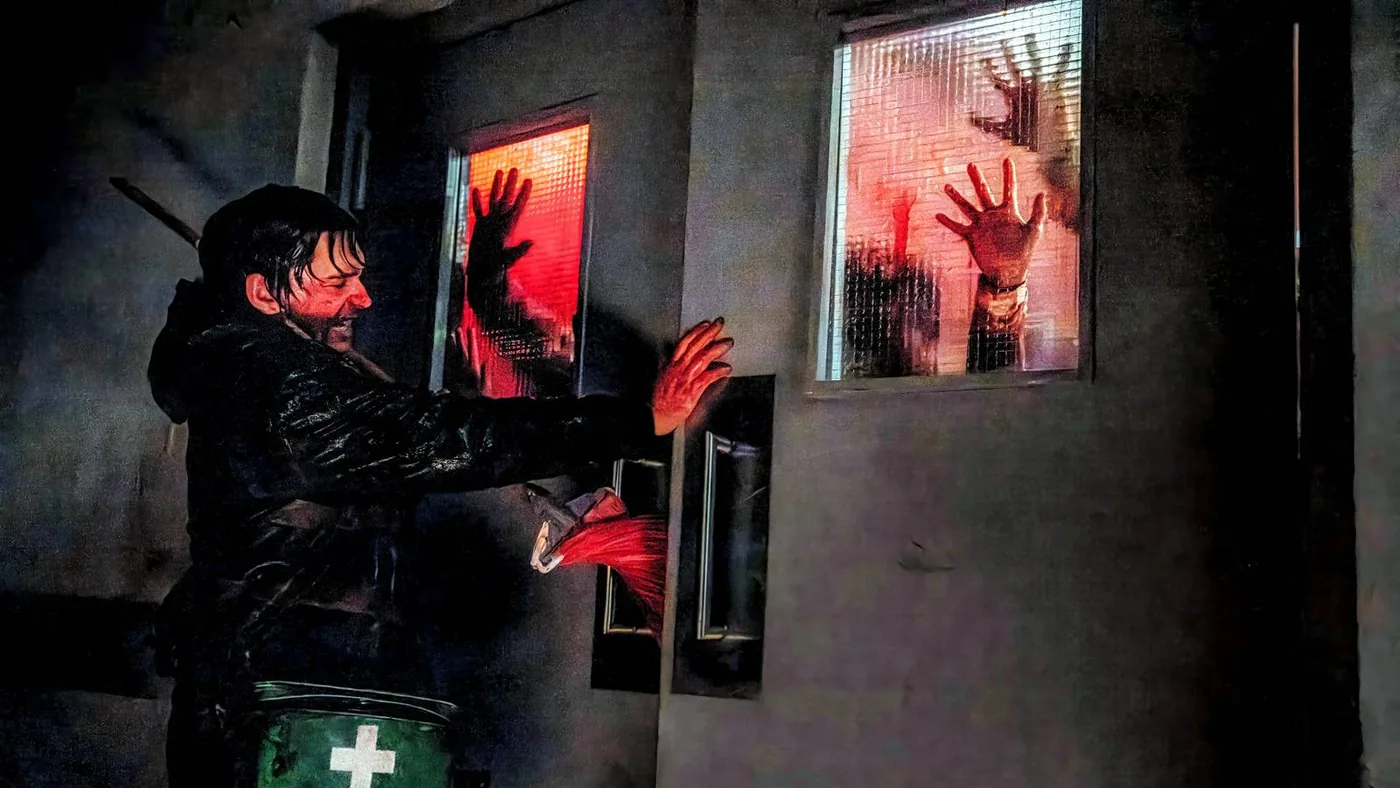
Orndorf labeled the result an almost frustrating viewing experience divided between monstrous mayhem and goofy jokes that never settle into a consistent tone. Mainstream critics disagreed entirely. Clarisse Loughey celebrated the delirious energy, while Destructoid’s Tiago Manuel observed that the original 2002 adaptation by Paul W. S. Anderson held up best when embracing unpredictable weirdness. Those unexpected comedic rhythms ultimately explain why Resident Evil movie ratings climbed so swiftly across industry aggregators. [1, 4]
Why Past Video Game Movies Failed
Why have earlier video game adaptations stumbled so regularly with critics? Michael Manning argued that previous cinematic iterations under Paul W. S. Anderson abandoned the true tone of the series in favor of pulpy, off-the-wall action spectacles. As explored in foundational horror designs created by Shinji Mikami, tension derived from resource management (the survival horror mechanic of rationing scarce ammunition during exploration) while surviving the dark halls of Spencer Manor. Manning stressed that blasting pulsing monstrosities with devastating weapons provided emotional catharsis only because players endured exhaustive panic to reach that final victory. [2]
Adapting interactive games forces directors to decide how faithfully they must duplicate source plots. Manning noted that strict 1-to-1 adaptations, such as Knight of the Seven Kingdoms, can succeed when introducing an established story to wider audiences. However, medium transformations flourish when filmmakers use cinema’s distinct strengths to reinvent narrative material, much like Scott Pilgrim used different mediums to expand lore. Cregger embraced that philosophy by prioritizing thematic dread over literal cutscene recreation. [2]

George Foster pointed out that simply retelling Leon S. Kennedy’s established gaming missions would have trapped the production in redundant comparisons with existing game scripts. Audiences already know Leon survives superhuman combat challenges. Bryan’s civilian identity removed that protective plot armor, leaving viewers uncertain whether an ordinary medical courier could endure the viral onslaught. Dread replaced predictable spectacle. Foster concluded that this courageous storytelling choice proved instrumental in pushing Resident Evil movie ratings beyond any previous video game feature film. [4]
Theatrical Launch Tests Critical Acclaim
The theatrical rollout begins on September 18, 2026. The runtime spans ninety minutes. Co-written by Shay Hatten and Zach Cregger, the screenplay concentrates on intense pacing rather than sprawling franchise exposition. Supporting cast members Paul Walter Hauser as Carl, Kali Reis as Pauline, and Zach Cherry as Dave flesh out the panicked city populace encountering lethal bio-organic threats. Their collective presence provides crucial emotional stakes as ordinary citizens navigate catastrophic urban breakdown. [2, 4]
That concise running time mirrors Cregger’s disciplined horror construction on Barbarian and Weapons, where escalating narrative efficiency prevents unnecessary thematic bloat. Could public enthusiasm match the historic critical reception when wide audiences enter cinemas? GameSpot’s 8 out of 10 score and Rotten Tomatoes’ 98 percent rating have positioned the movie as an astonishing success story before widespread consumer screenings. Destructoid’s Tiago Manuel noted that Cregger is now accepting apologies from early detractors who doubted his unconventional vision. [1, 3, 4]
Video game adaptations previously struggled under cynical commercial execution, making Cregger’s critical victory a landmark turning point for the medium. Record Resident Evil movie ratings prove that honoring the psychological dread of interactive horror while creating original characters provides a compelling creative blueprint for gaming cinema. Whether casual theatergoers embrace an unfamiliar courier as enthusiastically as professional critics will determine the commercial future of this revitalized cinematic universe. The real test begins as theater doors open across the globe this weekend. [2, 4]
- ONLINE NEWS Manuel, T. (2026, September 16). Resident Evil director Zach Cregger is now accepting your apologies as it becomes the highest-rated video game adaptation ever. Destructoid. [Article Link]
- ONLINE NEWS Manning, M. (2026, September 16). Zach Cregger’s Resident Evil becomes the highest rated videogame adaptation ever. DualShockers. [Article Link]
- ONLINE NEWS GameSpot. (2026, September 16). Resident Evil is now the highest-rated gaming movie ever. GameSpot. [Article Link]
- ONLINE NEWS Foster, G. (2026, September 16). Resident Evil movie debuts to 98% on Rotten Tomatoes. TheGamer. [Article Link]


