






GOG senior business development and partnerships manager Marcin Paczynski told GamesRadar that he dreams of offering boxed releases directly to digital customers. While the storefront remains focused on digital downloads, discussions around GOG physical games have circulated inside the company for years. Turning that ambition into reality faces practical hurdles, since physical production demands warehouse storage and publisher agreements that GOG does not currently manage [2].
The Idea Behind GOG Physical Games
Paczynski outlined an on-demand distribution model where players could turn digital purchases into boxed copies for their home shelves whenever they choose. Under his proposed system, an account holder would open their web library, select an owned title, and order a manufactured copy shipped to their home address. “Ideally, my dream would be to be able to buy physical versions of those games on GOG. You go to your shelf on GOG, you click on the game that you would like to receive a physical copy of, you order it, and it gets to you. That would be a perfect scenario,” Paczynski said. He described this process as his dream for the digital storefront, though he acknowledged that building the system is “a very, very complicated thing” [2].
The digital storefront sells only DRM-free copies, so buyers receive standalone installers that run without background launchers or client software. That setup gives physical discs real independence. Discs would serve as permanent copies that publishers can’t revoke or alter remotely through account bans or server shutdowns [1].
The idea has sat on the company’s collective agenda for years, but turning it into a working service requires building operations that GOG has never handled [2]. Paczynski pointed out that selling physical media is “totally different from what we are currently doing.” The storefront has operated for over a decade as a digital distribution service, so creating boxed media would force the team to design fresh workflows from scratch. They must handle printing, disc replication, and postal fulfillment without losing money on small print batches [1].

Storage and Licensing Challenges
Physical distribution introduces major operational overhead that purely digital storefronts never face during ordinary sales operations [1]. Paczynski made clear that storage space and package handling present immediate friction for the company: “Because we are talking about physical media, we need to think about logistics. We need to think about storage.” Leasing warehouse facilities or contracting third-party logistics firms to manage packaging, stock tracking, and international parcel delivery demands upfront funding before a single box leaves the loading dock. For a company configured around web servers and digital downloads, managing pallets of cardboard and optical media creates ongoing warehouse expenses that can’t be trimmed easily if customer orders fluctuate [2].
Securing publisher consent presents another hurdle before GOG can press any discs. Many game publishers no longer maintain physical disc manufacturing pipelines. They often hesitate to approve small production batches for older games that generate modest digital revenue on PC storefronts [1].
Even console platform holders experience the heavy costs of boxed games when balancing retail margins against manufacturing expenses. Sony still sees substantial physical demand, with its own first-party titles generating 30 percent of total sales on physical discs. Yet Sony must yield a 30-percent cut to retail stores while funding the production of plastic cases and disc printing. Paczynski said GOG remains keen on overcoming these obstacles, adding, “I really hope that at some point we will be able to do it. We’ll see” [1].
Shifting Habits in PC Gaming
The PC market has moved steadily away from physical discs over the past fifteen years as hardware and network technology advanced. High-capacity solid-state drives and high-speed broadband connections made downloading multi-gigabyte game files far more convenient than swapping optical discs. As solid-state storage expanded and prices dropped, computer manufacturers stopped including optical disc drives in desktop cases and gaming laptops. Most PC players today do not own an internal disc drive at all. A boxed disc would sit primarily as a collectible item on a display shelf, unless a user buys a separate external drive just to read the game data [1].
Digital stores like Steam shaped consumer habits by providing instant downloads, automatic updates, and cloud saves. Steam offers broad convenience, but GOG sets itself apart by selling DRM-free installers that do not require store clients. That design allows players to back up setup files on local storage drives [1].
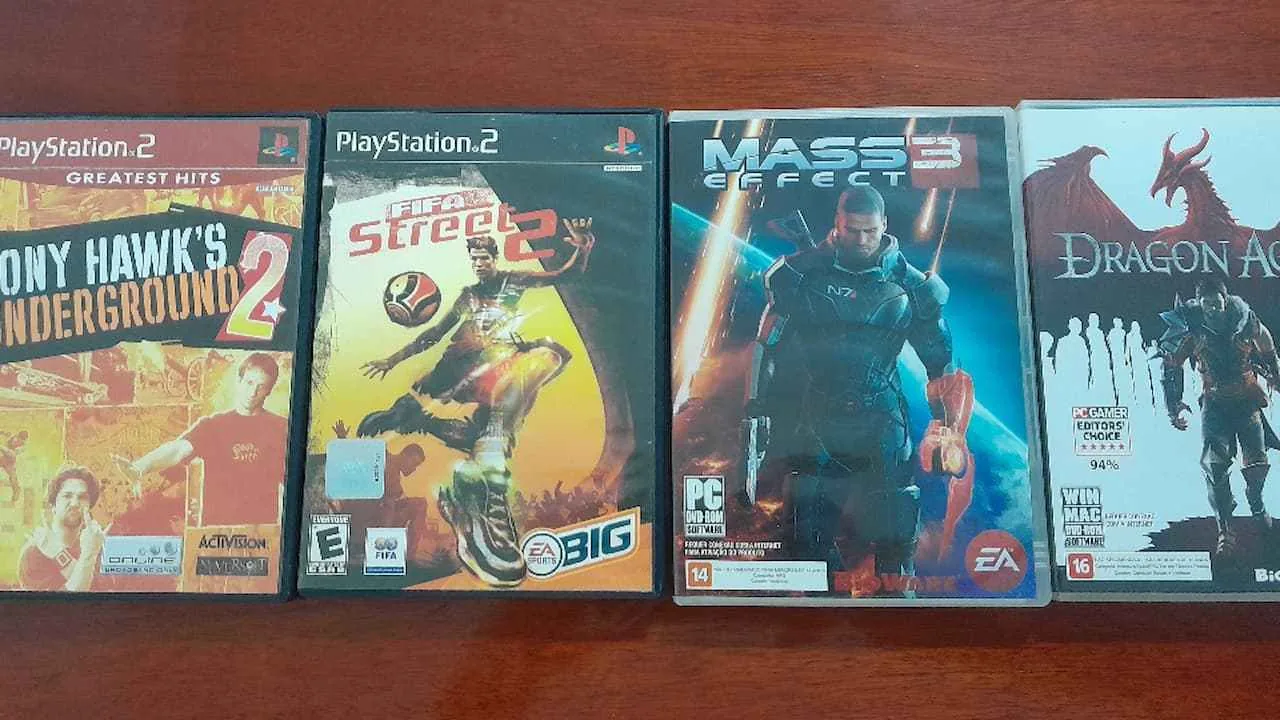
Despite the rise of digital convenience, nostalgia for old boxed releases remains strong among veteran players. Writers at PC Gamer recalled childhood memories of browsing cardboard boxes for Guild Wars: Factions and the original World of Warcraft release. Those vintage game packages featured embossed cover art, gatefold flaps showing fantasy artwork, and thick printed manuals that offered tangible context digital storefront pages can’t match [2].
Preservation and Physical PC Games
The renewed interest in physical PC games ties into broader concerns about digital game preservation across the industry. When digital storefronts delist games due to expired music licenses or corporate acquisitions, players can find their access revoked or altered without warning. GOG built its identity on updating retro PC software to run on modern Windows operating systems, but digital files still depend on local hard drive backups or active storefront servers. A pressed disc provides an offline safeguard if a storage drive fails or if an online storefront ever shuts its doors [2].
Preserving classic computer role-playing games has grown more urgent as vintage floppy disks and CD-ROMs degrade over time. PC Gamer pointed out that older games exist in a precarious state, especially when titles like Neverwinter Nights 2 face complicated licensing arrangements [2].
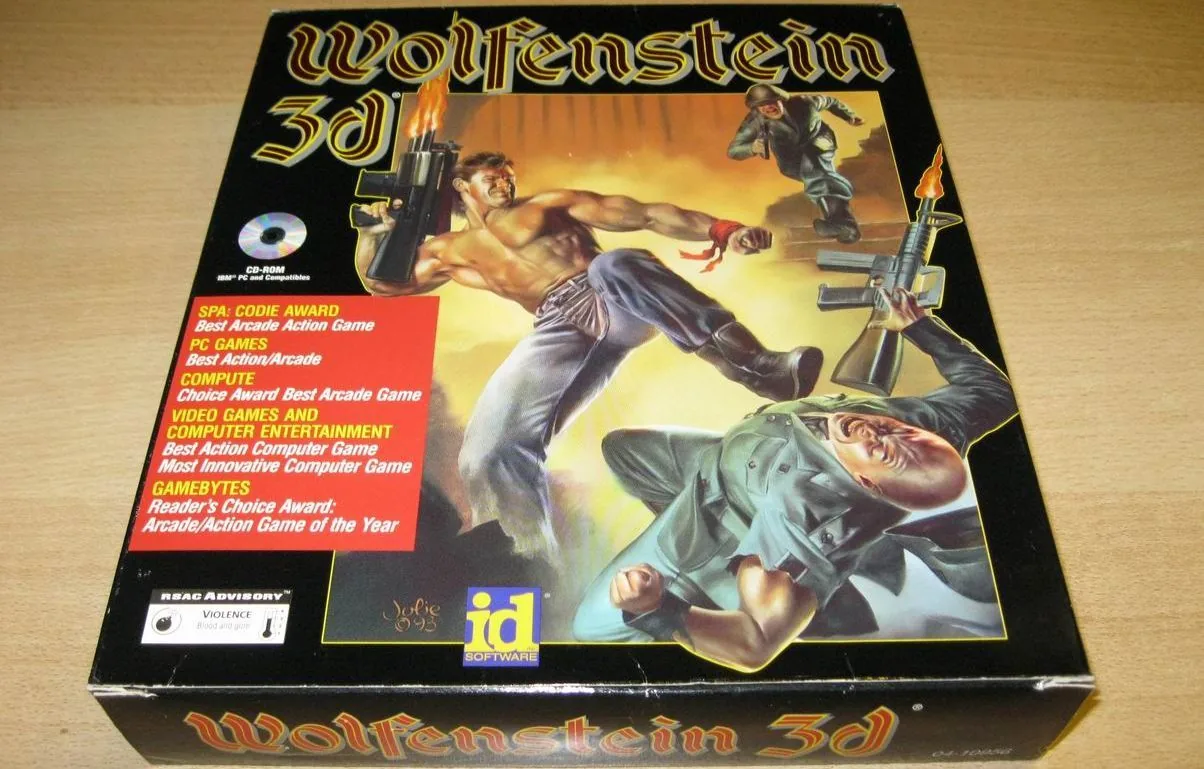
Physical releases also provide tangible ownership that digital libraries cannot deliver on computer screens. A printed disc and boxed package make a game easy to display on a bookshelf alongside books or memorabilia. While digital downloads prioritize immediate access, physical media provides a lasting archive that feels safe from sudden corporate policy changes or remote license revocations. For dedicated collectors, holding a boxed game creates a sense of permanence that digital licenses simply do not offer [2].
Alternative Options for Boxed Releases
While GOG explores the feasibility of on-demand physical copies, enthusiasts have developed community projects to recreate vintage packaging. Initiatives like the Big Box Collection project allow players to download high-resolution scans and print authentic cardboard boxes at home. These fan-made boxes let collectors display classic box art on their shelves without paying inflated prices on auction websites. The popularity of these DIY printing projects shows that demand for tangible PC gaming artifacts remains active, even among players who already own the digital licenses through storefronts like GOG or Steam [2].
Other collectors seek out original used copies from thrift shops and second-hand sellers. Even when vintage jewel cases have minor scratches or thrift store stickers, they carry nostalgic value for players who enjoy holding physical media from earlier gaming eras [2].
GOG’s willingness to investigate physical distribution proves that interest in tangible PC releases persists in a digital age. Paczynski made clear that the idea remains a long-term aspiration rather than a scheduled product rollout. If the storefront can untangle warehouse storage logistics and convince publishers to sign manufacturing deals, PC players might one day order physical copies of classic DRM-free games directly from their digital accounts [1].
- ONLINE NEWS Barovic, A. (2026, November 1). GOG wants to bring back physical PC games, just like in the good old days—but the logistics are ‘very complicated’. Destructoid. [Article Link]
- ONLINE NEWS Wagner, J. (2026, November 1). GOG wants to bring back physical games, but it’s ‘a very, very complicated thing’. PC Gamer. [Article Link]


