





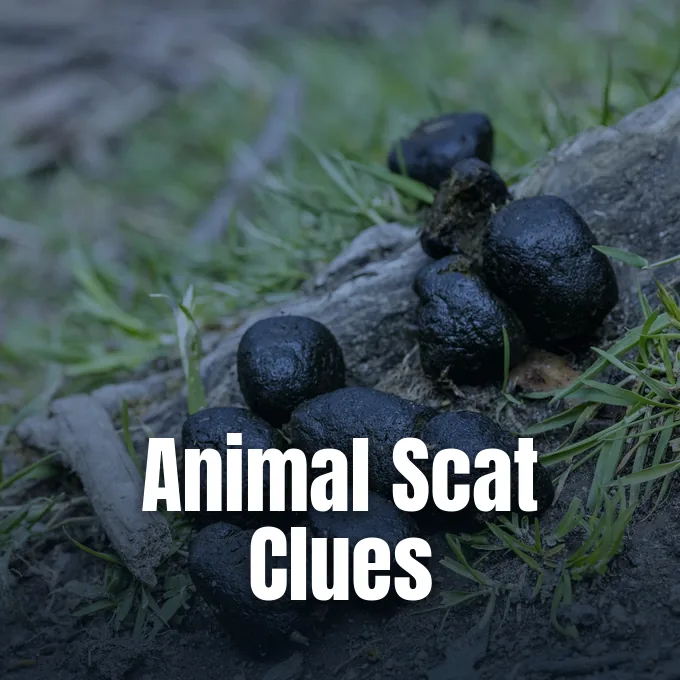
When field biologist Elspeth McLennan woke up at a remote Australian campsite during a devil monitoring expedition, she found her boots destroyed and stripped of their laces by a cheeky devil caught in a nearby trap [1]. The older Tasmanian devil sat calmly in the enclosure beside fresh droppings that contained several inches of curled shoelace [2]. In field biology, droppings from free-ranging animals are formally known as animal scat [1]. While casual hikers steer clear of animal waste, wildlife researchers treat these deposits as rich reservoirs of ecological information [2]. The material reveals what cryptic animals eat, where they travel, and how they survive without requiring invasive capture [1].
Field Methods for Animal Scat
Wildlife droppings show notable diversity: wombats produce cubed feces, while wild rabbits deposit miniature rounded pellets [2]. Detecting these samples in dense ground brush presents constant obstacles. Field teams historically surveyed wildlife areas by walking narrow transects on foot, scanning soil grids to pick up whatever droppings human observers could spot on the ground [1]. Human eyes routinely miss samples beneath leaf litter [2].
To improve search efficiency, ecologist R. H. Cristescu and colleagues deployed trained detection dogs to follow faint scent plumes in complex forest plots in Queensland during koala surveys [3]. Canine noses carry millions of olfactory receptors [2]. In off-leash trials, the dog achieved a 100% detection rate, finding 153% more koala (Phascolarctos cinereus) scat than human teams surveying the same forest transects. The dog proved 19 times faster [3].
Scent dogs locate animal scat without trampling delicate native vegetation or disturbing sensitive target animals [3]. Researchers A. Grimm-Seyfarth and colleagues confirmed that trained dogs can also discriminate between Eurasian otter (Lutra lutra) and American mink (Neovison vison) scats that look and smell identical. Field tests showed detection dogs distinguished target species with high accuracy, saving laboratories genetic sequencing costs [1].

Population Size and Territory
Vulnerable mammals often occur at low densities in fragmented habitats, where human observers struggle to detect them through visual ground surveys or spotlighting runs along dark forest tracks [1]. Trapping cages cause acute bodily distress. Noninvasive scat collection lets biologists confirm species presence without disturbing or touching a single animal [2].
In the Lake Tahoe Basin of California, J. D. Owen-Ramos used fecal DNA to monitor American black bears (Ursus americanus). Genetic testing of 142 fecal samples from 101 individual bears allowed researchers to run spatial capture-recapture models that calculated exact animal density along the tense urban-wildland interface [1]. Genetic profiles reveal individual home ranges in complex watersheds [2].
Accurate population counts help conservation managers who focus on protecting endangered species design targeted protection zones and exclusion fences. When biologists track individual genotypes in consecutive field seasons, they can confirm whether an isolated breeding population is expanding, holding stable, or declining to local extinction [2]. Noninvasive records give wildlife agencies dependable baseline numbers [1].
Diet Analysis and Gut Microbiomes
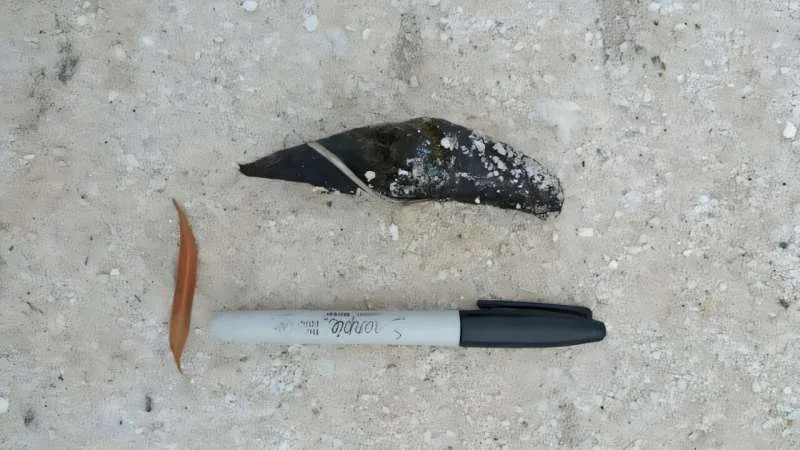
At the University of Sydney, researchers Carolyn Hogg and Elspeth McLennan dissected droppings from wild Tasmanian devils (Sarcophilus harrisii) to identify what these carnivorous marsupials consume in Tasmanian wilderness habitats. “From shoelaces and wetsuit zippers to frogs, fish and even sheep, devil scats are practically their own ecosystem,” McLennan said [1].
During a field study on Maria Island, researchers led by Elspeth McLennan and Carolyn Hogg analyzed 96 Tasmanian devil scats using 12S rRNA gene sequencing to identify consumed vertebrate prey taxa. The team cataloged 63 consumed taxa [5]. Devils consumed native shorebirds, frogs, and sheep, alongside unusual non-prey items like plastic wetsuit zippers and shoelaces [1]. Crucially, cat DNA appeared in 14% of the scats, providing the first documented evidence of Tasmanian devils eating feral cats through direct predation or scavenging on Maria Island [5]. Exclusion fences now shield vulnerable ground-nesting seabird colonies [1].
Droppings also shed light on the gut microbiome, which supports digestion and immune defenses in wild animals [2]. R. Chong and colleagues used 16S rRNA amplicon sequencing to examine captive Tasmanian devils held in breeding colonies established to protect the species from fatal devil facial tumor disease. Captive devils exhibited reduced bacterial diversity in their scats compared to free-roaming wild devils in Tasmania. Yet following release into wild habitats, released devils acquired local environmental bacteria within six to 12 months, reshaping their gut microbiomes to match resident wild devils [8]. Microbiome data guides diet management in captivity [1].

Pathogen Surveillance in Wildlife
Wildlife veterinarians once tracked disease outbreaks by capturing wild animals in cages to draw blood or collect mucosal swabs, procedures that require trained veterinary crews and provoke acute stress [4]. Infected hosts shed pathogens in droppings. Faecal sampling offers an ethical, noninvasive method to screen wild herds for bacteria, viruses, and intestinal parasites [2].
Under Australia’s EPBC Act 1999, koala (Phascolarctos cinereus) populations are listed as endangered, facing severe reproductive declines caused by the bacterial pathogen Chlamydia pecorum in eastern Queensland and New South Wales. H. K. Premachandra evaluated a noninvasive sequence-capture test. The DArTcap assay achieved a 91.7% sensitivity and 100% specificity from field droppings, matching standard qPCR tests run on invasive urogenital swabs collected under veterinary sedation. Wildlife teams can now map regional infection hotspots [4].
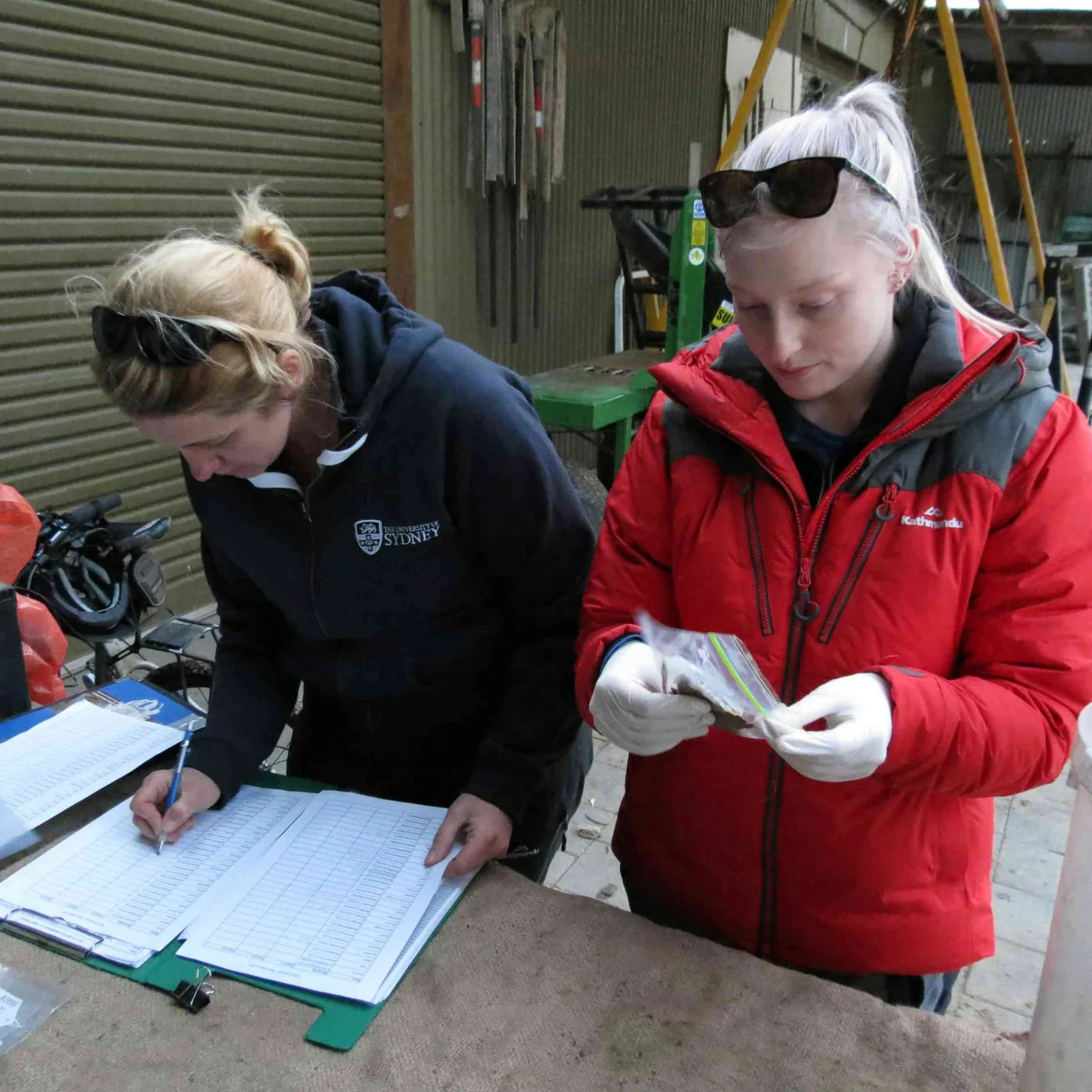
Noninvasive disease surveillance lets conservationists track infection dynamics in broad forest landscapes without restraining sick or injured animals [4]. Field teams spot rising infection rates before epidemics peak [2]. Veterinarians can thus monitor disease progression in seasonal breeding cycles without needing animal anesthesia or repeated handling stress [4].
DNA Profiles from Animal Scat
As food moves along the digestive tract, it sloughs off epithelial cells lining the host animal’s gut wall [1]. Geneticists isolate host DNA from these shed cells to measure genetic diversity, which determines how effectively a vulnerable wildlife population can adapt to habitat fragmentation, shifting climate conditions, and emerging infectious pathogens [2]. Low genetic diversity elevates local extinction risks [1].
In Western Australia, L. Umbrello analyzed roost droppings from 399 ghost bats (Macroderma gigas) in the Pilbara. The bats retained connectivity in the Hamersley Ranges [7]. In bilby genomics directed by Carolyn Hogg at the University of Sydney, Indigenous rangers helped develop a scat single-nucleotide polymorphism panel that tracked genetic variation in 363 translocated Ninu (Macrotis lagotis). The extinct Yallara provided comparative reference genomes [6]. Geneticists also extracted fecal DNA from snow leopard (Panthera uncia) droppings to prove that cats do not travel between separate breeding clusters on the high Tibetan Plateau [2].
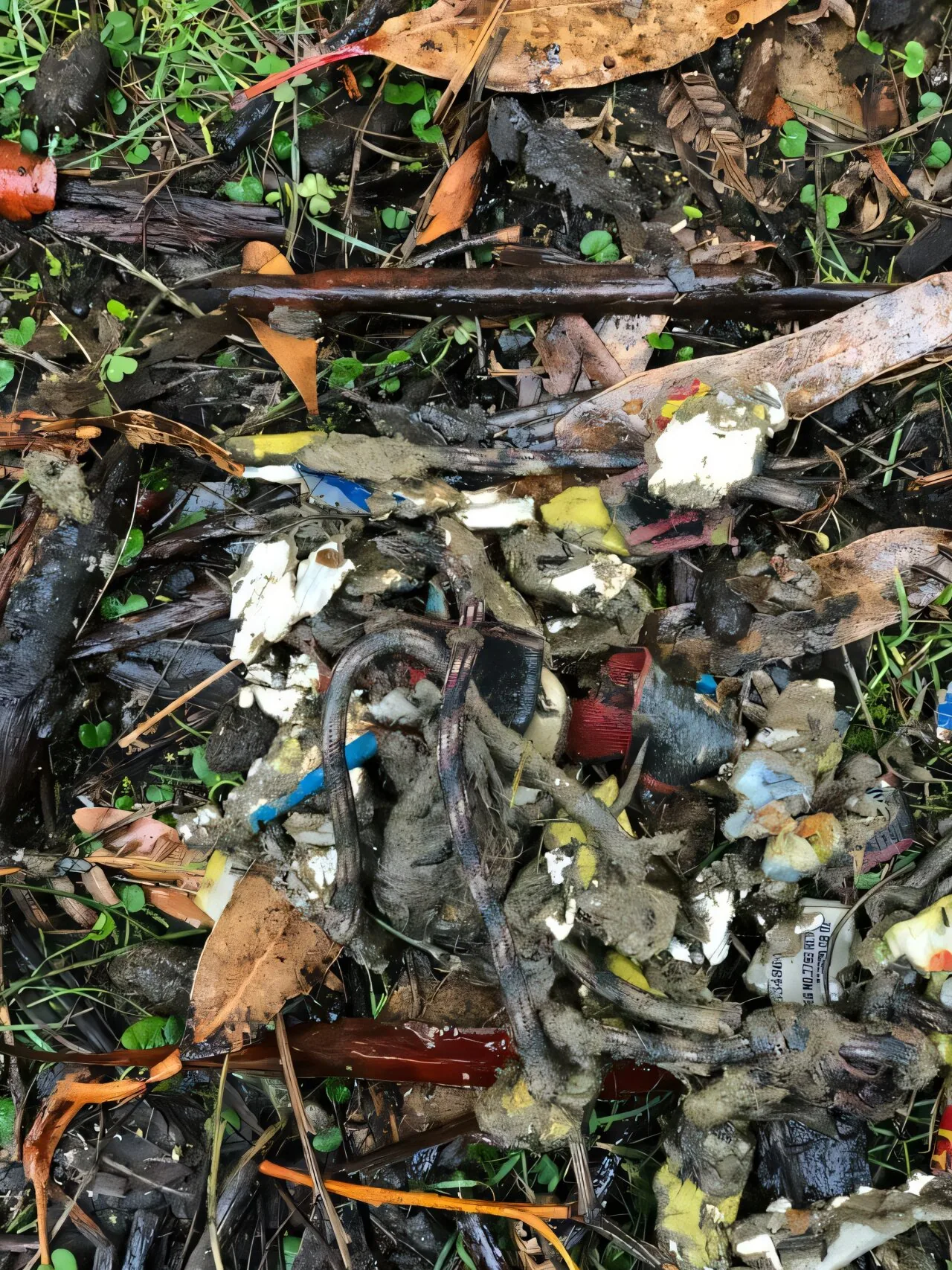
Biologists rely on animal scat to build genetic libraries for nocturnal marsupials and wary predators that rarely enter baited cage traps [1]. A single pellet verifies breeding success over generations. Long-term scat genotyping enables wildlife managers to detect inbreeding early and plan strategic translocations that reinforce threatened gene pools [2].
Environmental Limits in Field Sampling
Noninvasive sampling encounters real obstacles in open field conditions [2]. Sunlight, heat, and heavy rainfall degrade cellular DNA rapidly once droppings are deposited outdoors, breaking molecular chains into minute fragments that prove difficult to amplify during downstream polymerase chain reaction tests. When samples remain damp in wet ground litter, environmental microbes multiply quickly, masking target host DNA sequences [1].
To protect vulnerable genetic samples from outdoor weathering, research teams test specialized preservation buffers right at collection points. Anne-Lise Levengood showed that washing fresh scats in lysis buffers immediately upon collection preserves host nucleic acids, while L. Dondi developed portable magnetic bead extraction kits for caribou (Rangifer tarandus) droppings [1]. Until these portable protocols become standard practice in all survey regions, occasional blood and tissue samples remain necessary for ambiguous genetic reads [2].
While public discussions often point to climate solutions based on nature, field biologists rely on empirical data collected on the ground to evaluate ecosystem health. Careful study of animal scat provides the ground-level data conservation teams need to monitor threatened species without invasive cage trapping [1]. Faecal surveys give conservation teams a noninvasive window into the lives of threatened species they rarely see in person [2].
- ONLINE NEWS McLennan, E., & Hogg, C. (2026). The power of poop: Why conservationists love animal scat. Phys.org. [Article Link]
- ONLINE NEWS Hogg, C., & McLennan, E. (2026). The power of poo: why conservationists love animal scat. The Conversation. [Article Link]
- ACADEMIC JOURNAL Cristescu, R. H., Foley, E., Markula, A., Jackson, G., Jones, D., & Frère, C. (2015). Accuracy and efficiency of detection dogs: a powerful new tool for koala conservation and management. Scientific Reports, 5(1). [Article Link]
- ACADEMIC JOURNAL Premachandra, H. K., Piza-Roca, C., Casteriano, A., Higgins, D. P., Hohwieler, K., Powell, D., & Cristescu, R. H. (2024). Advancements in noninvasive koala monitoring through combining Chlamydia detection with a targeted koala genotyping assay. Scientific Reports, 14(1). [Article Link]
- ACADEMIC JOURNAL McLennan, E. A., Wise, P., Lee, A. V., Grueber, C. E., Belov, K., & Hogg, C. J. (2022). DNA metabarcoding reveals a broad dietary range for Tasmanian devils introduced to a naive ecosystem. Ecology and Evolution, 12(5). [Article Link]
- ACADEMIC JOURNAL Hogg, C. J., Edwards, R. J., Farquharson, K. A., Silver, L. W., Brandies, P., Peel, E., Escalona, M., Jaya, F. R., Thavornkanlapachai, R., Batley, K., Bradford, T. M., Chang, J. K., Chen, Z., Deshpande, N., Dziminski, M., Ewart, K. M., Griffith, O. W., Marin Gual, L., Moon, K. L., & Lo, N. (2024). Extant and extinct bilby genomes combined with Indigenous knowledge improve conservation of a unique Australian marsupial. Nature Ecology & Evolution, 8(7), 1311-1326. [Article Link]
- ACADEMIC JOURNAL Umbrello, L., Thavornkanlapachai, R., McArthur, S., Prada, D., Knuckey, C., Shaw, R., Spencer, P. B. S., & Ottewell, K. (2025). Noninvasive sampling reveals landscape genetic structure in the threatened ghost bat (Macroderma gigas) in an ore-rich region of Western Australia. Journal of Heredity, 116(4), 453-465. [Article Link]
- ACADEMIC JOURNAL Chong, R., Grueber, C. E., Fox, S., Wise, P., Barrs, V. R., Hogg, C. J., & Belov, K. (2019). Looking like the locals – gut microbiome changes post-release in an endangered species. Animal Microbiome, 1(1). [Article Link]
APA 7: PerEXP Teamworks. (2026, October 27). Wildlife Biologists Track Elusive Species Through Animal Scat. PerEXP Teamworks. https://perexpteamworks.com/en/animal-scat-wildlife-conservation-research/


