



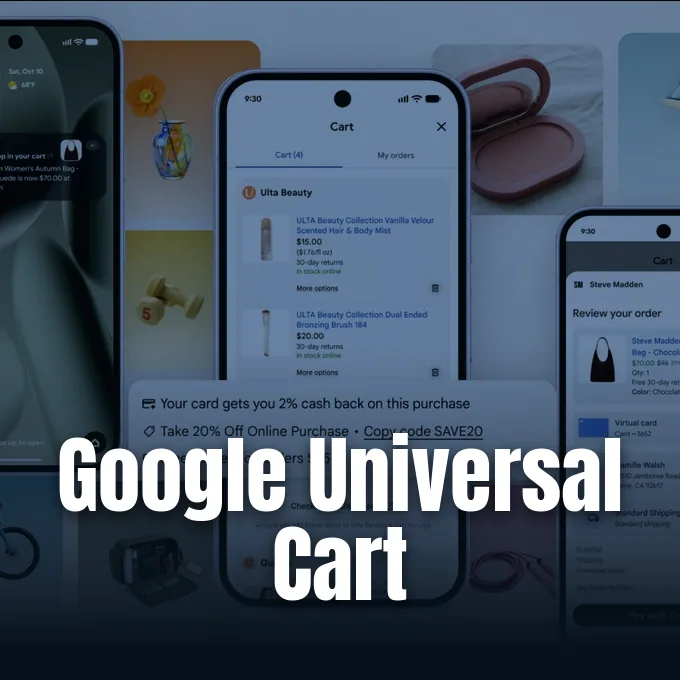
Google rolled out Google Universal Cart in the US on October 15, 2026, adding a shared shopping tray into Search and the Gemini app ahead of Black Friday and the holiday rush [2]. The feature lets people collect items from different online stores as they browse, keep track of price changes, and complete checkout through Google Pay without jumping between retailer tabs [3]. The rollout brings Google’s May developer announcement into public availability for American shoppers [4].
How Google Universal Cart Works in Search
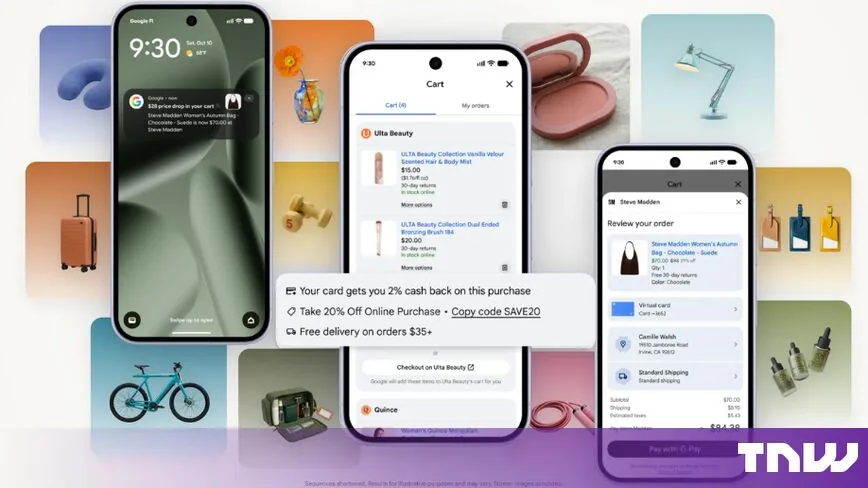
Google Universal Cart functions as a built-in shopping hub inside Google services rather than a standalone browser extension [1]. Shoppers look up products through Search, AI Mode, or conversational threads inside the Gemini app, saving items into the shared tray without creating separate accounts across multiple merchant websites during their initial browsing sessions [3]. If they leave the session, Google saves their shopping progress so they don’t have to search for the same goods later [4]. The system links to over 60 billion product listings through the Shopping Graph [2].
The catalog refreshes listings for over 60 billion products to track price changes and low-stock notices in Google’s Shopping Graph, making sure shoppers don’t waste time checking individual storefronts for inventory updates [1]. Suresh Ganapathy said the cart relies on Google’s Shopping Graph to surface reliable listings and updates. Participating merchants include Nike, Sephora, Target, Ulta Beauty, Walmart, Wayfair, and independent Shopify sellers [2]. Each business remains the seller of record, so order confirmations, shipping updates, and customer support come from the store that sells the product rather than passing through Google’s customer service infrastructure. Shoppers can also transfer their saved items over to the merchant’s own website if they prefer checking out on the native storefront [1].
Shoppers must start their purchase journey within Google Search or the Gemini app because the software can’t monitor outside web pages on its own. It isn’t a browser button [1]. Google previewed the tool in May. The company designed the system to turn everyday search queries into completed commercial transactions ahead of the busy holiday shopping season [4].
Tracking Deals and Wallet Perks
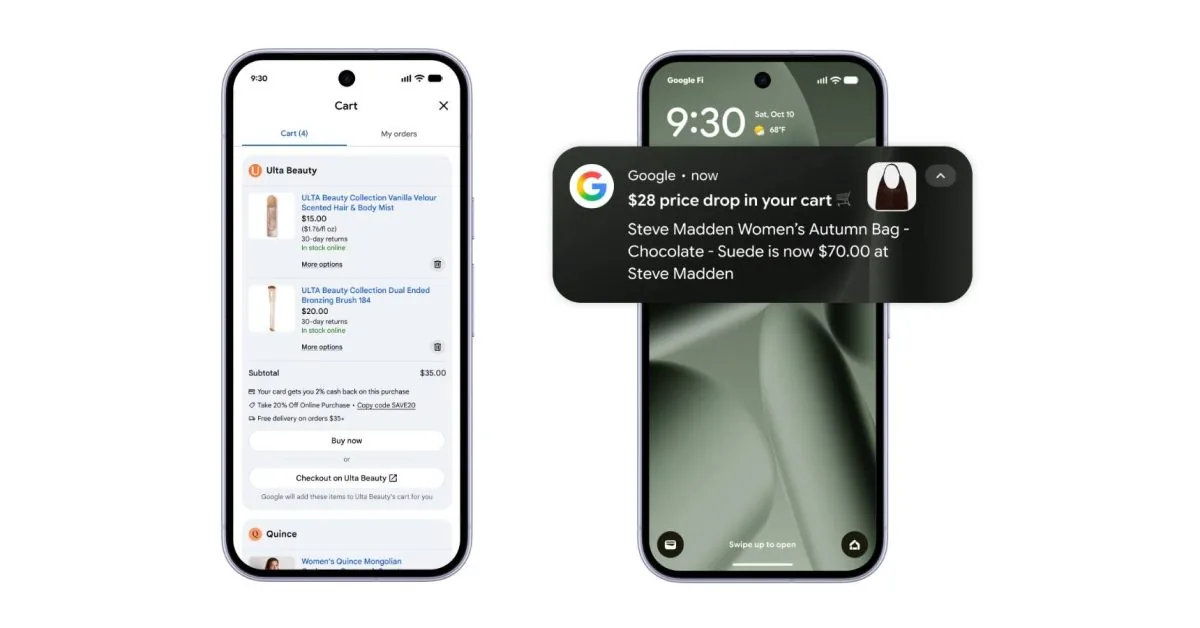
Within Google Universal Cart, the software tracks price drops and restocking notices for every saved item [3]. When a retailer cuts a price or replenishes stock, the tool sends an alert so buyers can act before inventory sells out [4]. That automated monitoring saves shoppers from checking store pages manually during busy sales periods [1].
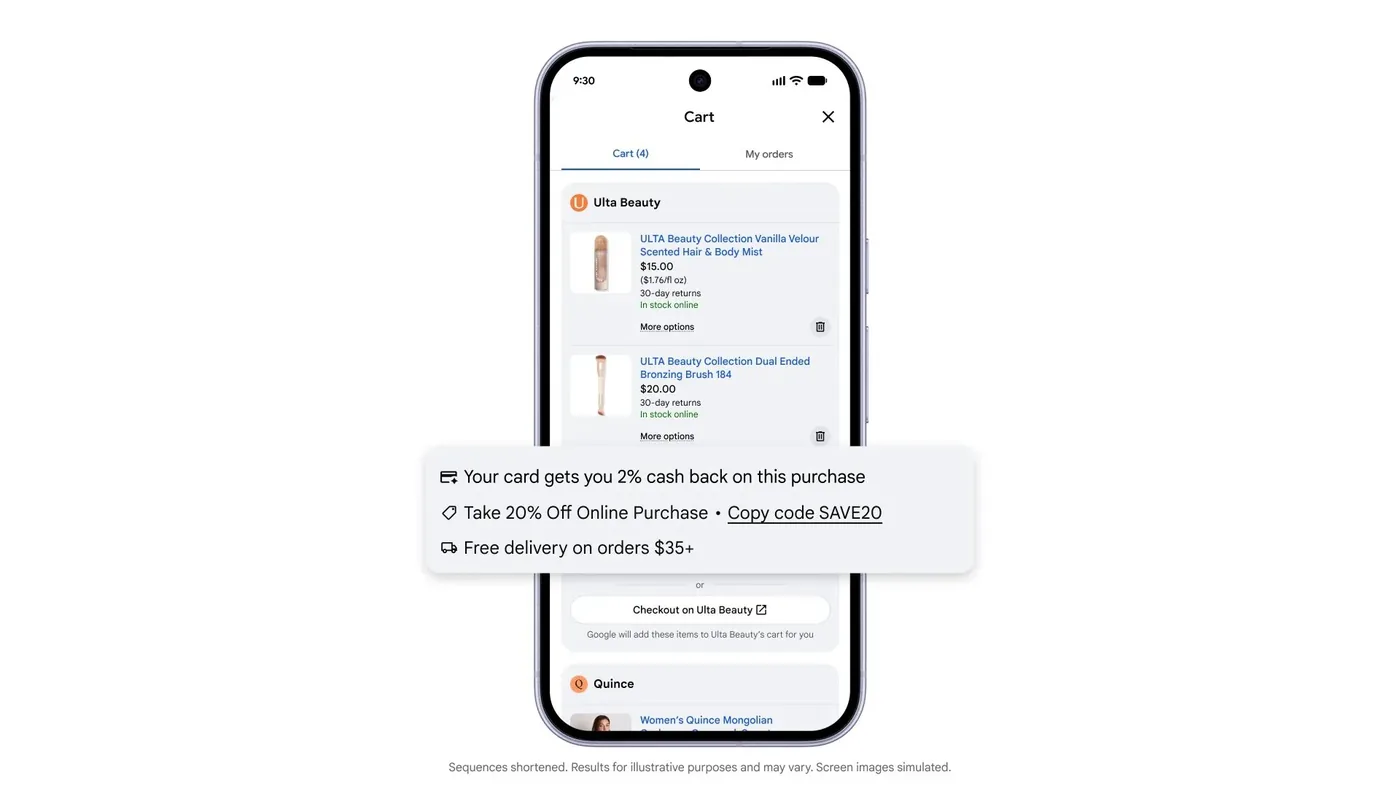
The cart also searches for promo codes and discounts before buyers submit their payment [3]. Powered by Google Wallet, the software checks card perks to suggest which credit card earns the highest cash back or travel points [1]. Google said the integration “understands your card perks and can intelligently help you choose between payment methods”. That guidance helps shoppers apply eligible discounts without checking bank reward tables by hand [3].
Shoppers can pay through Google Pay within the cart, or they can transfer their items to the merchant’s native checkout if they prefer using store gift cards or retailer financing [1]. The dual setup lets buyers choose between speed inside Google and specific payment terms on the store’s site [4]. Google Pay handles the checkout [1].


Checkout Backed by Universal Cart Protocols
Google Universal Cart coordinates checkout through open protocols designed to connect web stores with automated purchasing systems [2]. Checkout relies on the Universal Commerce Protocol, an open standard Google introduced in January to pass order details, shipping information, and product selections between different merchant databases without requiring custom technical work from individual retailers. By adopting a shared protocol, online stores don’t need to build bespoke software integrations for every automated shopping tool [4].
Google’s payments foundation builds on work released in September 2025, when the company introduced its Agent Payments Protocol with more than 60 partners, including PayPal and Mastercard. That protocol lets digital assistants make purchases within preset spending limits, giving shoppers control over what automated tools can buy [2]. Lauren Forristal reported that the protocol helps AI agents and web retailers coordinate across different stages of the shopping journey, turning basic web searches into completed orders [4].
The rollout landed on October 15. While the original plan announced at Google I/O set a summer debut for the US tool, engineering schedules pushed the launch into the autumn. Google’s public roadmap names Canada and Australia as the next regions to receive checkout capabilities, followed later by the UK. Those international launches will test how well the underlying commerce protocol handles regional banking rules and cross-border currency conversions [2].

Regulatory Hurdles Behind Europe’s Absence
Google Universal Cart remains limited to the United States for now, and while Google plans to expand checkout into Canada, Australia, and the UK, its official roadmap makes no mention of the European Union. Europe isn’t on the company’s roadmap. The European Commission issued Google an €890M DMA fine in July, with €460M tied to self-preferencing across shopping, hotel, transport, and sports results. European regulators gave Google a 60-day window to halt self-preferencing practices, threatening daily fines that could climb to 5% of Alphabet worldwide revenue [2].
Google responded to the Commission’s order by adjusting local search presentation, but search chief Nick Fox said in September that the mandated changes “degrade the user experience for Europeans”. EU fines against the company now exceed €9B. A court in Stockholm ordered Google to pay nearly $2 billion to Klarna’s PriceRunner in July, enforcing the Commission’s 2017 shopping antitrust decision. Six comparison-shopping businesses are seeking damages in European courts, ranging from an awarded €465M to Idealo up to a €2.97B claim filed by Moltiply. Placing a multi-store shopping cart inside Search, while processing the payment, would invite fresh antitrust scrutiny under the same self-preferencing rules [2].
Because of those legal constraints, Google has held back its newest assistant tools from the EEA, Switzerland, and the UK. Gemini Spark isn’t available in the EEA. Gemini Spark reached more than 160 countries in July, yet it remains unavailable in European markets without an official explanation. Until antitrust tensions ease, Google seems hesitant to deploy automated shopping agents in regions where regulators view integrated checkout as unfair competition [2].
Competition in the Agentic Shopping Space
The arrival of Google Universal Cart reflects a broader push into agentic commerce, but Google isn’t the only technology firm trying to turn artificial intelligence into an e-commerce assistant. Meta recently introduced its Muse AI agent to help shoppers discover products, while Amazon and OpenAI are testing commerce features to make conversational bots handle retail purchases. TechCrunch reported that tech rivals want chatbots to move past answering text prompts and take on transactional tasks that produce real commercial value [4].
Google’s broader work on autonomous consumer tools, such as its household coordination agent, illustrates how software assistants are stepping into daily logistics. In online shopping, the company also introduced a tool that lets AI agents call nearby stores to verify inventory on local shelves, expanding beyond digital-only catalogs. That telephone lookup system mirrors ongoing research in testing Gemini phone calls for hands-free tasks [4].
Bringing checkout into Search gives Google a way to keep shoppers within its ecosystem rather than losing them to standalone shopping apps [1]. Search remains Google’s core revenue engine. If buyers can compare prices from multiple retailers, claim card perks, and finish checkout without leaving Gemini or Search, Google protects its core search business while holiday shopping traffic climbs during peak promotional weeks [3]. The tool’s success over the coming months will show whether shoppers actually want AI agents handling their holiday gift lists [1].
- ONLINE NEWS Milden, D. (2026, October 15). Google rolls out its Universal Cart shopping tool. CNET. [Article Link]
- ONLINE NEWS Constantin, A. M. (2026, October 15). Google launches Universal Cart in the US, with checkout built into Search and the Gemini app. The Next Web. [Article Link]
- ONLINE NEWS Schoon, B. (2026, October 15). Google rolling out Universal Cart that lets you shop the web and find deals with Gemini, Search. 9to5Google. [Article Link]
- ONLINE NEWS Forristal, L. (2026, October 15). Google’s Universal Cart shopping tool launches in the US. TechCrunch. [Article Link]


