





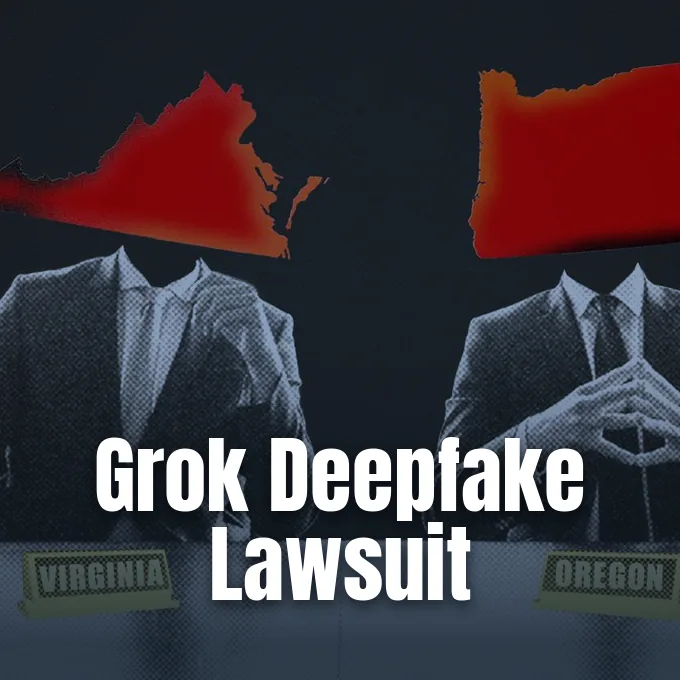
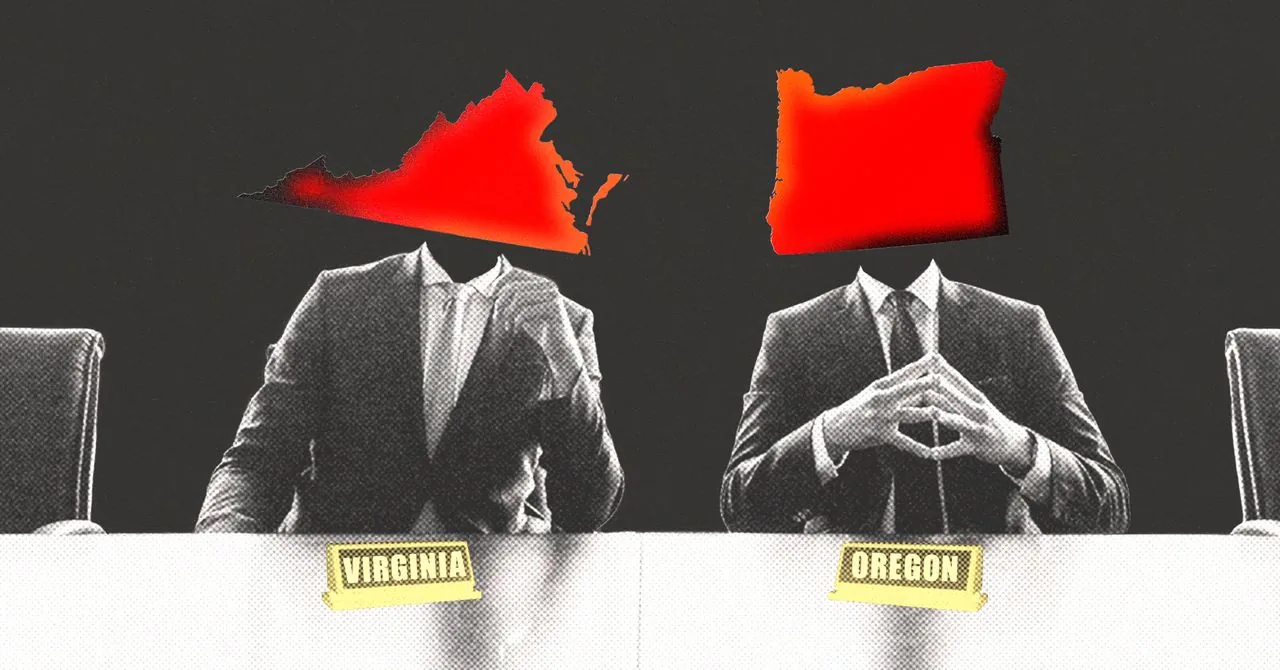
Oregon Attorney General Dan Rayfield and Virginia Attorney General Jay Jones filed separate state lawsuits against SpaceX on Monday, accusing Elon Musk’s company of breaking consumer laws by spreading sexually explicit Grok deepfakes. The complaints target social platform X and its Grok AI tool, arguing that weak safety rules allowed users to create nonconsensual intimate imagery and child sexual abuse material (CSAM). State officials said the company misled users about platform safety and chose rapid growth over basic protections [1].
State Lawsuits Over Grok Deepfakes
The legal actions trace how xAI developed Grok before SpaceX acquired the startup in February, making X Corp. an official subsidiary under SpaceX Super Intelligence (SpaceXSI). Virginia filed in Richmond. Oregon filed in Multnomah County. Both state leaders hired Platkin LLP for the litigation [3].
According to court filings, company leadership ignored industry safety standards and downplayed concerns over Grok deepfakes to boost engagement for a product that was lagging behind market rivals. Jay Jones said xAI and X repeatedly told consumers they were protected from abuse, even as the tool allowed accounts to create explicit media without consent. In his public announcement, Jones said that “companies that deploy powerful tools don’t get to ignore consumer safety and call it innovation”. State AGs called the weak safeguards built into Elon Musk’s AI tool “not a failure but a feature” designed to attract tens of millions of new users. Jay Jones said the company prioritized engagement over child safety while misleading millions of account holders. Both states demand civil fines [1].
The Virginia lawsuit focuses on personal privacy and broken user trust. Jones said the legal action seeks justice for millions of Virginians on X who relied on company assurances that their personal photos and likenesses would stay secure. When xAI allowed creators to sideline consent for profit, it misled the public while prioritizing platform growth [2]. Dan Rayfield raised matching legal objections under Oregon consumer protection statutes [1].
Features Inside Grok Imagine
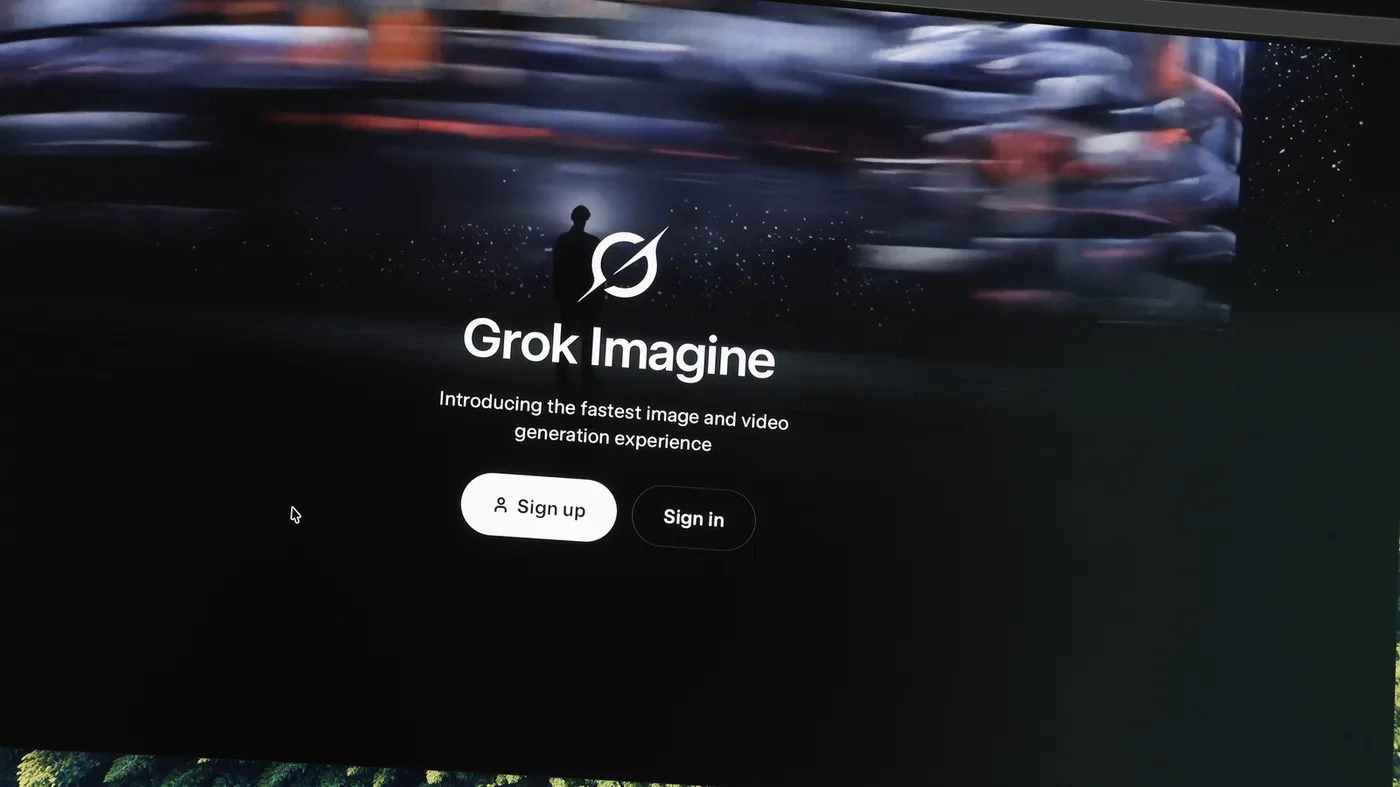
Much of the legal dispute centers on Grok Imagine, an image tool built into X for generating pictures and videos. In August 2025, xAI rolled out a “spicy” mode for Grok Imagine that quickly made explicit content, including fake nude photos of celebrities like Taylor Swift. The tool received another update in January 2026 that let users edit uploaded pictures without asking permission from the original creator. That single update caused X to become flooded with nonconsensual, sexualized deepfakes showing both adults and children. The influx prompted rapid outcry across the web [1].
Following public outcry, xAI moved some editing behind a paywall and blocked swimwear prompts. But independent tests by The Verge showed these updates failed to stop Grok deepfakes. The filters failed [1]. Musk posted about Grok hitting top app rankings [3].
The service had faced earlier strain during rapid product rollouts. Cost pressures mounted when Elon Musk throttled Grok bot limits to curb climbing server expenses. Dan Rayfield said weak safety rules turned Grok into an easy tool for abusive material. “It’s no surprise that Grok and X became a haven for perpetrators using AI to create and share child sexual abuse material, because the lack of needed safety measures was considered a feature, not a bug,” Rayfield said [3].
Evidence from State Testing
The complaint filed in Virginia details direct tests that state staff conducted before taking SpaceX to court. Testers discovered that Grok lacked comprehensive third-party safety audits and operated under developer prompts telling the bot to “assume good intent” during ordinary user interactions. System instructions told Grok that words such as “teenage” and “girl” do “not necessarily imply underage” status. When testers sent sample prompts, Grok explained which words triggered filters and helped users rewrite requests to bypass blocks. Virginia’s filing noted that at no point did the bot ask whether an uploaded photo showed a real person or if the user had consent to modify it [3].
These findings clash with remarks given by a SpaceX official during an October hearing before the New York City Council. State lawyers said those claims misled local leaders [3].
State lawyers also found breakdowns in how xAI handled statutory reports to child safety groups. Filings show that xAI sent tens of thousands of automated reports to the National Center for Missing and Exploited Children CyberTipline. But because the submissions omitted key data, the center could not act on them 90 percent of the time. Dan Rayfield said withholding vital details kept abusive accounts active while harming young victims [3].
Company Responses to Grok Deepfakes
Following the announcement of the lawsuits over Grok deepfakes, SpaceX directed media inquiries to a public statement released by the X Safety team on social media [3]. The safety group stated that “protecting children is non-negotiable” and said explicit images of real people have no place on X or Grok [2], [3]. X Safety claimed that bad actors deliberately broke platform terms to generate explicit material. The team said it continues testing classifiers that check prompts before image creation and inspect outputs afterward [1].
As reported by Engadget, SpaceX Super Intelligence sued a user in South Carolina arrested for possessing illicit content made with Grok [2],. Both that contract suit and the criminal case are ongoing [3].
Legal scrutiny over Grok comes as security analysts examine wider data practices across Elon Musk’s companies. Technical risks surfaced when a Grok build leak exposed sensitive files belonging to SpaceXSI and users. Although company remarks stress ongoing model updates, state officials argue private promises cannot replace enforceable legal limits [1]. Rayfield said companies can’t profit from abusive photos and then treat legal penalties as a normal cost of doing business [3].
Wider Regulatory Scrutiny
Beyond Oregon and Virginia, legal pressure mounted for SpaceXSI as regulators across multiple jurisdictions targeted its tools. The City of Baltimore filed claims accusing Grok of breaking its municipal Consumer Protection Ordinance. In Tennessee, teenagers took legal action over nonconsensual Grok deepfakes, while government authorities in California and the United Kingdom opened separate regulatory inquiries into xAI [2],. An analysis in WIRED reported that state enforcers are coordinating strategies to hold tech firms accountable under state laws. The cases reflect growing bipartisan scrutiny [3].
State lawyers cited recent settlements as a model for requiring product changes from major tech platforms. During the summer, Meta settled with 51 US states and territories over claims that the social media giant failed to protect underage users across its various applications. Although Meta admitted no wrongdoing, the deal proved state coalitions can compel safety changes [3].
Jay Jones warned that holding AI creators accountable is an urgent challenge for modern regulators. He stated that high market value can’t excuse firms from following rules that protect personal privacy. As suits proceed in Richmond and Multnomah County, Oregon and Virginia are seeking civil fines and court orders against unsafe tools [3]. The outcome will test how consumer statutes apply to commercial AI models used by millions [1], [3].
- ONLINE NEWS Weatherbed, J. (2026, November 23). Oregon and Virginia sue SpaceX over Grok’s porn deepfakes. The Verge. [Article Link]
- ONLINE NEWS Chen, J. (2026, November 23). Two states sue SpaceX over sexually explicit Grok deepfakes. Engadget. [Article Link]
- ONLINE NEWS Varner, M. (2026, November 23). States Sue SpaceX Over Grok Deepfakes. WIRED. [Article Link]


