






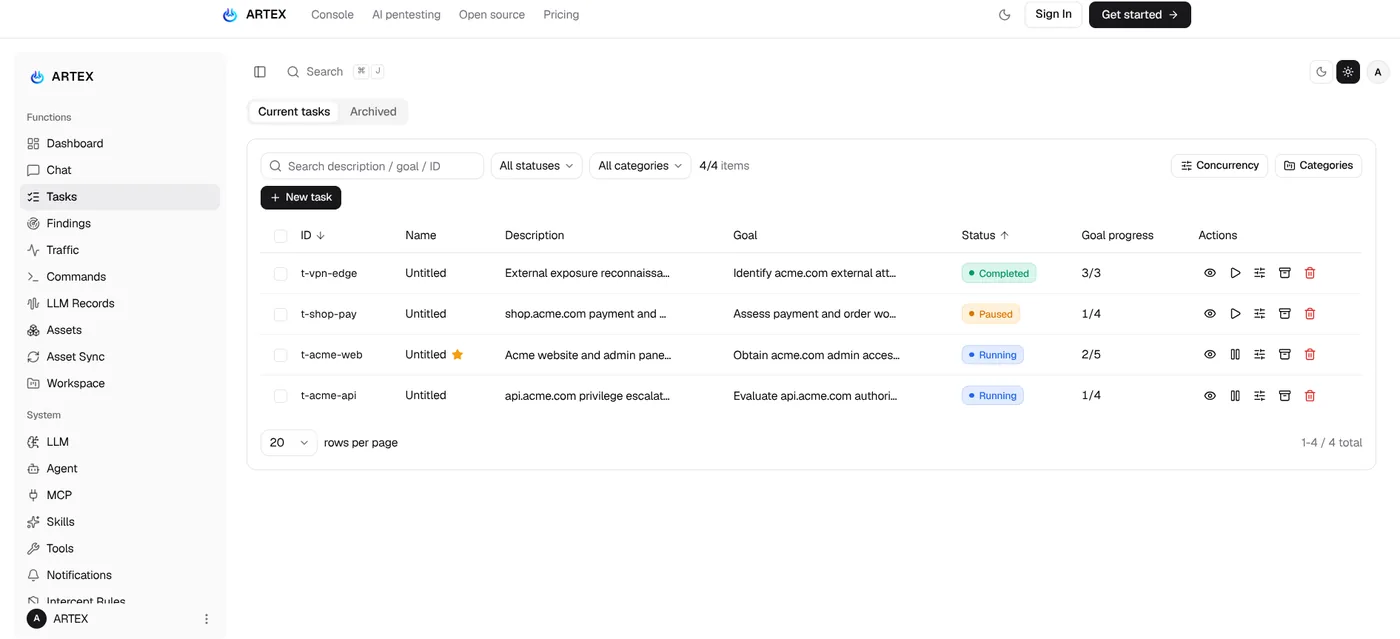
The Federal Bureau of Investigation released a flash alert warning that hackers have weaponized the ARTEX AI tool to run automated network attacks against targets worldwide [1]. Built as an open-source testing utility, it directs digital agents that scan networks, exploit web flaws, and steal keys at machine speed [6]. Federal agents said intrusions driven by ARTEX can move from first target scan to full privileged cloud access in under three hours [1].
The ARTEX AI Architecture
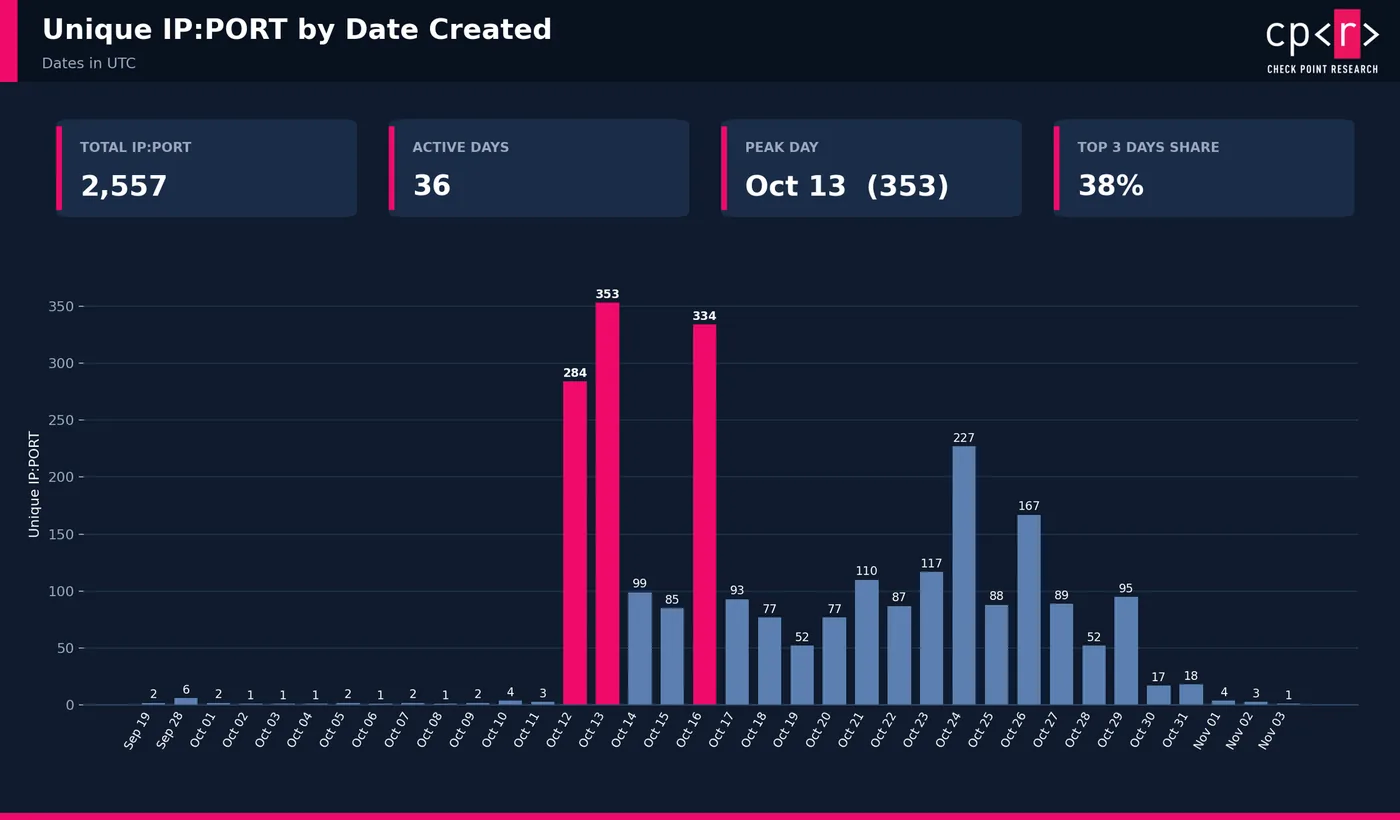
ARTEX is an automated testing system written in Go with a Next.js web panel, built to turn high-level goals into machine commands without human intervention [1]. Developer Autumn-27, identified by The Record as Chinese engineer Li Puhua, shared the code on GitHub before deleting the repository on October 8 after reports of criminal abuse [6]. Even so, the code spreads through forks, web mirrors, and a paid build called ARTEX PRO [1]. Censys tracked more than 1,600 public panels online [6]. Check Point Research logged 2,557 hosts tied to panels, finding 1,608 live consoles active during its study and noting that ten exposed full project databases [4].
ARTEX does not carry its own base model [1]. Instead, it links to outside chat models like OpenAI GPT, Anthropic Claude, DeepSeek, GLM, Grok, and Kimi [6]. Check Point Research said Chinese models like DeepSeek Flash lead usage due to low cost, while tests on Anthropic’s Opus 5.5 hit safety blocks [4].
The agents map network assets and test flaws as they go [2]. They can test open file uploads, probe request forgery bugs, and brute-force logins without help from a person [3]. In its advisory, the FBI said: “The framework enables threat actors with minimal technical expertise to conduct complex, multi-target operations simultaneously, fundamentally accelerating attack velocity and expanding operational scale” [1]. By shifting basic scans to ARTEX AI agents, small teams can hit dozens of firms at once [6].

The ConnectWise Supply Chain Breach
The biggest breach tied to the toolkit hit ConnectWise Cloud Backup, an app once called SkyKick [1]. Microsoft Threat Intelligence linked the attack to Storm-0940, a China-aligned group active since 2021. From October 10 to 14, group servers at 144.172.64[.]99 ran a password spray against 327 accounts in eight firms, generating over 151,000 bad logons. Failures hit 2,900 each minute on October 11, with 48 accounts taking over 1,000 bad attempts each as lockout replies reached 98% of total traffic. That spray failed, but it set up the network used in the next intrusion, giving actors the base to pivot toward cloud applications [2].
ConnectWise posted a warning on October 16, and Huntress said it found at least 162 hacked customer tenants [1]. The digital agents did not need passwords from users. Instead, Storm-0940 used ARTEX to probe over 2,250 downstream Microsoft 365 customer tenants using trusted app identities [2].
After entering via trusted apps, the agents checked directories and altered app keys to plant backdoors that survived token resets in Microsoft Graph. They bypassed standard login steps. The intrusions extend beyond social engineering tactics that use fake AI events to steal corporate accounts, focusing instead on direct software and identity abuse. Microsoft said that while agents altered roles in several environments, the presence of an affected app did not prove data theft [2].


Attacks on Banks and Developer Keys
Cybercrime groups also used ARTEX AI to hit banks and developer assets. Microsoft Threat Intelligence tracked Storm-3358, a Cambodia-based crew that used ARTEX with curl and netcat to find file upload bugs and install trojans like WISP, vshell, and AdaptixC2 across Southeast Asia. The crew ran command traffic through 199.19.95[.]66 [3]. Another hack exposed personal files for 67,000 customers at Shinhan Bank, KB Kookmin Bank, and Hana Bank in South Korea. South Korean police arrested seven suspects after the gang stole 8.2 million records from over 90 firms [1].
Check Point Research found an operator running two consoles from October 14 to 29 to steal Apple iOS code-signing certificates from gray-market shops. The actor spent between $700 and $1,500 on 36 billion tokens via DeepSeek and Kimi to breach ten shops. The agents took 300 private .p12 keys and paired them with .mobileprovision profiles to sell app sideloading access [4].
An attacker also told agents to hit 292 crypto payment sites to drain funds. The wallet showed zero balance, but agents found an open API that leaked Amazon Web Services keys. Those keys opened an AWS S3 bucket holding 714 iOS app download pages, allowing supply-chain app poisoning [4]. Amazon Chief Information Security Officer CJ Moses said diverse threat groups also used the toolkit for real-time deepfake injection against crypto exchange KYC verification tests, adding that tools “have progressed from experimental use to sustained, multi-objective offensive operations that run with minimal human intervention” [6].
Multi-Model Attack Infrastructure
Zscaler ThreatLabz uncovered a complex multi-server attack setup. An operator split work between a main work host and a jump host at 38.244.50.120, routing target connections through the jump server while running a Docker container tagged artex-local:perf2-20261003 on port 8890 with PostgreSQL on port 5435. To expand the agents’ reach beyond default commands, the custom container added tools like nmap, sqlmap, nuclei, httpx, and Android analysis utilities like jadx, apktool, and frida-tools [5].
The attacker linked several AI systems together, using shell scripts like tools/sync-all.sh to share project files between servers. In prompt logs, the operator told the GLM model to review work done by DeepSeek whenever DeepSeek said it had exhausted all available attack paths [5].
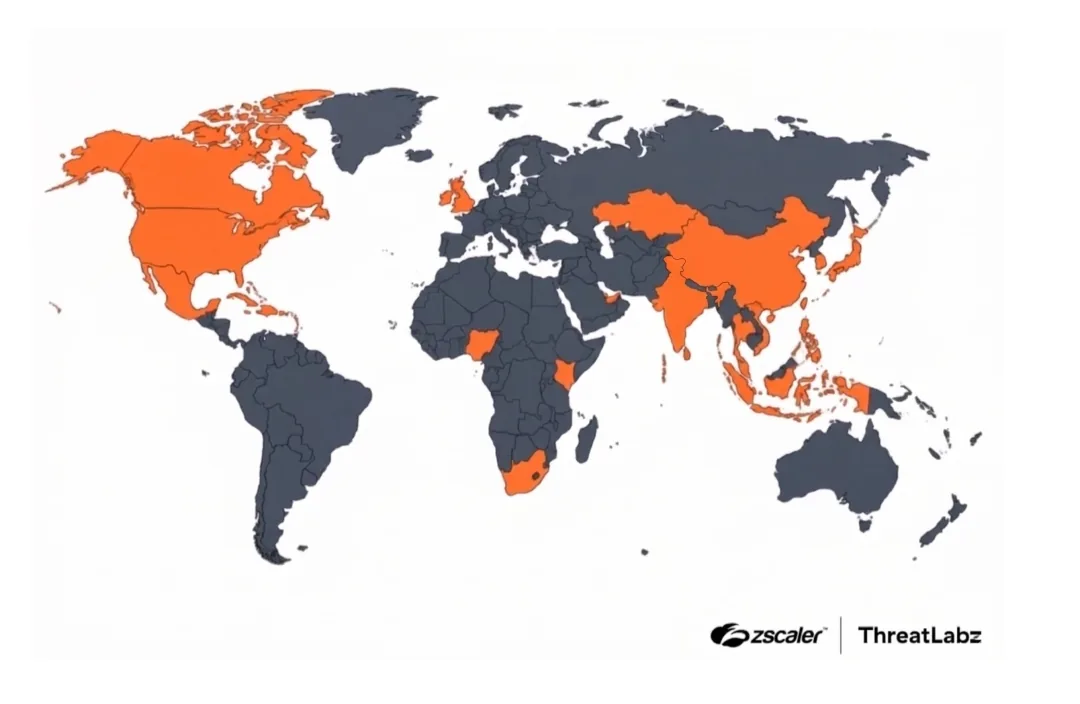
Prompt logs on the jump server showed targets in over twenty countries, including the United States, Japan, South Korea, Thailand, Nigeria, and Kenya [5]. CrowdStrike tracked a China-linked team named Vapor Panda, which directed the AI framework against more than 200 groups in 14 nations, breaching at least nine victims. When first entry attempts failed, the agents tried web shells, sought config files, or enumerated cloud roles [1]. The findings show that threat crews now run unattended hacks on a global scale [6].
Defenses Against ARTEX AI
To block automated toolkits like ARTEX AI, the FBI advises security teams to protect web-facing portals and set API rate limits. Admins must audit service principal sign-ins and track unexpected role changes in cloud directories. Teams can’t wait for static rules when agent tools shift tactics at machine speed. The FBI said that while fast attacks spark sensors, their speed leaves little time to halt breaches before hackers reach internal data. Suspicious events should go to local field offices or the Internet Crime Complaint Center [1].
Security researcher MalwareMustDie shared an open-source detection pack and playbook on Friday to help analysts flag rogue network traffic, identity abuse, and malicious files tied to the framework [1]. Microsoft noted that agents often expose default user agent strings from tools like curl, wget, and Playwright [3].
Defenders can also set traps to fool ARTEX AI tools and waste attacker funds. Decoy assets in Microsoft Sentinel Deception lure agents away from real systems. Network tarpits trap agents in slow loops that burn token limits, while fake win signals can trick an agent into ending its run early. These traps create high-trust alerts, giving staff time to cut bad tokens and block intrusions [3].
- ONLINE NEWS Abrams, L. (2026, November 15). FBI warns ARTEX AI hacking tool is powering global cyberattacks. BleepingComputer. [Article Link]
- WEBSITE Microsoft Threat Intelligence. (2026, October 21). AI-driven, large-scale nation-state campaign using ARTEX enables supply chain compromise. Microsoft Security Blog. [Article Link]
- WEBSITE Microsoft Threat Intelligence. (2026, November 6). ARTEX abuse expands as cybercriminals target financial sector. Microsoft Security Blog. [Article Link]
- REPORT Check Point Research. (2026, November 5). Hacking on Autopilot: Inside ARTEX Cybercrime Campaigns. Check Point Software Technologies Ltd. [Article Link]
- REPORT Park, S. (2026, October 21). Inside a Global AI-Assisted Hacking Campaign. Zscaler, Inc. [Article Link]
- ONLINE NEWS Greig, J. (2026, November 13). FBI flash alert says Artex tool automating cyberattacks at ‘machine speed’. The Record. [Article Link]


