




One name has disappeared from the Apple Watch Ultra 4 specification sheet: GLONASS. Apple introduced its new outdoor watch at its September 9 event, but MacRumors spotted the satellite-system change in the device’s technical specifications the following day. GPS, Galileo, QZSS and BeiDou remain on the list. Apple has not explained the removal, and the available reporting does not establish whether it changes positioning accuracy or battery life. [1, 4]
Apple Watch Ultra 4 Loses GLONASS
MacRumors reporter Juli Clover compared the supported systems on two generations of Apple’s outdoor watch. The Ultra 3 lists GPS, GLONASS, Galileo, QZSS and BeiDou; Apple Watch Ultra 4 lists the same systems except GLONASS. The change concerns one supported navigation system, while the Ultra 4 retains dual-frequency positioning. Apple Watch Series 12 still supports GLONASS, according to the same report, so Apple has not removed it across the new watch lineup. [1]
GPS remains available. So does Galileo. For anyone scanning the specifications before an outdoor workout, the missing entry does not mean that Apple has removed location tracking from the watch or abandoned its more advanced positioning setup. Dan Bracaglia’s comparison for Tom’s Guide describes the Ultra 4 as retaining dual-band GPS, whereas Series 12 uses a single-band system. Neither requires a phone for outdoor tracking. [3]
The specification sheet establishes which systems Apple lists, but it supplies no explanation for dropping GLONASS and no comparison of recorded routes before and after the change. That leaves a narrower, more useful question than whether the watch has lost GPS: what contribution did GLONASS make to this particular receiver, and can the remaining systems cover the same job?
Why the Signal Mix Matters
Clover points to differences in how the systems transmit their signals. GPS, Galileo, BeiDou and QZSS use CDMA-based signaling (code-division multiple access) and support multiple frequencies. Consumer devices typically receive only an L1 signal from GLONASS, the report says, making that system less useful in a device equipped for dual-frequency reception. A shorter list alone cannot establish worse positioning. Receiver implementation matters too. [1]
GLONASS brings another complication in Clover’s explanation: its different signal architecture requires receivers to correct hardware timing delays for individual satellites, a process that can introduce positioning errors into the resulting calculation. MacRumors suggests that removing it could improve accuracy, reduce processing work and possibly help battery life. Apple has not endorsed those explanations. The report offers no independent measurements demonstrating any of those potential gains on the Ultra 4. [1]
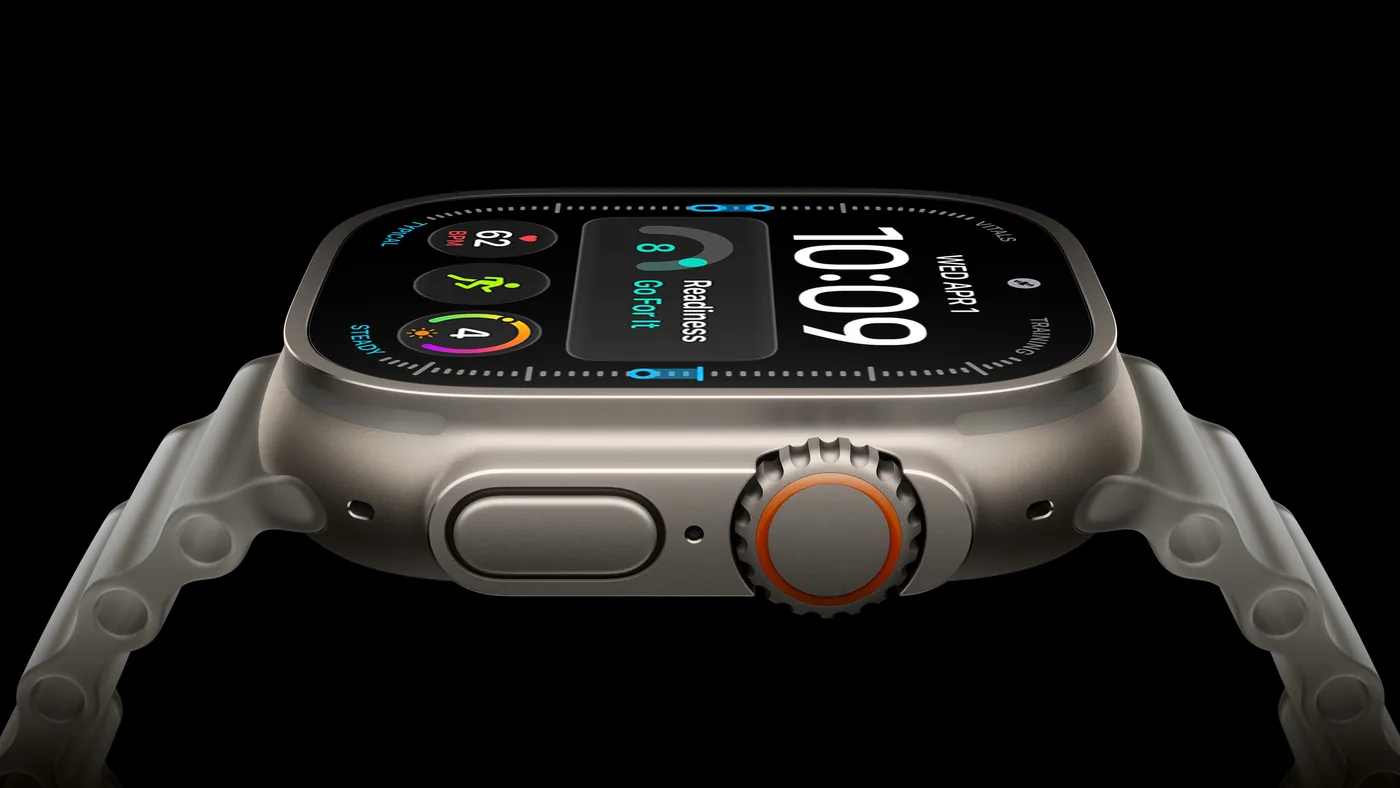
Series 12 keeps GLONASS. Clover suggests that its single-frequency design may make the L1 limitation less relevant, though Apple has not confirmed that explanation either. The two watches’ different satellite lists consequently provide a technical lead for future testing, rather than evidence that one model’s positioning has improved. Apple’s longer advertised battery runtime needs the same care: other hardware and operating-mode changes arrive with this generation. [1, 2]

Longer Workouts Carry Different Tradeoffs
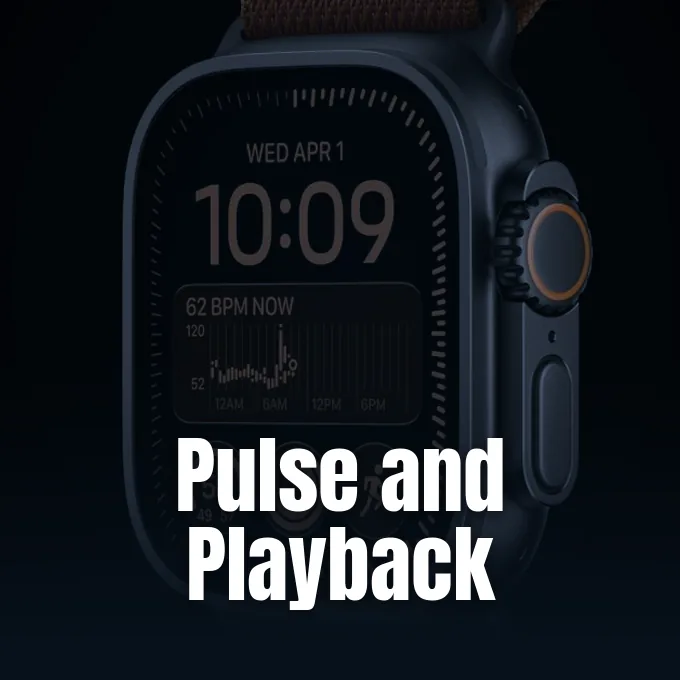
Apple Watch Ultra 4 also introduces workout modes with explicit changes to GPS operation. CNET’s Vanessa Hand Orellana reports that Extended Workout mode promises up to 25 hours of tracking while disabling the always-on display and running-form metrics. GPS and heart-rate tracking retain full fidelity in that mode. The more aggressive setting makes a different compromise, which matters when comparing battery claims across long training sessions. [2]
Max Extended Workout mode stretches the claim to 48 hours. According to CNET, it still records GPS at one-second intervals, but switches from multiband to single-band positioning and displays a rolling five-minute heart-rate average instead of the live metric. It also disables custom workouts, alerts, splits and some other metrics. These are documented operating-mode compromises; the reporting does not attribute them to the removal of GLONASS. [2]
Normal use has a separate rating: Apple claims up to 50 hours, compared with 42 hours for Ultra 3, while Low Power Mode rises from 72 to 84 hours. CNET reports a slightly larger battery and a dedicated always-on processor within the S11 chip that handles background work without repeatedly waking the main processor. Neither source isolates how much each change contributes, and neither measures a GLONASS-related saving. Battery testing would need to specify the operating mode, tracking settings and workload before its results could establish what a runner gains during a comparable session. Apple’s headline runtime cannot supply that missing comparison. [2, 5]
What the Ultra Premium Buys
Why is Apple Watch Ultra so expensive? Apple Watch Ultra 4 loses a navigation-system entry that Series 12 retains, yet its premium buys several other hardware differences. Bracaglia’s comparison places the extra cost in the Ultra’s larger titanium case, sapphire display, longer battery rating and additional outdoor capabilities. Its screen reaches 3,000 nits, against Series 12’s 2,000 nits. The Ultra also adds a customizable Action button, giving its hardware differences a purpose beyond the satellite list. [3]
Water-resistance ratings need a separate reading. CNET lists 100 meters for the Ultra 4 and 50 meters for Series 12, but specifies recreational scuba diving to 40 meters for the Ultra. The 100-meter rating is not the stated diving depth. Satellite emergency communication also remains part of the Ultra’s feature set, according to the comparisons, despite the change to its supported positioning systems. [3, 4]
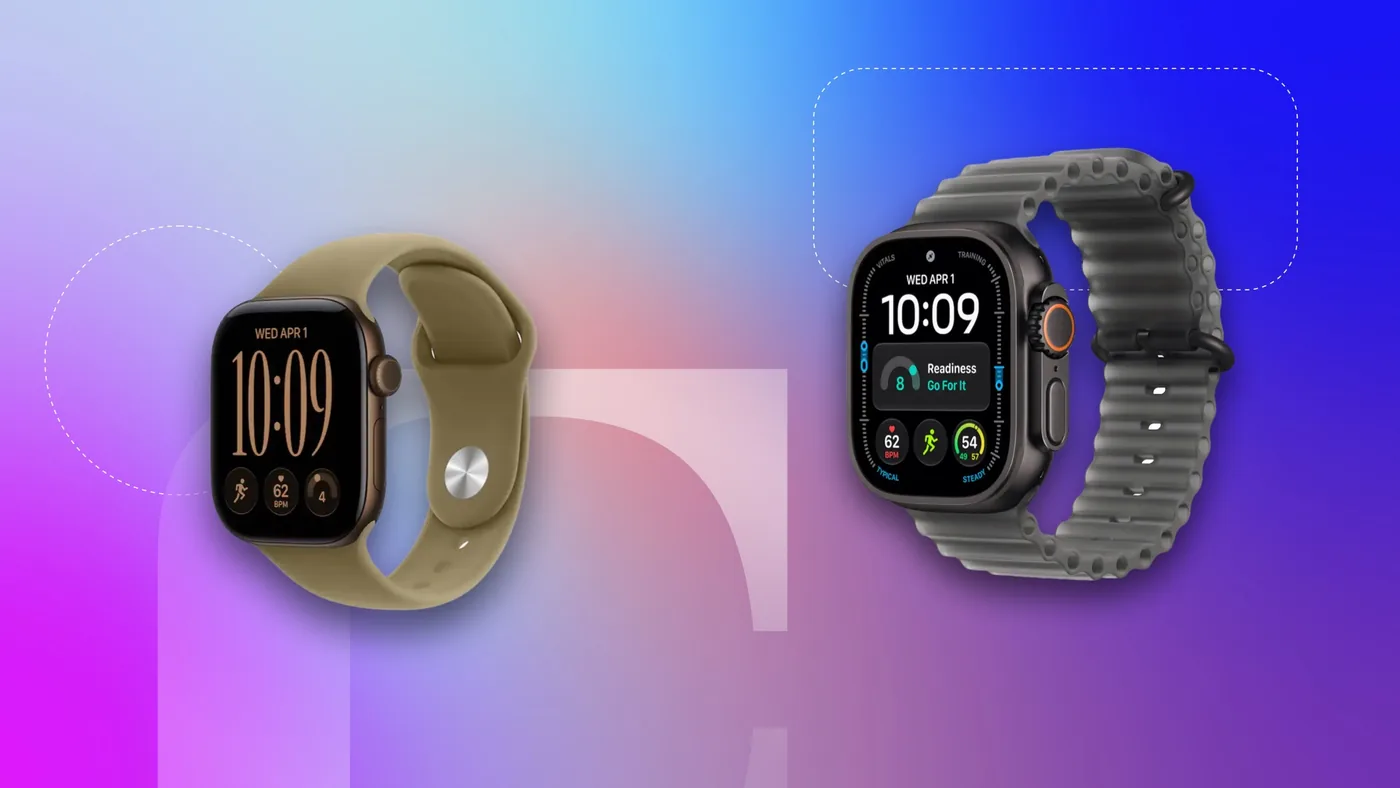
Series 12 shares the S11 processor and redesigned health sensors, so those upgrades alone do not explain the Ultra’s premium. PerEXP Teamworks’ coverage of Apple Watch preorders and the new health sensors follows that broader launch. Here, the distinction is the outdoor package: a buyer comparing navigation capabilities needs to consider the receiver, workout mode and available mapping tools together. The specification list covers only part of that comparison. [3]
Route Testing Still Has to Follow
CNET’s hands-on account comes from a demonstration room at the Steve Jobs Theater. Hand Orellana turned the Apple Watch Ultra 4 over and saw 32 electrodes arranged around its redesigned rear sensor system, replacing the previous ring of two. She also tried new audio features. The demonstration did not establish outdoor route accuracy, and her report explicitly leaves longer-term assessment of the new recovery features for subsequent testing. [2]
Tom’s Guide likewise says full comparative testing of the Ultra 4 and Garmin Fenix 9 Pro will follow. Nick Harris-Fry identifies a practical navigation difference already visible in their software: Garmin combines maps with activity statistics, while Apple’s built-in routing and Workouts functions occupy separate apps. Third-party apps can combine these views. That distinction affects how a route appears during exercise, independently of which satellite systems supply a position. [6]
Apple has published no GLONASS-specific test results in the available reporting. Comparable route tests are still missing. [1, 6]
For Apple Watch Ultra 4, the unresolved issue is whether recorded tracks change in difficult conditions when compared with Ultra 3 under equivalent settings. MacRumors has identified the missing system; the hands-on reports describe the new hardware and workout options. None supplies that route comparison. Until reviewers publish it, claims that the removal improves accuracy or extends battery life remain possible explanations rather than measured benefits.
- ONLINE NEWS Clover, J. (2026, September 10). Apple Watch Ultra 4 drops GLONASS support. MacRumors. [Article Link]
- ONLINE NEWS Hand Orellana, V. (2026, September 10). Apple Watch Ultra 4 hands-on: A closer look at its biggest upgrades. CNET. [Article Link]
- ONLINE NEWS Bracaglia, D. (2026, September 11). Apple Watch Series 12 vs Apple Watch Ultra 4: Which new Apple Watch should you buy? Tom’s Guide. [Article Link]
- ONLINE NEWS Lumb, D. (2026, September 11). Apple Watch Series 12 vs. Apple Watch Ultra 4: Clash of the newest Apple Watches. CNET. [Article Link]
- ONLINE NEWS Christoffel, R. (2026, September 11). Apple Watch Ultra 4 vs Ultra 3: Here’s everything new. 9to5Mac. [Article Link]
- ONLINE NEWS Harris-Fry, N. (2026, September 11). Apple Watch Ultra 4 vs Garmin Fenix 9 Pro: Price, specs and features compared. Tom’s Guide. [Article Link]


