






A public Google spreadsheet listing contact details for thirty game creators went live with a farewell note on LinkedIn. Independent studio Polyarc shutting down marks the end of nearly twelve years of development. Looming financial shortfalls and an uncapitalized pipeline forced the studio to close its doors. The developer behind the acclaimed third-person franchise Moss has officially halted active production, concluding a run that earned over 160 award nominations across modern headsets and consoles. [1, 2, 3]
Polyarc Shutting Down After 12 Years
The announcement of Polyarc shutting down arrived directly through the team’s official LinkedIn profile. The update signaled an unexpected finish for one of virtual reality’s most distinctive storytellers. In its public message, cited by outlet IGN, the studio explained that navigating the emotional rollercoaster of game production had reached an end after nearly twelve years. Active development has ceased as colleagues say their mutual farewells. In that shared statement, the team called collaborating across more than a decade an “honor” while thanking everyone who had contributed to its creative legacy over time. [1, 4]
The studio did not publish a lengthy corporate post-mortem with its farewell, choosing instead to share a public spreadsheet to help thirty departing colleagues find new positions. That abrupt finish highlights how precarious independent studios remain when production financing collapses. While other developers managed to survive when a backer withdrew—such as when Physint found a publisher in Xbox after Sony stepped away—Polyarc found no such corporate lifeline once external funding evaporated. [1, 2]
That spreadsheet lists engineering, design, and art staff across various disciplines, imploring hiring managers across the interactive entertainment industry to evaluate their portfolios carefully. Polyarc originally formed in 2015. It established an early reputation by building imaginative virtual worlds as modern consumer headsets first entered commercial homes. The company subsequently secured nine million dollars in venture funding in 2020 to explore augmented reality development with its core VR releases. Operations have now halted. The founders added that bringing surprise and delight to players across the globe had been a lasting privilege. [1, 2, 3]
Pioneering Third-Person VR With Moss
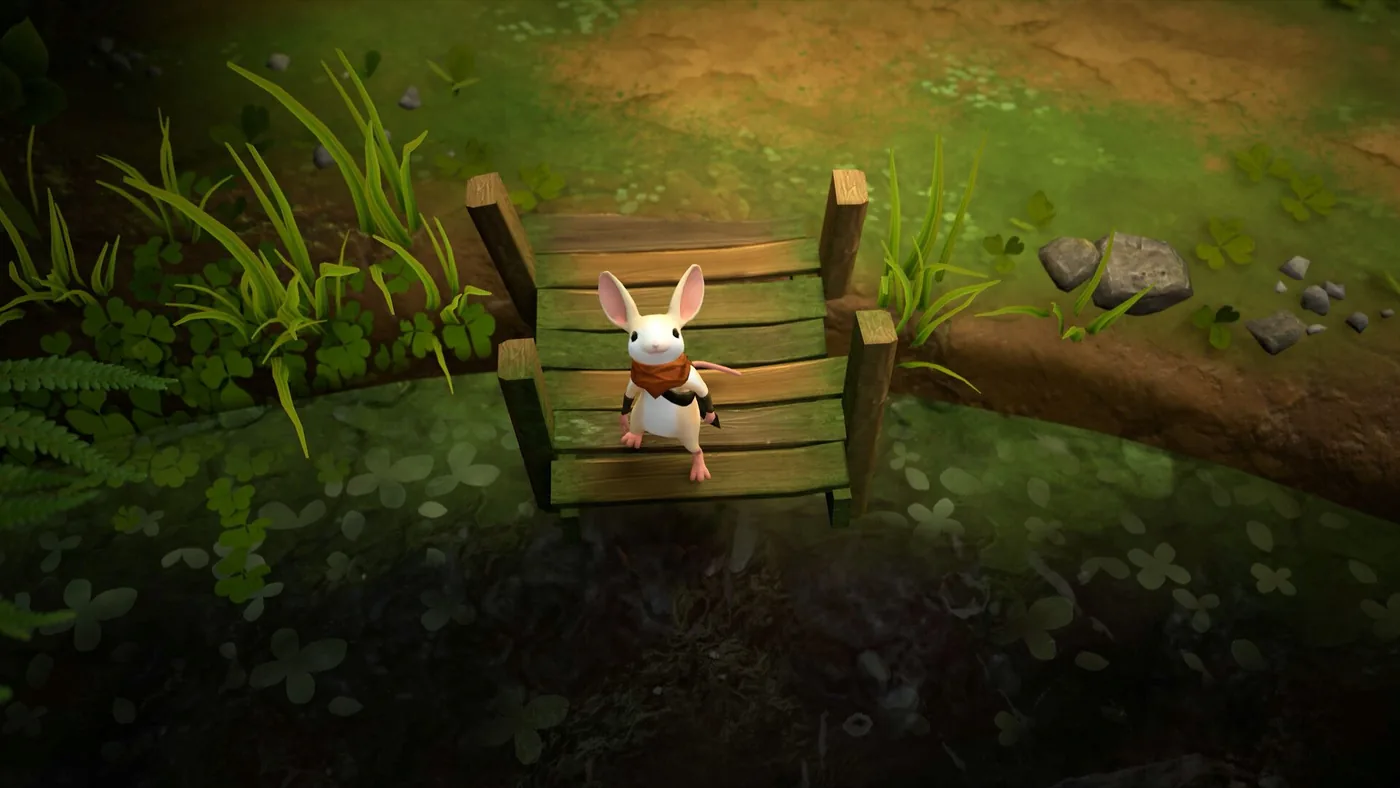
Polyarc built its international reputation through a structural breakthrough in virtual reality design. When Moss arrived in 2018 as a PlayStation VR exclusive before launching onto Steam in June of that year, prevailing wisdom dictated that immersive hardware required a first-person perspective. Polyarc rejected that assumption entirely. Instead of placing cameras behind a character’s eyes, the team combined classic third-person platforming mechanics with the tangible presence of an external observer positioned right above the world. Players hovered above a living miniature kingdom as an omniscient Reader. Quill responded to conventional gamepad controls. The bold camera choice succeeded. [1, 3]
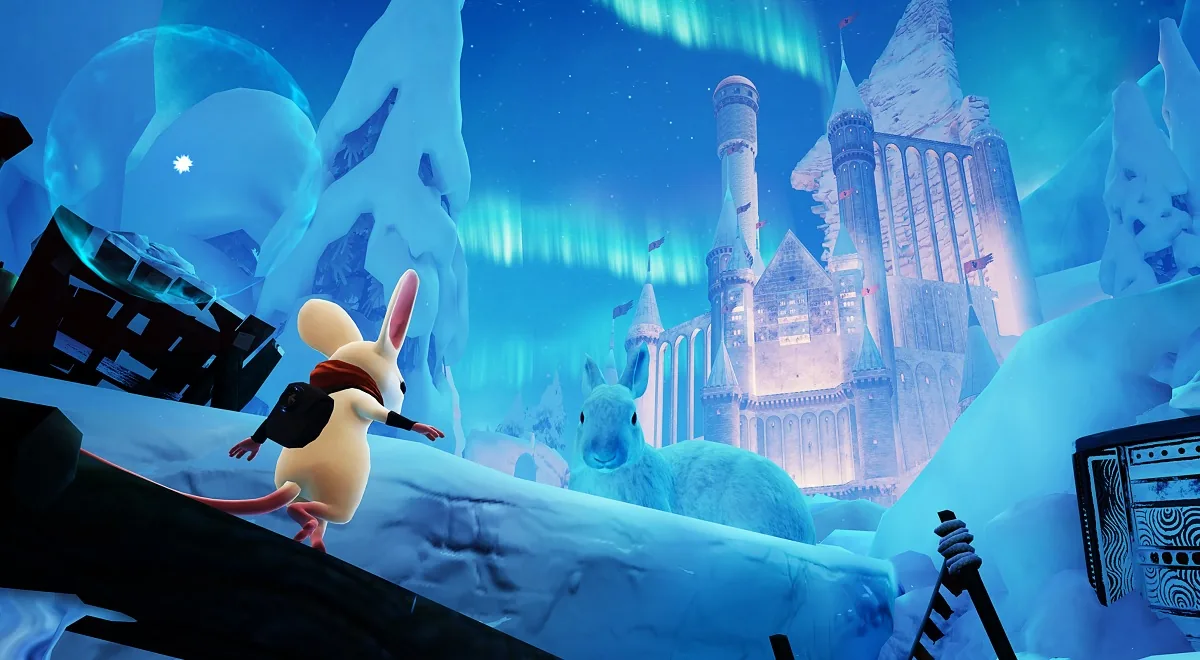
Players controlled Quill—a young mouse outfitted with sword and tunic—using standard analog directional controls while physically interacting with the miniature diorama environment through motion-tracked hand gestures. Puzzles demanded direct tactile intervention. Players reached into environments to move stone pillars, heal Quill during combat, and clear blocking obstacles. This charming duality earned Moss and its sequels over 160 awards and nominations, proving that tactile diorama perspectives (interactive miniature settings) could evoke deep emotional connections. The titles achieved substantial commercial traction on Meta Quest hardware. In that broader headset ecosystem, a slim Meta headset surfaced in firmware leaks, illustrating the hardware iterations developers must target. [1, 4]
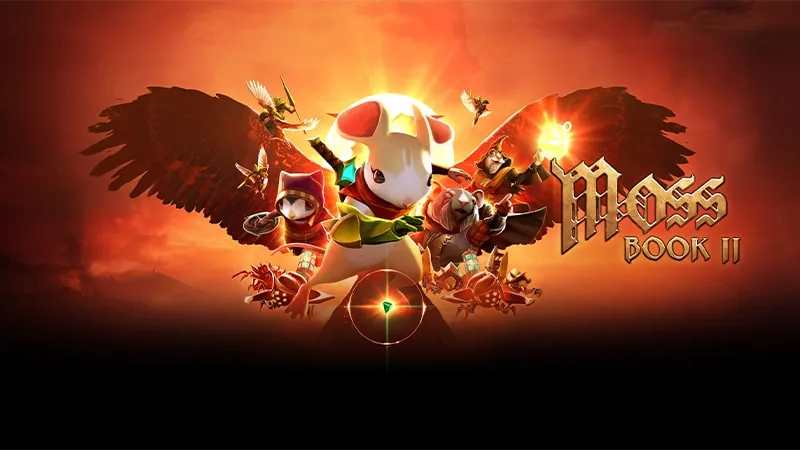
Building on that critical foundation, Polyarc launched Moss: Book II in 2022. The sequel expanded Quill’s narrative journey with new weapons, elaborate puzzle environments, and heightened emotional stakes. Critics and players warmly embraced the return, cementing the franchise as an essential benchmark for interactive storybook craftsmanship. Polyarc demonstrated that VR did not need adrenaline-fueled simulation to captivate audiences worldwide. Wonder worked just as effectively. The formula resonated across audiences. [1, 3, 4]


Funding Loss and Layoffs in 2026
Ambition prompted the studio to explore competitive multiplayer formats before market pressures intensified. In 2025, Polyarc published Glassbreakers: Champions of Moss, a strategy spinoff designed for head-to-head competitive play. The experiment struggled from its inception. Despite transporting familiar lore into tactical arenas, Glassbreakers failed to attract a sustainable player base in an already crowded multiplayer ecosystem where live-service titles require constant concurrent populations. The studio faced mounting isolation. Player numbers never materialized. [1, 4]
Financial pressures compounded rapidly behind the scenes during late 2025. While public perception associated the studio with award-winning releases, internal operations hit severe turbulence when external funding for a major in-development project abruptly evaporated late in 2025. Studio leadership pursued alternative financing through third-party publishing negotiations while racing against ongoing operating expenses. Those negotiations collapsed without funding. Reporter Rick Lane of PC Gamer noted that Polyarc failed to secure an eleventh-hour third-party publisher deal, leaving its forward development pipeline uncapitalized and commercially unsustainable. [1, 2]
The fallout materialized earlier in 2026 with severe workforce reductions. Polyarc abruptly laid off two-thirds of its staff after that large, undisclosed project suffered complete cancelation. Management released an official communication during that downsizing, acknowledging that losing prospective funding made sustaining the studio headcount impossible. Truncating the team bought temporary runway. However, the cuts left remaining staff with limited operational bandwidth to create fresh projects. Production could not continue. [1, 2]
Non-VR Release and Team Farewell
In July 2026, the studio released what would become its final commercial title: Moss: The Forgotten Relic. Vancouver studio Blackbird Interactive co-developed the compilation, packaging Moss, its sequel, and The Twilight Garden expansion into a unified offering. Critically, The Forgotten Relic stripped out required headset hardware entirely, translating dual-character mechanics into a standard flat-screen experience playable on traditional PC monitors with gamepads. Polyarc hoped reaching conventional PC players would unlock an audience far larger than virtual reality hardware owners. The adaptation earned critical praise. Flat-screen gamers welcomed Quill. [1, 2, 3]
Reception for the compilation proved positive, yet unit sales arrived too late to avert the studio’s collapse. Re-engineering intricate spatial mechanics for standard console gamepads retained Quill’s charm, but commercial revenue failed to offset severe financial losses sustained from earlier development project cancelations. PC Gamer reporter Rick Lane observed that despite favorable reviews, the compilation simply did not sell enough copies to sustain payroll. Runway vanished quickly. Only thirty developers remained. [1]
Following news of Polyarc shutting down, digital storefronts discounted the studio’s catalog to mark its departure. Valve’s Steam platform cut The Forgotten Relic by twenty percent. Meanwhile, original VR editions of Moss and Moss: Book II received fifty percent price reductions across storefronts. Glassbreakers received no sale discount. On LinkedIn, the studio published its parting message, stating that its creative work had officially concluded and thanking the team members who brought its worlds to life. Their shared journey ended. [1, 4]
Wider Pressures Across Game Studios
Polyarc’s demise reflects broader contraction across the interactive entertainment landscape throughout 2026. Game Informer reporter Marcus Stewart highlighted that Polyarc joins an escalating list of shuttered subsidiaries this year. Those casualties include Night School Studio of Oxenfree renown, along with Wanderstop creator Ivy Road, Ubisoft’s Halifax mobile branch, and Demon’s Souls remake developer Bluepoint Games. Whether operating under massive corporate parents or navigating independent development pipelines, studios face unprecedented financing headwinds. High production costs and cautious investors continue to squeeze creative teams worldwide. Industry contractions show few pauses. [3]
Journalist Azario Lopez observed in Noisy Pixel that the closure marks the definitive end of an era for boutique VR experimentation. Polyarc demonstrated that virtual spaces could deliver subtle emotional poignancy through tiny characters rather than overwhelming bombast. While Quill’s adventures remain playable across headsets and PC monitors, thirty departing developers must now seek new creative homes. Their reverse recruiting spreadsheet remains open across social channels, inviting game studios everywhere to hire the talent that brought a courageous little mouse to life. [1, 4]
- ONLINE NEWS Lane, R. (2026, September 12). Polyarc, developer of the excellent VR platforming series Moss, is shutting down after 12 years: ‘We are saying our farewells to each other’. PC Gamer. [Article Link]
- ONLINE NEWS Kaser, R. (2026, September 12). Polyarc Games, developer of Moss VR titles, announces shutdown. GamesBeat. [Article Link]
- ONLINE NEWS Stewart, M. (2026, September 11). Moss Developer Polyarc Is Shutting Down. Game Informer. [Article Link]
- ONLINE NEWS Lopez, A. (2026, September 11). Moss Developer Polyarc Ends Game Development After Nearly 12 Years. Noisy Pixel. [Article Link]
- ONLINE NEWS Moss series developer Polyarc shuts down. (n.d.). Gematsu. [Article Link]


