






Why has heroin use frequency intensified even as overall initiation rates decline? Longitudinal surveillance programs tracking substance consumption indicate that long-term consumers are administering the drug far more frequently than in prior decades. In a monitoring pre-print that has not yet undergone formal peer review, researchers Rachel Sutherland, Amy Peacock, and Jodie Grigg documented that surveyed individuals shifted from using heroin an average of three days per week to daily consumption [1].
Surging Frequency of Heroin Use in Annual Surveillance
Long-term longitudinal data from the Illicit Drug Reporting System, funded by the Australian Government Department of Health, Disability and Ageing, illustrates a marked transformation in consumer behavior. Although the proportion of surveyed individuals reporting recent heroin consumption decreased from 79% in 2000 to 51% in 2026, those remaining within the cohort reported administering the substance almost daily. This pattern represents the highest frequency recorded since systematic national monitoring commenced twenty-six years ago, accompanied by a significant expansion in participants presenting severe clinical opioid dependence across Australian testing sites [2].
Wastewater monitoring corroborated these survey metrics. Chemical analysis in treatment plants detected record-high heroin metabolite traces across the 2024–25 testing cycles [1].
Heroin-related hospital admissions climbed by 26% between the 2022–23 and 2023–24 fiscal reporting periods, while emergency ambulance attendances increased across most jurisdictions with available telemetry. Preliminary 2024 mortality registries indicate that fatal overdoses involving heroin are now rapidly approaching the historical peaks documented in 2018 and 2019 [1]. According to international treatment data compiled across 140 countries, one-third of all patients admitted for specialized addiction therapy sought assistance for severe opioid dependence [3].
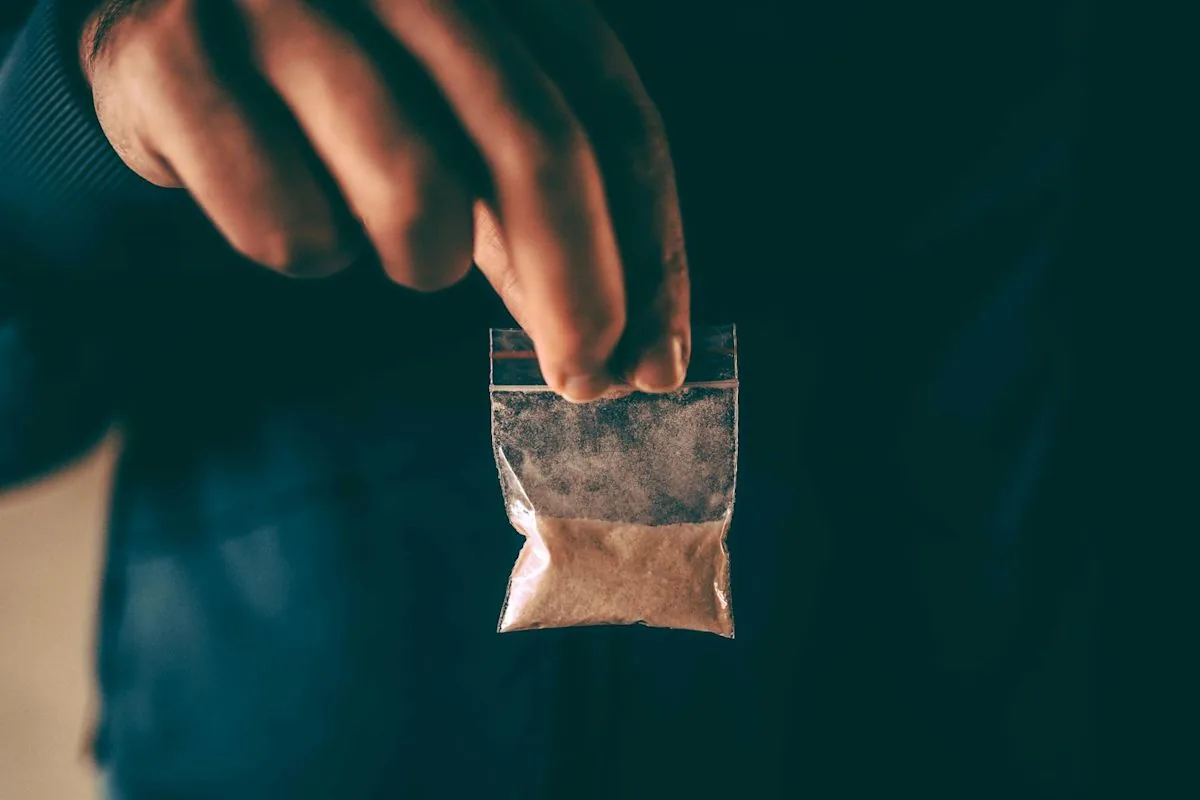
Why Heroin Use Was Restricted?
Heroin use was restricted by international treaties and domestic health authorities because its rapid conversion to morphine in neural tissue creates extreme physiological dependence and life-threatening respiratory depression. During the 1990s, steep spikes in fatal poisonings prompted rigorous statutory controls and medical intervention protocols across several continents. Subsequent market contractions, including the acute heroin drought observed in Australia during the early 2000s, temporarily diminished street availability, yet structural demand persisted among established cohorts [2].
Researchers attribute current consumption spikes to an interaction of pricing economics and demographic factors. A noticeable reduction in the purity-adjusted price per gram allows consumers to obtain active doses at reduced expense. Simultaneously, an ageing cohort of people with extensive histories of substance use experiences altered metabolic tolerance, elevating their likelihood of developing diagnosed heroin use disorder and severe chronic complications [1].
The broader regulatory landscape of opioid analgesics reveals stark socioeconomic disparities between nations. While wealthier jurisdictions face widespread non-medical use of diverted pharmaceutical tablets, roughly 58.7 million people in lower- and middle-income territories lack essential access to palliative pain relief. Investigating how different demographics process nociceptive signals, including documented distinct biological pain pathways between sexes, underscores the necessity of balancing legitimate medical access with strict diversion controls [3].
What Illegal Drug Is Used the Most?
Cannabis remains the most widely used illegal drug across the globe, with approximately 256 million people consuming the substance in 2024 according to the United Nations Office on Drugs and Crime. Annual UNODC data shows opioids follow with 63 million users, amphetamines with 32 million, cocaine with 25 million, and ecstasy with 21 million. Cannabis prevalence proved highest across North America, where 20.5% of the population aged 15 to 64 reported consumption, propelled by regional legislative reforms. Cannabis use disorder remains the primary diagnosis for which individuals seek specialized treatment across Africa and Oceania, representing roughly one-third of all admissions [3].
Global drug consumption expanded to an estimated 331 million people in 2024, representing 6.2% of the world population aged 15 to 64 compared to 5.2% a decade prior. Monica Juma, Executive Director of the UNODC, highlighted an unprecedented proliferation of synthetic compounds circulating within illicit supply networks. Authorities cataloged 755 new psychoactive substances in 2024, including 118 chemical structures reported for the first time. Globally, only one in 23 women with drug use disorders receives clinical care, compared with one in nine men [6].

National surveys in the United States offer a parallel perspective on high-volume consumption. According to data compiled by Jessica Miller from the Substance Abuse and Mental Health Services Administration (SAMHSA) National Survey on Drug Use and Health, 70.3 million individuals aged 12 and older used illicit drugs in 2022. Surveillance resources published by the National Institute on Drug Abuse track multi-year trends across emergency departments and treatment registries to identify escalating mortality risks [7]. Alcohol remains the most pervasive substance, with 221,306,000 lifetime consumers, whereas 28.8 million adults met criteria for an alcohol use disorder [4]. Meanwhile, healthcare expenditures associated with dependency cost American taxpayers an average of $260 per person annually [5].


Cocaine Resurgence and Global Stimulant Distribution
Stimulant markets have expanded at an extraordinary pace over the past two decades. In the Australian Ecstasy and Related Drugs Reporting System, recent cocaine consumption among regular ecstasy consumers surged to 84% in 2026, representing the highest proportion observed in twenty years [1]. Although the typical frequency of consumption remained stable at approximately once per month, international production figures indicate massive supply escalation. Cocaine manufacturing reached 4,000 tons. South American interdiction teams seized record quantities across major transit corridors [3].
Trafficking syndicates have adapted logistical methods to evade maritime interdiction. Container shipments bound for Western Europe increasingly utilize smaller concealments within refrigerated structures, causing the average seizure payload in ports such as Belgium to decline by 39% while total interception events multiplied [3]. In the United States, cocaine-related mortality has climbed precipitously. Annual poisoning deaths involving cocaine documented by federal health agencies advanced from 15,883 fatalities in 2019 to 27,569 in 2022, driven primarily by lethal co-ingestion with synthetic opioids [4].

The synthetic stimulant market experienced an abrupt transformation following geopolitical upheaval in the Middle East. When state-run facilities collapsed in Syria during 2024, the supply of illicit Captagon (fenethylline-derived tablets) contracted sharply, causing street prices in Lebanon to surge from $2 to $5 per unit. Seizures climbed eighty-three percent. Illicit producers pivoted toward crystal methamphetamine, driving extensive neurobiological harm [3]. Understanding how excessive dopamine surges alter synaptic plasticity, as explored in scientific analyses of dopamine detox methods and reward circuitry regulation, explains why repeated stimulant administration provokes rapid dependence [1].
Synthetic Opioids and Heroin Use Disorder Risks
A massive contraction in agricultural opium cultivation has disrupted traditional illicit distribution networks. Following the Taliban ban on poppy cultivation instituted in April 2022, opium production across Afghanistan plummeted by 95%, eliminating more than 6,000 tonnes of raw harvest. Myanmar produced over 1,000 tonnes. While agricultural production in Southeast Asia and Mexico expanded in 2025, combined harvests failed to offset the massive global deficit [6]. Transnational trafficking syndicates increasingly manufacture potent synthetic substitutes to sustain illicit opiate demand and replace disrupted heroin use channels [3].
Synthetic analogues present unprecedented toxicological threats to consumers suffering from chronic heroin dependence. High-potency non-fentanyl opioids known as nitazenes (including isotonitazene, protonitazene, and metonitazene) have been identified across 37 countries since 2019, frequently masquerading as counterfeit pharmaceutical tablets [3]. Lead researcher Chloé Carpentier warned that emergency personnel often lack diagnostic tools to recognize these novel structures during acute resuscitation events [6]. In the United States alone, the Drug Enforcement Administration confiscated over 376 million lethal doses of fentanyl in 2023, where 42% of seized street tablets contained fatal quantities [5].
Market diversification is not confined to opioids; recreational inhalants are undergoing a dangerous physical shift. Surveillance teams led by Amy Peacock observed that while the overall frequency of nitrous oxide abuse remained low among surveyed partygoers, consumers overwhelmingly substituted traditional 8-gram bulbs with large commercial cylinders containing up to 2 kilograms of compressed gas. This massive volumetric exposure inactivates cellular vitamin B12, causing severe subacute combined degeneration of the spinal cord. Evaluating clinical therapies for motor impairment, such as managing neurological coordination and motor symptoms, highlights how peripheral nerve damage can result in irreversible physical disability if exposure remains unchecked [1].
Harm Reduction Priorities and Community Overdose Interventions
Public health vulnerabilities vary significantly across geographic regions and socioeconomic environments. Centers for Disease Control and Prevention surveillance indicated that total United States drug fatalities fell by approximately 2% in 2024, yet regional hotspots experienced sharp mortality surges. Alaska recorded a 33% increase. Fatal poisonings reached 54.1 deaths per 100,000 residents across the state, while urban centers including Baltimore exceeded 133 overdoses per 100,000 individuals. Furthermore, unhoused populations face extreme peril: over 582,000 individuals experience homelessness across the nation, where one-fourth of all fatalities stem directly from accidental drug overdoses [5].
Harm reduction infrastructure provides indispensable defenses against synthetic and traditional opioid fatalities. Opioid antagonist distribution through initiatives like the Australian National Take Home Naloxone Pilot Program allows bystanders and family members to reverse lethal respiratory depression within minutes. Naloxone reverses acute opioid overdoses. Peer-reviewed clinical trials demonstrate that expanding community naloxone distribution in conjunction with medically supervised methadone and buprenorphine maintenance stabilizes high-risk individuals, lowering both all-cause mortality and emergency department admissions [2].
Addressing modern drug challenges demands coordinated chemical surveillance and expanded access to low-barrier healthcare. As illicit supply lines toggle between agricultural harvests and lab-synthesized analogs, public health agencies must invest in rapid drug-checking spectrometry and international data sharing to detect emerging synthetic threats before local mortality spikes occur. Sustainable progress ultimately depends on whether municipal policymakers treat substance dependence as a treatable health condition rather than an intractable criminal issue [6].
- ONLINE NEWS Peacock, A., Grigg, J., & Sutherland, R. (2026). Heroin used more often, cocaine use up: What new data says about drug use today. The Conversation. [Article Link]
- ONLINE NEWS Sutherland, R., Peacock, A., & Grigg, J. (2026). Heroin used more often, cocaine use up: What new data says about drug use today. Yahoo News Australia. [Article Link]
- WEBSITE Fuller, K. (2026). 2026 World Drug Report key findings and global trends. Addiction Center. [Article Link]
- WEBSITE Miller, J. (2026). Most commonly abused drugs statistics ranked by use. AddictionHelp.com. [Article Link]
- REPORT Rehab.com Editorial Staff. (2026). Drug use statistics in the United States: 2026 Rehab Report. Rehab.com. [Article Link]
- ONLINE NEWS UN News. (2026). Global drug use reaches record high as increasingly potent synthetic drugs spread. United Nations. [Article Link]
- WEBSITE National Institute on Drug Abuse. (2024). Trends & statistics: Monitoring drug use in the United States. National Institutes of Health. [Article Link]
- REPORT United Nations Office on Drugs and Crime. (2025). World Drug Report 2025: Key figures at a glance. UNODC. [Article Link]
APA 7: PerEXP Teamworks. (2026, September 25). Heroin Use Frequency Climbs as Global Drug Markets Shift. PerEXP Teamworks.


