





Elden Ring Nightreign mods are transforming the discontinued multiplayer title into an expansive community sandbox for classic FromSoftware environments. Independent creator Doneda announced the successful transfer of Frozen Eleum Loyce and the Frigid Outskirts directly into the active client architecture [3]. At the same time, veteran software developer Modder Yui scheduled the release of a dedicated seamless cooperative multiplayer framework for Tuesday, September 22 [1]. Can community innovation rescue an abandoned experimental project? These interconnected engineering initiatives effectively bridge two divisive action entries across the broader FromSoftware catalog [2].
Doneda Transplants Lost Crowns into Nightreign
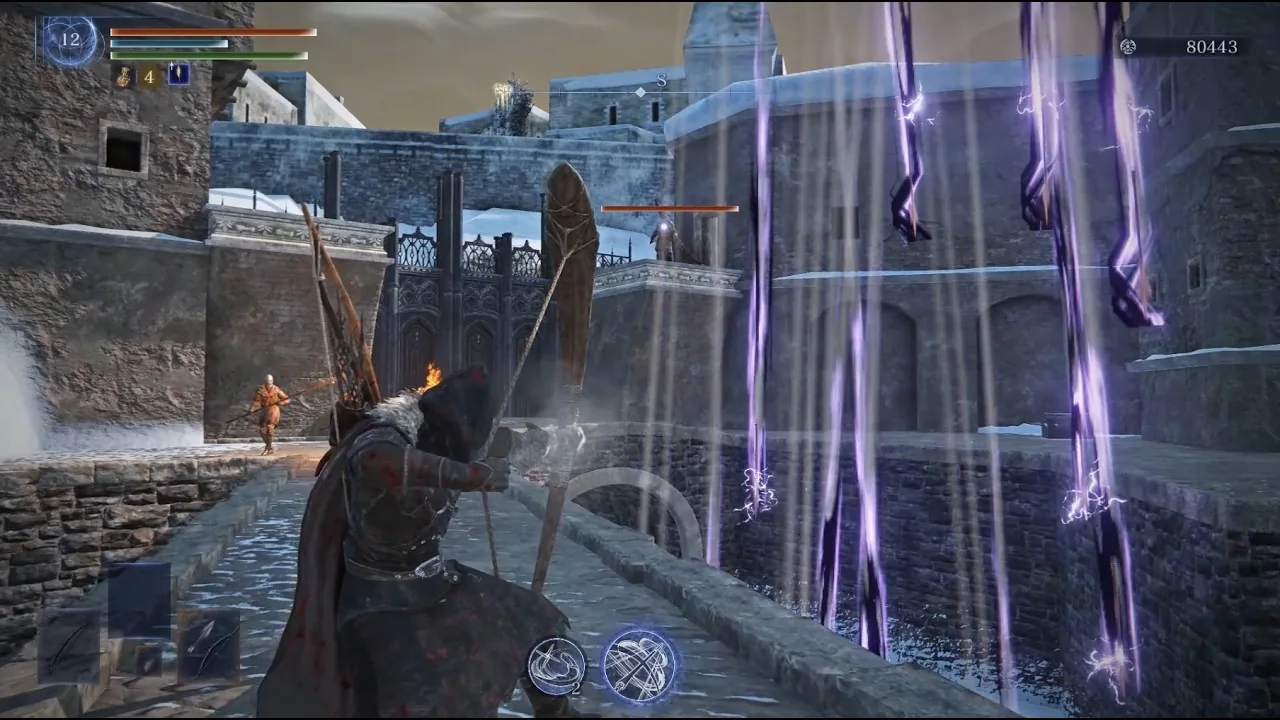
Creator Doneda published a comprehensive gameplay trailer on YouTube demonstrating the snowy environments of Dark Souls running smoothly within the modern client engine. Rather than recreating structures from scratch, the project ports the exact geography of the celebrated Lost Crowns expansion territory. The wide plains of Frigid Outskirts and the towering fortress walls of Eleum Loyce integrate naturally with the terrain rules of Limveld. Players encounter sweeping blizzards that obscure distant landmarks while navigating frozen architectural corridors across open tundra [3]. Mod Engine 3 is required.
The technical layout introduces a striking twist for competitive matches by directing late-game encounters toward the subterranean chaos arena where players originally challenged the Burnt Ivory King. During late-match progression, the deadly night two circle boundary contracts directly around this sunken volcanic pit, forcing surviving teams into desperate close-quarters combat beneath towering ancient architectural ruins. Creator Doneda previously demonstrated deep architectural familiarity after unearthing and restoring an unfinished sewer map from legacy game archives. That technical background enabled the creator to align vertical collision meshes without destabilizing physics simulations across the zone [3].
The complete zone package is available through the Nightreign Nexus portal for community testing. While cramped zones like Brume Tower resisted open-world integration, Eleum Loyce mirrors the spatial density of Limveld. Creator Doneda funds future map conversions through Ko-fi while sharing preview footage on personal social platforms. While earlier FromSoftware expansions like Shadow of the Erdtree or Old Hunters delivered dramatic visual polish, the Lost Crowns trilogy established an unprecedented leap in design quality. Community members testing early Elden Ring Nightreign mods now experience that celebrated architectural density inside a fast-paced survival framework [3].
Community Creators Sustain Elden Ring Nightreign Mods
Studio support ended prematurely. Studio FromSoftware shifted internal engineering priorities toward The Duskbloods, prompting dedicated fans to preserve competitive interest through independent project releases [3].
The official Deep of Night content update originally introduced formidable boss encounters against The Balancers and Libra, yet it also imposed what PC Gamer critic Ted Litchfield characterized as an intensely abrasive difficulty curve that alienated casual fireteams. When official studio updates ceased in favor of future production pipelines, independent hobbyists stepped forward to maintain competitive interest through versatile technical toolkits and custom balancing scripts. Creator TerraMag introduced expanded weapon arsenals imported directly from Dark Souls and Shadow of the Erdtree, while Modder Yui adapted existing multiplayer networking code to sustain cooperative party sessions. These distributed development efforts demonstrate how dedicated player bases stabilize abandoned experimental titles against abrupt online extinction when official servers fall silent [3].
Independent creators frequently navigate complex intellectual property boundaries when expanding proprietary network games across modern platforms. Unofficial multiplayer initiatives often operate without explicit corporate authorization, contrasting with instances where an unreleased multiplayer mod was canceled at a publisher’s request. In the FromSoftware modding ecosystem, community projects generally distribute through Nexus Mods and GitHub without direct corporate friction [1, 2]. By relying on client-side mod loaders like Mod Engine 3 (a background utility essential for loading custom game parameters), Elden Ring Nightreign mods remain accessible without tampering with proprietary live-service authentication servers [3].


Yui Brings Seamless Co-Op to Dark Souls 2
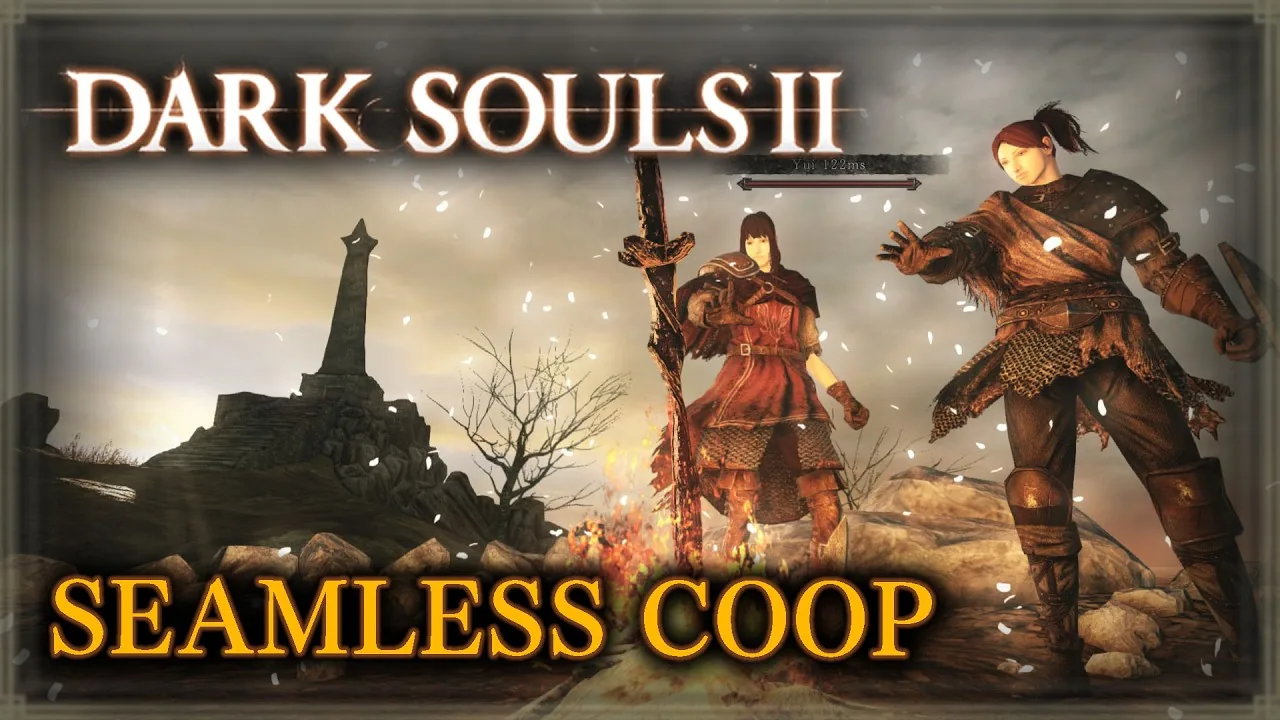
Software developer Modder Yui represents the central architectural pillar of contemporary FromSoftware cooperative modding initiatives, creating network utilities that parallel popular Elden Ring Nightreign mods [1]. Having authored foundational seamless multiplayer systems for Dark Souls, Elden Ring, and Armored Core VI: Fires of Rubicon, Modder Yui spent a year and a half constructing a corresponding framework for the second fantasy entry. GamesRadar writer Dustin Bailey reported that work initially commenced in April of last year, targeting an official public launch date on Tuesday, September 22 [1, 2]. The completed modification launches publicly on Nexus Mods, supplemented by voluntary community funding through Patreon [1].
Traditional cooperative summoning throughout the franchise restricts player interaction through rigid territorial boundaries, dissolving sessions whenever party members defeat an area boss or perish in combat [1]. Modder Yui eliminates these barriers by allowing up to six participants to explore the campaign continuously from tutorial zones to terminal encounters. Non-player character conversations synchronize across the entire party in real time, ensuring that quest progression advances uniformly for all summoned companions [2]. Area restrictions vanish entirely. Summoned companions no longer suffer sudden disconnects during transitions [1].
World progression links directly across all participating client accounts during cooperative expeditions [1]. When a traveling cohort fells a major boss, the victory registers across each player’s individual campaign file. Acquired items and equipment transfer into personal inventories without requiring secondary runs [2]. Session progress transfers immediately. How will these comprehensive quality-of-life enhancements reshape retrospective player appraisals across the community? This persistent architecture transforms what was once a disjointed summons ritual into a unified campaign adventure [1].
Six Player Sessions and Technical Modernization
Reporter Lauren Bergin confirmed for PCGamesN that the new multiplayer framework functions exclusively with Dark Souls 2: Scholar of the First Sin due to foundational architecture discrepancies. The original release operated on a 32-bit executable (a legacy binary structure with severe memory constraints), whereas the remastered Scholar edition utilizes modern 64-bit architecture. This modern 64-bit baseline provides the substantial memory headroom necessary to synchronize six active participants, complex environmental triggers, and uninterrupted entity spawning without triggering fatal client memory overruns during extended cooperative sessions [2].
Technical modifications also address persistent input grievances that plagued the PC edition since initial release. A longstanding mouse and keyboard bug that triggered double-clicking input lag has been fully corrected. Modder Yui resolved the glitch. Additionally, revised controller dead zone parameters eliminate analog drift and uneven stick response during precision platforming across hazardous terrain. Limited-time seasonal event content has also been restored, making exclusive item encounters permanently accessible without date-locked server verification [1].
Introducing cooperative reinforcements into a notoriously punishing game inevitably alters tactical combat balance across challenging encounters. Much like dynamic encounters engineered across Elden Ring Nightreign mods, Modder Yui incorporated responsive multiplayer health and damage scaling that automatically adjusts enemy strength against party size. Furthermore, an optional world tenancy mechanic (a punitive difficulty modifier resembling legacy environmental scaling) introduces harsher enemy behaviors for veteran squads seeking authentic resistance. The balance remains customizable. Players can modify operational difficulty parameters before launching each session [2].
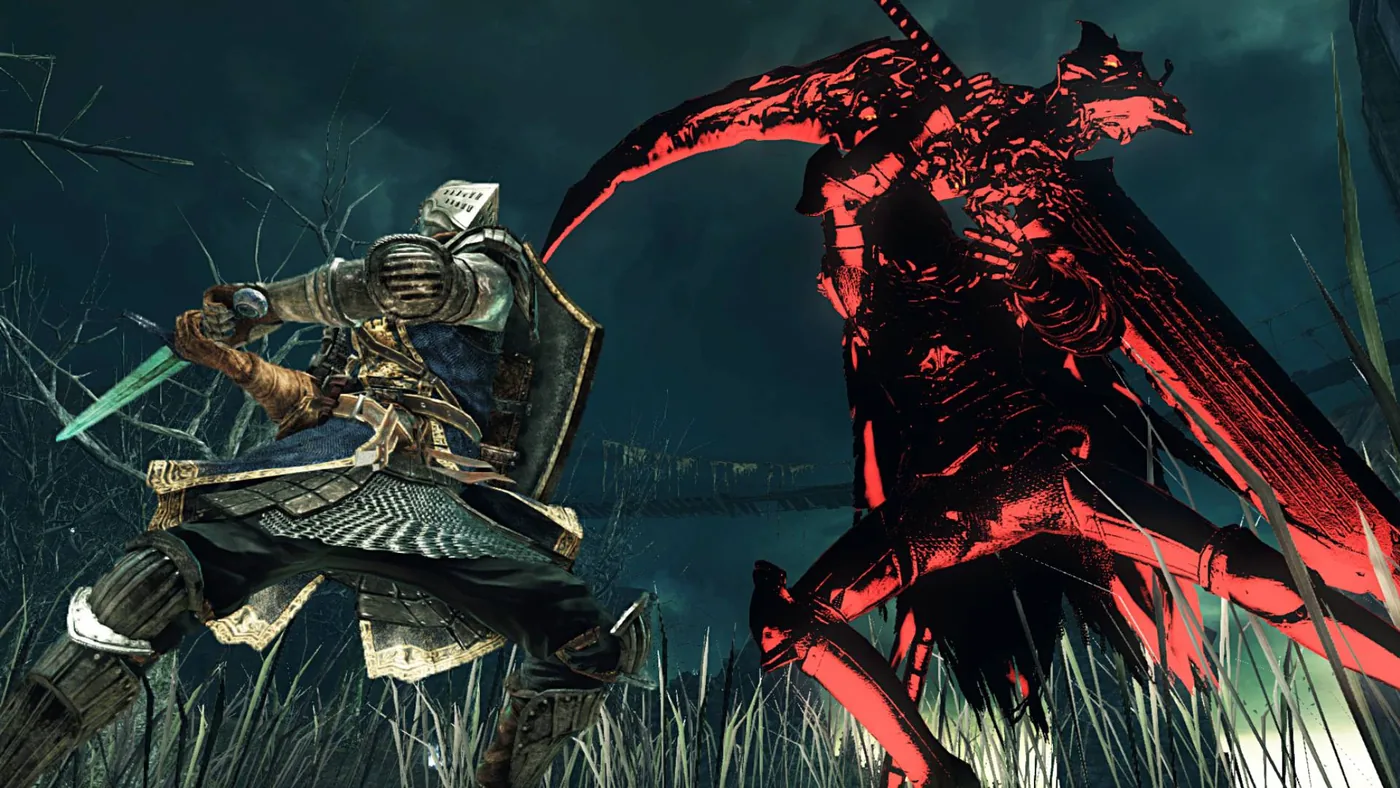
Cursed Soul Fragments and Proximity Voice Chat
Because player deaths no longer terminate active multiplayer connections, project collaborator Amirah outlined a dedicated balancing mechanic designed to discourage reckless suicide runs. When any member of the expedition dies, the party acquires a cursed soul fragment (a stacking penalty item that incrementally bolsters enemy offensive strength). Accumulating multiple fragments significantly empowers hostile mobs throughout subsequent encounters across the territory. Resting together at a bonfire resets the cursed fragments and restores baseline difficulty [1].
Social interaction receives an immediate overhaul through the implementation of integrated proximity voice chat. Players communicate directly within spatial audio range, creating natural tactical coordination during treacherous ambushes and intense boss encounters [1]. The audio functionality extends to adversarial player-versus-player invasions, permitting tense negotiations or verbal banter between hostile factions across contested zones [2]. Both options remain voluntary. Users can toggle proximity channels or mute unwanted participants through local interface settings [1].
By connecting legacy landscapes with modern networking systems, community developers have given overlooked FromSoftware chapters a revitalized lifecycle. Creator Doneda proves that classic territories can enrich modern multiplayer frameworks, while Modder Yui demonstrates that collaborative engineering can resolve structural limitations across aging game engines [1, 3]. Elden Ring Nightreign mods and companion cooperative tools demonstrate how collective fan ingenuity outlasts official studio support, ensuring that even discontinued experiments continue to evolve through shared discovery across the global gaming community [3].
- ONLINE NEWS Bailey, D. (2026, September 21). The best Elden Ring mod is coming to the worst Dark Souls game tomorrow, and the new seamless co-op also has prox chat and quality-of-life fixes. GamesRadar+. [Article Link]
- ONLINE NEWS Bergin, L. (2026, September 21). Dark Souls 2 now has seamless co-op, from the same creator as Elden Ring’s. PCGamesN. [Article Link]
- ONLINE NEWS Litchfield, T. (2026, September 20). Elden Ring Nightreign is dead, but modders are dabbing on its corpse, with one porting an entire Dark Souls 2 DLC zone as a playable map. PC Gamer. [Article Link]


