





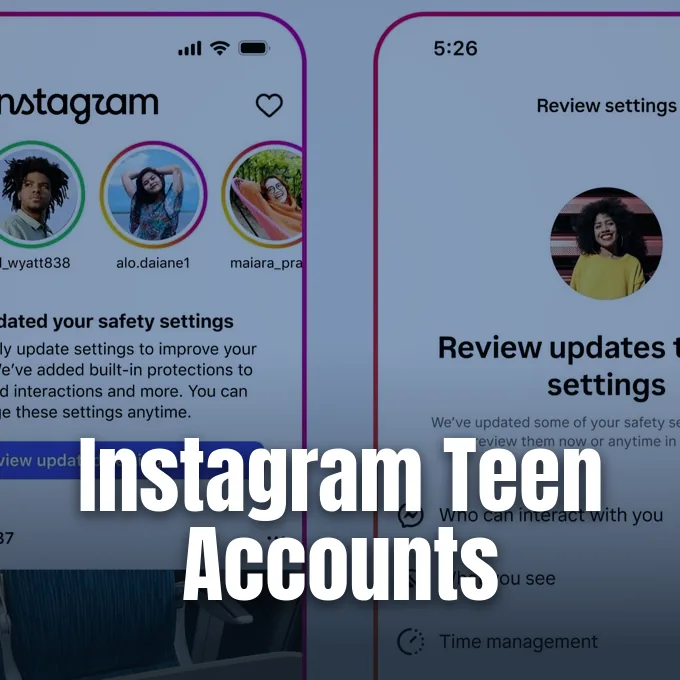
Meta announced on November 9, 2026, that it is expanding its artificial intelligence age-estimation technology worldwide to place suspected young users into protected Instagram Teen Accounts [2]. The automated rollout targets teenagers who registered using an adult birth date to avoid platform limits [3]. TechCrunch reporter Aisha Malik covered the announcement [2]. Instead of trusting self-reported birthdays, Meta uses machine learning software to spot minors and apply account safeguards automatically [7]. Meta said the expansion will move “millions more teens on Instagram into Teen Account protections,” building on earlier tests across the United States, the European Union, and Brazil [3].
Signals Used to Detect Minors
Meta inspects profile clues instead of checking official IDs. Software models scan Instagram posts, bios, and comments for mentions of school grade levels or birthday parties [2]. Engadget reporter Kris Holt covered the policy update. Meta told Holt that physical checks in photos help identify and remove children under 13, while other behavioral signals flag users between 13 and 17 who entered an adult birth year during registration [1].
Machine learning algorithms assess who an account follows, which profiles follow back, the videos an account holder watches, and the timing of their direct messaging habits on the platform. Because this probabilistic network analysis cannot guarantee absolute certainty when profile pictures offer few clear clues, Meta algorithms can flag an account even when the owner claims to be an adult in their profile bio [6]. Jan Gruber of Notebookcheck tracked earlier European trials. Gruber reported that Meta does not use facial recognition to classify users. Biometric identity records are never created [5]. The system infers age continuously based on daily account interactions rather than static signup forms [6]. Still, everyday social connections trigger restrictions without warning [4].
Instagram chief Adam Mosseri previously warned that online safety risks would challenge social platforms before protective tools matured. He said protecting younger audiences needs automated systems that work behind the scenes [7]. Meta has already deployed age tools on Facebook and plans to bring similar checks to Threads before the end of 2026, expanding the same screening rules to text posts [1].
Why Instagram Teen Accounts Limit Direct Messages
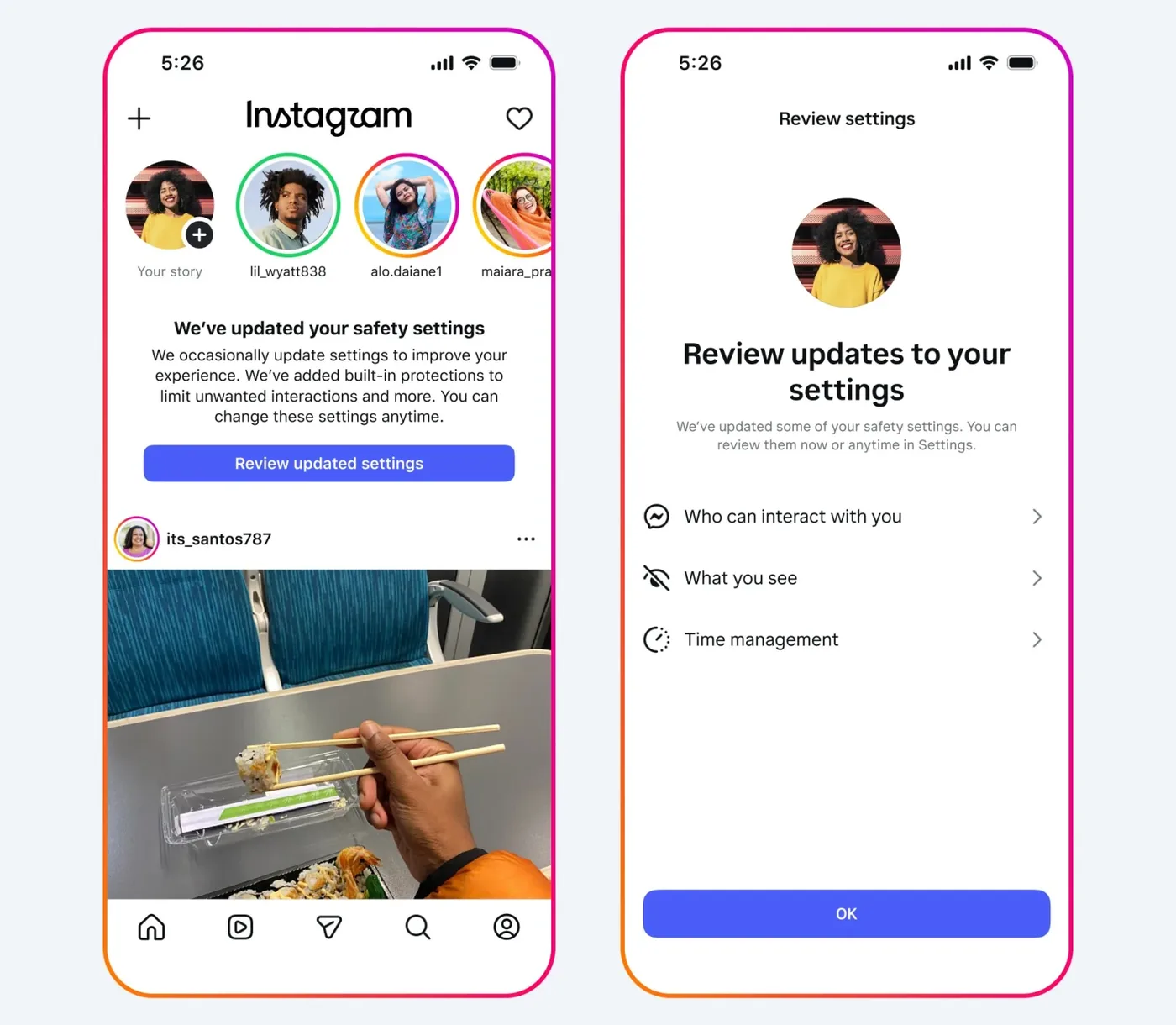
When the system flags a user as a minor, Meta moves them into Instagram Teen Accounts [2]. Profiles switch to private immediately. This default privacy setting stops strangers from seeing shared pictures, videos, or status updates on Instagram [1]. Accounts held by teenagers can only receive direct messages from people they already follow or are already connected with, which blocks unsolicited incoming notes from unknown adults. Default protections also limit discovery search results and activate content filters to hide mature material, preventing young users from encountering graphic imagery or vulgar comments under shared posts [2].
Instagram enables daily reminders that urge teenagers to close the app after reaching their threshold, while an automatic quiet mode mutes incoming notifications between 10 p.m. and 7 a.m. [1],. The messaging system sends automated replies to incoming notes during those evening hours [6]. Teens cannot loosen these settings alone. Users aged 16 and younger must obtain guardian permission before switching to a public profile or widening messaging permissions [3].
Parental supervision tools on Instagram and Messenger give families visibility into messaging partners and daily screen time while allowing guardians to block app access during school hours [1], [4], [7]. The dashboard allows parents to observe general activity without reading private message threads [1]. An explanatory in-feed video will reach US parents shortly. Meta wants guardians to understand why accounts receive new protections [2].



Apple Device Signals in Australia
In Australia, Meta started testing a tool that requests age data from Apple’s mobile operating system on iPhone and iPad hardware [1],. Alex Lekander of CyberInsider reviewed the Apple integration. When parents set up an Apple device for a child, they select an age bracket (such as 13 to 17) that participating apps can query without ever seeing an exact birth date [4]. This device-level handshake gives platforms a verified hint directly from the operating system [5].
Parents manage this feature through Apple’s Family Sharing menu under their account settings. They can navigate to Personal Information, open Age Range for Apps, and pick between Ask First, Always, or Never. While this signal limits what gets shared, Apple says that app makers can still link the returned age bracket to data they collect on their own servers [4]. Operating system controls are growing in importance, following policy updates where Apple set an 18+ age floor for dating apps and AI companions on the App Store to manage downloads before an app opens. For Meta, receiving a verified bracket directly from Apple devices provides a helpful second check in Australia [5].
Company representatives argue that phone makers like Apple and Google should handle primary age verification instead of making every individual app developer build separate screening tools from scratch [1]. Hardware-level checks protect privacy better than collecting identity cards [4]. While participation by Meta in Australia remains voluntary, European Union regulations under the EU DMA mandate distinct data handling practices that complicate sharing device signals across services [7]. Meta has announced no European expansion for the Apple device check [5].

State Lawsuits and Legal Settlement
Regulatory pressure across the United States triggered the global shift. In August, Meta agreed to a major legal settlement with 52 bipartisan attorneys general (representing states, territories, and Washington, D.C.) to resolve lawsuits accusing the company of harming children [2]. Jess Weatherbed of The Verge reported that the agreement could reach $17.1 billion, while other outlets estimated potential commitments as high as $18 billion [1], [3]. State prosecutors argued that algorithmic feeds on Instagram and Facebook fostered addictive habits, requiring Meta to demonstrate concrete youth safety steps across its platforms [1], [2].
Under the agreement, Meta promised to invest in stronger technology to identify accounts belonging to teenagers aged 13 to 17 so they can receive proper safety settings. In an official blog post, Meta said: “We’ll continue to do our part to proactively ensure teens are in age-appropriate experiences on our apps” [2]. Meta also agreed to detect and remove children under 13 [1].
Advocacy groups in the United States have also pushed for stricter oversight of social media products. Public debate grew after Common Sense Media called ChatGPT for teens an unacceptable risk, warning that automated software frequently lacks protective barriers for minors. Meanwhile, lawmakers in the United Kingdom and France are debating nationwide social bans that would force online platforms to verify user ages through third-party identity services. Meta’s automated rollout attempts to show self-regulation before governments pass mandatory restrictions [7].

How Instagram Teen Accounts Users Can Appeal
Automated classification on Instagram brings real risks of error because machine learning models evaluate user patterns probabilistically, meaning adults who follow youth gaming accounts could easily be labeled minors [6]. Meta publishes no global accuracy benchmarks, false-positive figures, or regional error margins for the expanded system [4], [5]. Restricted users must rely on appeals. Without published error data, outside observers cannot determine how many adults face incorrect account demotions [4].
Adults who find their profiles mistakenly restricted under Instagram Teen Accounts can appeal the automated decision. Meta lets affected users confirm their real age by uploading an official government ID or recording a video selfie (an external identity service). In several countries, third-party verification companies analyze facial geometry from the selfie clip to verify adulthood before deleting the image. Even so, civil liberties advocates argue that requiring facial footage or identity documents places an unfair burden on users who were wrongly flagged by automated algorithms [6]. Submitting personal documents to Meta also introduces fresh data security concerns for individuals who never wanted their identification details processed online [4].
Meta support teams face open questions about response times and data storage rules, with analyst Yash Thakker of AISOLO Technologies noting that international digital market laws demand clear appeal workflows [4],. Meta provides no formal response deadlines [7]. Until independent audits evaluate system performance in practice, Instagram users face automated rules that can change account settings without prior warning [4].
- ONLINE NEWS Holt, K. (2026, November 9). Meta is expanding AI age detection for Instagram teen accounts. Engadget. [Article Link]
- ONLINE NEWS Malik, A. (2026, November 9). Meta expands Instagram’s AI age-guessing tech globally. TechCrunch. [Article Link]
- ONLINE NEWS Weatherbed, J. (2026, November 9). Instagram’s AI age detection is expanding globally. The Verge. [Article Link]
- ONLINE NEWS Lekander, A. (2026, November 9). Meta expands AI-powered age detection globally on Instagram. CyberInsider. [Article Link]
- ONLINE NEWS Gruber, J. (2026, November 9). Instagram: Meta expands AI age detection worldwide. Notebookcheck. [Article Link]
- ONLINE NEWS AndroGuider Team. (2026, November 9). Meta Expands Instagram AI Age-Guessing Technology Worldwide. AndroGuider. [Article Link]
- ONLINE NEWS Thakker, Y. (2026, November 9). Meta Instagram AI Age Detection Goes Global for Teens. explainx.ai Blog. [Article Link]


