





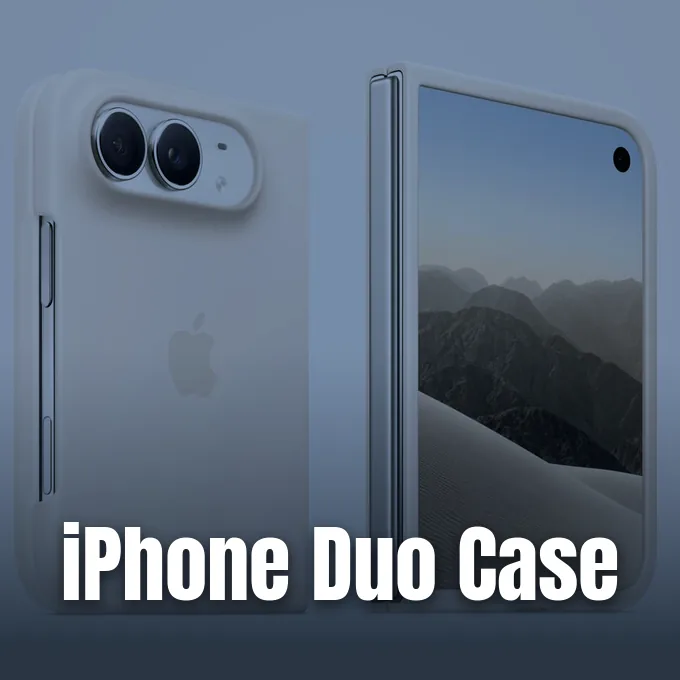
Apple released its official $79 iPhone Duo case into retail stores on October 16, giving shoppers immediate access to physical protection on the same morning pre-orders opened for Apple’s first foldable device [1]. The two-piece polycarbonate shell uses thin adhesive strips along its inner edges to fasten securely to Apple’s $2,000 iPhone Duo, arriving on store shelves early even though buyers won’t receive shipments until next Friday [3]. Initial stock sold out so rapidly that online delivery estimates quickly slipped to January 25 for all storage capacities and colors [1].
Polycarbonate iPhone Duo Case Materials
The two-piece shell relies on interior adhesive tape because the folding iPhone Duo can’t use a conventional wrap-around lip. Apple includes a printed instructional insert inside each retail box, directing buyers to peel off the protective film, align both polycarbonate halves against the chassis, and press down firmly to secure the bond. Apple designed the polycarbonate halves specifically to shield the raised camera bump on the back and the perimeter of the outer glass display, though the flexible interior OLED panel remains entirely uncovered whenever an owner unfolds the handset. Because the center hinge mechanism stays completely exposed, the two halves pivot smoothly without rubbing against plastic borders [1].
Apple offers the shell in Sand and Navy Blue finishes, giving early adopters basic scratch resistance for the exterior glass panels. MacRumors reporter Juli Clover reported that retail stores received cases before customer devices shipped. This release joins a wider new iPhone accessory lineup that introduces dedicated camera hardware with protective gear [1].
Removing the shell from an iPhone Duo isn’t as simple as popping off a standard silicone case because the adhesive bonds directly to the exterior glass and metal frame. Peeling the plastic halves away to wipe pocket dust off the glass risks weakening the sticky strips over time. Apple hasn’t stated whether Apple Store locations will sell replacement tape kits. Owners must commit to their placement once they press the two halves in place [1].

Magnetic Folio and Carrier Bill Credits
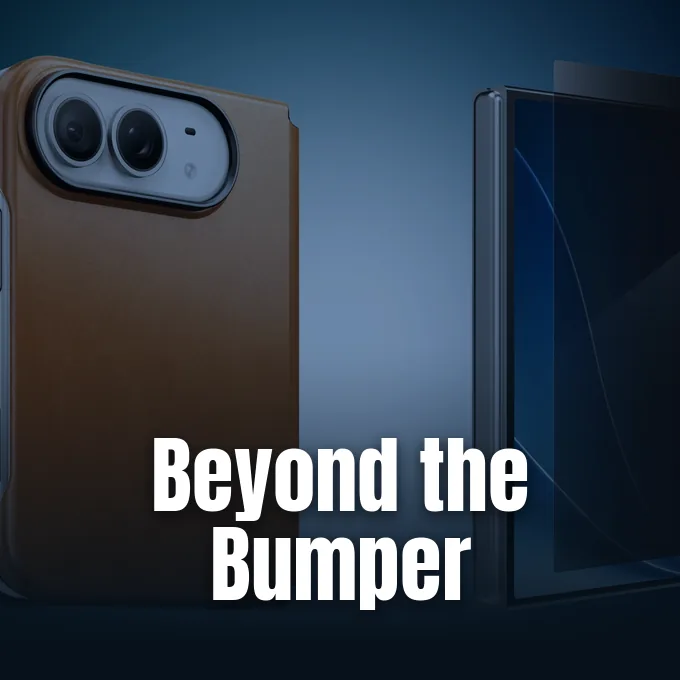
For shoppers who dislike glue, Apple also sells the iPhone Duo Folio with Kickstand for $129. It uses magnets. Unlike the adhesive shell, this magnetic folio connects to the iPhone Duo chassis without tape and incorporates an integrated rear kickstand that lets the phone rest upright on flat desks for hands-free video viewing. The front flap shields the cover display during transport. Strong magnets make the front flap easy to fold back whenever someone needs to answer a phone call or view an incoming notification on the outer screen. The folio doesn’t protect the exposed sides of the handset [1].
The steep price of these official accessories mirrors the cost of the phone itself, following previous reports predicting a $2,000 price tag. Major wireless carriers AT&T, T-Mobile, and Verizon stepped in to help buyers with substantial bill credits. Those carriers currently offer up to $1,200 off the iPhone Duo through monthly bill credits [2].
Those carrier bill credits make the smartphone more accessible, but factory constraints mean most customers must wait months for delivery. Supply chain yields at Foxconn in China fell short of internal production targets. A source close to Foxconn told Jiemian News that final assembly yields for the iPhone Duo were only slightly above 60% as of September 17 [1]. Steve Dent of Engadget reported that Apple Store pre-orders opened at 5:00 AM PT, with shipping estimates slipping to late January within hours [3].

Matte Screen Display Features
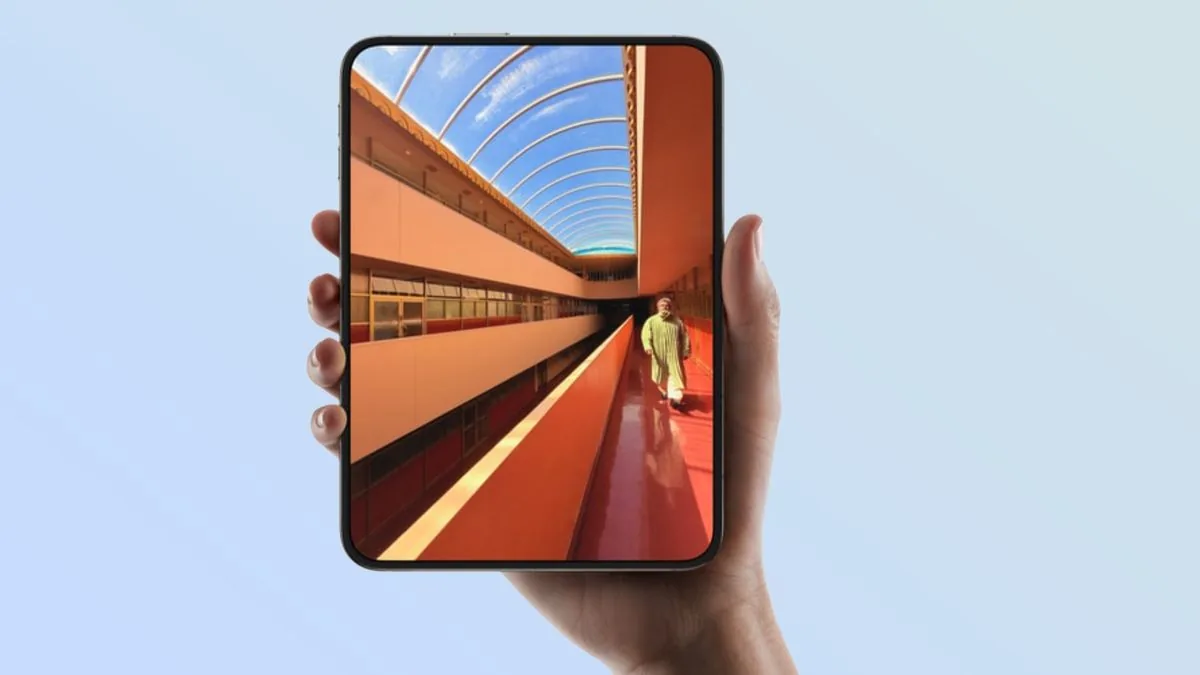
Why is the foldable screen matte? Apple chose a specialized surface treatment to address physics challenges unique to flexible panels. Apple hardware engineering VP Tom Marieb told TechRadar that the device uses a matte nano-texture display specifically engineered to cut down on harsh reflections and minimize the visual prominence of the central fold. When asked if the crease would become more visible over time through repeated bending, Marieb discussed the material trade-offs required by foldable glass. To demonstrate how the display handles rich contrast, Apple commissioned American photographers Jake Michaels and Jason Nocito to shoot a curated six-photo gallery for Instagram [1].
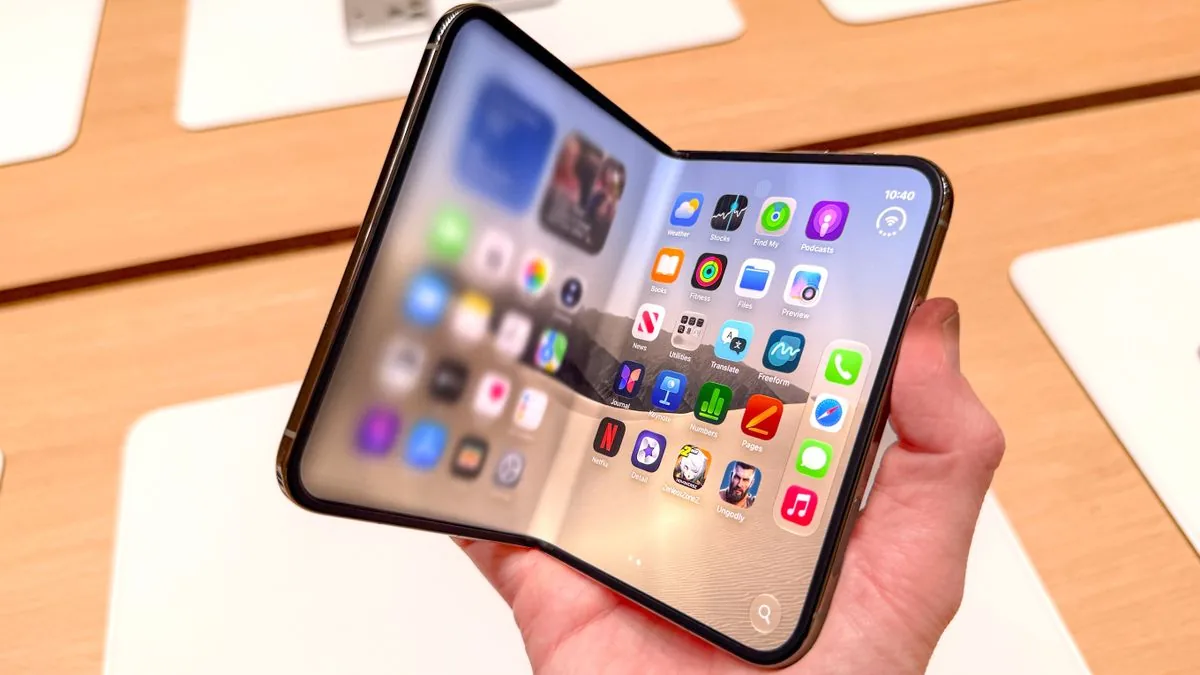
The hardware pairs that matte panel with a 5.4-inch outer cover screen and a 7.6-inch inner OLED widescreen. Engadget reviewer Sam Rutherford called the iPhone Duo “Apple’s most exciting device in a decade”. Unfolded, it resembles a small iPad [3].
The expansive inner screen lacks FaceID and relies on a front under-display FaceTime camera. That sensor preserves a clean display without notches, but it yields softer image quality than regular front lenses [3]. On the back, Apple placed a 48-megapixel Fusion Main camera and a 48-megapixel Ultra Wide camera. The outer cover display houses a 12-megapixel Center Stage camera for quick selfies [1]. Unlike the iPhone 18 Pro, the Duo main camera lacks a variable aperture [3].
Six Angles for the Mechanical Hinge
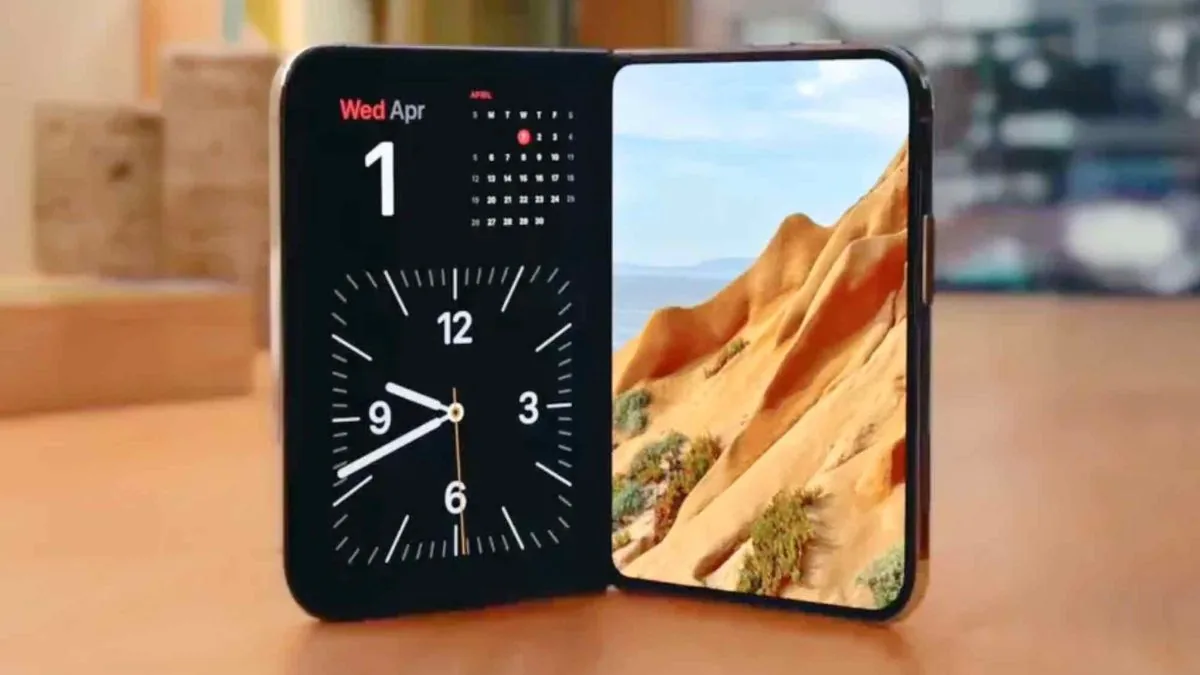
Beyond cases, the phone’s utility depends on its mechanical hinge state. Tom Pritchard of Tom’s Guide reported that internal sensors detect the angle of the iPhone Duo hinge to alter the on-screen layout. Samsung offers a comparable tool called Flex Mode on the Galaxy Z Fold 8 Ultra, but Samsung dropped that software on its standard Galaxy Z Fold 8. By tracking whether the hinge sits flat or bends partway open, Apple’s angle-aware iOS automatically shifts application menus and controls so users don’t have to reposition windows manually. The system adjusts app layouts across six distinct postures: Closed, Open Horizontal, Open Vertical, Book Mode, Tabletop mode, and Tent mode [4].
In Closed mode at zero degrees, tasks run on the 5.4-inch outer screen. The Dynamic Island and selfie camera sit vertically along the right border. Opening the phone to 180 degrees reveals the 7.6-inch canvas for reading articles or watching videos [4].
For desk work, Tabletop mode bends the hinge to a 90-degree angle, splitting apps along the fold like a miniature laptop. Partially folding past 90 degrees triggers Book Mode, which pushes controls away from the crease for reading ebooks and holding the phone like a paperback while using an Apple Pencil. Inverted into Tent mode, the phone stands on a flat table without extra props, showing StandBy widgets on the outer display [4].
Handling the iPhone Duo Case Daily
Those six hinge positions show why case selection matters for daily handling. While the polycarbonate shell protects both outer glass panels during Tabletop and Tent orientations, it provides zero shielding for the inner crease while the phone rests flat on a desk. The two-piece polycarbonate build keeps the chassis thin and avoids adding extra weight to the folding spine [1]. Because the shell doesn’t cover the outer screen border or block the vertical Dynamic Island, Apple Wallet payments and quick phone calls work without interruption [4]. Owners can prop the device on any clean surface without worrying about scuffing the rear camera lenses [1].
Priced at $79, the official polycarbonate shell comes in Sand and Navy Blue for the iPhone Duo. It costs less than the $129 magnetic folio. That lower price gives buyers a slim protective shell that slips smoothly into pockets without bulk [1].
Choosing between adhesive panels and magnetic covers depends on how users plan to carry the handset. Buyers taking advantage of carrier bill credits might prefer the lower cost of the adhesive shell, even if mounting it requires steady hands during setup [2]. As delivery dates stretch into late January, these Apple accessories provide the first tangible feel for the iPhone Duo in retail stores today [1].
- ONLINE NEWS Clover, J. (2026, October 16). Apple’s $79 iPhone Duo Case Sticks On With Adhesive. MacRumors. [Article Link]
- ONLINE NEWS AppleInsider Staff. (2026, October 16). Save up to $1,200 on Apple’s iPhone Duo. AppleInsider. [Article Link]
- ONLINE NEWS Dent, S. (2026, October 16). Apple’s $2,000 iPhone Duo Goes on Pre-Order Today at 8AM ET. Engadget. [Article Link]
- ONLINE NEWS Pritchard, T. (2026, October 16). iPhone Duo Modes Explained — 6 Ways You Can Use Apple’s New Foldable. Tom’s Guide. [Article Link]


