



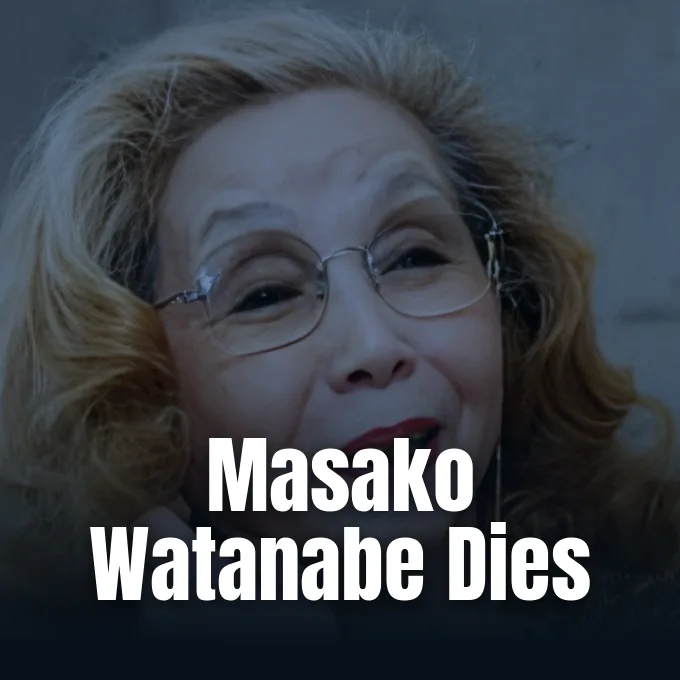
Masako Watanabe, the Japanese manga artist who helped build girls’ comics during the post-war era, died on October 3, 2026, at the age of 97. Kyodo News reported her death on October 13, after a career that spanned more than seven decades of steady creative work in Japan. She broke early barriers for women in the comic trade, moving from early post-war book art into monthly print tales that captured the inner lives of young female readers. Her best-known work, The Castle of Glass, brought complex mental suspense to young readers during an era when simple fairy tales still ruled the medium [1, 2].
The Passing of Masako Watanabe at 97
Masako Watanabe was born in Tokyo on May 16, 1929, growing up in a city that would soon face harsh wartime trials before rebuilding its book trade from the ground up. She kept drawing well into her final years. In 2020, at the age of 91, she launched the manga series Himegoto, surprising longtime readers and younger peers who hadn’t expected an artist from the early post-war era to begin a new comic project. It wasn’t an isolated return to the drawing board. She had spent her later decades actively guiding the wider art community as a director of the Japan Cartoonists Association, helping younger peers find their footing in an industry known for burning out its most gifted voices [1].
Word of her death reached the public ten days after she passed away, following private funeral rites held by family members in Tokyo. Kyodo News shared the news on October 13, prompting retrospectives from writers, historians, and editors who grew up reading her print stories. Her passing closes a direct link to the formative period when Japanese comic books built their industry base. She helped prove that female artists could sustain long careers while directing major art groups [1, 2].
Peers often pointed to her stamina as a model for what older artists could achieve without giving up their creative independence. She didn’t treat age as a reason to put down her pens. She kept producing new pages long after most peers had retired from regular studio work, proving that making comics wasn’t just a pursuit for young newcomers in Tokyo. She stayed a visible presence in art circles right up to her final years [1].

Pioneering Shojo Mystery and Horror in the 1960s
Masako Watanabe began her career as an illustrator of books in 1949, working in post-war Tokyo when illustrated stories provided cheap reading for families recovering from wartime hardships. She soon discovered a different path. After reading the inventive manga of Osamu Tezuka, she decided to shift from static book art into the dynamic panel layouts of comic tales. Her debut manga arrived in 1952 with the story Suama-chan, while other early records mention her work on Namida no Sanbika during the same breakout period [1, 3]. Readers responded quickly to her delicate character art, turning her into one of the most widely read female artists of that decade [3].
During the 1960s, her storytelling style matured as she released popular print titles like The White Horse Girl and Mother. These stories departed from the usual adventure plots by centering on the close bonds between mothers and daughters and between sisters. She realized early that young female readers wanted tales reflecting their own personal ties and family tensions. She doesn’t rely on simple escapism in those pages. Instead, she chose to ground her plots in relatable childhood fears, sisterly rivalries, and household dilemmas that felt true to young girls growing up in changing families [2].
She also changed visual presentation by introducing soft pastel tones to comic covers, stepping away from the bright basic shades that filled competing books. That subtle shift gave her manga an unmistakable look on newsstands. She pushed plot boundaries further with Blue Foxfire, pioneering shojo horror by blending eerie folklore with teenage vulnerability. It was a brave creative move that proved girls’ comics could handle suspense without losing their core audience [3].


The Castle of Glass and Industry Recognition
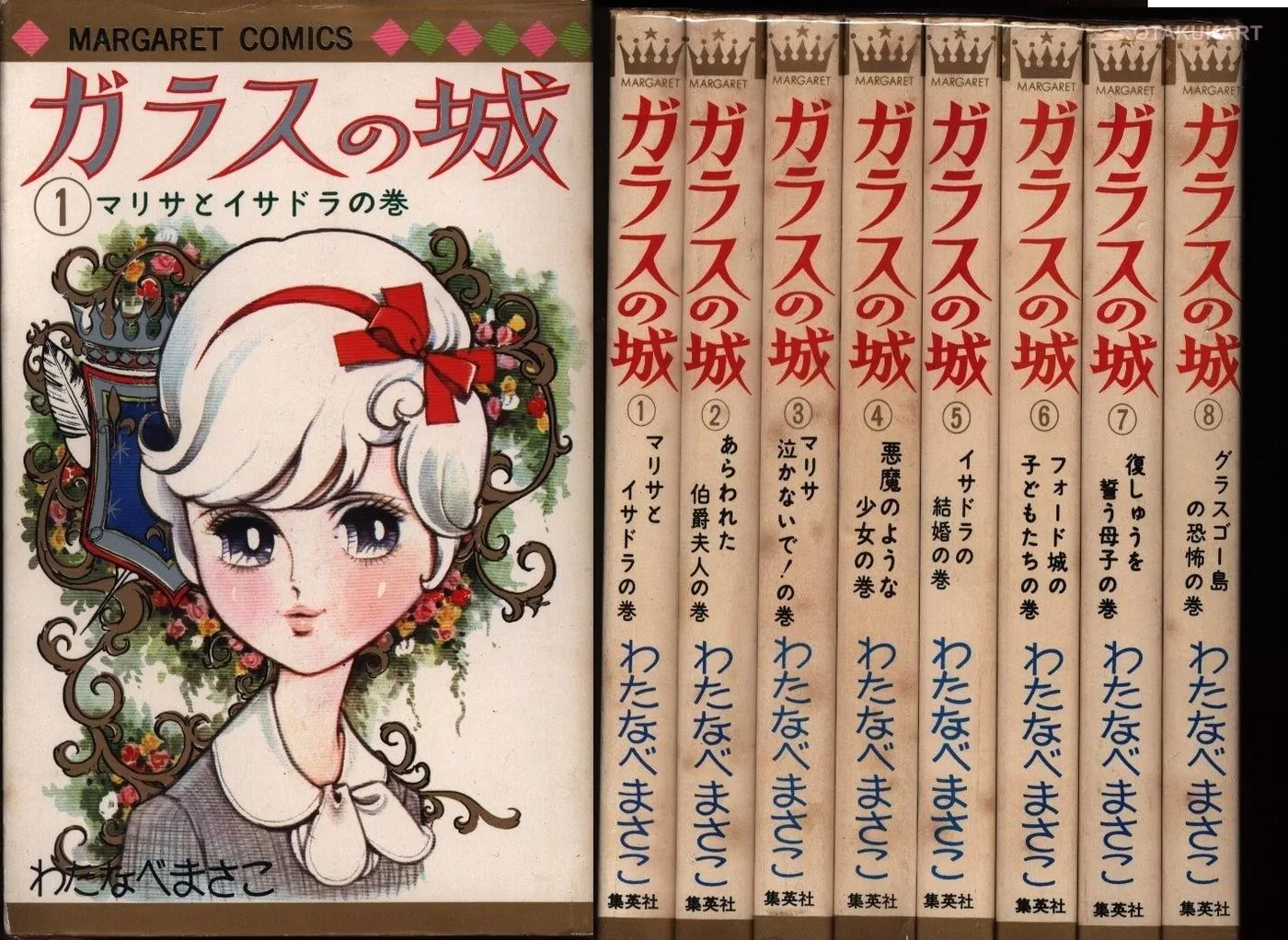
Her defining creative breakthrough arrived with Glass no Shiro (Glass Castle), translated as The Castle of Glass, which ran during an era of artistic discovery [1, 2]. The plot followed a young heroine confronting conflicting impulses within her own family, contrasting outward innocence with strong inner turmoil. Masako Watanabe used the series to explore the opposing sides of human nature, showing that jealousy and fear could corrupt even seemingly quiet family homes. It wasn’t merely a sweet romance. It was a psychological study that challenged how readers understood shojo manga [2].
In 1971, Watanabe earned the 16th Shogakukan Manga Award for Glass no Shiro and her work on Sei Rosalindo, known in alternate translations as Castle Rosarind [1, 2, 3]. Winning the honor confirmed her standing at the top of the shojo manga field, earning praise from fellow artists and critics alike. Castle Rosarind took her narrative experiments even further into suspense, featuring a chilling young protagonist caught in dark, macabre events [2, 3]. Castle Rosarind was even darker than her earlier mysteries. The work showed her capacity to handle chilling themes while keeping readers invested in her characters’ emotional turmoil [2].
The reception of The Castle of Glass showed publishers that girls were eager for rich mysteries with moral doubt. Watanabe didn’t soften dark storylines to please timid editors who preferred cheerful fairy tales. Her print chapters generated lively debates among readers who argued over character motives from week to week. That boldness inspired younger artists to tackle darker themes, expanding the artistic range of women’s comics during the 1970s [2].
Turning to Adult Storytelling in the 1980s
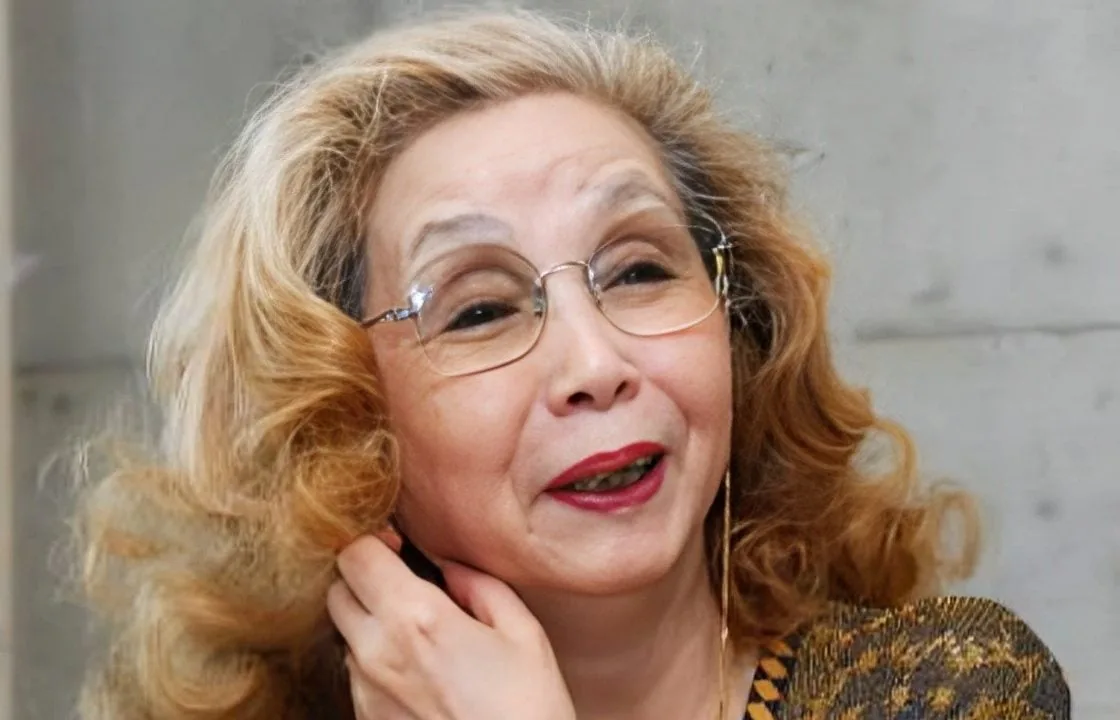
As her original audience grew into adulthood, Masako Watanabe chose to evolve with them rather than remaining confined to teenage books. During the 1980s, she shifted her focus to redisu-josei, creating explicit, mature tales aimed at adult women. Her notable project from this era was Kinpeibai, a serialized work based on a 19th-century Chinese erotic novel. The adaptation allowed her to explore mature themes of desire, betrayal, and power, proving that her artistic craft could handle adult subject matter just as effectively as adolescent drama [3].
Her 1985 manga Hitori Matsuri inspired a live-action television drama, showing her rare ability to cross over from printed manga pages into broadcast screens. The TV version brought her rich narrative style to prime-time viewers in Japan. She approached television production with the same disciplined eye that defined her comic pages, ensuring that character motivations remained clear and compelling. Even as the manga market grew crowded, her name continued to draw loyal readers who trusted her creative choices [1].
Her move into adult-oriented comics showed that female artists didn’t need to limit their art to a single demographic bracket. She treated the change as a natural creative step, following readers through different stages of their lives. That adaptability kept her relevant through changing decades when many of her post-war peers had stopped publishing entirely. She drew for seven decades. She proved that a woman’s career in Japanese comics could last for an entire lifetime [1, 3].

How Masako Watanabe Shaped Manga History
Government bodies and creative peers honored her lifelong dedication with some of Japan’s most respected cultural prizes. In 2002, Watanabe received the Minister of Education, Culture, Sports, Science and Technology Award at the 31st Japan Cartoonists Association Awards. In 2006, she became the first female manga creator to receive the Order of the Rising Sun, Fourth Class, as an official recognition of her impact on the nation’s cultural heritage [1, 2]. It’s an honor that highlighted her role as an industry pioneer, and her profile at the Japan Media Arts Festival preserves these milestones as evidence of how one woman influenced popular culture [2].
Her leadership as director of the Japan Cartoonists Association also provided steady institutional support for younger artists navigating the demanding comic world [1]. That mentorship proved especially helpful for aspiring women entering a field historically led by male editors and creators. Japanese entertainment industries have recently honored other post-war creative leaders who built the foundations of visual storytelling, including Zero-Sen Hayato anime scriptwriter Sō Kuramoto, who passed away at 91. Like Kuramoto, Watanabe belonged to an industrious generation whose discipline shaped Japanese media [1, 2].
Masako Watanabe leaves behind a creative legacy that spans seven decades of artistic growth, from post-war book art to mature graphic novels. She showed that stories about girls’ inner lives, family tensions, and personal hopes carried genuine dramatic weight. By combining emotional depth with artistic boldness, she opened pathways that continue to guide contemporary comic creators worldwide. Her enduring influence means that her pioneering contributions will stay an important touchstone for generations of manga artists to come [2].
- ONLINE NEWS Anime News Network. (2026, October 13). Manga Creator Masako Watanabe Dies at 97. Anime News Network. [Article Link]
- ONLINE NEWS Quinn, E. (2026, October 13). Shōjo Manga Pioneer Masako Watanabe Dies at 97, Leaving Behind The Castle of Glass. OtakuKart. [Article Link]
- WEBSITE Wikipedia contributors. (2026). Masako Watanabe. Wikipedia, The Free Encyclopedia. [Article Link]


