




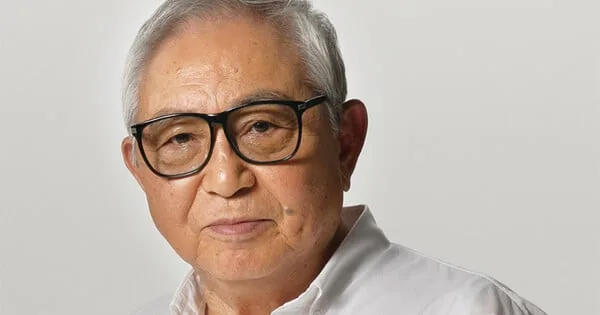
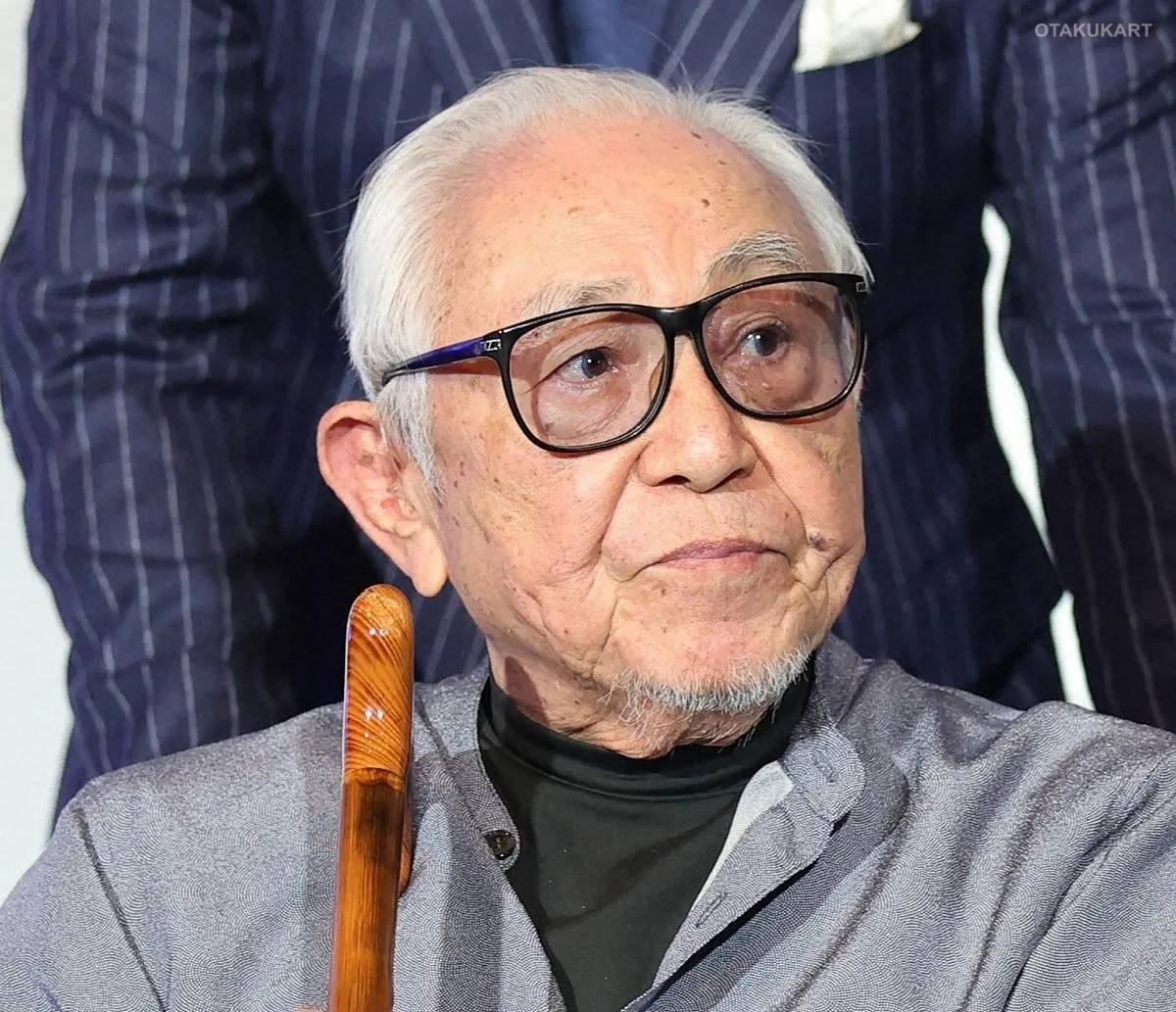
Screenwriter and playwright Sō Kuramoto, celebrated for scripting the classic Zero-sen Hayato anime and shaping generations of Japanese television drama, died on September 18, 2026, at age 91. The official foundation Kuramoto Sō Kaiwai announced his passing on Monday, confirming that Kuramoto died at his home from multiple organ failure [1]. A private funeral was conducted with close relatives in attendance in accordance with his family’s wishes [2].
Official Announcement From Kuramoto Sō Kaiwai
The Japanese cultural world learned of Kuramoto’s death through a formal bulletin posted to his foundation’s official website, kuramotoso.jp. Sō Kuramoto had served as representative director of the foundation, dedicating his final years to mentoring creators and preserving regional theatrical heritage in northern Japan. His death occurred on Friday evening [1].
Kuramoto Foundation representatives expressed profound grief while pledging to preserve the artistic vision and humanistic values that defined Kuramoto’s extensive body of work. The foundation emphasized that Kuramoto consistently explored the relationships between humans, natural environments, families, and regional communities through evocative prose. In their public statement, staff members asked the public to respect the privacy of the grieving family during this period of mourning [1].
A public farewell gathering is scheduled for November 3, 2026, at the Furano Theatre Factory in Hokkaido [1]. The foundation noted that additional scheduling arrangements and procedural details for the memorial event will be published on the official Kuramoto Sō Kaiwai website at a later date [2]. He was 91.
Zero-Sen Hayato Anime and Early Television Scripts
Before achieving national prominence as a leading television playwright, Kuramoto began his professional creative career in the fast-growing broadcast industry of postwar Tokyo. Born Kaoru Yamaya in Tokyo in 1935, he earned his degree from the prestigious University of Tokyo before joining Nippon Broadcasting System as an employee in 1959. After spending four formative years inside radio and commercial television broadcasting, Yamaya chose to depart Nippon Broadcasting System in 1963 to establish himself as an independent freelance writer, officially adopting the professional pen name Sō Kuramoto [2]. His early freelance assignments quickly brought him into television animation, leading to scriptwriting duties on the 1964 Zero-sen Hayato anime adaptation [3].
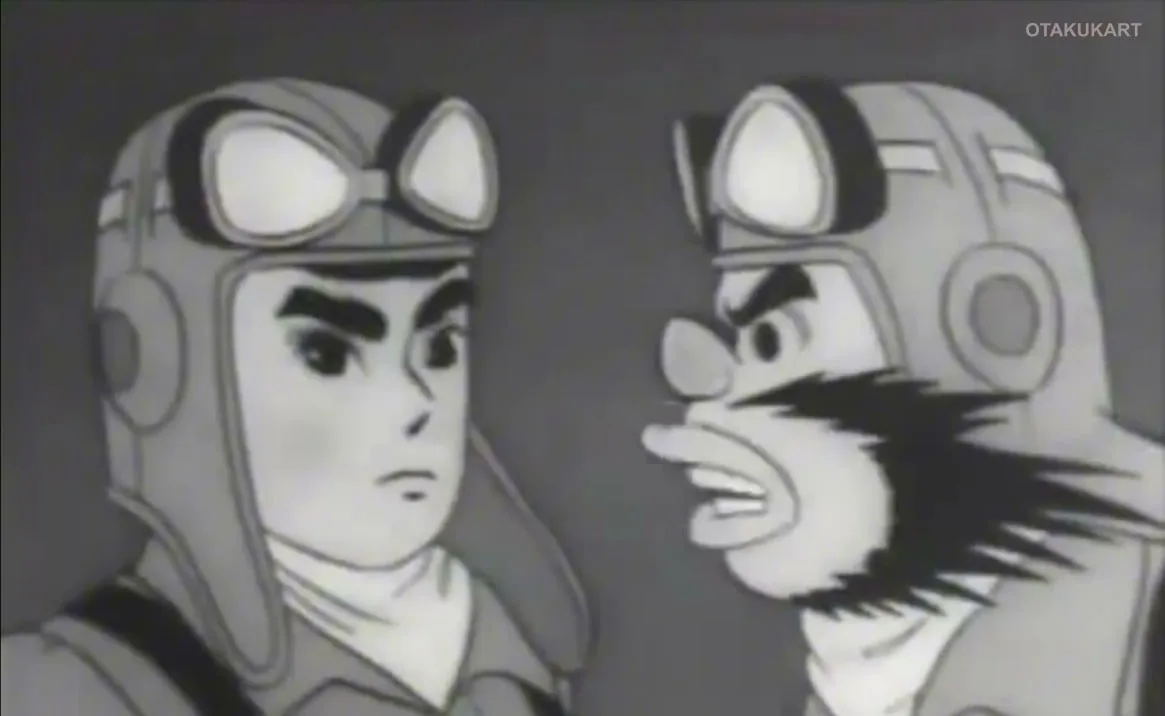
For anime historians, the Zero-sen Hayato anime stands as a landmark early production created during the initial wave of Japanese commercial television animation. Produced by studio Eiken and based on the manga illustrated by Shigeru Sugiura, the black-and-white series followed aerial combat narratives that required concise pacing and dramatic tension across weekly broadcast episodes. Kuramoto tackled these complex episode scripts in direct collaboration with fellow writers Akira Kōno and Tomio Sagisu [3]. The series premiered in 1964.
Working on an animated aviation serial demanded rigorous narrative economy from Kuramoto, Kōno, and Sagisu. Each episode required synchronized dialogue and visual action cues that could match the technological limitations of early television production. Kuramoto’s participation in the production demonstrated that serious narrative craftsmen were actively shaping anime storytelling from its commercial inception [3].

Television Dramas That Defined Sō Kuramoto
While anime provided an early creative testing ground, Kuramoto earned his greatest domestic acclaim by revolutionizing live-action Japanese television drama during the nineteen-seventies and nineteen-eighties. In 1975, he created the original story for Zenryaku Ofukuro-sama (Dear Mother), a drama series that earned widespread critical praise for its sensitive character portraits and warm dialogue. Five years later, Kuramoto penned the complete screenplay for the 1980 drama series Sayonara Oryū-san (Goodbye, Oryū-san), further establishing his reputation as one of Japanese broadcasting’s finest literary voices [2].
His crowning television achievement arrived with Kita no Kuni kara [2]. The drama captivated audiences across Japan.
Airing from 1981 to 1982, Kita no Kuni kara (From the North Country) documented the struggles of a father raising two children in the unforgiving natural landscape of Furano, Hokkaido. Kuramoto authored both the original story and the complete television screenplay, rejecting melodramatic clichés in favor of patient emotional realism. Viewers across Japan responded powerfully to the series, turning the production into a cultural phenomenon that spurred numerous follow-up television specials over the ensuing two decades [2].
Kuramoto’s deep creative bond with Furano transformed his personal and professional life. Moved by the region’s people and wilderness, Kuramoto relocated his creative base to Hokkaido, where he established the Furano Juku writing and acting school to train emerging artists outside Tokyo’s media ecosystem. His commitment to regional theater led directly to the founding of the Furano Theatre Factory, which will host his official memorial gathering on November 3 [1].

What Is Hayato and Its Postwar Manga Roots?
Modern viewers exploring retro anime archives often encounter the title and ask: what is Hayato, and why did an aerial combat story attract leading literary screenwriters? In the context of early Japanese television, Zero-sen Hayato focused on young protagonist Hayato Azuma, an aviator navigating dramatic aerial missions aboard the iconic Mitsubishi A6M Zero fighter plane. The narrative balanced high-flying dogfights with personal dilemmas of camaraderie, duty, and survival in turbulent skies [3].
The mid-nineteen-sixties saw Japanese popular entertainment grappling intensively with wartime memory through popular manga adaptations. Manga pioneer Shigeru Sugiura brought dynamic visual pacing to the print edition of Zero-sen Hayato, which Eiken transformed into weekly televised animation [3]. This creative exploration of aviation history ran parallel to broader cinematic trends, echoed when Space Battleship Yamato director Toshio Masuda directed major Japanese wartime historical features during the same production era. Masuda also passed away recently in August at age 98 [2].
Broadcasting historians recognize that early television animation served as an indispensable training ground for Japan’s premier dramatic talents [3]. Veteran performers and writers moved fluidly between voice acting, radio broadcasts, stage performances, and television writing. Sō Kuramoto’s foundational contribution to the Zero-sen Hayato anime arrived in an era when distinguished cultural voices like actor and narrator Leo Morimoto helped establish modern broadcast standards across television and radio networks [2]. Kuramoto enriched televised anime.
From Hokkaido Stages to Final Cinematic Projects
Even after decades of acclaim in television and theater, Kuramoto never ceased writing. In 2024, Kuramoto completed the screenplay for the feature film Umi no Chinmoku (The Silence of the Sea). The theatrical production represented the culmination of a narrative project that Kuramoto had developed across an astonishing sixty-year timeline [2]. His creative dedication spanned six decades.
Kuramoto Sō Kaiwai underscored in its formal farewell notice that the writer’s artistic core remained tethered to ordinary people facing profound environmental and social transitions. Through decades spent observing rural communities in Hokkaido, Kuramoto gave voice to ethical dilemmas surrounding modernization, generational divides, and ecological stewardship. He believed narrative art should cultivate contemplation rather than fleeting entertainment [1].
Colleagues, former students from Furano, and admirers across the Japanese entertainment landscape will assemble at the Furano Theatre Factory on November 3 to honor Kuramoto’s monumental creative legacy [1]. From his pioneering television scripts on the Zero-sen Hayato anime to his defining work on northern television dramas, Sō Kuramoto leaves behind an indelible imprint on Japanese storytelling [2]. His stories will continue to inspire writers and audiences across Japan.
- PRESS RELEASE Kuramoto Foundation. (2026, September 28). Sō Kuramoto seikyo no oshirase [Notice of Sō Kuramoto’s passing]. Kuramoto Sō Kaiwai. [Article Link]
- ONLINE NEWS Anime News Network. (2026, September 28). Zero-sen Hayato anime scriptwriter Sō Kuramoto dies at 91. [Article Link]
- ONLINE NEWS Quinn, E. (2026, September 29). Zero-sen Hayato screenwriter Sō Kuramoto dies at 91 after decades in Japanese film and television. OtakuKart. [Article Link]


