



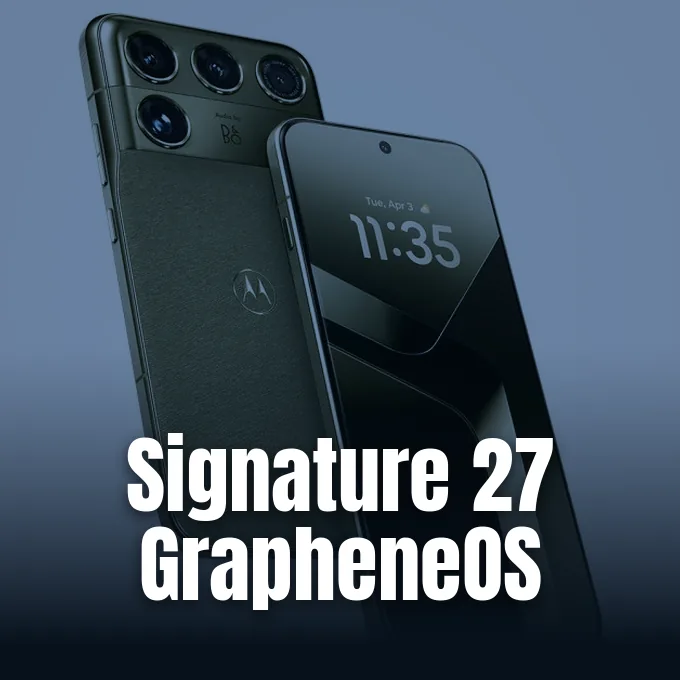
Can an alternative mobile operating system thrive outside Google’s hardware ecosystem? The Motorola Signature phone will officially become the first non-Pixel device to run GrapheneOS, breaking years of exclusive reliance on Google hardware. GrapheneOS developers confirmed the deployment on X following Motorola’s recent flagship unveiling. Rather than relying solely on community ROM installations, planned retail editions will ship with the secure software preinstalled when the device reaches North American shelves in November [1].
Motorola Signature Phone Adopts GrapheneOS Platform
Privacy enthusiasts have long treated Google Pixel handsets as the sole viable platform for running hardened mobile software. GrapheneOS operates as a privacy-focused take on mobile computing built directly upon the Android Open Source Project (AOSP), stripping proprietary background services while reinforcing application sandboxing. All existing models proved incompatible. Because previous generations of Motorola smartphones lacked the specialized security components required by the platform, existing devices across the company’s catalog could not support the operating system. That longstanding technical barrier dissolved earlier this week when Motorola unveiled its new flagship portfolio [2].
Ben Schoon reported for 9to5Google that GrapheneOS publicly verified the partnership on X after weeks of speculation regarding an unidentified Motorola device. While observers knew that Motorola planned to support the operating system eventually, the specific launch model had remained an industry secret. Preinstalled retail models are planned. The software team confirmed that consumers will be able to purchase commercial devices with GrapheneOS already installed out of the box, eliminating the intricate manual flashing procedures traditionally required for custom ROMs [2].
Chethan Rao tracked the announcement. Reporting for Android Police, Rao noted that Motorola had disclosed minimal release information during the hardware presentation, simply telling North American customers to stay tuned. Subsequent technical announcements confirmed that the Motorola Signature phone secured distinction as the premier non-Pixel commercial hardware officially certified to run GrapheneOS in retail channels. That distinction positions Motorola as an unexpected pioneer in independent mobile privacy [1].
Snapdragon Hardware Delivers Vital Security Baseline
Silicon architecture dictated the terms of this operating system expansion from the very beginning. Motorola engineered the Signature 27 around Qualcomm’s flagship Snapdragon 8 Elite Extreme Gen 6 system-on-chip (SoC), marking one of the earliest commercial announcements for the silicon. Fabricated on TSMC’s 2nm manufacturing process, the processor reportedly delivers a 13% performance uptick over the previous Snapdragon 8 Elite Gen 5 while introducing enhanced hardware cryptographic primitives directly into the core silicon [1].
These newly implemented hardware capabilities bridged the security deficit that historically kept GrapheneOS confined to Google Pixel devices. Google maintained exclusive compatibility for years because Pixel and Tensor hardware incorporated tailored security chips and isolated firmware execution environments. Security researchers long favored Tensor architecture because Google Pixel phones patched a zero-click modem flaw at the firmware level, demonstrating the strict hardware isolation that GrapheneOS demands [2].

Qualcomm altered that competitive landscape by integrating sophisticated security suites directly into its top-tier silicon. GrapheneOS developers highlighted that these flagship enhancements made the Motorola Signature phone viable, explaining: “It’s mostly due to how Qualcomm handles it. The latest Snapdragon flagships have the best security features. We’ll also need Motorola to start paying them for longer updates below flagships” [1].

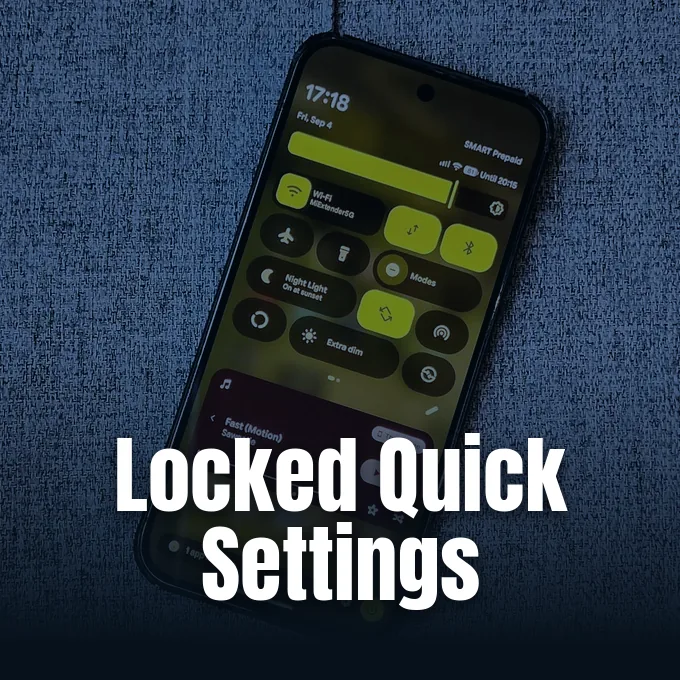
Hardware Architecture Shapes the Motorola Signature 27
TSMC manufactures the 2nm node. By utilizing this advanced Qualcomm silicon, the Motorola Signature 27 satisfies rigorous cryptographic isolation rules that earlier smartphones completely lacked [1].
Rigorous hardware standards explain why earlier attempts to port GrapheneOS beyond Google’s ecosystem encountered persistent engineering roadblocks across the wider Android manufacturing landscape. Standard commercial firmware frequently compromises hardware-backed keystore operations or leaves bootloader authentication mechanisms exposed to memory corruption during early boot sequences. GrapheneOS developers acknowledged that Motorola’s 2026 Razr Ultra and Razr Fold came exceptionally close to achieving compatibility, yet subtle low-level security constraints prevented those foldables from securing immediate certification. The arrival of the Motorola Signature phone demonstrates that when a major manufacturer adopts Qualcomm’s top-tier Snapdragon silicon and implements strict memory protection routines, alternative privacy platforms can finally run without sacrificing core hardware security [1].
Prospective enterprise buyers frequently evaluate how Moto Signature hardware manages memory allocations in corporate and government deployment settings. While the operating system remains limited to premium flagships today, GrapheneOS developers maintain longer-term ambitions to bring hardened firmware to lower-tier mobile handsets. Clearing existing engineering bottlenecks will require Motorola to fund extended vendor security patch cycles directly through Qualcomm [1].
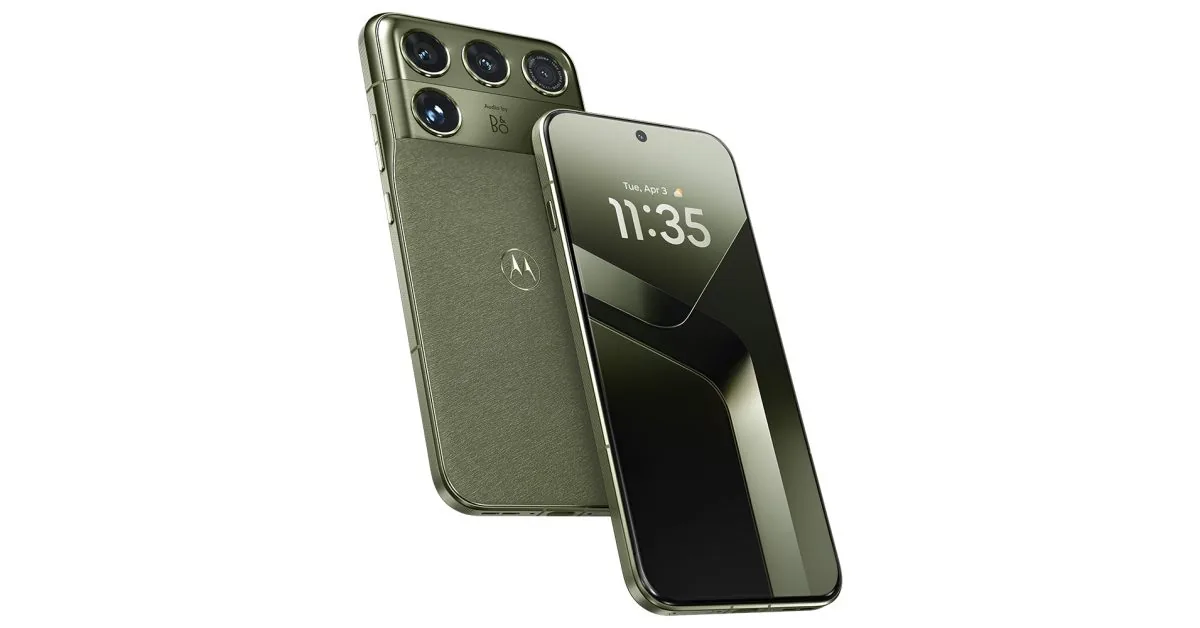
North American Launch and Global Memory Pricing
Launch timing and commercial availability remain critical considerations for users preparing to adopt the secure device. While Motorola offered minimal specifics during its original hardware showcase, the company’s official North American portal was subsequently updated to state that the phone is arriving sometime in November. Retail launch arrives in November. GrapheneOS maintainers have not yet confirmed whether community software images or pre-loaded factory units will be available immediately upon the device’s retail debut [1].
Pricing represents another substantial unknown as macroeconomic pressures impact the global smartphone market. Electronics manufacturers continue to confront a global memory crisis that has increased component procurement expenses across the entire supply chain. Because these rising bill-of-materials costs have forced price hikes across recent smartphone releases, the Motorola Signature phone is widely anticipated to arrive among the most expensive traditional slab-style handsets currently available [1].
Consumers tracking the launch frequently examine how Motorola Signature retail terms align with current market conditions before committing their budgets. Inquiries regarding why Motorola Signature phone hardware might carry an elevated price tag reflect widespread concern over escalating mobile flagship costs across North America. Will consumers accept premium pricing in exchange for elite security hardware? That financial equation will ultimately determine whether privacy-conscious consumers transition away from aging Pixel hardware toward Motorola’s newly certified flagship or continue waiting for lower-cost alternatives to surface [1].
Expanding GrapheneOS to Foldable Razr Hardware
Motorola’s collaboration with GrapheneOS signals a broader strategic realignment rather than an isolated hardware experiment. Development roadmaps indicate that official software support will expand to the manufacturer’s foldable smartphone portfolio next year, encompassing the 2027 editions of the Razr Fold and Razr Ultra. Pixel 11 hardware remains planned. GrapheneOS developers confirmed that Google’s future flagship generation will receive day-one support in tandem with Motorola’s emerging ecosystem [2].
Ben Schoon confirmed the timeline. In a related retail promotion tracked by Ben Schoon, Verizon recently began offering Motorola Razr Fold and flip devices bundled with a complimentary Wear OS smartwatch to stimulate regional sales [2].
Extending hardened Android firmware beyond Google’s proprietary hardware boundary marks a pivotal moment for enterprise digital sovereignty. If factory-preinstalled editions of the Motorola Signature phone achieve commercial traction among enterprise clients and privacy advocates, competing hardware vendors may feel compelled to adopt similar silicon security baselines. Motorola’s flagship arrives on North American shelves this November to test that demand [1].
- ONLINE NEWS Rao, C. (2026, September 24). Motorola’s Signature 27 will be the first non-Pixel phone to support GrapheneOS. Android Police. [Article Link]
- ONLINE NEWS Schoon, B. (2026, September 24). Motorola Signature 27 confirmed to support GrapheneOS. 9to5Google. [Article Link]


