






Attackers actively weaponized a zero-day vulnerability in Google Pixel phones without requiring victims to click links or open downloaded files. Google confirmed that malicious actors actively exploited the vulnerability, tracked as CVE-2026-58704, in limited and targeted cyberattacks before engineering teams deployed a comprehensive patch [2]. The high-severity flaw resided in the Cellular Modem responsible for connecting mobile devices to the internet. Does immediate patch deployment successfully resolve such stealthy hardware flaws? Google resolved the logic error across supported devices to shut down proximal exploitation channels [3].
Zero-Click Exploits in Cellular Modems
Zero-click vulnerabilities represent an exceptionally dangerous threat class because they compromise target hardware without requiring owner participation. In traditional cyberattacks, malicious operators rely on elaborate social engineering techniques to persuade users to execute untrusted code, open corrupted documents, or inspect deceptive web links. By contrast, CVE-2026-58704 executes silently across telecommunications signals without presenting visual indicators on the device screen [2]. Attackers target the Cellular Modem subcomponent (a dedicated communications processor handling network traffic) to manipulate low-level protocol exchanges [3]. The vulnerability operates silently. [2]
Reporting by Zack Whittaker in TechCrunch revealed that state-aligned surveillance vendors routinely develop zero-click exploits to bypass mobile hardware boundaries and extract private communications. Commercial spyware makers package these sophisticated exploits into surveillance tools and market access to government entities and law enforcement agencies. While Google acknowledged that attackers actively exploited CVE-2026-58704 in targeted intrusions, company spokespersons declined to identify the victims or disclose specific espionage groups responsible for the attacks [2].
The Register contributor Jessica Lyons emphasized that cellular baseband flaws compromise mobile communications hardware. Attackers compromise device isolation. [1]
Protecting cellular hardware demands rigorous memory isolation because baseband firmware processes unsanitized radio signals directly from adjacent cell towers and proximal telecommunications networks. When attackers manipulate network communications, vulnerable modem software processes corrupted packet structures before central operating system defenses can inspect incoming transmissions. Corrupted frames bypass central defenses. Platform engineers must eliminate logic flaws within hardware subcomponents to prevent malicious actors from establishing persistent footholds across connected devices [3].

Why Google Pixel Phones Separate Security Patches
Consumers and enterprise buyers frequently investigate why buy Google Pixel phone hardware when assessing comprehensive device defense against emerging mobile threats. Although Google Pixel devices run Android, Google distributes separate security updates and bug fixes rather than relying entirely on standard monthly patches issued to Android OEMs (original equipment manufacturers). This distinct release schedule reflects the unified hardware platform that Google controls directly [3].
Technology evaluators similarly highlight why Google Pixel phone is good for organizations requiring prompt mitigation of zero-day vulnerabilities. Because Google oversees both operating system code and proprietary device components, software engineers can construct and distribute targeted patches without waiting for third-party hardware validation. Direct control prevents carrier delays. Standard Android OEMs often navigate complicated supply chain channels before deploying critical updates, leaving consumer devices exposed to hostile network traffic during active cyberattacks. Direct hardware ownership enables Google to patch baseband logic errors before vulnerabilities spread across consumer networks. [3]
Sergiu Gatlan reported in BleepingComputer that Google released the September 2026 security patches to address 110 vulnerabilities affecting its Pixel devices throughout multiple system subcomponents. In addition to the actively exploited zero-day flaw, Google tagged 109 other security issues in the monthly bulletin. The comprehensive update resolved 12 remote code execution vulnerabilities and 89 privilege escalation flaws rated critical or high severity. Resolving 110 vulnerabilities across Google Pixel phones reinforces device defenses against remote exploitation campaigns [3].


Privilege Escalation Beyond the Hardware Sandbox
Google classified CVE-2026-58704 as a high-severity flaw originating from improper authorization and protection mechanism failure weaknesses within the Cellular Modem subcomponent. The vulnerability involved a logic error in executable code that enabled remote escalation of privilege across proximal or adjacent network connections without requiring execution privileges. Attackers needed no additional execution privileges. Because the flaw stemmed from flawed authorization checks (a condition where unauthorized network commands execute without verification), rogue transmissions bypassed expected security controls [3].
Modern smartphone architectures isolate communications hardware within protected execution environments (isolated runtime environments designed to restrict system access). When privilege escalation occurs inside the Cellular Modem, hostile instructions break through the sandboxed walls of the modem and penetrate broader phone memory containing sensitive user data. Attackers can subsequently inspect private device storage, harvest contact lists, and intercept confidential communications. Can hardware sandboxing alone guarantee security if baseband firmware contains structural logic errors? Robust hardware isolation requires continuous code auditing to prevent low-level components from compromising the underlying operating system [2].
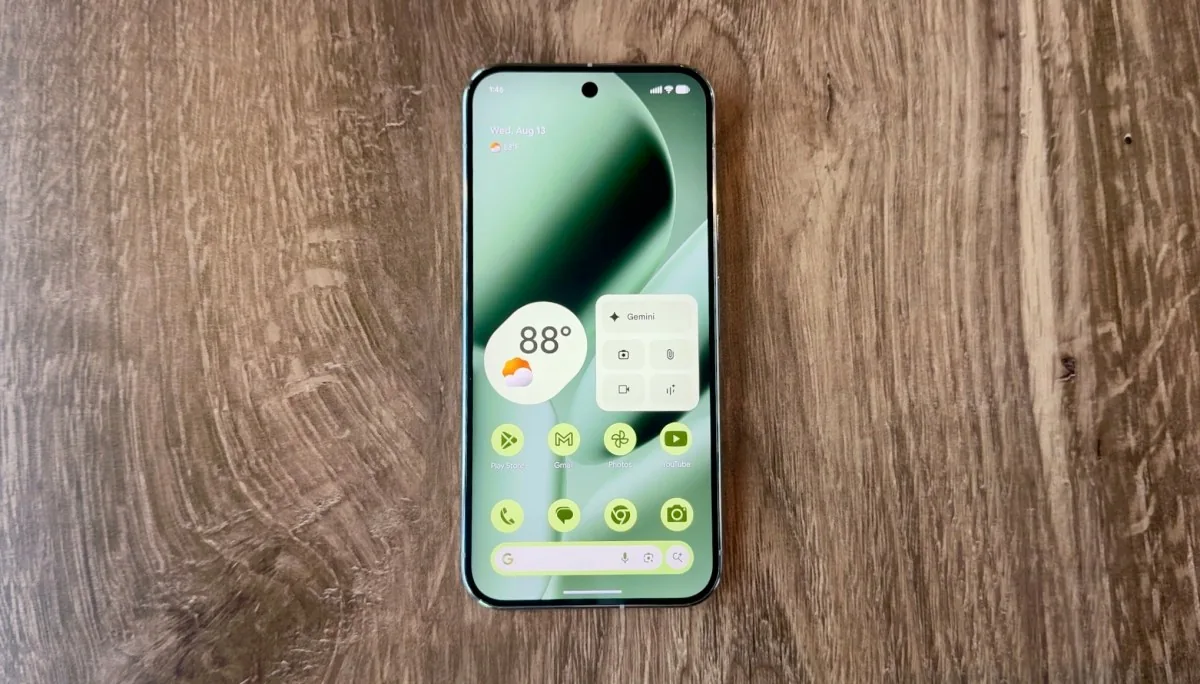
Hardware and low-level firmware components frequently present unique attack surfaces that differ from standard mobile applications. PerEXP Teamworks previously reported on a slim Meta headset firmware leak that exposed internal system properties and underlying configuration files across connected hardware devices. While consumer software executes within user-space sandboxes, modem components operate at deep hardware interfaces that govern physical network signals. A logic breakdown at this foundational layer grants attackers direct control before higher-level security tools can intervene [3].
Because zero-click baseband exploits require no active user participation, detection remains exceptionally difficult for everyday smartphone owners. The exploit leaves no alerts. Victims receive no anomalous incoming notifications, unprompted file requests, or unexpected verification prompts. The exploit executes instantly as the Cellular Modem negotiates network protocols with proximal base stations. Maintaining aggressive vulnerability auditing across hardware firmware remains the primary method to neutralize these invisible threat vectors [2].
Past Framework Breaches and Bug Bounty Shifts
The discovery of CVE-2026-58704 follows earlier zero-day remediation efforts across Google’s operating ecosystem. In June, Google addressed an actively exploited Android Framework zero-day flaw tracked as CVE-2025-48595 that allowed attackers to gain code execution and escalate privileges on devices running Android 14 or later. That earlier incident demonstrated that threat actors consistently probe multiple layers of the Android stack to discover viable intrusion pathways [3]. Both framework services and cellular modems remain targets for sophisticated adversaries seeking unprompted device access [2].
One month prior to the June framework patch, Google announced a major overhaul of its Android and Chrome vulnerability rewards programs. The company scaled back financial payouts for routine flaws that researchers detect easily using artificial intelligence (AI) tools, shifting program resources toward complex exploit chains. Under the revised bounty framework, Google established payouts of up to $1.5 million for high-impact Android exploits that bypass modern platform defenses and achieve zero-click compromise. High bounties motivate security researchers to discover baseband flaws before mercenary spyware developers weaponize them [3].
In coverage published by BleepingComputer, security leaders including Mikko Hyppönen highlighted how rapid technological changes influence defensive engineering strategies. Defenders face machine-speed attacks. Modern security operations cannot rely entirely on delayed post-compromise detection when advanced state-sponsored threat groups deploy sophisticated zero-click exploit chains against critical communications hardware. Hardware vendors must continuously validate proprietary code to uncover logic flaws before adversaries exploit them in targeted intrusions [3].
Installing the September 2026 Security Bulletin
To mitigate CVE-2026-58704, Google urged device owners to apply the latest security updates without delay. The company announced that all supported Google devices will receive an update to the 2026-09-05 patch level. “We encourage all customers to accept these updates to their devices,” Google warned in its official security bulletin, underscoring that targeted exploitation demands immediate administrative response. Prompt installation eliminates the risk. Google warned in its official security bulletin that unpatched devices remain exposed to proximal exploitation whenever connecting to adjacent cellular networks before the installation finishes [3].
Pixel users can inspect and install the security update directly through the built-in Android configuration interface. Device owners must open Settings, select Security & privacy, navigate to System & updates, choose Security update, tap Install, and complete the mandatory device restart to apply the firmware changes. Installing the 2026-09-05 patch level ensures that Google Pixel phones receive critical Cellular Modem logic corrections while resolving the other 109 documented vulnerabilities tagged across Google’s bulletin. Modern smartphones store sensitive banking records, corporate authentication tokens, private correspondence, and real-time location telemetry, making prompt firmware deployment indispensable for personal privacy and organizational defense. Completing the restart process activates all underlying driver updates immediately. [3]
As telecommunications technology advances, cellular baseband components will remain primary targets for state-sponsored surveillance vendors seeking silent device compromise across mobile carrier networks. Hardware sandboxing provides essential security boundaries, but subtle programming errors can still undermine system protections [2]. Prompt patch installation demonstrates Google’s commitment to protecting supported hardware against active threats. System restarts complete the fix. [3]
- ONLINE NEWS Lyons, J. (2026, September 16). Google Pixel phones pwned in zero-click attacks. The Register. [Article Link]
- ONLINE NEWS Whittaker, Z. (2026, September 16). Google says some Pixel phone owners were hacked in zero-day attacks. TechCrunch. [Article Link]
- ONLINE NEWS Gatlan, S. (2026, September 16). Google fixes actively exploited Android zero-day on Pixel devices. BleepingComputer. [Article Link]


1 comment