






Meta plans to price its upcoming Muse Charm wearable at $300, according to reporting from The Information detailing product plans for the December holiday shopping season. The reported Muse Charm price gives the pocket gadget a concrete retail target after months of speculation about how Meta would package its conversational assistant into standalone hardware. Chief executive Mark Zuckerberg first showed the small gadget earlier this year, but he didn’t share pricing details during that first public preview. Instead, Zuckerberg said the company expected to ship the Charm “in time for the holidays in December,” giving shoppers a small screen built specifically for daily voice chats with Meta systems [1].
Pocket Hardware and Screen Controls
The Muse Charm is a little gadget with a screen that lets people chat with their Muse AI agent on the go. When he revealed the device, Mark Zuckerberg said Meta had “packed the whole Muse experience” into the unit (which includes real-time voice and avatar software). The hardware provides an alternative to smart glasses by giving the virtual assistant a dedicated pocket display. Users get a portable visual interface that complements existing Meta platforms without requiring a headset [1].
Hardware interaction relies on a built-in fingerprint sensor. A user can tap the sensor to start chatting directly with the Muse assistant, bypassing phone lock screens and mobile menus entirely [1].
Early coverage outlined these design goals when reports confirmed that the Meta Muse Charm arrives in December as a pocket AI device. That report established the handheld format ahead of retail leaks. A dedicated display screen sets the unit apart from screenless audio pins. The screen shows animated avatar expressions while an integrated speaker plays back audio replies. That setup helps voice conversations feel more natural throughout the day.
Retail Expectations and Muse Charm Price
Can a standalone AI pocket charm justify a $300 price tag when phones already run digital assistants? The Information reported that Meta plans to charge $300 for the Muse Charm. The company aims to position the unit as a companion gadget for the winter holidays. That dollar figure puts the device up against budget smartphones and fitness trackers. For Meta, setting the price at $300 means convincing buyers that dedicated hardware delivers a smoother voice experience than ordinary phone software can provide. Meta is testing whether consumers want a separate handheld gadget purely for conversational interactions [1].
When questioned about the reported price, Meta spokesperson Tyler Yee did not confirm or deny the $300 figure. Yee wrote to The Information that “We’re charmed by the interest in our AI devices, and we’ll have more to share soon.” When The Verge reached out to Yee for comment, he provided that same statement [1].
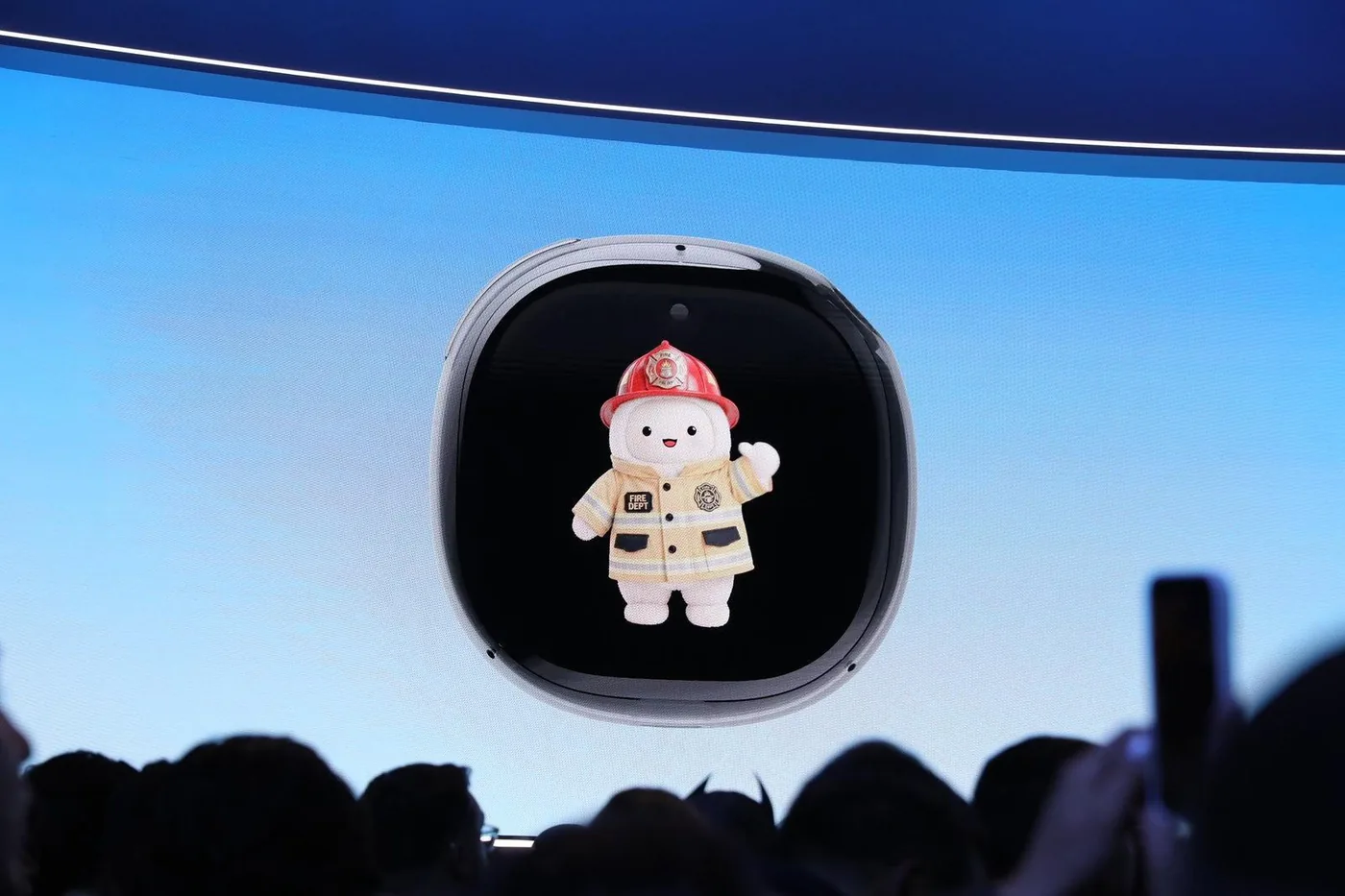
Tech news aggregators tracked the pricing reports across the industry. Coverage on Techmeme, including analysis by journalist Jyoti Mann, cataloged how leaks surrounding Meta’s $300 price target sparked discussion about consumer appetite for single-purpose artificial intelligence hardware [2]. The report documented how Meta is testing whether everyday shoppers will pay upfront hardware fees for avatar interactions instead of relying purely on free chat apps.


Verizon Wireless Carrier Bundle
To make the $300 price more appealing, Meta is bundling cellular connectivity with each hardware purchase. Reporting from The Information reveals that buyers will receive twelve months of complimentary Verizon 5G cellular coverage bundled into the hardware package [1]. That cellular link allows the pocket gadget to connect directly to Meta servers without forcing users to pair a phone or hunt for local Wi-Fi networks when they leave home. Standalone cellular coverage ensures that the Muse AI agent remains accessible outdoors, in transit, or during quick errands where phone hotspots would create unnecessary delay.
Cellular data helps any wearable work away from home. A full year of free 5G service from Verizon gives buyers immediate connectivity right out of the box [1].
The broader software platform took shape when Meta Muse launched with shopping tools and privacy questions. The debut introduced the conversational engine that now streams avatar animations over Verizon cellular towers to answer user queries without smartphone tethering. Battery drain on mobile phones drops as a result, while Meta keeps assistant responses fast and reliable.

Smartwatch Launch Moved to 2027
Meta adjusted its hardware schedule to prepare the Muse Charm for December. The Information reports that Meta is also developing a smartwatch, but the planned launch has now been pushed to 2027. Engineering teams at Meta decided to concentrate their efforts on getting the pocket charm out the door for holiday shoppers, prioritizing a single focused AI gadget over multiple competing projects [1].
The decision to delay the smartwatch came down to difficult hardware trade-offs, since wrist wearables require custom biological sensors, tight battery optimization, and tiny touchscreens that take years of specialized lab testing to perfect. A pocket charm (instead of a full wrist computer) sidesteps those engineering bottlenecks. Meta can deliver its conversational agent much faster by sticking to a microphone, a compact screen, and a tap sensor [1].
Industry coverage on Techmeme tracked these product delays, noting that Meta holiday hardware hopes now rest squarely on the Muse Charm [2]. The revised 2027 window gives Mark Zuckerberg and Meta engineers time to study how people actually use the pocket assistant before building another screen for the wrist.
DIY Projects and Muse Charm Price
In addition to factory production, Meta released open source code allowing builders to craft personal hardware at home. The public repository from Meta provides every tool required to run the Muse assistant on custom microcontrollers. Builders can experiment with avatar software and voice controls without waiting for an official package to arrive in retail stores [1].
That open code was put to work by Sean Hollister, a reporter at The Verge, who used the code to construct his own DIY Muse Charm. Hollister showed that makers can assemble a working prototype without waiting for an official retail box from Meta. His project showed that the underlying Muse software can run on independent hardware configurations assembled by hobbyists [1].
The DIY option creates an interesting contrast with the official Muse Charm price. While hobbyists can assemble their own units using open code, Meta is betting that general consumers will gladly pay $300 for a polished pocket device that includes built-in Verizon 5G data, fingerprint security, and a small display ready for the December holidays [1].
- ONLINE NEWS Peters, J. (2026, November 19). Meta’s Muse Charm might cost $300. The Verge. [Article Link]
- WEBSITE Techmeme. (2026, November 19). Source: Meta plans to charge $300 for its forthcoming Muse Charm device and include a free 5G data plan from Verizon for up to 12 months. [Article Link]


