





Supermarket aisles hold an expanding variety of herbal, organic, and natural options that promise a clean way to care for human teeth. Many shoppers reach for tubes advertising green tea or aloe vera because they assume plant extracts are gentler and healthier than standard drugstore pastes. Yet switching to a natural toothpaste without checking its mineral content can leave teeth vulnerable to long-term harm [1]. Front packaging describes how companies source ingredients, but it does not tell buyers whether the paste can stop cavities [2]. That defense depends on fluoride, a mineral supported by decades of laboratory testing and clinical trials [1]. Without it, daily brushing cleans away food debris but fails to shield hard enamel from bacterial acid [2].
Growth of Natural Toothpaste on Store Shelves
In 2021, a research team in the United Kingdom evaluated the oral care market to understand how many non-standard products were reaching consumers. Investigators A. Gupta, J. E. Gallagher, I. G. Chestnutt, and J. Godson examined 500 toothpastes from 95 brands across British retailers. Their inventory covered standard pastes as well as alternative formats, including tooth powders and solid toothpaste tablets. When the team analyzed the product formulations, nearly a third contained no fluoride whatsoever [4].
Several products failed to print their mineral concentration clearly on the tube or box [4]. Shoppers often treat labels like natural, herbal, and organic as if they mean the exact same thing, but each term signals a separate production background [1]. Natural describes substances derived from natural sources, whereas herbal indicates plant-based extracts [2]. Organic describes materials produced under specific farming rules. A tube can carry any of these marketing badges without containing a single ingredient that hardens enamel or stops tooth decay [1].
Because the 2021 study looked at store shelves rather than bathroom cabinets, it can’t prove how many people brush with unfluoridated pastes every morning [4]. Even so, the sheer variety of fluoride-free products proves that shoppers are actively seeking alternative oral care items [1]. If consumers choose these products under the belief that natural formulas protect against cavities just as well as standard pastes, they may face unexpected tooth decay over time [2].
How Fluoride Protects Enamel from Cavities
Cavities develop through a biological struggle between mouth bacteria and tooth surfaces [1]. Bacteria living in dental plaque, the sticky biofilm that builds up on teeth, feed on fermentable carbohydrates from food and sugary drinks [2]. As they digest these sugars, the microorganisms produce acidic waste that leaches minerals from dental enamel [1]. Enamel forms the hard outer shield of each tooth, and persistent acid exposure weakens its microscopic mineral matrix [2]. Over weeks and months of unchecked acid wear, this mineral loss creates small holes known as cavities [1].
Fluoride changes the course of this biological battle by helping enamel resist acidic damage and remineralizing early areas of decay before a visible cavity develops [1]. In 2019, researcher T. Walsh and colleagues evaluated the strength of this intervention through an updated systematic review for the Cochrane database. The team synthesized findings from 96 clinical studies that compared fluoride toothpastes with unfluoridated formulas across children, adolescents, and adults. Brushing with fluoride paste consistently lowered tooth decay rates compared with brushing without the mineral. Higher fluoride concentrations delivered greater cavity control across patient groups [3].
However, Walsh and co-authors said that higher concentrations carry trade-offs for young patients whose adult teeth are still forming under the gums. Too much fluoride during enamel development can cause fluorosis, a condition that produces faint white lines or mottling on the tooth surface [3]. For this reason, dental guidelines balance cavity defense against fluorosis risk by recommending lower mineral doses for toddlers while providing full strength for older children and adults [1].
The Case of the Organic Switch
Many people switch to fluoride-free products because they believe that natural ingredients are safer for daily use [1]. The growing popularity of organic foods leads shoppers to assume that avoiding conventional chemical compounds will improve their oral hygiene as well [2]. Yet teeth face harsh daily chemical challenges from dietary acids that simple plant oils can’t neutralize. Giving up fluoride means losing an active mineral agent that binds into enamel to rebuild weakened crystal structures after every meal [1].
In a 2019 report published in the British Dental Journal, clinicians H. Malik and Dr. Aylin Baysan described what happened when one patient made this switch. The report documented the case of a dental student who developed several new cavities after replacing standard fluoride toothpaste with an organic, fluoride-free product [5]. Dr. Baysan said the student also had secondary risk factors, including a habit of eating sugary snacks and missing routine clinic appointments [1].
This single clinical case cannot prove that the organic paste caused multiple cavities on its own [1]. Multiple dietary and hygiene habits influence whether tooth surfaces break down under bacterial plaque [2]. But Dr. Baysan said the patient’s experience shows why checking for fluoride is important, even for individuals who brush thoroughly every day [1]. Brushing technique alone can’t replace the chemical protection that fluoride deposits onto enamel [2].


Herbal Ingredients in Gum Care
Plant extracts are not useless in oral hygiene, and several botanical additions show biological activity inside the mouth [1]. Manufacturers regularly incorporate green tea, aloe vera, and neem into toothpastes and mouth rinses [2]. Neem comes from a tree that people in South Asia have used for dental cleaning for centuries. These herbal compounds help curb bacterial growth and soothe gum inflammation, medically known as gingivitis [1]. Gingivitis causes gum tissues to swell, turn red, and bleed during ordinary toothbrushing [2].
A 2024 overview of systematic reviews led by V. Mehta and colleagues examined clinical evidence for herbal oral care products in the Canadian Journal of Dental Hygiene. The authors found that certain plant-based mouthwashes and toothpastes lowered plaque buildup and eased gum swelling as effectively as standard products [6]. Botanical compounds possess mild antimicrobial properties that can help keep oral bacteria in check when used as part of a daily hygiene routine [1].
However, reducing gum inflammation does not mean a toothpaste will prevent cavities [1]. The review authors said that many herbal trials were short and used differing methods, making it hard to judge how well plant extracts work over long periods [6]. Soothing gums is helpful, but botanical extracts can’t match fluoride’s ability to rebuild enamel after acid attacks [1]. Dr. Baysan said that consumers do not have to choose between plants and minerals, because several brands combine soothing botanicals with protective fluoride [2].
Evaluating Charcoal for Tooth Whitening
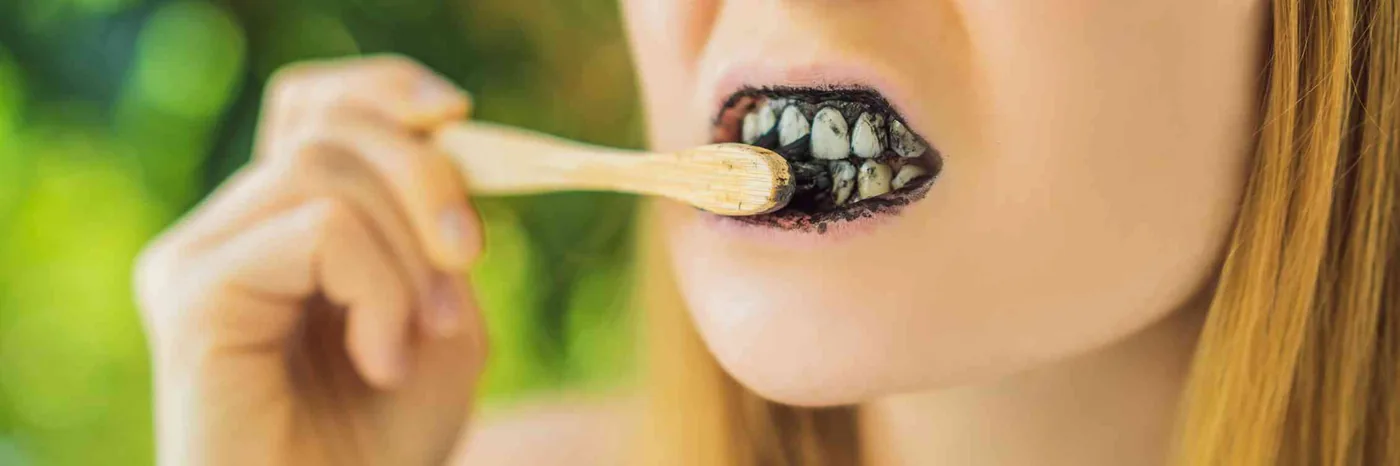
Activated charcoal has become one of the most visible additions to alternative dental care, marketed widely as a natural way to lift stains and whiten teeth at home [7]. Shoppers see popular advertisements showing black pastes turning smiles bright white without synthetic bleaching agents [1]. This visual appeal has made charcoal powders and pastes a popular choice on store shelves [2]. Yet dental scientists question whether rubbing charcoal across teeth delivers lasting cosmetic benefits without harming enamel structure [7].
A 2023 systematic review led by D. B. M. Tomás and colleagues examined the effectiveness and safety of charcoal whitening products in the Annals of Anatomy. The researchers gathered laboratory and clinical data on activated charcoal dentifrices to evaluate stain removal and tooth surface wear. Their analysis found limited evidence that charcoal products lighten tooth color better than ordinary toothpastes. Furthermore, most evaluated studies indicated that charcoal pastes are more abrasive, meaning their rough particles can scrub away the smooth outer enamel over repeated brushings [7].
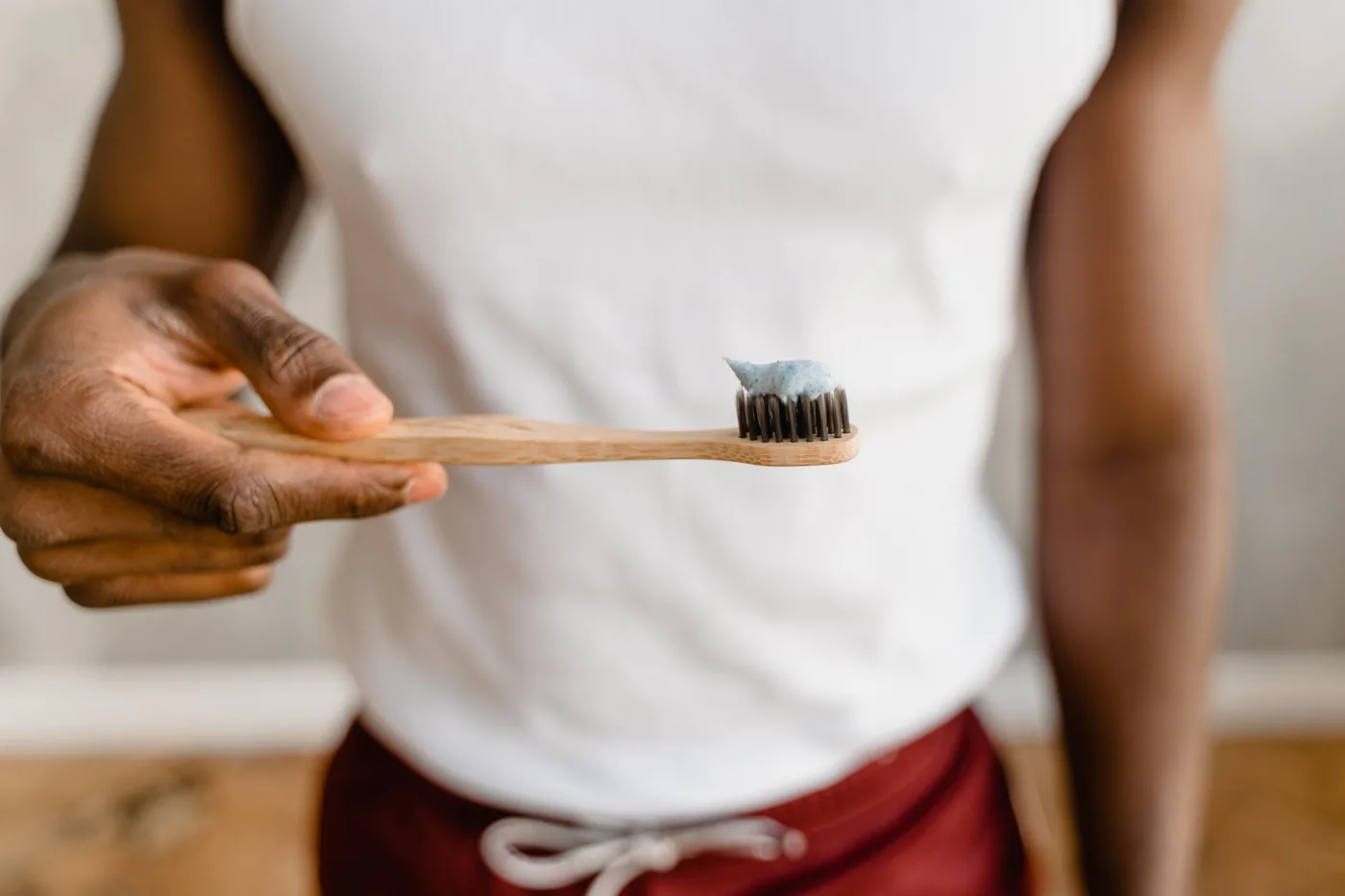
Because most charcoal investigations were conducted in vitro on extracted teeth in laboratories, researchers cannot say exactly how much surface wear takes place during normal daily use in human mouths [7]. Still, scrubbing with abrasive particles twice a day creates real risks of wearing down thin enamel, especially if a person brushes hard [1]. Enamel does not grow back once it is scraped away, making abrasive pastes a risky choice for anyone seeking whiter teeth [2].
Choosing a Natural Toothpaste with Fluoride
Consumers who prefer plant ingredients do not need to give up enamel protection, because they can simply look for a natural toothpaste that includes an effective concentration of fluoride. In the United Kingdom, guidance from the National Health Service advises adults to choose toothpastes containing at least 1,350 parts per million (ppm) of fluoride. This measurement means there are at least 1,350 fluoride particles for every million parts of paste, a concentration proven to stop acid wear and help repair early enamel lesions [1].
Children require tailored fluoride strengths and smaller paste portions to safeguard developing enamel while keeping cavity rates low. The NHS recommends that children under 3 years old use toothpaste with at least 1,000 ppm fluoride, applied as a tiny smear across the bristles. For children between 3 and 6 years of age, parents should use a pea-sized amount containing 1,000 to 1,500 ppm fluoride. From age 7 onward, children can safely brush with standard adult formulas containing 1,350 to 1,500 ppm fluoride [1].
How someone brushes is just as important as the tube they buy at the store. Dentists advise brushing for about two minutes twice a day, especially before going to sleep at night. After brushing, spitting out the extra paste rather than immediately rinsing with water leaves a thin layer of fluoride on the teeth to strengthen enamel throughout the night [1]. While botanical extracts offer pleasant flavors and mild gum support, proven fluoride levels stay the most reliable defense against tooth decay [2].
- WEBSITE Baysan, A. (2026). Is natural toothpaste really as good as fluoride? Tooth decay expert on the difference. The Conversation. [Article Link]
- ONLINE NEWS Baysan, A. (2026). Is natural toothpaste really as good as fluoride? Tooth decay expert on the difference. Medical Xpress. [Article Link]
- ACADEMIC JOURNAL Walsh, T., Worthington, H. V., Glenny, A., Marinho, V. C., & Jeroncic, A. (2019). Fluoride toothpastes of different concentrations for preventing dental caries. Cochrane Database of Systematic Reviews, 2019(11). [Article Link]
- ACADEMIC JOURNAL Gupta, A., Gallagher, J. E., Chestnutt, I. G., & Godson, J. (2021). Formulation and fluoride content of dentifrices: a review of current patterns. British Dental Journal. [Article Link]
- ACADEMIC JOURNAL Malik, H., & Baysan, A. (2019). Organic is not better!. British Dental Journal, 227(3), 175-176. [Article Link]
- ACADEMIC JOURNAL Mehta, V., Mathur, A., Tripathy, S., Sa, R., & Sharma, T. (2024). Effectiveness of herbal oral care products in reducing dental plaque and gingivitis: an overview of systematic reviews. Canadian Journal of Dental Hygiene, 58(2), 120-134. [Article Link]
- ACADEMIC JOURNAL Tomás, D. B. M., Pecci-Lloret, M. P., & Guerrero-Gironés, J. (2023). Effectiveness and abrasiveness of activated charcoal as a whitening agent: A systematic review of in vitro studies. Annals of Anatomy, 245, 151998. [Article Link]
APA 7: PerEXP Teamworks. (2026, November 7). Natural Toothpaste Offers Less Cavity Defense than Fluoride. PerEXP Teamworks. https://perexpteamworks.com/en/natural-toothpaste-without-fluoride-cavities/


