





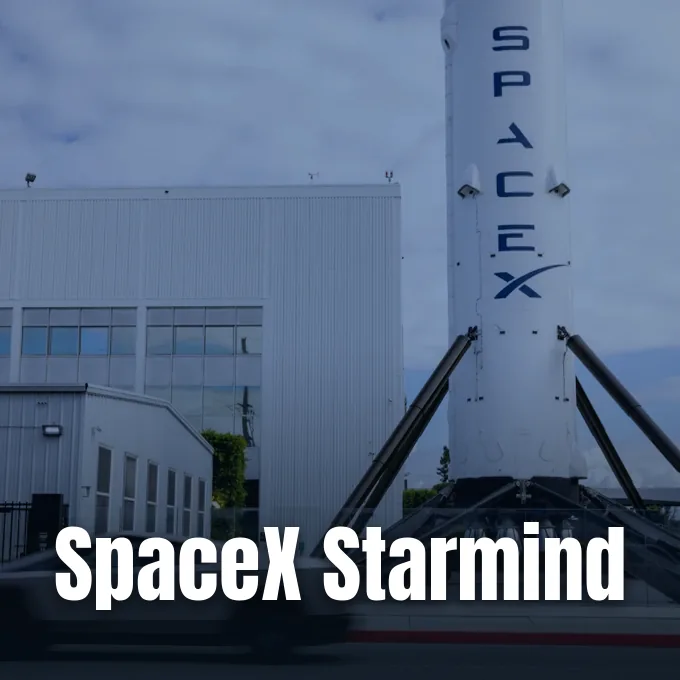
SpaceX won conditional approval from the Federal Communications Commission on Wednesday to build and operate up to 1 million satellites for orbital data centers. FCC Chair Brendan Carr approved the Starmind project, opening a legal path for space-based artificial intelligence. The ruling gives SpaceX room to test compute nodes in low Earth orbit, even as Amazon, Viasat, and research astronomers filed petitions against the plan [1].
Why Orbital Data Centers Won Approval
FCC Chair Brendan Carr backed the decision on Wednesday, saying the ruling “opens a bold new frontier for the computing infrastructure needed to power America’s leadership and growth.” SpaceX CEO Elon Musk replied to Carr on X, writing, “Much appreciate. This will be a great asset to America and the world.” The vote gives SpaceX an early lead in space compute as tech firms race to expand AI hardware [1].
The FCC permit lets SpaceX use radio signals from Earth ground stations to steer its data center fleet if primary links fail. In normal use, the Starmind craft will use laser links to talk with each other and route data into Starlink. That laser mesh lets orbiting nodes move AI tasks between craft without sending each step down to ground fiber [1].
FCC staff set aside key protests from Amazon and science groups during the review. Opponents said that big fleets block optical telescopes, but the FCC said science threats fall outside its legal power. SpaceX can now run test flights, but it still needs more permits before it can fly full batches into higher orbits [1].
Timelines for the Fleet
The FCC order sets clear targets for SpaceX. SpaceX must fly its first operational data center craft by 2030, while The Verge noted that full launch plans give SpaceX until 2033 to get early hardware running. The FCC requires SpaceX to place all 1 million craft in orbit by 2040. SpaceX filed its opening permit bid in May [2].
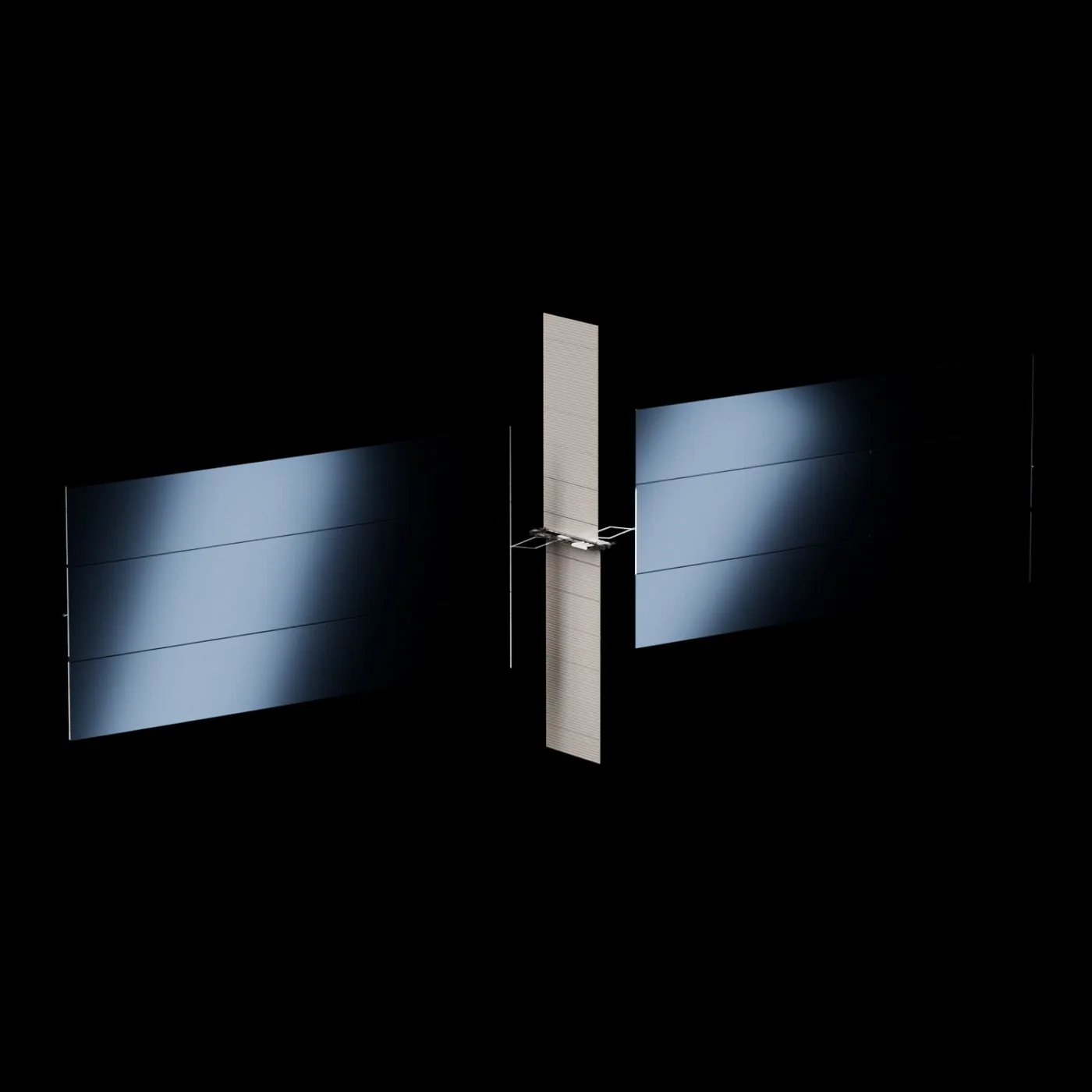
The craft will fly at altitudes between 500 and 1,002 km above Earth. First-generation units will measure 246 feet long and 98 feet high, making each craft about twice the size of current Starlink units. SpaceX plans to build custom AI chips for the fleet at an upcoming Terafab site. Elon Musk pitched the idea to investors in March ahead of a planned June share sale, pointing out that space offers endless solar power: “You’re power-constrained on Earth. Space has the advantage that it’s always sunny” [2].
SpaceX links this hardware plan with Starlink. SpaceX already runs thousands of Starlink satellites in low Earth orbit to beam broadband. Starmind will feed data into that Starlink grid, giving clients quick access to AI models without new ground links.


Rival Petitions from Amazon
The FCC ruling came despite protests from rival space firms. Amazon and satellite firm Viasat asked the FCC to stop the plan, warning that 1 million new craft would crowd radio spectrum and raise crash risks. In its petition, Amazon called Starmind a “lofty ambition rather than a real plan,” arguing that SpaceX hid key facts while its fleet “risks real harm” in space [1].
Science groups also fought the bid. The American Astronomical Society and Public Employees for Environmental Responsibility filed petitions against SpaceX, warning about light pollution and space junk. They told the FCC that giant fleets blind optical telescopes and hurt radio astronomy. FCC officials replied that their job covers radio links, leaving sky preservation outside FCC authority [2].
Amazon has been building its own orbit network to rival Starlink, having built its 1,000th satellite for Project Kuiper. Other tech firms also test space compute. Google launched a Project Suncatcher craft last month, and Jeff Bezos’ Blue Origin plans a heavy launch for Google in 2029 [3].
Orbital Data Centers Face Launch Limits
Space analysts doubt whether any rocket company can build and launch 1 million orbital data centers in fourteen years. It took SpaceX seven years to put up 11,195 satellites for Starlink, which was already the largest fleet ever flown in space. Reaching 1 million craft by 2040 needs thousands of rocket launches each year, creating a heavy burden for SpaceX factories and suppliers. The scale of the proposal has drawn skepticism across the space industry. Ian Christensen, senior director at the Secure World Foundation, told CNET that the space sector lacks launch gear: “We do not have the launch capacity for any of this. Not even within SpaceX to do their own constellation, let alone the other constellations planned” [2].
SpaceX has used more of its own Falcon 9 rockets for internal missions to grow Starlink. A Reuters report showed that Starlink flights rose from 54% of Falcon 9 trips in 2020 to about 79% in 2026, pushing aside third-party payloads. Meeting the Starmind goal needs a far bigger ship. One analysis found SpaceX would need to fly 5,000 Starship rockets a year to deploy 1 million craft. Last year, all rocket teams worldwide launched just 330 rockets in total [2].
Investors reacted with caution to the costly space plan. Tech shares fell on Wednesday, dragging the Nasdaq 100 down by over 4% as markets weighed AI chip costs. Broadcom fell 7% and Micron lost 11%, while Nvidia gave up early gains during the tech sell-off reported by David Shepardson [4].
Debris Rules and Atmosphere Risks
The FCC did not approve every part of the SpaceX bid. FCC officials put off action on plans to handle orbital debris for craft flying above 600 km. SpaceX had asked to waive FCC rules that give operators five years to drop dead low-orbit craft into the atmosphere after ending missions. SpaceX wanted to push retired orbital data centers into permanent storage tracks around Earth or out toward the sun. The FCC rejected that waiver request for now, saying SpaceX gave too few engineering details on how it would safely park dead craft without creating long-term space junk [1].
Astronomers warn that packing 1 million heavy craft into low orbits raises collision risks. Astrophysicist Jonathan McDowell told CNET that the agency gave SpaceX “a blank check” without proving the project was safe to fly. McDowell warned that a single crash could create debris tracks that stay in orbit for decades, putting other space missions at risk [2].
Scientists also track what happens when craft burn in the sky. Vaporized metal drops aluminum particles into upper air layers, threatening the ozone shield. A study in the journal Earth and Space Chemistry found that the SpaceX plan could lift pollution in high air layers by more than 150 times over current levels. McDowell told CNET that while some risks remain unproven, the FCC should not brush aside atmospheric harms [2].
- ONLINE NEWS Korosec, K. (2026, November 25). FCC approves SpaceX plan to put AI data centers in space. TechCrunch. [Article Link]
- ONLINE NEWS Supan, J. (2026, November 25). The FCC Approved a Million SpaceX Satellites for Data Centers in Space. CNET. [Article Link]
- ONLINE NEWS Roth, E. (2026, November 25). FCC signs off on SpaceX’s plan to put up to 1 million data center satellites into space. The Verge. [Article Link]
- ONLINE NEWS Shepardson, D. (2026, November 25). The US FCC authorizes SpaceX to deploy its Starmind constellation of 1M satellites for data centers in space. Reuters. [Article Link]


