





NVIDIA and Microsoft announced a wide expansion of their computing partnership on November 19, 2026, bringing new hardware and software tools from Azure cloud data centers down to local Windows PCs. Both tech giants confirmed the move at Ignite. The rollout introduces NVIDIA accelerated computing clusters to Azure and puts open AI models into business apps. Cloud users can run big reasoning jobs on server racks, and local coders get tools that run on their own office desks. The joint program spans heavy AI training, automated office tasks, factory robotics, and remote desktop streaming for teams working from home, setting up a shared computing stack that links cloud data centers with local desktop machines [2].
Vera Rubin Deployments on Azure
NVIDIA Vera Rubin NVL72 is now available in Azure data centers to boost computing. These next-generation server racks provide cloud infrastructure built for heavy reasoning workloads, large AI model training, and multi-step agent tasks, helping enterprise groups build smarter software tools that tackle difficult coding and math problems [1]. Server clusters connect chips into one unified network [2].
The joint effort also adds confidential computing features to bare-metal and rack systems, protecting private models and company records as they run on remote hardware across the cloud network [2]. Cryptographic checks verify hardware before sharing sensitive data. NVIDIA Confidential Computing lets clients inspect server security states, while NVIDIA MaxLPS raises power efficiency to get more work from existing electrical grids. Server power limits pose a growing challenge for modern tech firms. As cloud providers explore flexible data centers to handle rising electrical loads, boosting energy efficiency helps data centers run high-density AI clusters without placing excessive strain on local utility grids during peak training runs.
New benchmark tests prove these hardware gains. In the MLPerf Training v6.1 tests, Azure scaled up to 10,240 NVIDIA GPUs with GB200 NVL72 setups on DeepSeek-V3, setting the largest scale recorded in that round. For MLPerf Inference v6.1, Azure GB300 NVL72 units beat DeepSeek-R1 cloud speed marks by 10%, per Signal65 [1].
Enterprise Foundry Adds NVIDIA Accelerated Computing
Adopting NVIDIA accelerated computing through Microsoft Foundry gives builders new ways to adapt open models with private records without managing hardware [2]. Serverless Programmed Training simplifies this fine-tuning work. Software teams can direct post-training workflows to fit their needs, while Microsoft Foundry takes care of the underlying cluster setup and server maintenance. Accounting firm EY used this method to train open Nemotron models on corporate purchasing records. The project boosted classification accuracy by 55% on evaluation records while cutting operating costs by 15x compared with frontier models, showing how enterprises can customize open weights for daily office tasks [1].
The Nemotron 3.5 family addresses varied corporate software needs. The Nemotron 3.5 Super model powers long-running software agents that write code, conduct business research, and carry out multi-step office workflows, while Nemotron 3.5 Lightning handles tasks that need rapid chat answers. Microsoft and NVIDIA also plan to add Nemotron 3.5 Bolt for low-latency reasoning jobs soon [2].
Foundry Managed Compute also lets software builders deploy custom model weights alongside companion tools built for specific data extraction and search tasks. Specialized models help agents find vital corporate facts. The Nemotron Embed and Nemotron Rerank models locate clear evidence in company text, and Nemotron Parse extracts structured data from scanned invoices and digital charts. Automated security filters guard these digital agent systems from malicious inputs. To block prompt injection and toxic queries, Nemotron Content Safety screens incoming text before it reaches reasoning models, and Microsoft will soon add the Transcribe speech recognition model to round out the enterprise catalog [2].

Local Hardware for Windows Devices
Many firms prefer running AI on site. To help organizations keep data inside private walls, Microsoft added Nemotron 3.5 support to Foundry Local, bringing coding agents and retrieval tools for text and images to Azure Local environments. Azure Local will support NVIDIA RTX PRO 6000 Blackwell GPUs from server vendors for local model inference [1].
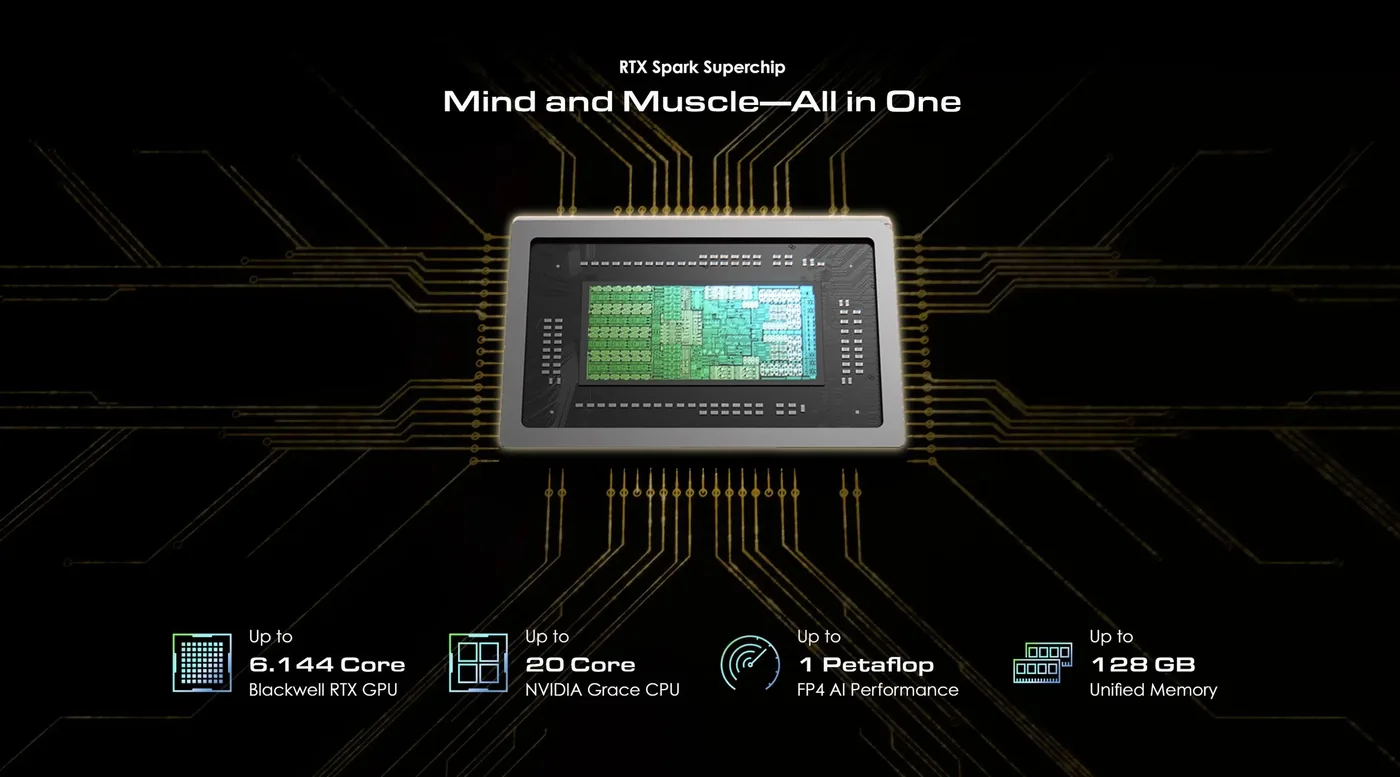
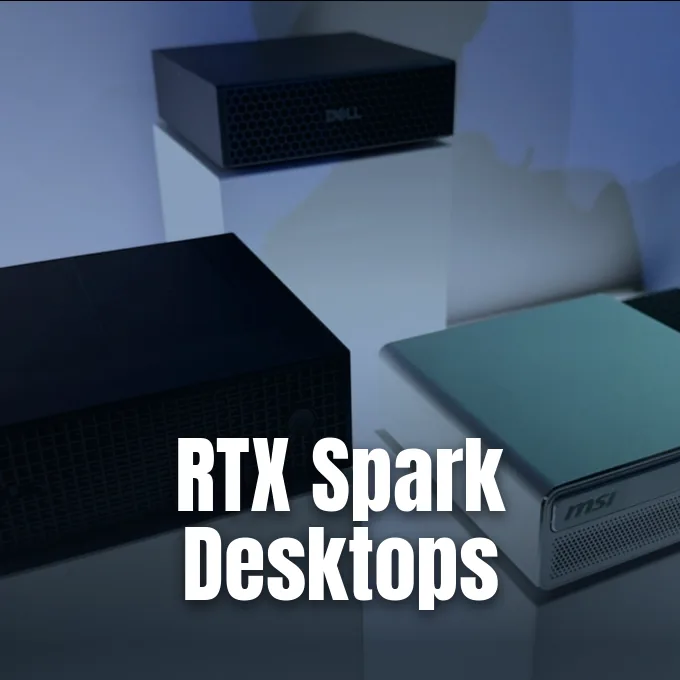
Bringing NVIDIA accelerated computing to local Windows devices gives developers predictable speed and keeps proprietary code inside company walls without relying on third-party cloud links. NVIDIA and Microsoft showcased these PC setups at Ignite. Demonstrations showed local large language models running on Windows PCs built with NVIDIA RTX Spark chips to assist coders on personal workstations. Running models on local silicon reduces expensive cloud API fees for engineering teams. As businesses explore Nvidia RTX Spark desktops for edge artificial intelligence development, local processing protects confidential company records from data leaks and lets staff run coding assistants without an active internet connection [1].
Remote staff also gain upgraded desktop video streaming. For staff using cloud systems, both firms added Direct Stream features to GPU-accelerated Windows 365 Cloud PCs, handling heavy 3D graphics tools with low input lag over home web links. The tool outputs two 4K streams at 60 frames per second, with public previews scheduled for early 2027 [1].
Edge Systems and Scientific Tools
The hardware push extends past office desks into industrial facilities and smart factories by linking Azure Local setups to specialized edge robotics platforms on factory floors [1]. Industrial gear needs fast on-site visual processing. Azure Local now supports NVIDIA Jetson Thor and Jetson Orin boards to drive industrial robotics, automated inspection cameras, and autonomous warehouse transport vehicles. These compact units process live camera data locally to guide factory machines without cloud delays. Furthermore, NVIDIA brings its Cosmos physical AI platform to Foundry Local, allowing engineers to simulate machinery dynamics and validate robotic control code inside virtual environments before flashing software onto physical assembly lines [2].
Scientific research laboratories receive new generative modeling tools. The NVIDIA BioNeMo Agent Toolkit and NVIDIA ALCHEMI Toolkit joined the Microsoft Discovery platform, bringing custom chemistry, biology, and materials science models into a shared digital research catalog for laboratory scientists. Researchers can type natural language instructions into Microsoft Discovery to steer automated computational biology pipelines [2].
In Microsoft Discovery, researchers can run the RFD4-Proteina model to advance biological drug discovery and molecular research projects. The system generates novel protein structures digitally. Built together with researchers at the University of Washington and its Institute for Protein Design, the software produces custom amino acid sequences for laboratory evaluation. Testing digital protein models saves weeks of laboratory labor and cuts expensive chemical supplies. By screening thousands of molecular candidates in software before starting wet lab synthesis, research groups can discover therapeutic treatments much faster and reduce the financial expense of developing new clinical medications [2].
NVIDIA Accelerated Computing Behind Microsoft Services
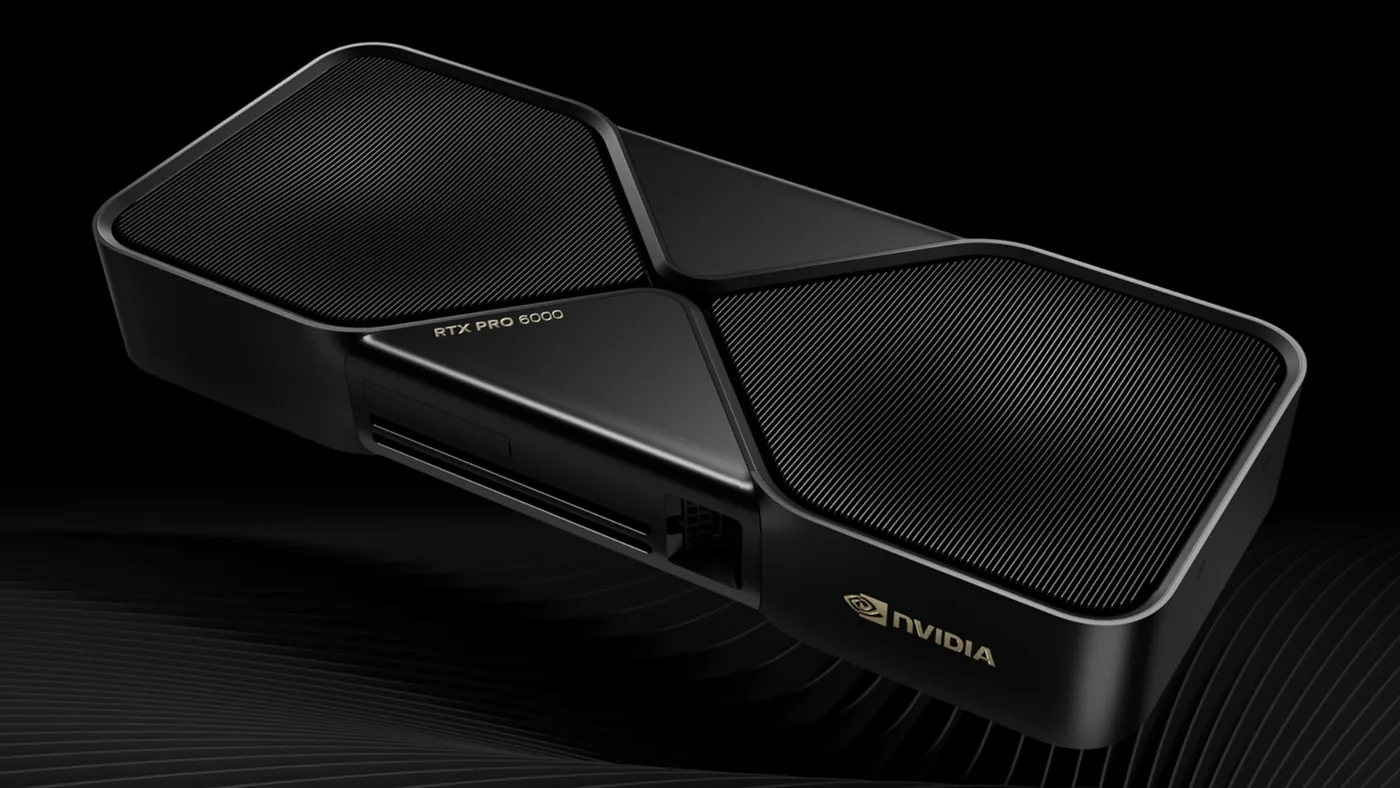
Beyond outside cloud contracts, Microsoft relies on NVIDIA accelerated computing to speed up its own core consumer products. The company upgraded its Bing search infrastructure. Microsoft deployed NVIDIA RTX PRO 6000 Blackwell GPUs to accelerate Bing ranking models, processing incoming search queries faster and returning relevant results without raising data center power consumption [2].
In addition to search ranking, Microsoft AI uses NVIDIA Dynamo software to guide reinforcement learning rollout inference during post-training stages. This compute-heavy process generates millions of trial responses. These practice trials help models learn stronger reasoning habits, assess candidate answers, and improve how autonomous software agents solve complex business problems. Joint engineering teams from Microsoft AI and NVIDIA built Dynamo to coordinate traffic over large GPU clusters. The software optimizes overall server throughput while balancing incoming requests, updating model weights on the fly, and recovering smoothly whenever single server nodes experience hardware dropouts during heavy training runs [2].
Conference attendees at Ignite inspected the physical hardware. NVIDIA displayed a working rack of GB300 NVL72 systems at the venue, alongside desktop hardware demonstrating local large language model tasks on compact RTX Spark devices for visiting developers. The event highlighted how both firms link cloud server racks and local personal computers together [2].
- ONLINE NEWS Mujtaba, H. (2026, November 20). NVIDIA Fuels Accelerated Computing at Microsoft With Vera Rubin Deployments at Azure, RTX Blackwell & Open Models For Windows PCs. Wccftech. [Article Link]
- PRESS RELEASE Salvator, D. (2026, November 19). NVIDIA and Microsoft Expand Accelerated Computing From Azure to Windows PCs. NVIDIA Blog. [Article Link]


