





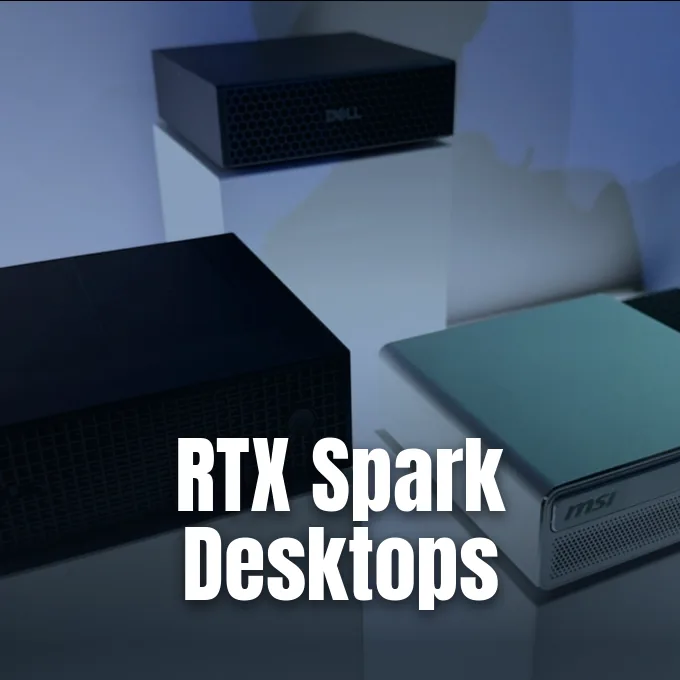
Hardware makers ASUS, Dell, and MSI began selling the first Nvidia RTX Spark desktop computers on November 18, 2026, bringing unified memory architectures to compact workspaces. Compact chassis models house 20-core NVIDIA Grace CPUs, Blackwell graphics chips with 6,144 CUDA cores, and unified memory pools reaching up to 128GB. Nvidia designed the hardware to run local AI models and background agents without recurring cloud subscription charges. Base configurations start at $4,400 [2].
Nvidia RTX Spark Desktop Silicon Layout
The new desktop builds depart from the split specifications found in the portable laptop family that arrived in computer stores last month. Portable Spark laptops offered two tiers of the N1X processor, including an entry chip with an 18-core CPU and 5,120 graphics cores alongside the flagship silicon. Retail desktop builds use only the top silicon tier. Every brand features a 20-core processor paired with 6,144 GPU cores to drive local inference [1]. NVIDIA Grace delivers up to 1 petaflop of computing output [2].
Every chassis ties the 20-core Grace processor to unified memory so the CPU and GPU can access the same data without moving files over PCIe bus lanes. Standard PCs isolate system memory from discrete graphics cards. System memory splits force software developers to divide neural network weights across multiple expansion cards or rent remote cloud instances. By contrast, these compact boxes let creators load large neural networks straight into a shared memory pool that spans up to 128GB of unified memory. Ten-gigabit Ethernet comes built onto every motherboard. High-speed networking keeps data moving when teams run multi-gigabyte models across multiple local machines without choking storage drives, letting Justin Walker of Nvidia highlight real-time rendering for 90GB scenes [2].
Desktop systems also differ fundamentally from previous DGX Spark appliances that Nvidia sold strictly as local AI appliances without standard operating system flexibility. Earlier DGX boxes ran headless scripts and little else. By contrast, retail Spark systems run standard Windows 11 to handle daily web browsing, code editors, and creative software on a single machine [1]. An always-on desktop can process scheduled tasks and agent routines as an employee travels with a laptop [2].
Retail Options from ASUS, Dell, and MSI
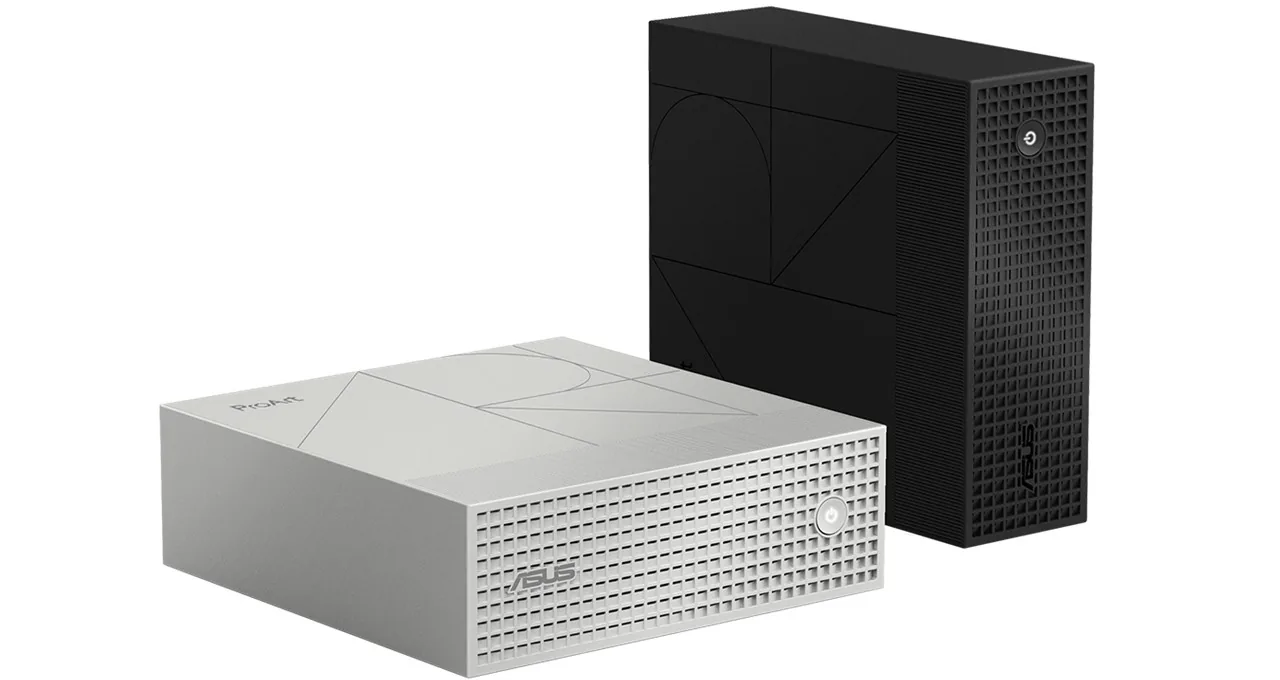
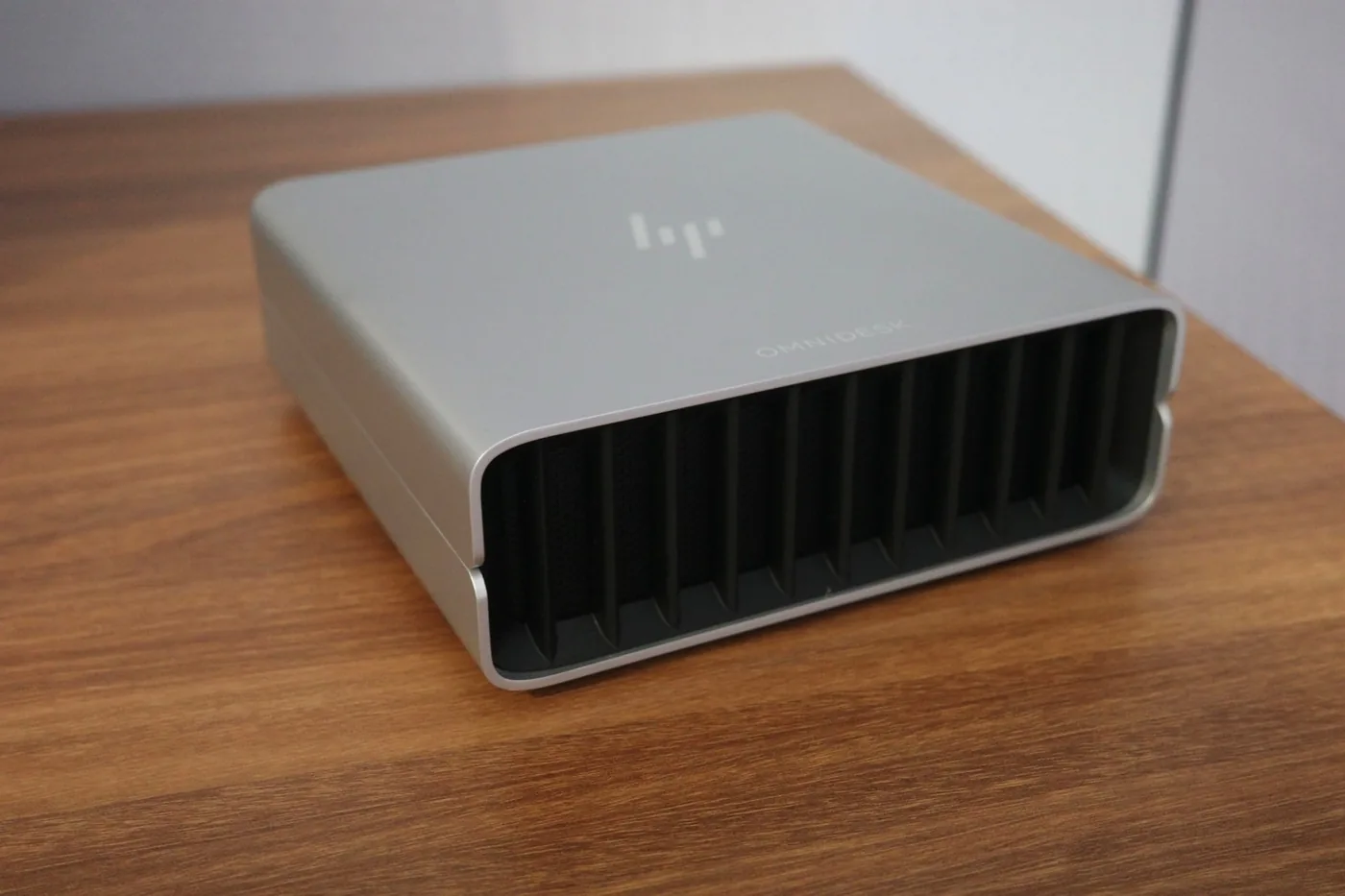
Buying an Nvidia RTX Spark desktop requires a serious budget, with base models carrying an entry price of around $4,400. The base tier includes 64GB of unified memory, but retail costs rise swiftly when shoppers choose maxed-out specifications with 128GB of RAM [1]. Prebuilt machines from MSI showcase how high those numbers reach: the vendor priced its EdgeMesa mini PC at $8,000 for users who want top components ready to run out of the box [3]. Hardware availability rolls out in phases across major personal computer brands in late 2026. Units from ASUS, Dell, and MSI are available for purchase right now, and compact chassis designs from Acer, Gigabyte, and HP will follow soon [2].
Acer built an upright small-form-factor chassis that stands on a desk like a miniature skyscraper, though its store release will wait until early 2027 [1]. Microsoft is also preparing a Surface RTX Spark Dev Box for programmers. The developer system will support local fine-tuning workflows [2].
Starting prices put Nvidia in competition with Apple and AMD for space on creative desks. Apple sells the entry Mac Studio for $2,500 with an M5 Max chip and 36GB of unified memory, and a 40-core GPU edition sells for $3,099. Apple’s M5 Ultra Mac Studio begins at $5,499. AMD also courts professional workstations by offering the Ryzen AI Max+ 495 chip inside modular Framework Desktop enclosures. Earlier testing of Apple Mac Studio local AI benchmarks showed how memory bandwidth influences model prompt processing times. Nvidia counts on hardware variety across multiple PC vendors to stand out against Apple’s closed ecosystem [1].

Creative Software Support Across Windows on Arm
Raw hardware matters little without native application support, so software makers updated major creative suites for Windows on Arm. Adobe brought native Arm execution to Adobe Illustrator and Adobe InDesign, with Illustrator running up to 30% higher performance than its previous emulated setup [2]. The update gives graphic designers responsive vector tools on ARM silicon.
Video editors working in Adobe Premiere gain TensorRT-RTX acceleration for Enhance Speech, Object Mask, Scene Edit Detection, and Auto Reframe. Premiere supports camera formats like Canon RAW, Red RAW, and ProRes RAW, delivering more than 50% quicker turnaround on daily H.264 video exports. Film Impact transition plugins also gain GPU acceleration. Image editing and 3D modeling tools also received Arm optimizations tailored for the hardware platform. Photoshop added native Arm Camera Raw integration alongside GPU acceleration for the Remove Tool, and Adobe previewed an updated image engine featuring real-time Gaussian blur and Light Leaks filters. For 3D artists, Adobe Substance 3D Painter 12.2 entered public beta with native Arm support, eliminating emulation layers entirely [2].

In 3D rendering, Blender 5.3 added DLSS 4.5 Ray Reconstruction to its Cycles viewport, letting artists view ray-traced materials and lighting without noisy image lag. Local generative tools also connect these programs. Creators at Adobe MAX 2026 combined Photoshop and ComfyUI through Hermes Agent to turn sketches into animated scenes for a digital Miami landscape. Built-in tools like RTX Video Frame Generation and HDR conversion expand those generated clips to 60 frames per second inside a single desktop workflow [2].
The Nvidia RTX Spark Desktop Memory Architecture
Unified memory capacity is the defining specification that separates these mini PCs from traditional gaming towers. Every Nvidia RTX Spark desktop pairs its processor with large memory pools that can fit 120-billion-parameter large language models or render 90GB 3D scenes locally [2]. Consumer graphics cards like the GeForce RTX 5090 boast massive raw GPU power, but their 32GB of video memory limits the size of AI weights they can hold at once. Brad Chacos of PCWorld observed that Spark systems easily swallowed massive workloads that overwhelmed his personal desktop graphics card. Chacos reported pushing a $7,000 laptop through 220,202 AI tokens in just 13 minutes, then assigning an $8,000 MSI EdgeMesa mini PC to collect research unbroken throughout the day [3].
“I freaking love Nvidia’s RTX Spark,” Chacos wrote about running massive models on his desk without cloud API meters ticking away [3]. Desktop enclosures avoid thermal throttling and battery drain. Small mini PCs can run long agent jobs continuously as they draw steady power from a wall outlet [1].
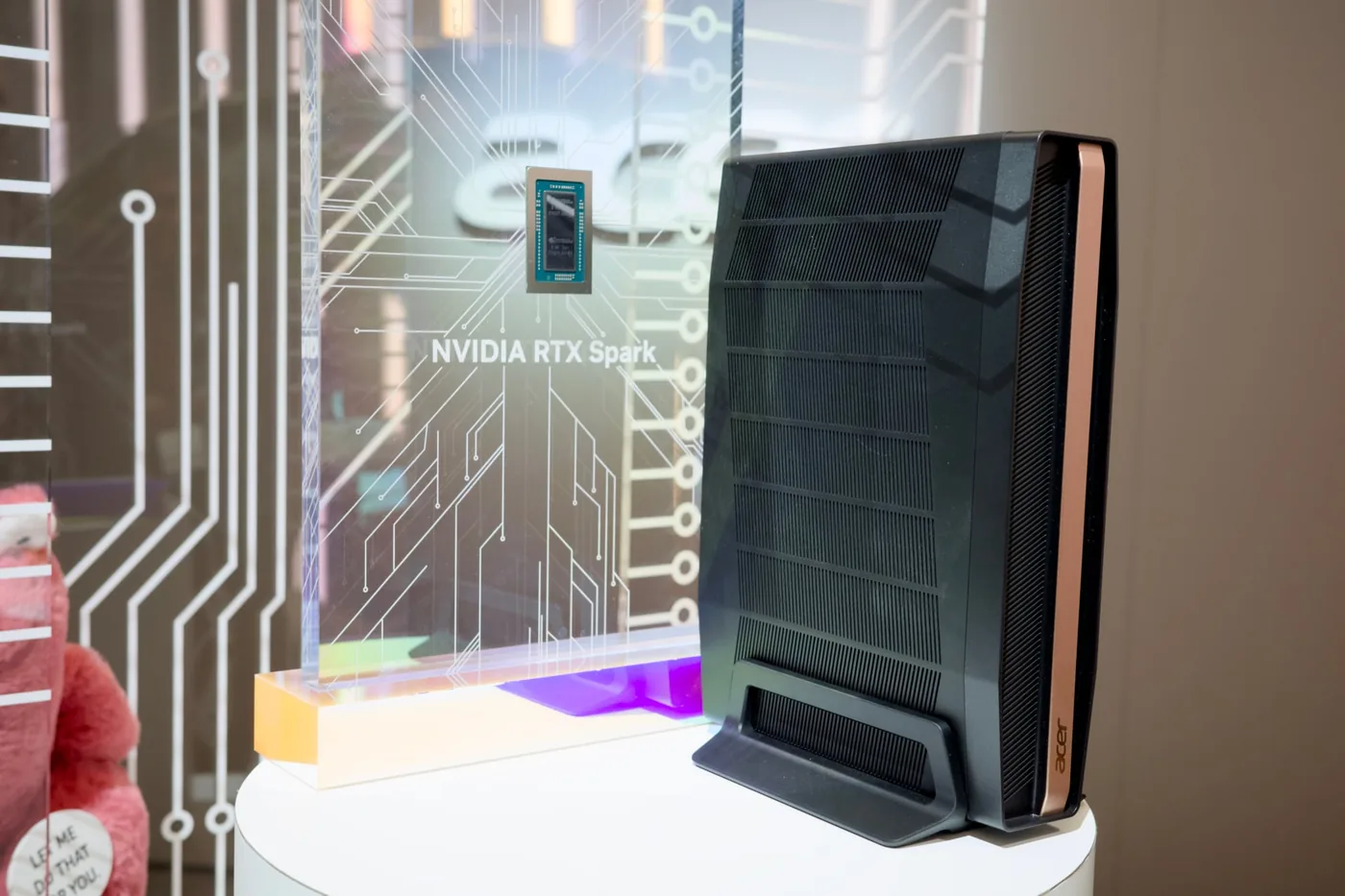
Form factor differences give desktop units a clear practical role compared to mobile laptops. Hardware reviewers previously examined mobile Spark silicon in the Asus ProArt P16, but desk-bound systems can draw full wall power without battery cutoffs. Kyle Barr of Gizmodo noted that Spark cannot match Apple’s top M-series chips in raw compute, but an always-on desktop functions effectively as a local AI hub for a household. Nvidia Pair software extends that role by distributing tasks to connected laptops and phones across a home network [1].
Component Market Pressures and Rising Hardware Costs
The arrival of premium AI mini PCs unfolds against a harsh pricing environment for computer memory and solid-state storage. Component costs have jumped over the past year, with memory modules selling for four to five times their prior prices. HP reported spending 35 percent of its PC component budget on memory and storage [3].
Memory manufacturers have shifted silicon production lines toward high-margin data center products, leaving ordinary personal computer makers to bid on scarce remaining hardware stocks. Industry figures have openly debated whether packing vast memory pools into personal machines represents an efficient use of hardware. OpenAI chief executive Sam Altman argued that keeping scarce RAM in personal computers was a “terrible use of it” when cloud data centers could run memory chips harder, though he later clarified that he wants users to have abundant hardware. Market impacts appear in third-party data: industry tracker Gartner counted a 22.4 percent annual decline in worldwide PC shipments during 2026’s third quarter, pointing to elevated component expenses that pushed entry systems out of reach for budget buyers [3].
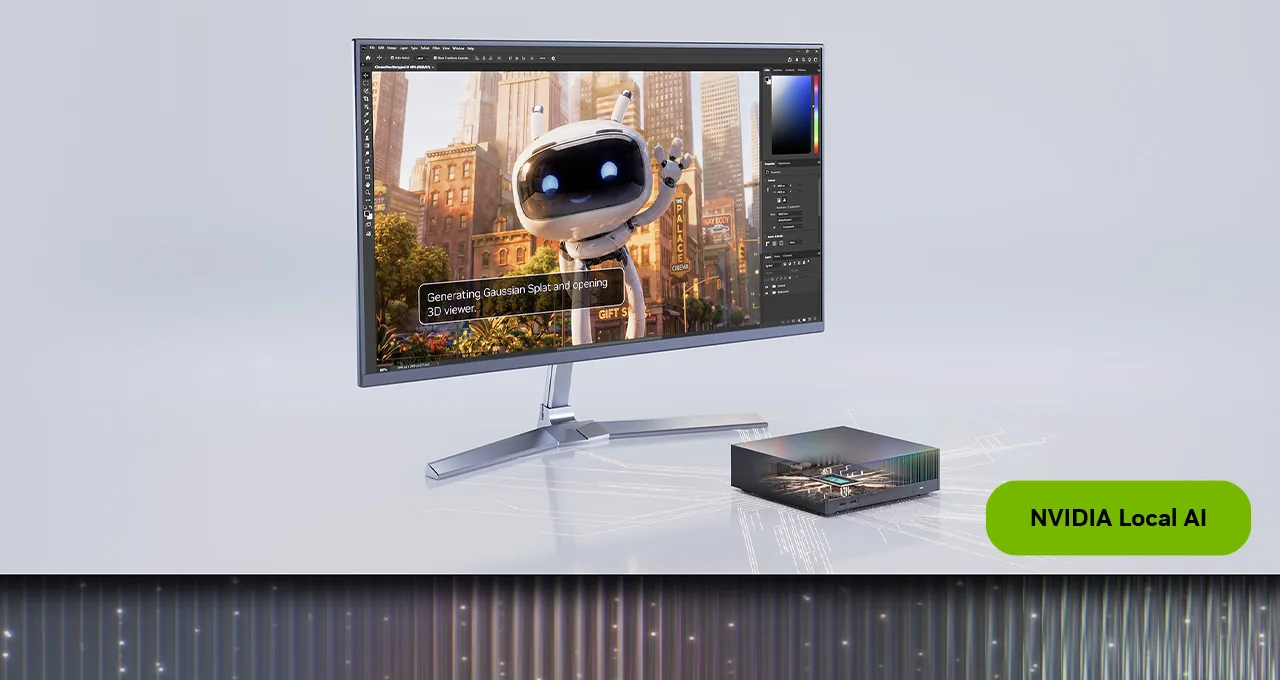
Tight hardware supplies create a sharp contrast between enthusiast experimentation and ordinary consumer access. Chacos pointed out that enthusiast desktops enable new local computing habits, but rising component expenses risk turning personal computing into a luxury. What good is a revolution in personal computing if basic access becomes a luxury? With Nvidia earning the vast majority of its profit from enterprise data centers, consumer desktops remain a minor slice of overall company revenue [1].
- ONLINE NEWS Barr, K. (2026, November 18). Nvidia’s RTX Spark desktops imagine they can actually compete with the Mac Studio. Gizmodo. [Article Link]
- PRESS RELEASE Walker, J. (2026, November 18). NVIDIA RTX Spark compact desktops out now. NVIDIA Blog. [Article Link]
- ONLINE NEWS Chacos, B. (2026, November 18). I’m furious that I love Nvidia’s RTX Spark so much. PCWorld. [Article Link]


