



Did players anticipate regional cuts when Sony Interactive Entertainment launched its premier superhero epic? Emerging discussions around Marvel’s Wolverine censorship confirm that copies distributed in select international territories quietly omit narrative depictions of LGBTQ relationships. User footage highlights muted voice lines, redacted subtitles, and blurred wedding photos featuring non-playable characters Mystique and Tyger. Insomniac Games published the action-adventure blockbuster under publisher Sony Interactive Entertainment on September 15, 2026 [2].
Marvel’s Wolverine Censorship Uncovered by Players
Reports detailing Marvel’s Wolverine censorship first gathered momentum across Reddit and X, where early purchasers uploaded direct side-by-side comparisons of cutscenes and interactive moments. The alterations appeared abruptly. Gaming publication Kotaku soon spotted the social media posts, drawing mainstream attention to the missing content. Players recognized that spoken references to same-sex affection had vanished entirely from specific local builds without any explanatory patch notes from the studio [1].
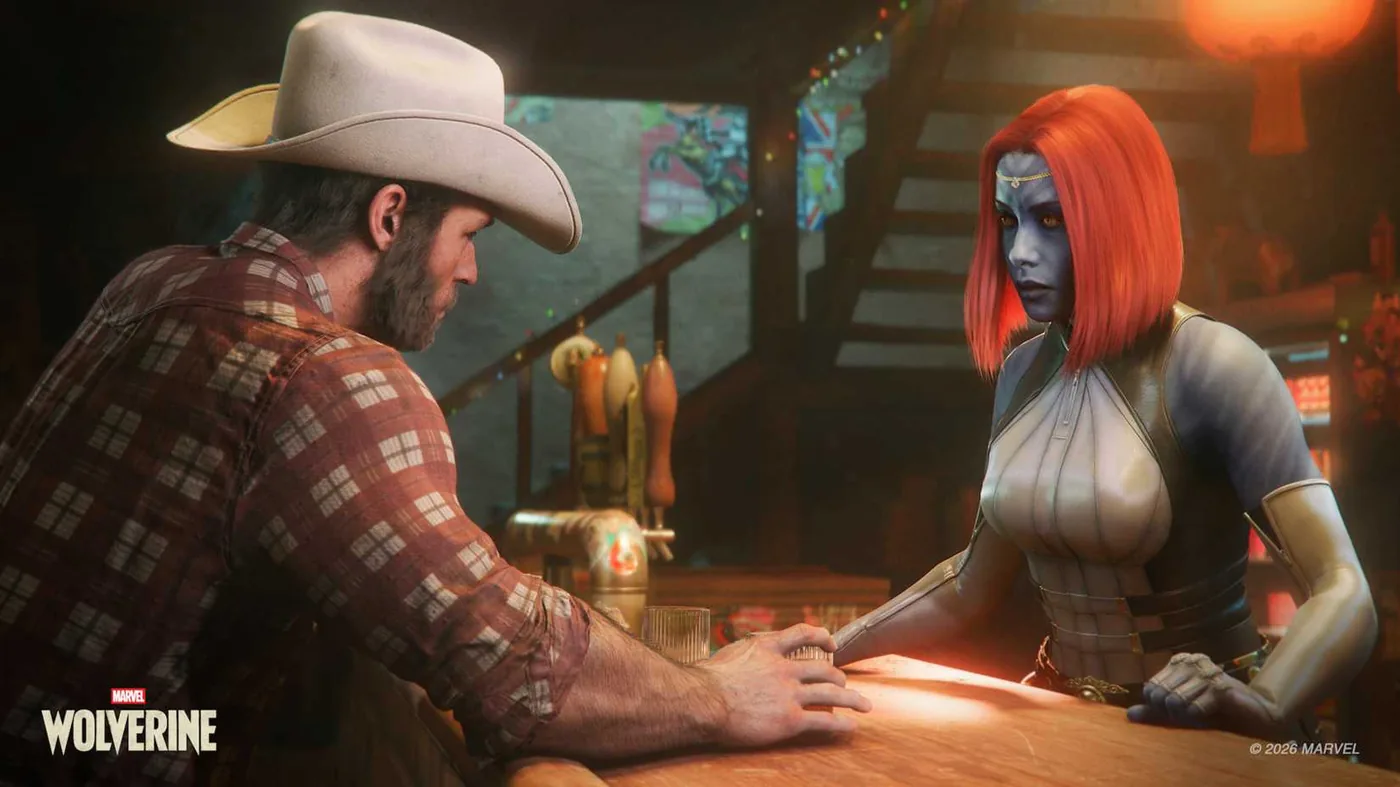
Much of the concrete evidence came from Reddit contributor Squeakyyy, who shared video captures demonstrating how regional versions treat two non-playable female characters. The recorded gameplay showed that every spoken line acknowledging that Mystique and Tyger are married or love one another cuts off mid-sentence. When Logan interacts with their dialogue prompts, the audio stream drops into total silence. The user stated that these severe modifications were active in retail copies distributed across Middle Eastern territories [1].
The unexpected findings fueled immediate frustration among consumers who purchased the retail package expecting an identical creative vision worldwide. Player confusion spread rapidly. Earlier in the production cycle, Insomniac rejected claims regarding AI assets in Marvel’s Wolverine to reassure prospective buyers about genuine studio craftsmanship throughout the entire title. Now, fans found themselves confronting an entirely different controversy centered on localized story cuts [2].
Community reaction intensified as players compared digital releases across adjacent geographical storefronts. The differences remained consistent. Enthusiasts who imported standard North American or European releases confirmed that their versions retained every intimate line of dialogue and visual tribute intact. In contrast, purchasers who relied on local regional distribution networks received software where significant personal backstory elements had been systematically scrubbed [1].
Altered Cutscenes and Blurred Wedding Imagery
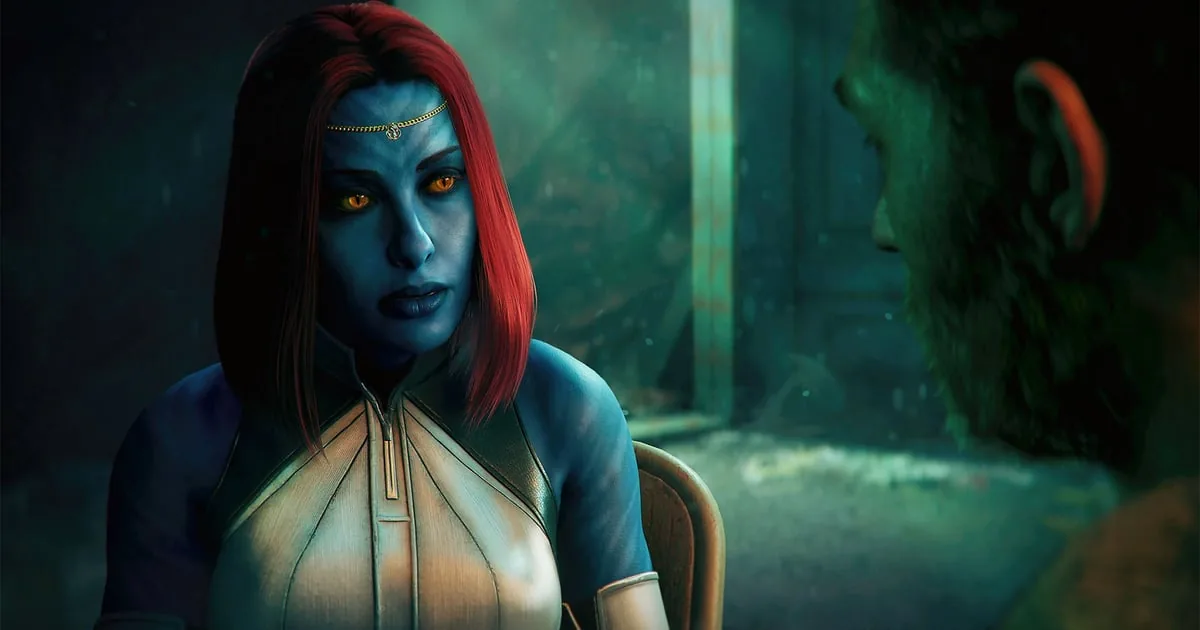
The alterations within the game files target both visual assets and spoken dialogue whenever Mystique and Tyger share narrative focus. When a player navigates Logan through the environment and inspects Mystique’s locker, an in-game photograph showing the couple on their wedding day appears heavily blurred across the entire display screen. Furthermore, during cutscenes where either character speaks the word ‘wife’ or confesses personal devotion, the audio track cuts out abruptly without warning. On-screen subtitles replace those affectionate statements with stringed asterisks, ensuring that players cannot read what the voice actors originally performed during studio sessions. Such rigorous filtering prevents any direct acknowledgment of the marriage from reaching the audience during active gameplay sequences [1].
Why did the localized release lack an optional toggle for mature audiences? Disappointed community members argued that adult players should retain access to unaltered artistic content in private households. The reality of Marvel’s Wolverine censorship offered no internal menu toggle or bypass setting, forcing every purchaser of that localized SKU (stock keeping unit) into the edited script. The differences were unmistakable. That inflexibility drew severe condemnation across discussion boards [2].
The situation grew increasingly polarized as video clips circulated across digital platforms. While numerous players expressed genuine sorrow over the suppressed representation, less-than-desirable internet crowds celebrated the removals as a victory for their ideological agendas. The resulting arguments highlighted how localized video game adaptations frequently become battlegrounds for broader societal disputes [2].
Insomniac created an emotionally grounded relationship between Mystique and Tyger that many fans viewed as a highlight of the broader comic narrative. Stripping away that marital context fundamentally changes how their character motivations resonate throughout the campaign. Observers pointed out that removing verbal affirmations leaves several conversations sounding disjointed, as characters appear to react to sentences that the local player never actually hears [2].

Sony Precedents in Middle Eastern Markets
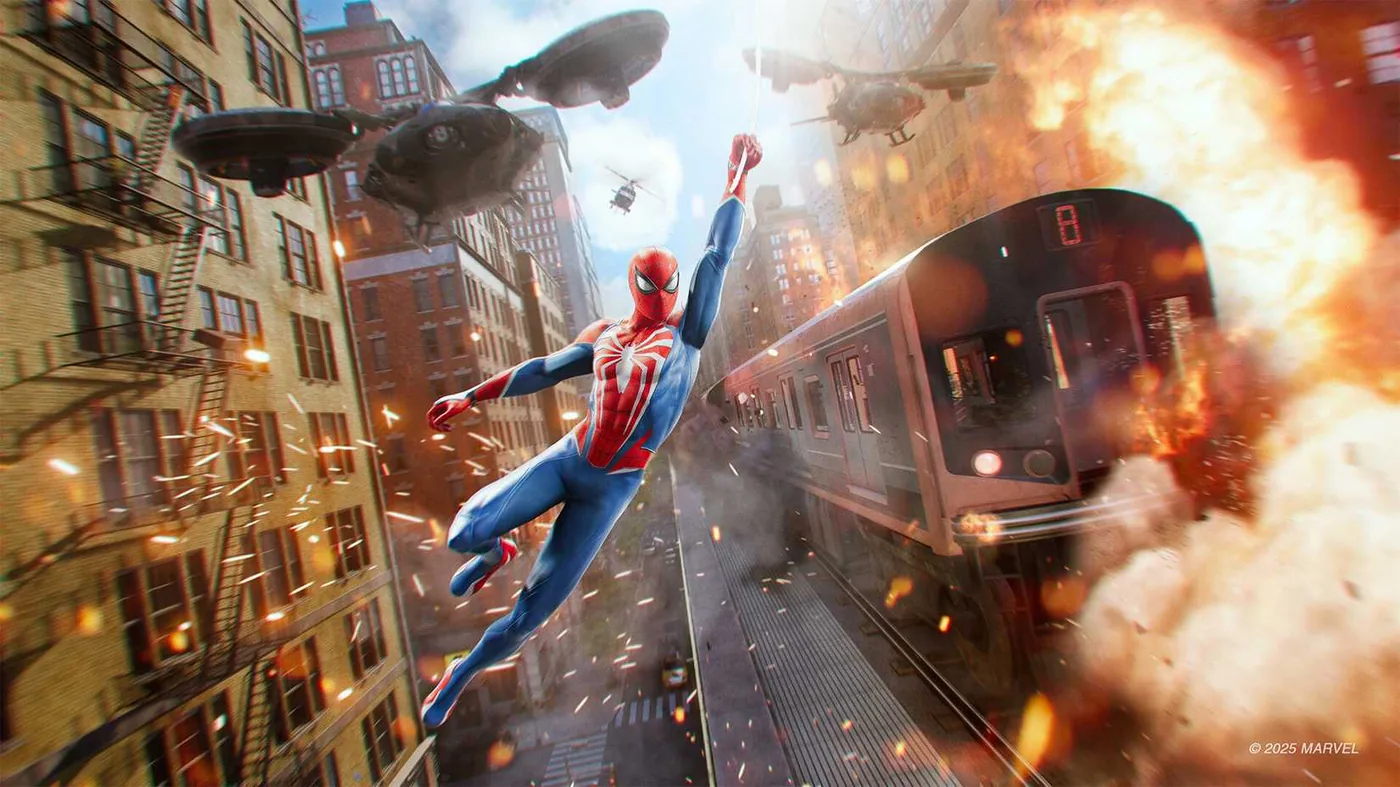
Discussions surrounding Marvel’s Wolverine censorship echo previous distribution strategies employed by Sony Interactive Entertainment and Insomniac Games. Back in 2023, Marvel’s Spider-Man 2 faced comparable regional adjustments prior to launching across Middle Eastern retail channels (such as in-game Pride flags and side quest dialogue). Sony chose to scrub in-game Pride flags from New York City streets and heavily overhauled a side quest centered around a gay couple [1].
Those historical edits targeted specific legal jurisdictions, most notably Saudi Arabia and the United Arab Emirates. Regulatory frameworks remain rigid. In both territories, statutory frameworks outlaw homosexuality and all public displays of LGBTQ identity. Distributing unedited interactive media depicting same-sex relationships carries severe regulatory penalties, including outright commercial bans and potential criminal charges for local distribution personnel [1].
Similar regulatory hurdles confront interactive entertainment publishers well beyond the Persian Gulf. Corporate entities such as EA and Roblox Corporation previously wrangled with comparable distribution hurdles when releasing software in Russia, where national legislation similarly prohibits depictions of homosexuality. Navigating these disparate statutory barriers forces multinational enterprises to choose between localized compliance or complete market exclusion [1].
When global developers face state-mandated censorship laws, the business imperative to reach international audiences regularly clashes with narrative authenticity. Platform holders must weigh the ethical consequences of altering marginalized characters against the practical reality of having their multimillion-dollar software locked out of entire sovereign territories [1].
Commercial Stakes and Rating Controversies
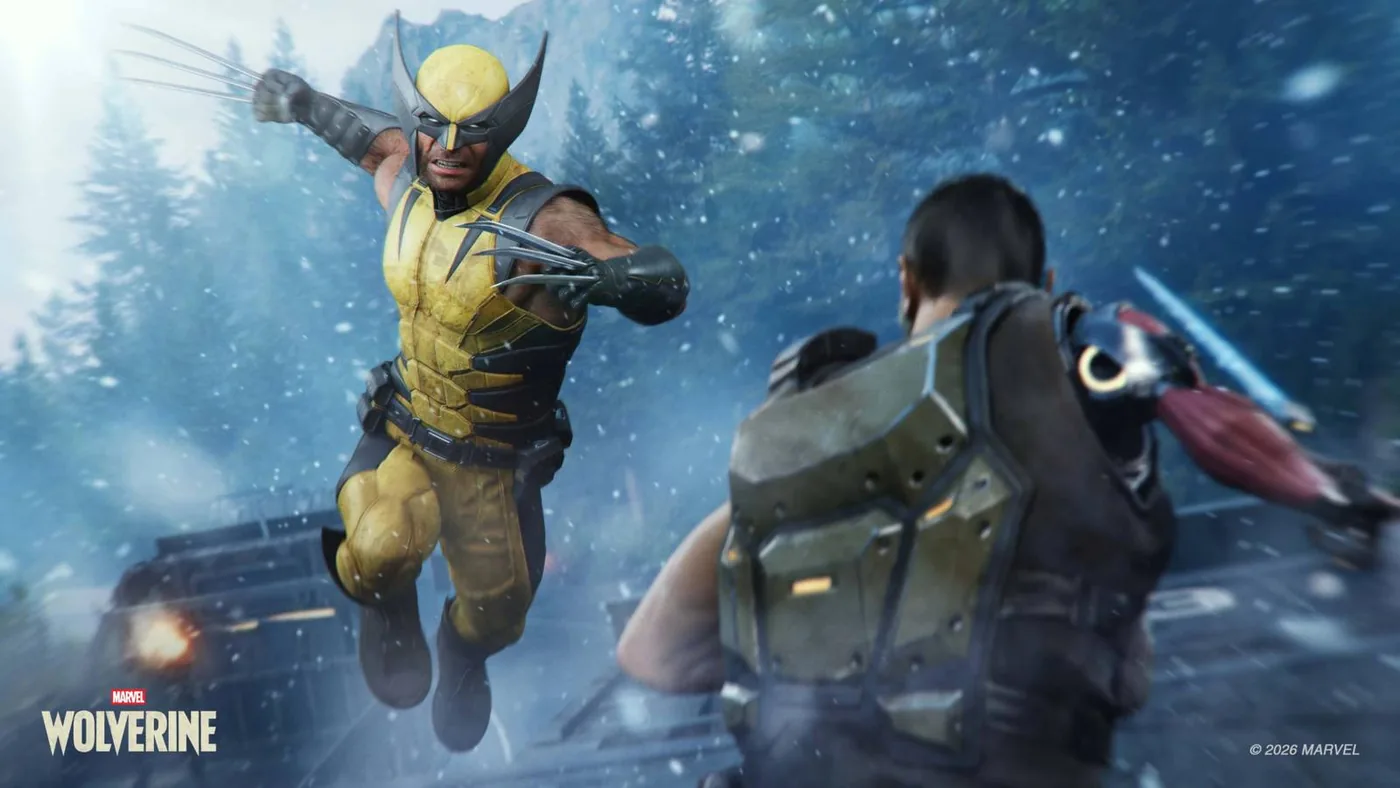
Financial calculations play an undeniable role in corporate compliance decisions. Major publishers depend heavily on international sales figures to recoup massive development budgets. Marvel’s Wolverine arrived in stores bearing an ESRB rating of Mature 17+ due to blood, gore, drug references, intense violence, partial nudity, and strong language. Despite containing mature content across every other category, the game could not escape localized censorship regarding romantic relationships [2].
The title landed amid intensely debated reception across critical outlets. Aggregated statistics on OpenCritic (aggregating dozens of verified reviews) showed a top critic average of 79/100 with 65% of reviewers recommending the title, reflecting sharp divisions over pacing and sensory tracking mechanics. Reporting from TheGamer noted that as detailed in our analysis of divided critical reviews for Marvel’s Wolverine, commentators questioned gameplay difficulty, navigation systems, and controversial scent trails before developers patched the game. While developers recently regained goodwill by refining those tracking mechanics, the censorship revelations reignited frustration among players [2].
Why tolerate graphic violence while expunging consensual marital affection? Critics observed a jarring paradox in permitting intense combat while silencing references to a loving partnership. Public debates over Marvel’s Wolverine censorship highlighted a striking paradox where corporate risk assessment accommodates visceral dismemberment, yet recoils before regional socio-political sensitivities regarding sexual orientation [2].
The contrast between graphic combat and suppressed romance illustrates the complex boundaries governing commercial entertainment. While regional rating boards readily approve mature action sequences featuring lethal claw attacks and heavy bloodshed, any visible affirmation of queer identity triggers immediate administrative intervention [2].
Studio Silence and Global Community Reactions
Neither Insomniac Games nor Sony Interactive Entertainment has released an official statement explaining the edits [2].
Journalists at Game Developer formally contacted PlayStation representatives to determine whether software alterations apply to every Middle Eastern territory, but corporate leadership provided no immediate clarification. Silence fuels persistent speculation. Gamers remain uncertain whether the alterations affect every jurisdiction across the Middle East or extend into additional international territories. That absence of communication leaves consumers unable to determine which regional PlayStation Network stores distribute the complete creative work [1].
International gaming enthusiasts have voiced concern over the lack of unlabeled regional edits on commercial storefronts (including digital download codes and physical discs). When regional censorship occurs without clear consumer labeling, buyers cannot make informed purchasing decisions before spending premium retail prices on altered merchandise. Without official guidance from PlayStation, community members must crowdsource technical documentation to identify which specific SKU builds retain unedited cutscenes and voice acting tracks [2].
As digital distribution expands across varied legislative territories, Marvel’s Wolverine censorship exposes the persistent friction between artistic integrity and commercial compliance. Players seeking uncompromised narrative storytelling must continue monitoring regional software classifications and independent retailer origins before purchasing physical or digital editions. The dialogue between multinational publishers, regulatory boards, and international gaming audiences remains fundamentally unresolved [1].
- ONLINE NEWS Francis, B. (2026, September 21). LGBTQ content in Marvel’s Wolverine censored for some regions. Game Developer. [Article Link]
- ONLINE NEWS Garrard, S. (2026, September 21). Marvel’s Wolverine seemingly forced to censor lesbian relationship. TheGamer. [Article Link]


