





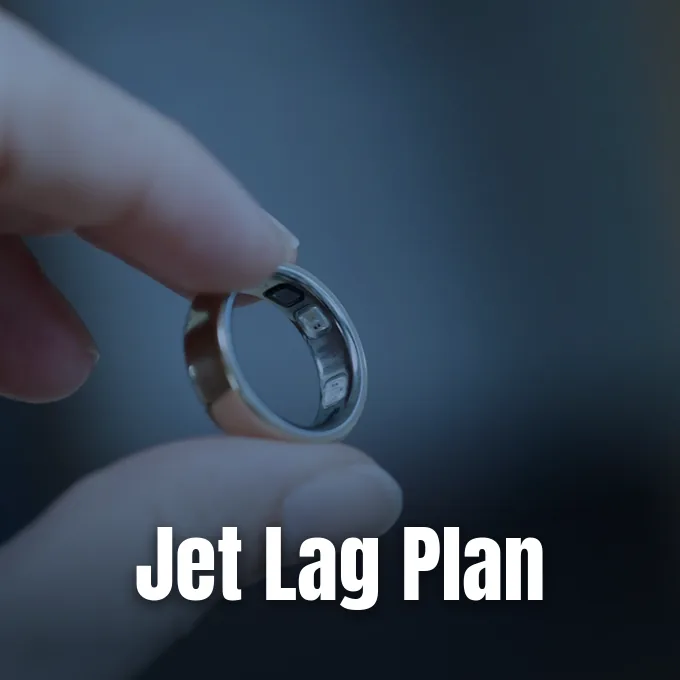
Oura launched its Jet Lag Plan tool on November 17, 2026, giving ring wearers personalized daily schedules to adjust their sleep cycles when flying across multiple time zones [3]. The new Oura Ring jet lag system uses past sleep logs, body temperature trends, and personal habits to reduce the physical grogginess that often follows long flights [1]. Travelers who cross at least three time zones receive specific steps for sunlight exposure, caffeine cut-off hours, and rest intervals before and after arrival [2].
How Oura Ring Jet Lag Tracking Works
The system targets trips crossing at least three time zones, where natural biological clocks fall out of step with destination wall clocks [3]. Long flights disrupt appetite and nighttime rest [2]. To address that shift, Anna Gragert of CNET reported that Oura combined member sleep records with findings from a March 2025 study led by the National University of Singapore. The Singapore research team reviewed anonymized logs from over 57,000 Oura members, assessing 1.5 million nights of rest before and after 65,000 long-distance journeys [3].
At the center of the feature is an estimate of each member’s circadian low point, which marks when body temperature drops to its lowest level. For most people, this low point arrives near 4 a.m. in their home environment. When someone lands in a distant country, this internal temperature rhythm stays tied to their home region for several days, leaving travelers exhausted at midday and wide awake past midnight [2]. The Oura Ring jet lag tool identifies this timing to pinpoint when sunlight advances the body clock and when bright light delays it [1]. Sleep adjustments without light exposure often fail because the central pacemaker in the brain relies on daylight cues [3].
A flight from India to the United States, for example, forces passengers to stay awake while their biological clock signals deep night. By setting clear hour-by-hour windows for sunlight and rest, the ring shortens recovery time [2].
Creating a Plan in the App
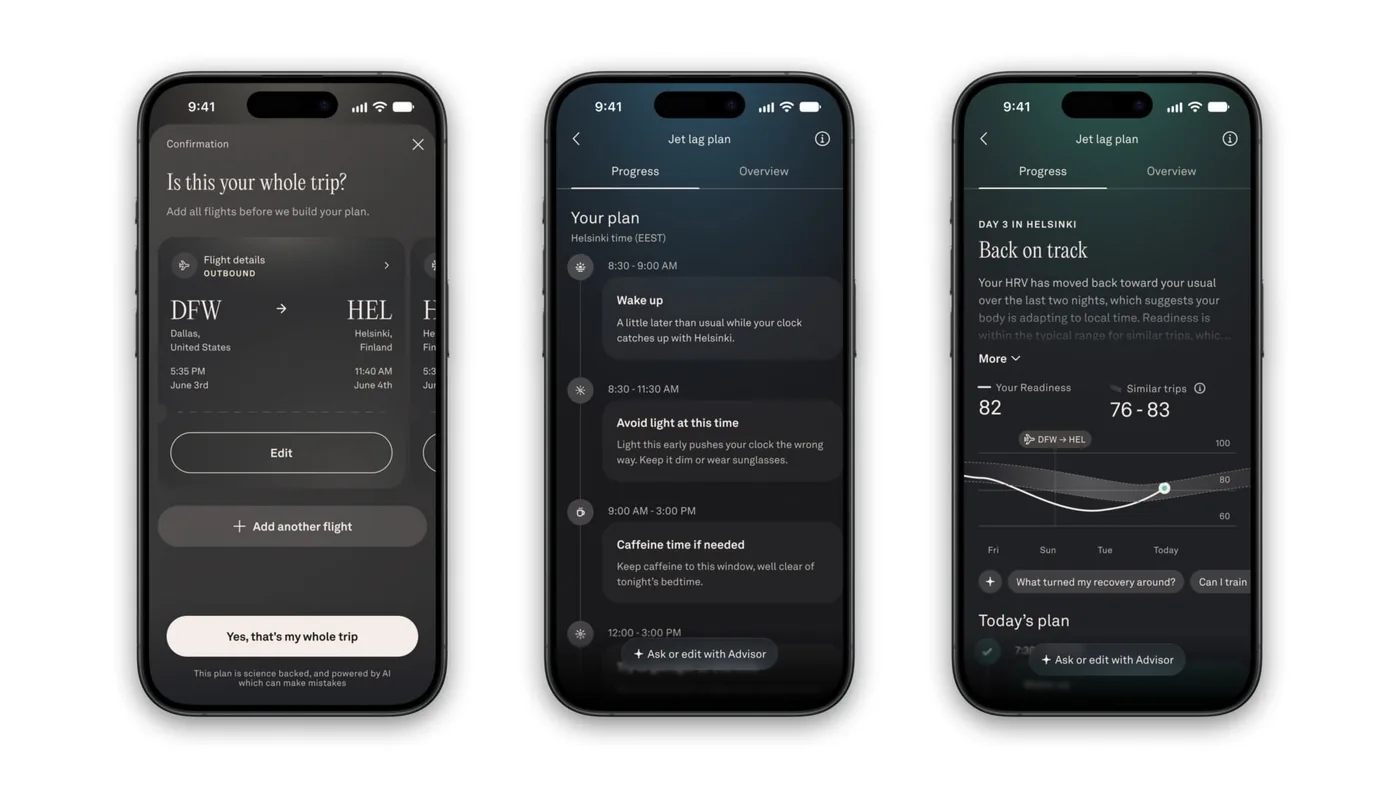
Members can set up a travel plan through four separate paths inside the Oura mobile app. Wearers can tap the plus icon in the Today tab, open the main menu to choose the Jet Lag section, or instruct the AI-powered Oura Advisor chatbot to build their itinerary [3]. The setup takes minutes [2].
If travelers forget to log plans beforehand, the app detects when the smartphone enters a new time zone and prompts them to set up an itinerary [2]. Travelers enter flight times and the specific purpose of the trip [1]. Oura separates business travel from vacation travel because each journey brings distinct daily constraints. A business traveler might need peak alertness for morning meetings right after an overnight flight, whereas a vacationer can afford a slower morning and more gradual daylight exposure [3]. The resulting plan populates reminders for four basic actions: seeking sunlight, avoiding bright light, winding down, and cutting off caffeine [2]. If meetings run late or flight legs change, users can ask the in-app Advisor to adjust the schedule through simple text prompts [1].
As travelers check off recommendations, the software logs progress while maintaining sleep tracking [1]. The ring samples resting heart rate and skin temperature changes during rest periods to evaluate how the body handles the time change. Notifications alert wearers on their phones when a light avoidance window begins or when they should stop drinking caffeinated drinks [2]. This structure provides clear checkpoints instead of guessing when to step outside [1].


Chronotype Profiles and Recovery Data
Personalization depends on each user’s chronotype [2]. Oura assigns one of six chronotypes by evaluating 40 to 90 days of sleep timing, daytime activity, and average body temperature trends across members. The categories range from early morning type through late evening type, giving the algorithm a reliable baseline that can shift over several months as lifestyle and seasonal habits evolve. Morning types traveling westward over multiple time zones need afternoon light, while night owls flying eastward require morning sunlight to advance their internal clock [3].
During the journey, the app lets members compare their daily Readiness score to baseline recovery metrics [2]. This comparison draws from aggregate data collected from 10 million trips taken by Oura members over several years [3].
Once a trip ends, the app compiles a post-travel recovery report comparing sleep duration, heart rate variability, and Readiness scores against pre-flight baselines [3]. It shows how quickly biological rhythms normalize. Android Authority writer Shimul Sood noted that these post-trip insights also offer practical suggestions to help travelers plan more effective routines on future flights [2].
Research Behind the Oura Ring Jet Lag Rollout
The science connecting circadian rhythm adjustment to light exposure has been documented in sleep research, but consumer wearables have rarely translated those biological insights into structured travel routines [1]. Jet lag occurs when the central clock in the brain is out of sync with external light and dark cycles. Biological studies into seabird jet lag on ocean crossings indicate that wild animals also experience circadian strain during high-speed migrations. For human passengers, artificial cabin lighting and nighttime screen use often make circadian misalignment worse. By tracking resting heart rate and skin temperature continuously, the Oura Ring jet lag algorithm estimates how external lighting changes interact with internal biology [3]. This approach gives travelers concrete timing for daylight instead of relying on generic advice [1].
To build a model that reflects real travel conditions, Oura collaborated with the National University of Singapore on an observational study. Researchers tracked sleep shifts across 65,000 trips using 1.5 million nights of objective sleep data [3].
Traditional travel advice often relies on static charts that tell passengers to shift bedtime by one hour each night before departure. In practice, busy work schedules make multi-day pre-adjustments difficult for most people to maintain [1]. The Singapore study showed that sleep disruption often lingers for several days after arrival even when travelers feel awake [3]. Targeted light timing gives users practical steps that fit around real flight itineraries [1].
Garmin and Whoop Feature Comparisons
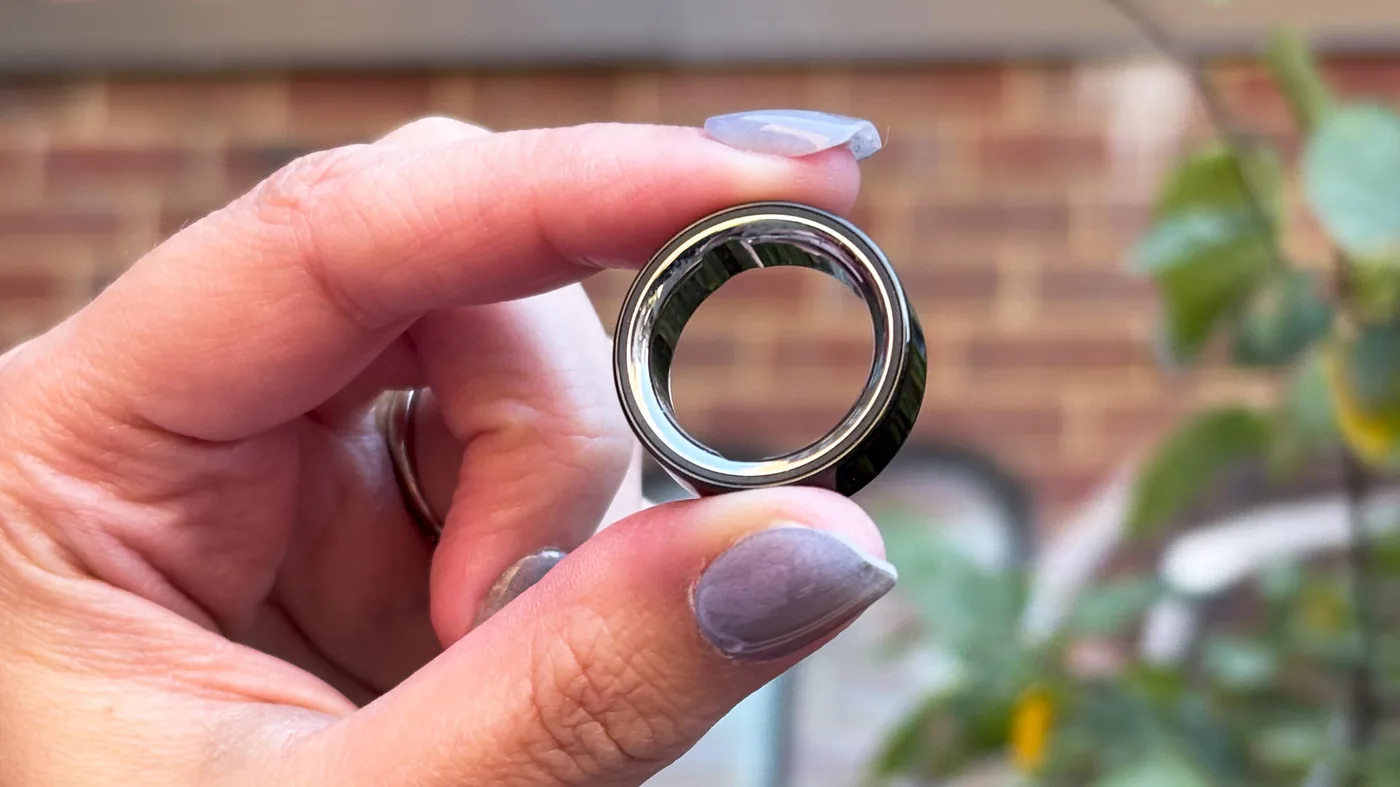
Oura is not the only smart health device maker targeting circadian disruption, but other wearable brands take different approaches to travel planning. Garmin smartwatches include a tool named Jet Lag Adviser, which estimates circadian disruption and lets users check their jet lag level directly on their wrist. Garmin provides sleep and activity recommendations, but its interface is less flexible for multi-stop flights and does not adjust plans based on trip purpose. Whoop offers a Sleep Planner tool with an integrated AI assistant that helps athletes plan rest windows, yet it is designed around overall training readiness rather than jet lag management. Gizmodo reporter Ian Carlos Campbell observed that Oura recently added cardio health features before introducing this travel tool, giving subscribers another reason to maintain their paid memberships [1].
Form factor also influences sleep tracking. Many people find wearing a bulky smartwatch to bed uncomfortable, making a lightweight smart ring an attractive choice for overnight monitoring. That comfort helps collect weeks of uninterrupted baseline data before any trip begins [1].
The Jet Lag Plan began rolling out globally on November 17 for members using an Oura Ring Gen 3 or newer with app language set to English [1]. The feature runs on both Android and iOS devices. Hardware pricing for the newer Oura Ring 5 starts at $399, while an active Oura digital membership costs $6 per month or $70 per year [3]. Existing members with supported hardware can access the Oura Ring jet lag features at no extra charge beyond their regular subscription [1].
- ONLINE NEWS Campbell, I. C. (2026, November 17). Oura Has a Plan to Help You Deal With Jet Lag. Gizmodo. [Article Link]
- ONLINE NEWS Sood, S. (2026, November 17). Oura Ring’s new Jet Lag feature helps you adjust to different time zones. Android Authority. [Article Link]
- ONLINE NEWS Gragert, A. (2026, November 17). Oura Ring Adds a Jet Lag Feature for Time Zone Travelers. CNET. [Article Link]


