





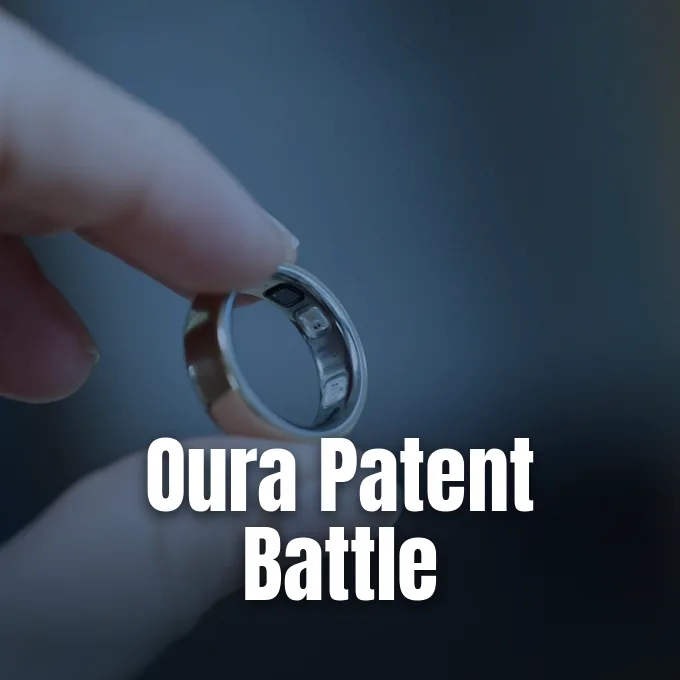
Finland-based wearable maker Oura filed a federal patent infringement case against India-based rival Ultrahuman on October 22, 2026, seeking to block American sales of the Ring Pro smart ring [1]. The new Oura ring lawsuit in a Texas federal court claims that the revised hardware infringes two patents covering device styling and onboard sensors [3]. Oura asked the court for financial damages and an import ban to keep the Indian device off store shelves in the United States [1].
Fresh Claims Against Ring Pro
The legal battle focuses on the Ultrahuman Ring Pro, a device that Bengaluru-based startup Ultrahuman released in February to re-enter the American market after an earlier import ban [1]. In court documents filed in Texas, Oura named both Ultrahuman and Plano-based circuit maker SVTronics as defendants [3]. Oura claims SVTronics builds the device inside its Texas factory under instruction from Ultrahuman leaders [4]. According to the filing, both companies violate patent rights through the local assembly, import, and sale of the ring [1]. The case lands after Ultrahuman spent months building up its retail reach across the country [3]. Oura argues that this assembly deal was set up to bypass trade barriers [1].
The fight revives tensions from August 2025, when Oura won an import ban from the International Trade Commission (ITC) against the older India-based Ultrahuman Ring Air [4]. The trade agency barred imports of the earlier ring after finding patent violations. But Ultrahuman altered its hardware to create the Ring Pro [1].
Oura argued that the new model did not fix the infringement issues. In a statement to TechCrunch reporter Jagmeet Singh, an Oura spokesperson said: “Ultrahuman has a history of copying Oura’s innovations, as demonstrated by the 2025 ITC ruling against the company.” The spokesperson added that Ultrahuman rolled out a revised ring but failed to resolve ongoing patent conflicts, trying to ride on Oura’s market lead [1].
What the Oura Ring Lawsuit Claims
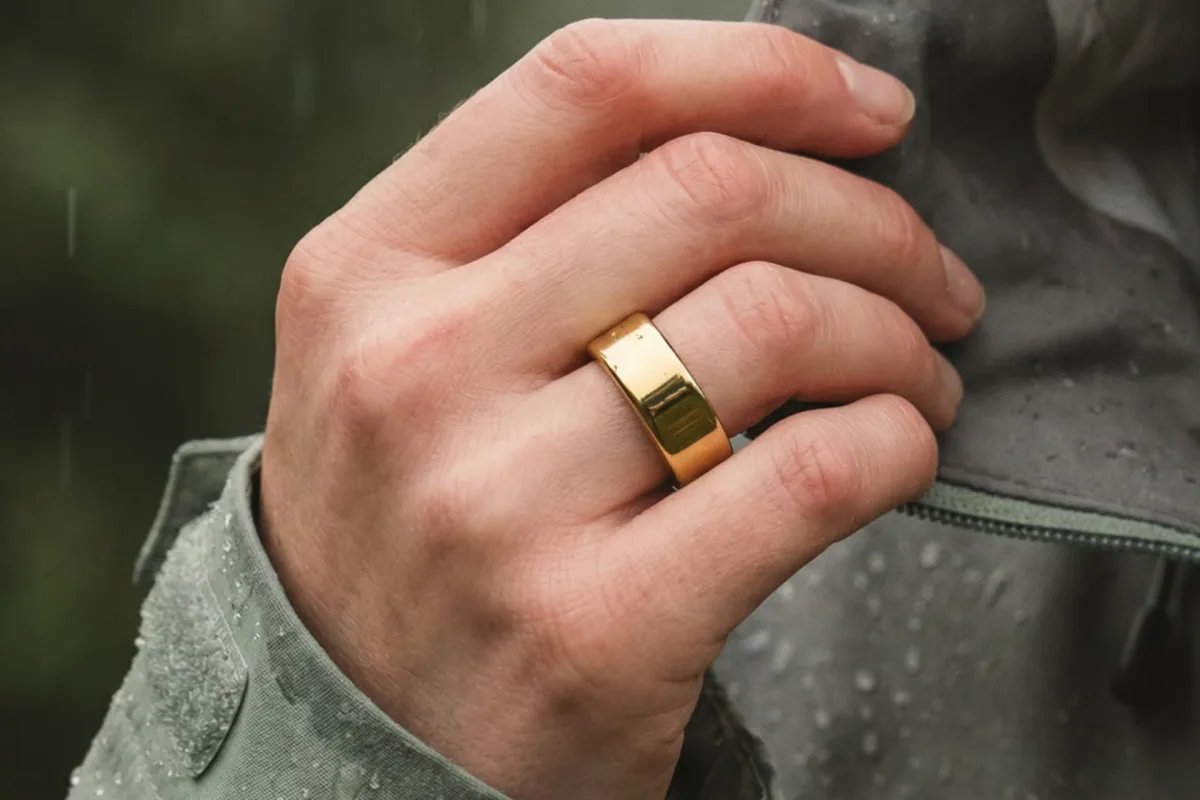
The legal filing centers on two United States patents that protect the outer look and hardware layout of smart rings [3]. Patent D804,471 covers the outer cosmetic styling of the ring shell [1]. Meanwhile, patent 12,769,363 outlines a ring body built with compact hardware parts [4]. These parts include a curved battery cell, a circuit board, magnets, and onboard sensors [1]. Because space inside a finger ring is tiny, fitting power cells and circuit boards without losing user comfort creates hard engineering tests for ring makers [2]. Oura claims Ultrahuman copied these exact packaging methods for the Ring Pro instead of making its own layouts [1]. The court filings describe exact spatial setups needed to keep the ring light while gathering body data [3].
Patent 12,769,363 was issued on October 20. Federal officials granted the patent to Oura just two days before attorneys filed the Texas case [1]. The short gap suggests Oura acted quickly to enforce its legal rights once the patent went through [2].
Coverage in Android Authority by Chethan Rao noted that the Oura ring lawsuit aims at core hardware builds rather than software apps [3]. By pressing claims on curved batteries, magnets, and board layouts, Oura wants to curb how competitors build small health rings [1]. If Texas judges back Oura, rival firms may find it tough to design thin rings that stay clear of Oura’s broad patents [4].


Ultrahuman Pushes Back Against Allegations
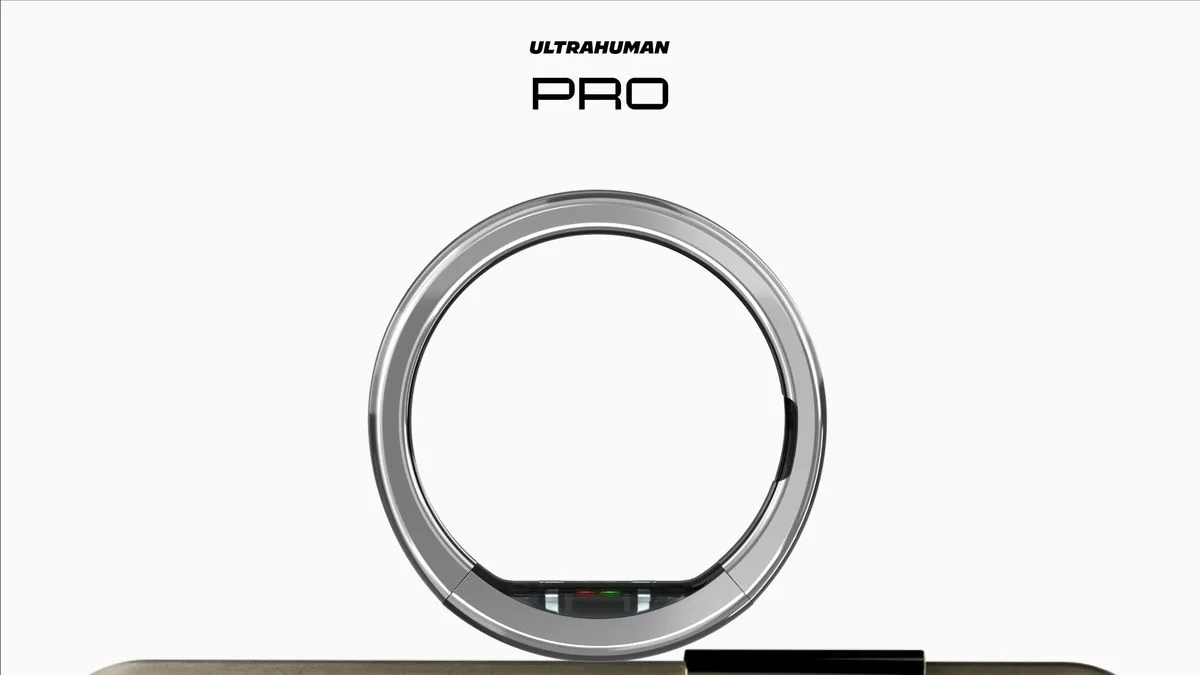
Ultrahuman defended its design and said the Ring Pro meets all US trade rules. Customs approved the import in March [1]. After the prior fight over the Ring Air, US Customs and Border Protection inspected the Ring Pro and decided the new ring did not breach the patent weighed in that case [4].
Ultrahuman co-founder and chief executive officer Mohit Kumar pushed back against Oura’s fresh lawsuit in remarks to tech reporters [1]. Kumar said: “Oura has now chosen to assert different patents, including one that issued just two days before this lawsuit was filed.” He stated that the Bengaluru firm will fight the charges in court [3]. Kumar added: “We will address these claims through the appropriate legal process and will defend our position vigorously. There is no court order affecting Ring Pro, and it remains available to customers in the US.” Presently, Kumar noted that no court has halted sales, so the Ring Pro stays on sale for US shoppers [2]. Kumar expressed total faith in the independent engineering behind the Ring Pro [1].
Speaking to Engadget writer Steve Dent, an Ultrahuman spokesperson repeated that the Ring Pro redesign cleared outside trade reviews before shipping to buyers [4]. Ultrahuman said the ring carries an updated heart sensor and runs for two weeks on a single charge [3]. The firm argues these hardware steps cleanly set the Ring Pro apart from past models [1].
Past Disputes and Import Bans
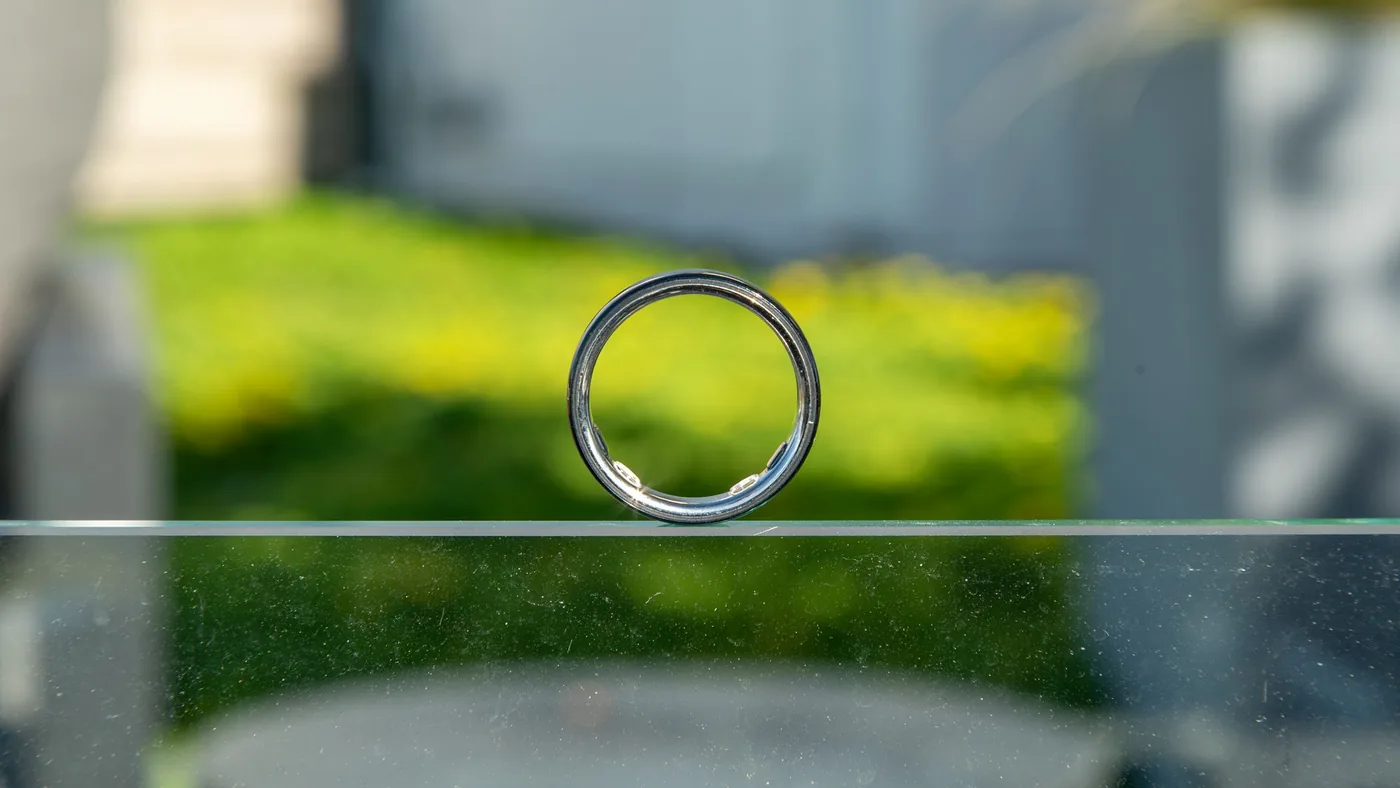
The feud between both ring makers dates back to 2023, when Oura first challenged the Ring Air. The dispute grew in 2024 when Oura took its case to the International Trade Commission. In August 2025, the trade body ruled for Oura, finding that Ultrahuman broke valid patent laws [1]. That choice led to an import ban that forced Ultrahuman to pull the Ring Air from US stores, while it stayed on sale across European markets [4].
Ultrahuman sued Oura in 2025. In that action, Ultrahuman claimed Oura’s Ring 4 copied its patented sleep tracking and women’s health tools. Ultrahuman framed the case as a stand for open health data and Indian tech work [2].
Away from courtrooms, both firms run very different business models described by Nickolas Diaz at Android Central. Ultrahuman sells its tools without monthly fees through PowerPlugs, and it teamed up with HealthEx to bring medical records into the app so users can share them with doctors. It also launched a Heart Scan tool for Ring Pro that checks heart status in sixty seconds. In contrast, Oura charges a monthly membership fee on top of ring sales to fund app tools and health research [2].
How the Oura Ring Lawsuit Affects Competitors
The case against Ultrahuman forms part of a broad patent push by Oura against multiple ring makers, including Samsung, RingConn, Circular, and Zepp Health [1]. Samsung sued first. Samsung filed a suit seeking protection from patent claims, but a San Francisco District Court dismissed that case, prompting Oura to file its own action over the Galaxy Ring [3, 4]. Meanwhile, RingConn and Circular chose to sign licensing deals and pay fees to Oura [1]. Oura also won military contracts hosted on Palantir systems [4].
The court cases play out as buyer demand for smart rings climbs. Research group International Data Corporation (IDC) projects global ring shipments to rise 12.8% this year to 4.9 million units, reaching about 6.3 million by 2030. Even with that growth, Oura paused its planned $2.2 billion stock market listing due to market doubt. Meanwhile, funders including Qualcomm Ventures and Labcorp backed Ultrahuman with $70 million in September, valuing the startup at $365 million. Ultrahuman is now working with Qualcomm on a ring that runs AI models right on the device for health and gaming [1].
Both sides know the Oura ring lawsuit will shape ring competition in the United States [1]. If Oura wins another sales ban, it will protect its lead and slow foreign rivals trying to enter American stores [3]. But if Ultrahuman wins, rival brands will see that they can build sleek rings without facing bans from US judges [1].
- ONLINE NEWS Singh, J. (2026, October 22). Oura sues rival Ultrahuman again, threatening its US smart ring comeback. TechCrunch. [Article Link]
- ONLINE NEWS Diaz, N. (2026, October 23). Oura and Ultrahuman are in court again over a patent dispute. Android Central. [Article Link]
- ONLINE NEWS Rao, C. (2026, October 23). New Oura lawsuit threatens to once again disrupt smart ring market. Android Authority. [Article Link]
- ONLINE NEWS Dent, S. (2026, October 23). Oura sues Ultrahuman (again) to block its latest smart ring from the US market. Engadget. [Article Link]


