




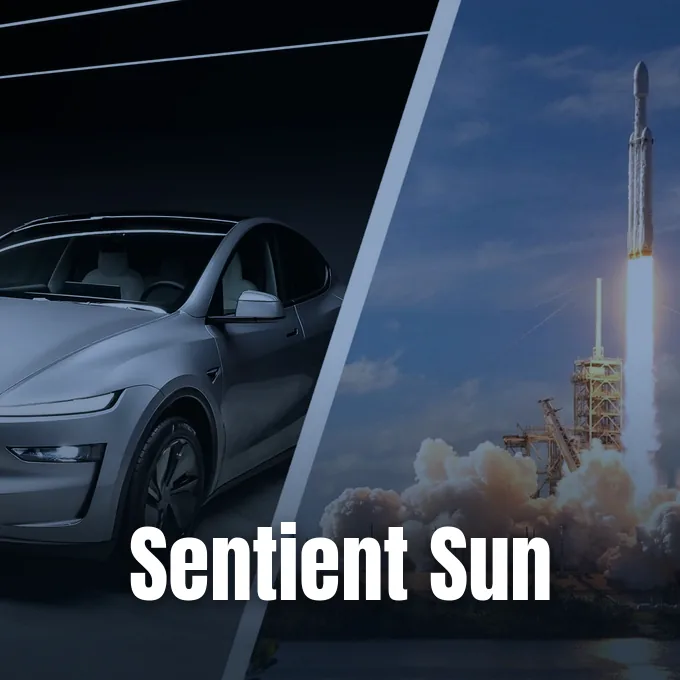
Elon Musk wants to link his planned sentient sun orbital computing cluster to an upcoming corporate merger between SpaceX and Tesla, according to recent regulatory updates and industry reports [1]. Discussions between both boards have picked up speed as advisers work to finalize governance terms ahead of a possible December shareholder vote [2]. The proposed transaction would join rocket manufacturing, satellite networks, electric cars, and energy storage into a single enterprise valued at nearly $3 trillion [1]. That valuation would make the combined business the largest corporate deal on record, surpassing Vodafone’s $183 billion acquisition of Mannesmann in 2000 [2]. While talks are moving quickly toward a year-end target, advisers caution that final terms might slip into early 2027 if regulatory details take longer to resolve [1].
The Sentient Sun Orbital Plan
Musk described the sentient sun as a high-altitude network of orbital data centers that harvest unfiltered solar power in space. The project, known as Starmind, relies on custom satellites carrying dense computing racks and built-in solar panels. Can an orbital computing cluster run efficiently in deep space without physical maintenance crews on standby? Few engineers agree on the answer [1].
Connecting the orbital project to Tesla gives Musk a path to pair solar manufacturing with rocket deployment under one unified roof. Tesla produces solar hardware and stationary batteries, while SpaceX operates the Starship launch system needed to lift heavy hardware into orbit. Bloomberg reported that both corporate boards are actively hammering out terms of the tie-up to define how Starmind assets would fit into the merged entity as negotiations accelerate toward year-end milestones. While Tesla has focused heavily on self-driving software and robotics, folding its battery expertise into SpaceX could give the orbital project a steady supply of energy storage systems needed during long periods out of direct sunlight [1].
The timeline for this combined roadmap depends heavily on boardroom approvals set for late 2026. Tesla holds its annual shareholder meeting on December 3, where investors will vote on the re-election of key board members. Elon Musk, board chair Robyn Denholm, and director JB Straubel are all up for terms running through 2029. December is now the critical test [2].
Solar Manufacturing in Bastrop
SpaceX took a concrete step toward building the constellation by purchasing 100 gigawatts of solar manufacturing equipment from Singulus, a German supplier. The equipment agreement is reportedly valued at $69 million according to industry reports. Musk later clarified that the figure covers production machinery capable of churning out 100GW of panels each year rather than finished cells [1].
Hardware production for the space-bound panels is scheduled to start in 2027 at Musk’s manufacturing facility in Bastrop, Texas. Setting up the production line in Bastrop gives the company close geographic proximity to SpaceX launch operations in South Texas and Tesla’s engineering teams in Austin. Regulatory filings from SpaceX in 2026 show that lifting thousands of solar-backed data satellites into low Earth orbit would demand thousands of rocket launches annually, which industry skeptics warn could generate prohibitive operating expenses over multi-year lifespans. Securing specialized factory tools shows that SpaceX wants full control over panel assembly, ensuring the cells fit the exact structural needs of orbital satellites before mass deployment ramps up across launch facilities [1].
The scale of the Texas facility mirrors Musk’s pattern of folding separate corporate ventures together. Earlier this year, SpaceX completed an estimated $250 billion purchase of xAI, an artificial intelligence startup founded by Musk. That deal followed Tesla’s $2 billion investment in xAI that converted into SpaceX stock [2].

SpaceX and Tesla Merger Terms
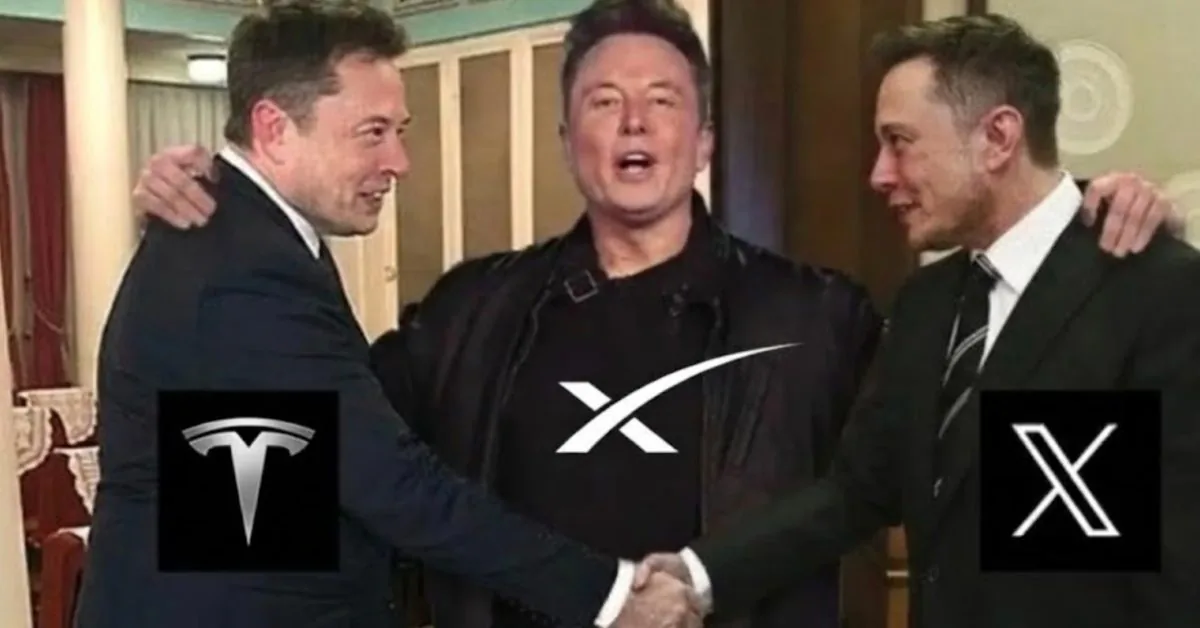
Financial terms under review indicate that SpaceX will absorb Tesla in the proposed transaction. SpaceX carries a private valuation of roughly $1.9 trillion following its June initial public offering, while Tesla trades at approximately $1.5 trillion on public equity exchanges. Swapping Tesla shares for SpaceX stock reflects the relative market weight of both firms and would create an industrial group spanning orbital rockets, broadband satellites, electric vehicles, and home energy products, with Tesla stock rising 1.9% on the news. SpaceX is absorbing Tesla [2].
Both corporate boards previously formed special committees to review merger proposals and weigh independent valuation assessments. Those review panels are now negotiating exchange ratios to determine how many SpaceX shares Tesla stockholders will receive for each share they currently hold. A deal valuing Tesla at $2 trillion would represent a 33% premium over current prices and push the combined valuation past $3 trillion [2].
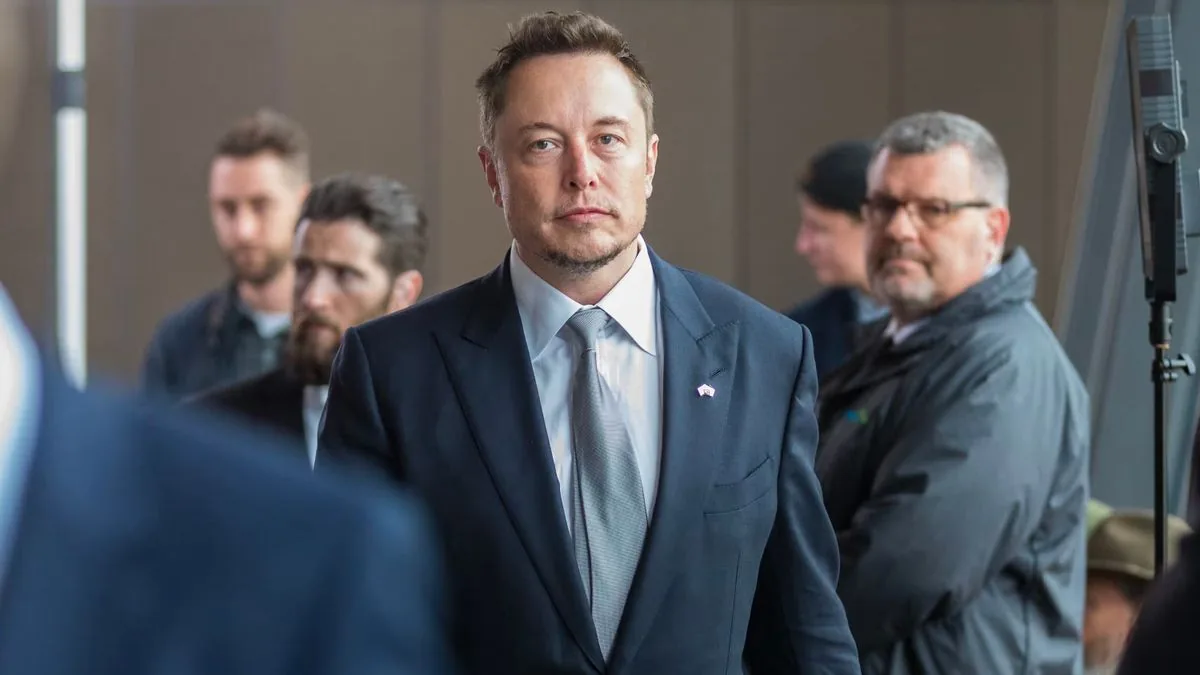
Ira Ehrenpreis, who chairs Tesla’s compensation and governance committees, has also served on the SpaceX board of directors since February. While Musk said independent committees will protect outside investors, critics argue that overlapping leadership makes arms-length negotiations difficult when valuing private space assets against public automotive equity [2].
Voting Power and Executive Payouts
The most consequential issue for Tesla shareholders involves voting rights and long-term control of the combined group. Musk owns roughly 20% of Tesla’s common equity under a standard one-share-one-vote corporate charter. In contrast, he commands about 85% of SpaceX’s voting power through super-voting shares documented in the rocket maker’s S-1 prospectus. Swapping public Tesla shares for SpaceX equity would move automotive investors into a corporate structure where Musk’s voting control is locked in permanently, leaving outside shareholders with little influence over major strategic decisions. Musk keeps total control [2].
The merger agreement also carries significant financial windfalls for Musk personally through existing executive compensation contracts. Under the change-in-control provisions of his 2025 CEO award, operational benchmarks fall away and market valuation hurdles are measured directly at the transaction price, vesting earned tranches immediately. Musk also holds 286 million restricted shares from his 2018 incentive package that accelerate upon a change in control, ensuring a massive equity payout regardless of near-term vehicle deliveries [2].
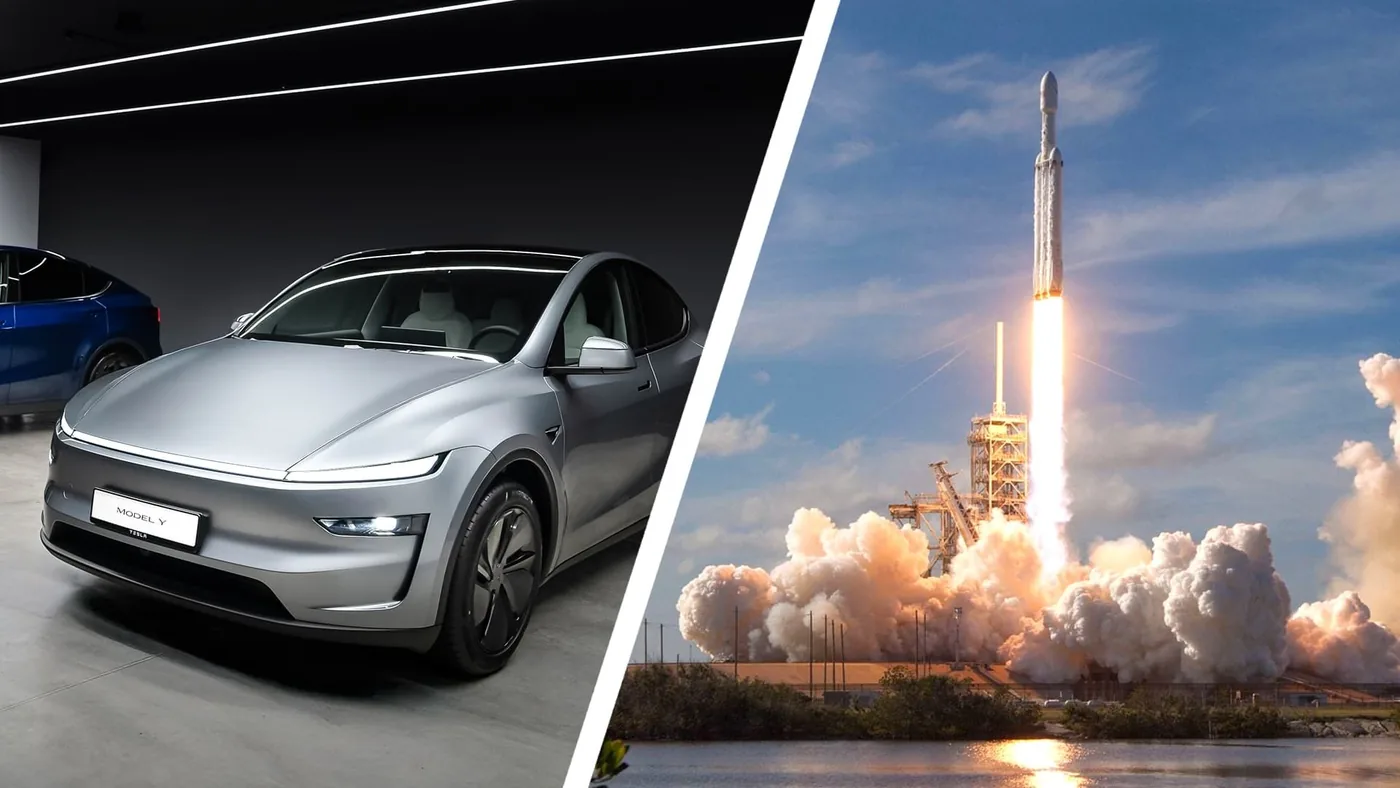
While Musk earlier drew attention when pledging SpaceX shares to American children, his personal voting control remains the primary focus for institutional funds evaluating the proposed swap. Fund managers must decide whether relinquishing public shareholder protections is worth gaining access to SpaceX’s profitable Starlink business and government launch contracts under unified management [2].
How the Sentient Sun Faces Scrutiny
Beyond financial terms and governance fights, the sentient sun concept faces political friction in Washington. Following recent midterms, Democratic lawmakers took control of both congressional chambers and pledged to open inquiries into Musk’s business dealings. Musk’s extensive federal launch contracts with NASA and defense agencies place SpaceX under formal public procurement standards [1].
International operations present an even steeper challenge for regulatory approval, particularly regarding Tesla’s deep industrial ties to China. A financial analyst at JPMorgan described SpaceX’s defense contracts and Tesla’s Chinese manufacturing footprint as key dynamics that are fundamentally at odds with one another. Tesla’s Giga Shanghai facility serves as the automaker’s most productive assembly plant, producing more than half of its global vehicle volume and delivering 67,829 vehicles in October alone. Federal regulators are likely to demand protective firewalls to prevent dual-use space technology from interacting with Chinese supply chains, which could complicate the corporate combination if dealmakers cannot ring-fence automotive factories before congressional scrutiny intensifies in early 2027 [2].
Reports from the Wall Street Journal in July suggested that Tesla considered spinning off its Chinese division, though Musk publicly denied those plans. Finding a viable way to ring-fence the Shanghai factory remains one of the primary obstacles facing dealmakers as deadlines approach [2]. Until formal agreements are signed, however, both the sentient sun constellation and the $3 trillion merger remain contingent on regulatory consent [1].
- ONLINE NEWS Blake, A. (2026, November 13). SpaceX and Tesla mega-merger could happen within weeks. TechRadar. [Article Link]
- ONLINE NEWS Lambert, F. (2026, November 12). SpaceX could announce $1.5 trillion Tesla merger in December: report. Electrek. [Article Link]


