





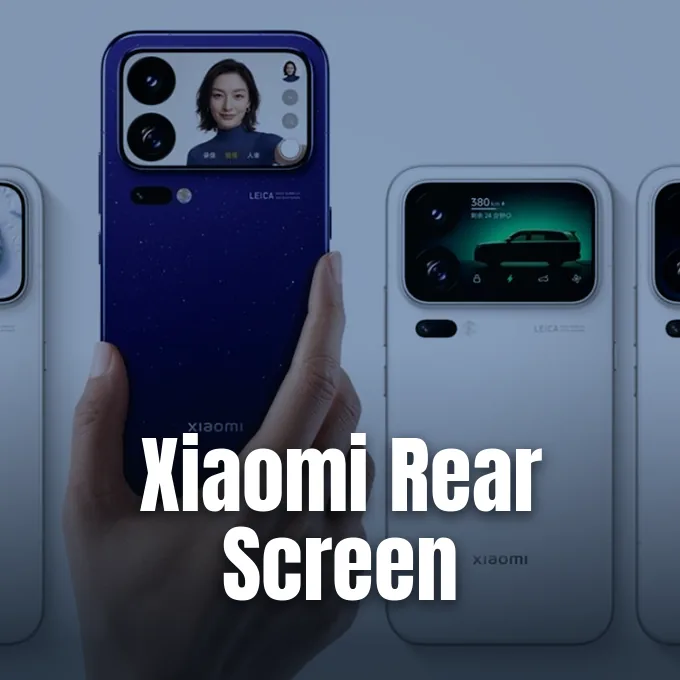
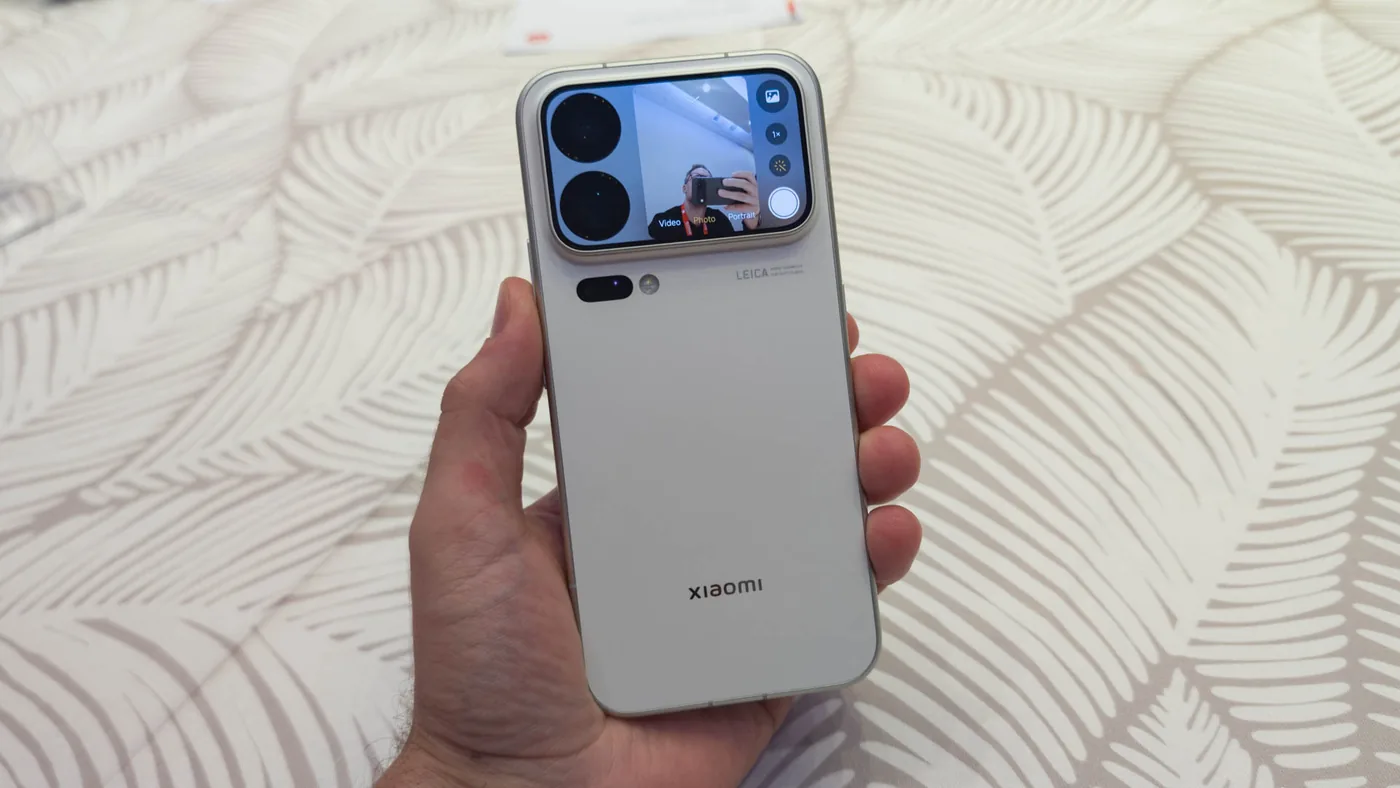
Xiaomi announced on November 12, 2026, that its upcoming Xiaomi 18 Pro smartphone will run Google Maps, Spotify, and YouTube Music on its secondary rear display ahead of next week’s launch event in Paris. The handset features a color touchscreen placed beside the rear camera lenses to display travel routes, media playback controls, and system notifications without waking the main screen. Both phones launch on November 17 [3]. The rear screen gives people quick access to everyday software while the phone rests face down on a desk.
Navigation and Music on the Xiaomi 18 Pro
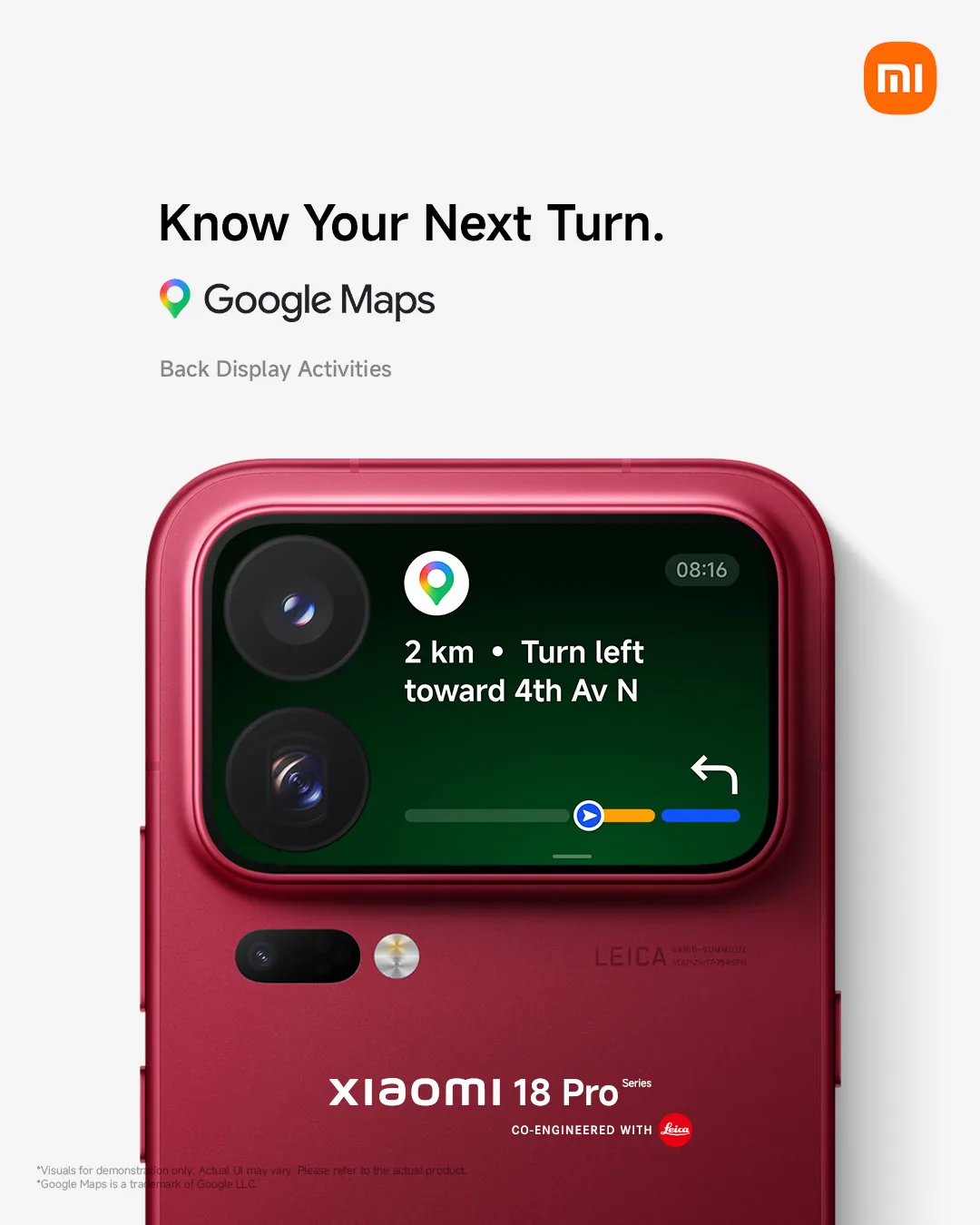
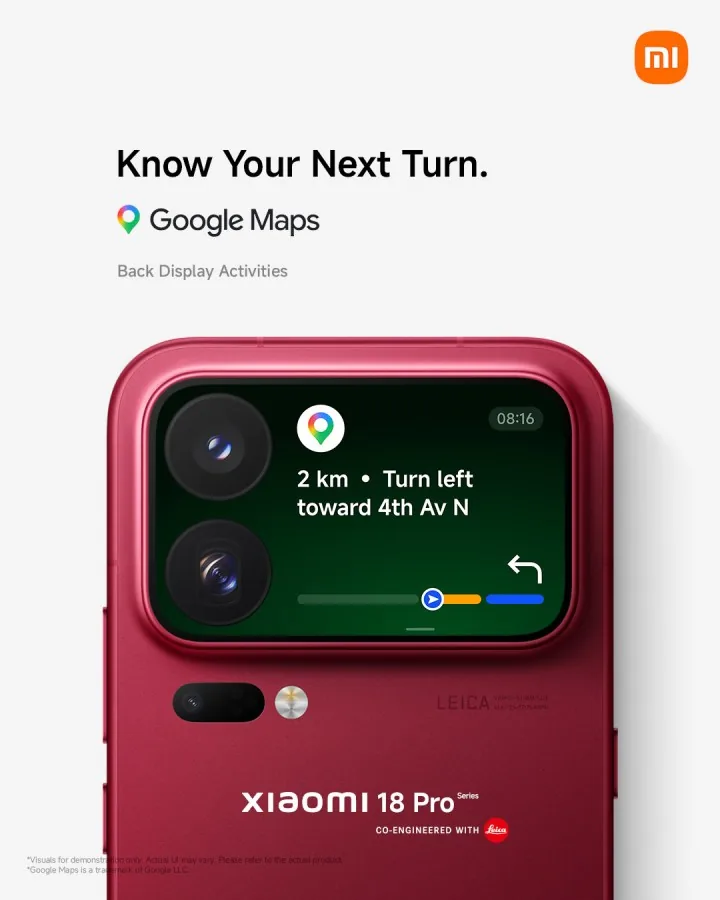
The rear panel turns into a practical control center when running supported Google and streaming services. In Google Maps, the screen provides a navigation progress indicator and shows the next upcoming turn right beside the camera island. That lets pedestrians or cyclists check street directions (such as turning corners or checking street names) at a glance without unlocking their phones. The small screen updates the route in real time as the person moves. While Google recently brought Gemini CarPlay navigation to Google Maps for drivers in cars, this dual-screen setup puts glanceable turn-by-turn guidance directly onto a compact exterior panel for people walking through busy streets. The layout saves battery power during short trips outdoors. The main OLED screen stays dark [7].
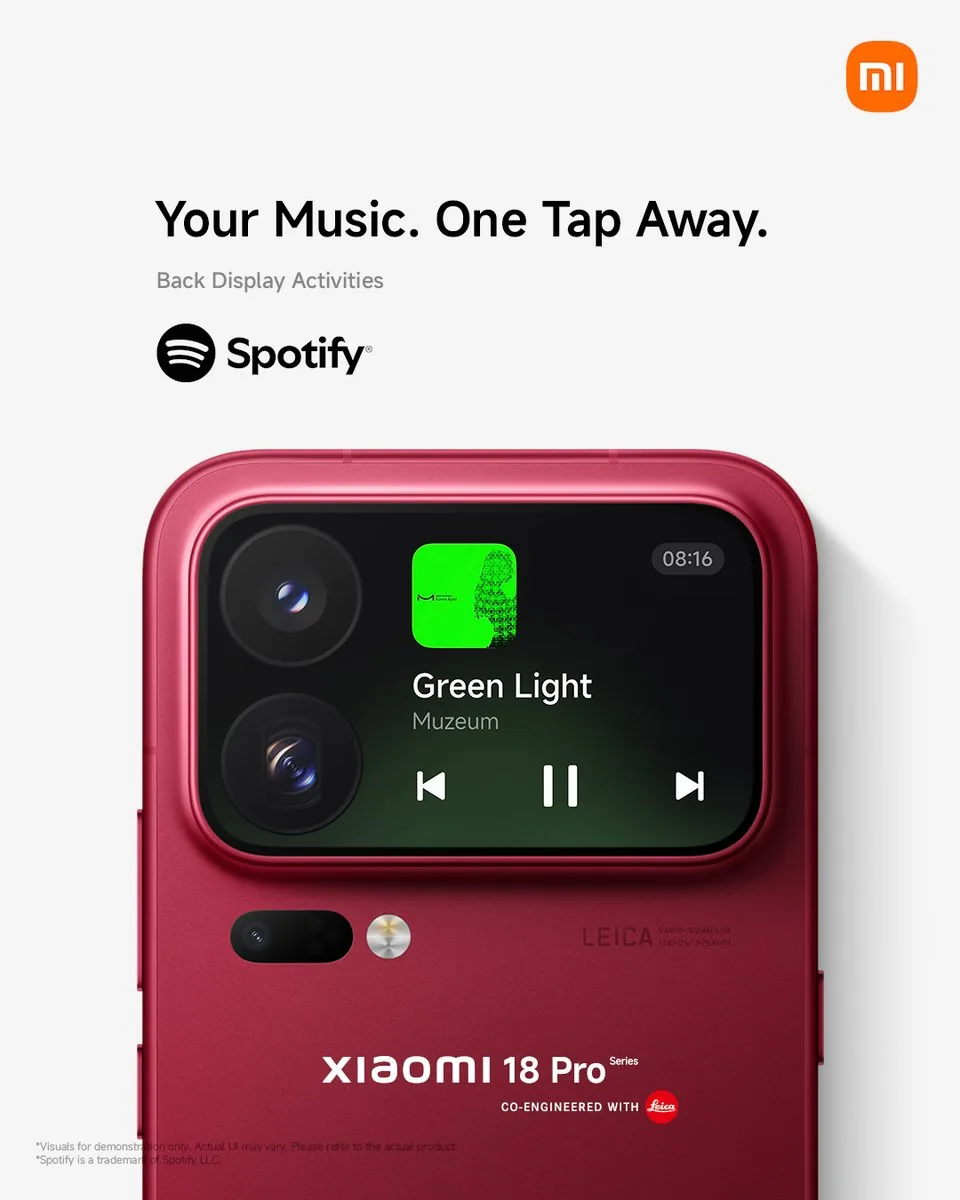
Audio playback works similarly on Spotify and YouTube Music through widgets displayed on the back glass. Users can see full album art, review song titles, and tap prominent play, pause, and skip buttons to manage their tracks. If the handset sits face down on an office desk, someone can change a track without lifting the phone or touching the front display [1].
Technobaboy editor Bryan Rilloraza reported that travel platform Trip.com will also support the rear screen at launch, giving travelers quick access to itinerary updates and flight details [6]. The small screen also handles basic system tasks that keep people from waking their main displays. It shows incoming call alerts, unread text notifications, and current conditions from Xiaomi’s Weather app [4]. Users can also use the miniature display as an active viewfinder to frame high-resolution selfies using the main camera lenses. It doesn’t replace the main display, but it takes over the quick check-ins that usually pull someone into long phone sessions.
Custom Tools Built with Generative AI
Beyond third-party software partnerships, Xiaomi is adding built-in software tools powered by generative artificial intelligence. The feature, named Back Display GenAI apps, allows device owners to create custom widgets by typing plain-language descriptions of what they want to see on the panel [3]. In launch demonstration videos shared on X, Xiaomi Group Vice President and Chief Marketing Officer Xu Fei showed how the system turns brief written prompts into interactive mini-apps. Xu demonstrated the capability by writing three brief prompts and asked followers, “Three simple descriptions became three Back Display GenAI Apps. Pick 1, 2, or 3.” [4]. The test showed functional widgets appearing on the secondary glass within seconds after prompt entry.
Android Authority writer Shimul Sood said this tool could help with study routines. For instance, someone studying a language could generate a vocabulary flashcard widget on the back screen [1]. Xu shared three sample prompts online [4].
Nicholas Sutrich from 9to5Google noted that the onboard AI builds the widget locally without forcing users to write code or download extra utility software. That approach lets people experiment with personal layouts rather than waiting for third-party developers to adapt their Android software to the smaller screen. Earlier smartphones with rear panels often suffered from software abandonment because outside software companies rarely built specialized tools for niche hardware. By giving users an on-device text-to-app generator, Xiaomi hopes to bypass developer delays and give the secondary panel lasting utility [2].


Global Release Following China Debut
The arrival of these software tools is especially important because of how Xiaomi handled its previous generation of dual-screen hardware. Last year, the manufacturer introduced rear displays on the Xiaomi 17 Pro and 17 Pro Max, but those handsets remained exclusive to mainland China. International shoppers who wanted to test the secondary display had to import units without local software optimizations. Neither earlier model reached global stores [4].
The upcoming release marks the first time the company brings its dual-screen smartphone design to global store shelves [3]. Mobilissimo Group reported that the official international unveiling will take place in Paris on Tuesday, November 17, 2026, alongside new Mijia home appliances and smart gadgets [5]. Launching globally puts pressure on Xiaomi to prove that the rear touchscreen is a practical tool rather than a marketing gimmick [4]. Western smartphone buyers often criticize auxiliary displays when they only mirror clock faces or battery bars, so native support for services like Spotify and Google Maps is important for reception.
As Vlad from GSMArena observed, international reviewers will judge the rear panel on how well it fits into everyday routines rather than novelty appeal [4]. Sofia Ricci from LavX News added that global models run Xiaomi’s Android-based HyperOS, which links the back panel directly to familiar Google and streaming ecosystems so international users can immediately connect their accounts without extra software setup. That software integration lets buyers in Europe and other international markets open the box and link their streaming libraries [7]. The company wants day-one usefulness [4].
Hardware Specs and Battery Capacity
Under the hood, the two upcoming models pair the secondary display with solid hardware specifications. Bryan Rilloraza from Technobaboy reported that the smaller Pro variant features a 6.4-inch display, while the larger Pro Max model steps up to an expansive 6.9-inch front screen. Both front panels use 2K LTPO AMOLED technology protected by tough Dragon Crystal Glass 3 [6]. The devices also feature an official IP69 rating for dust and water resistance, providing strong protection against bad weather.
Battery sizes have also grown to support running two separate screens throughout the day. The base model packs 7,000mAh. The larger Pro Max carries an 8,500mAh battery capable of fast wired and wireless charging [6]. Nicholas Sutrich noted that the flagship devices run Qualcomm’s latest silicon, with the larger Pro Max utilizing the Snapdragon 8 Elite Extreme Gen 6 chipset alongside that 8,500mAh battery to ensure both displays run smoothly all day [2]. Those big batteries provide plenty of power for the secondary panel without draining the phone before evening.
The camera island holds three lenses. Flanking the rear display, the setup is built in partnership with Leica and includes a 200MP main camera, a 200MP periscope telephoto lens, and a 50MP ultra-wide sensor [6]. Sutrich noted that the camera island looks very similar to the outer cover screen found on flip foldables like the Galaxy Z Flip 8 or Motorola Razr [2]. Because the rear display sits right beside those large lenses, people can frame high-quality selfies and group shots using the main camera sensors instead of relying on a lower-resolution front camera.
Everyday Uses for the Xiaomi 18 Pro
The combination of major third-party apps and secondary hardware creates several realistic daily use cases for the Xiaomi 18 Pro. Keeping a phone face down during office hours allows workers to silence intrusive notifications while still seeing important alerts on the back screen [1]. It helps people stay focused without missing urgent communications from family or coworkers.
If a meeting is underway, a user can quietly check incoming call information or change a song without picking up the handset [3]. Outdoor navigation also becomes much simpler with the secondary panel. When walking through busy streets or riding a bicycle, users can mount the phone or hold it outward to read turn-by-turn directions without keeping a large 6.9-inch screen fully powered [7]. That setup conserves battery power during long walking tours and keeps the front screen safe from accidental drops. Trip.com shows gate changes and flights [6].
Xiaomi plans to reveal full regional pricing and retail availability schedules during the Paris launch event next week [5]. Technobaboy confirmed that the devices will arrive in the Philippines shortly after the European launch, with broader international distribution expected to follow [6]. By backing its dual-screen hardware with trusted daily applications like Google Maps and Spotify, Xiaomi is making a serious effort to prove that rear smartphone displays are ready for mainstream adoption.
- ONLINE NEWS Sood, S. (2026, November 13). Google Maps, Spotify, and more are coming to Xiaomi 18 Pro’s rear display. Android Authority. [Article Link]
- ONLINE NEWS Sutrich, N. (2026, November 13). The Xiaomi 18 Pro’s rear displays support Google apps, Spotify, and custom GenAI apps. 9to5Google. [Article Link]
- ONLINE NEWS Team My Mobile. (2026, November 13). Xiaomi 18 Pro rear display gets Google Maps, Spotify and YouTube Music support. My Mobile India. [Article Link]
- ONLINE NEWS Vlad. (2026, November 13). Xiaomi confirms Google Maps, Spotify and YouTube Music for the 18 Pro rear display. GSMArena.com. [Article Link]
- ONLINE NEWS Sima, C. (2026, November 13). Xiaomi 18 Pro series rear display to support Google Maps, Spotify and YouTube Music. GSMDome.com. [Article Link]
- ONLINE NEWS Rilloraza, B. (2026, November 13). Xiaomi 18 Pro adds Google Maps, Spotify, YouTube Music, and Trip.com support to rear display. Technobaboy. [Article Link]
- ONLINE NEWS Ricci, S. (2026, November 13). Xiaomi brings Google Maps, Spotify, and YouTube Music to the 18 Pro rear display. LavX News. [Article Link]


