





Norway’s government is drafting a national proposal that could introduce the world’s first national smart glasses ban across sensitive public locations. Citing privacy risks from wearable cameras, officials plan to submit the measure to parliament as soon as possible. The short-term policy targets environments where people expect personal privacy, while lawmakers evaluate long-term rules for face-worn hardware and study how digital sensors interact with ordinary citizens in daily routines. Government officials confirmed that the measure will grant specific exemptions for vulnerable groups who rely on assistive wearable tools [1].
Norway Proposes Temporary Smart Glasses Ban
Norwegian authorities began drafting the proposal after growing public concern over discreet filming in everyday spaces. According to The Associated Press, the short-term ban won’t outlaw smart glasses throughout the entire country, but will instead prohibit their use in designated public centers where personal privacy is vulnerable to covert lens capture. Officials want the measure sent to parliament quickly so watchdogs have time to study device types before imposing permanent laws. Oslo officials prioritized citizen privacy [1].
The legal plan arrives as hardware makers push smart eyewear toward mainstream consumer adoption. While tech firms promote face-worn gadgets as handy audio and visual helpers, privacy advocates caution that bystanders can’t easily tell when video filming is quietly active on nearby frames. Norwegian lawmakers say a pause gives the state room to decide whether rules should treat camera-equipped models differently from audio-only frames [1]. Under the plan, an advisory panel will review how cameras, microphones, and spatial sensors operate in civic life before any permanent law takes effect across municipal buildings, public transit, and recreational facilities [2]. Special waivers will protect people who need wearable tech for medical help or visual assistance. Assistive technology users retain full access [1].
The debate in Oslo isn’t happening in isolation. Just last week, European retail signals pointed to rising unease with smart eyewear. In the Netherlands, major eyewear chain Hans Anders decided to stop all sales of smart glasses in its stores. That retail decision showed how quickly consumer pushback has spread from public policy discussions into commercial storefronts, prompting other European distributors to reconsider stocking camera-equipped eyewear ahead of formal statutory guidance. Hans Anders halted all inventory [1].

Sensitive Public Spaces Under Proposed Restrictions
The scope of Norway’s proposed rules centers on public sites where people gather in close quarters [2]. Schools, healthcare clinics, and fitness centers form the core of the restricted list. Officials singled out locker rooms and shower areas inside gym complexes as locations where face-mounted cameras pose unacceptable privacy threats to visitors who cannot reasonably protect themselves from discreet digital video recording. Gym locker rooms face complete bans [1].
Child safety serves as another central focus for the upcoming law. Regulators plan to bar smart eyewear from kindergartens, playgrounds, and youth clubs where children gather during the day [1]. Authorities also want to extend the short-term ban to public swimming pools, beaches, and parks where visitors often wear swimwear and expect protection from unseen digital capture by strangers carrying concealed sensors in their spectacle frames [2]. Cultural sites including museums and shopping centers are under active review as well [1].
Crowded entertainment venues could also face limits under the proposed rules. Officials are reviewing whether to prohibit the devices at live concerts and sporting events [1]. Reuters reported that parliament wants clear guidance for public gatherings where large crowds might be subject to secret filming without consent, raising concerns about mass surveillance and unauthorized image sharing online [2]. Concert halls may restrict lenses [1].


Camera Hardware Sparks Privacy and Surveillance Debates
Privacy concerns around smart glasses have intensified as smaller lenses make hardware less noticeable to ordinary passersby. Reporting by Gizmodo highlights mounting fears over harassment, extortion, and non-consensual recordings in public settings. Schools have raised alarms about students using camera-equipped frames for cheating on exams, while legal systems worry about secret filming of sensitive court testimony that could intimidate witnesses or compromise confidential judicial deliberations during criminal trials. Cheating and extortion worries drove the proposal [2].
One critical question facing Norway’s advisory panel is whether the smart glasses ban should apply solely to models with cameras. Certain smart glasses, such as frames made by Even Realities, omit cameras entirely but still project digital text onto lenses. While camera-free frames don’t record bystanders, they still allow users to look up information discreetly during controlled academic tests or judicial hearings where outside internet access is strictly forbidden by presiding authorities. Even Realities omits video cameras entirely [2].
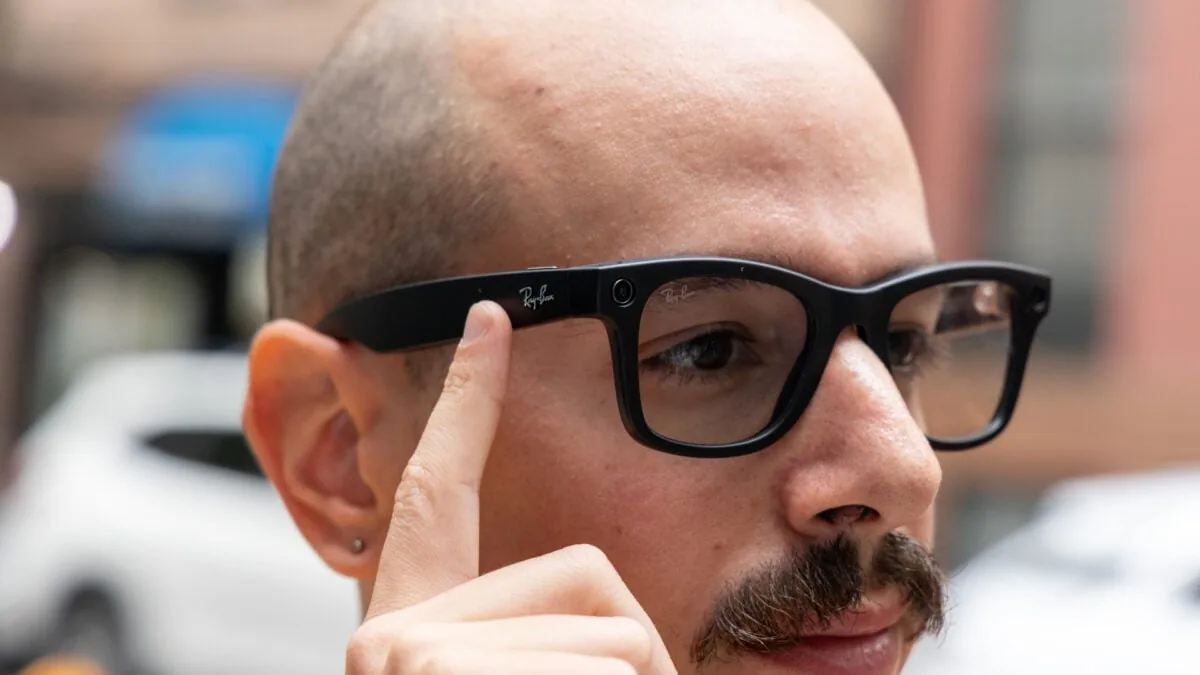
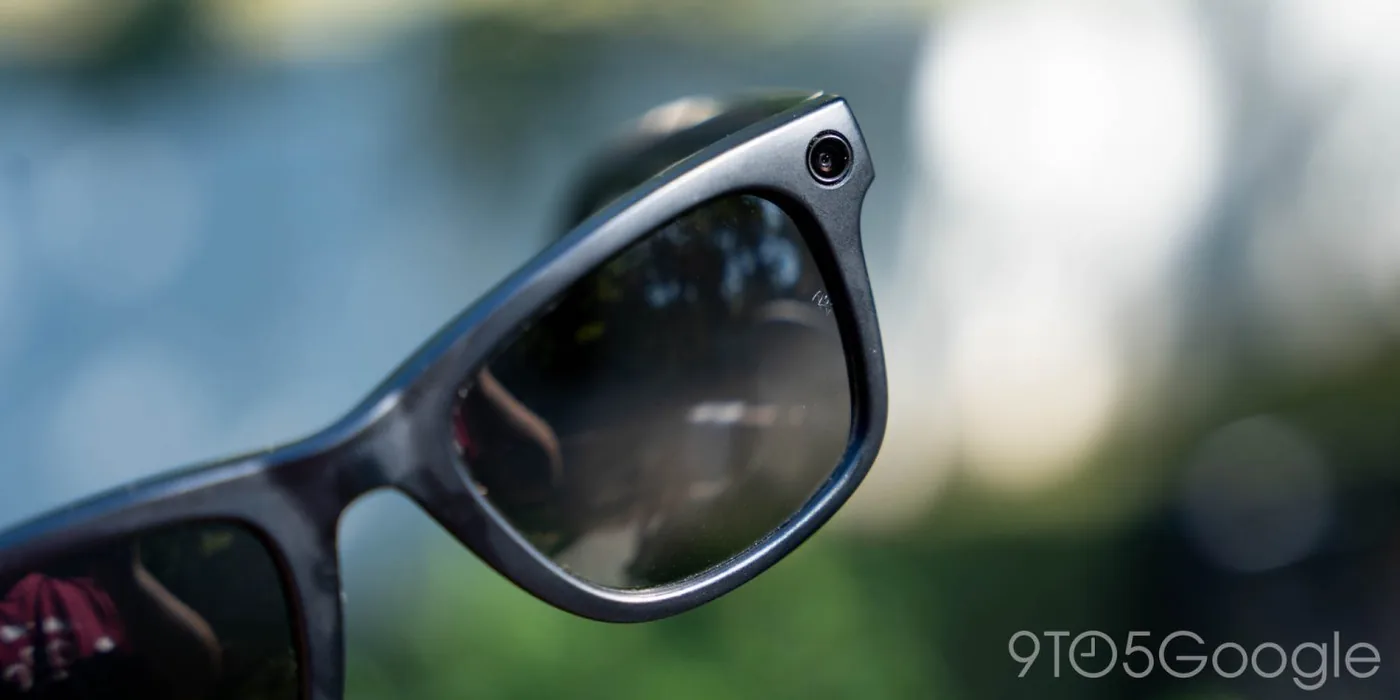
Hardware makers have attempted to address public unease by adding small light-emitting diodes that glow when filming starts. In recent software updates for Ray-Ban Meta smart glasses, Meta introduced safeguards that shut off video recording whenever the external privacy light is obscured or obstructed [3]. Yet rule makers and privacy advocates argue that tiny indicator lights aren’t enough to alert people in bright daylight. Indicator lights remain hard to spot.
Piecemeal Smart Glasses Rules in Europe and America
While Norway seeks a unified national approach, existing regulations across Western nations remain fragmented. In the United States, individual states and city leaders have enacted narrow rules rather than comprehensive laws. New York has banned smart glasses inside state courtrooms, while Illinois lawmakers recently amended hands-free driving laws to restrict drivers from using wearable visual displays behind the wheel on public roadways [1, 2]. New York restricted courtroom wearable tech [2].
European cities have similarly taken localized action to curb wearable surveillance. In Germany, the city of Hamburg brought in local rules that ban smart glasses on public transit networks and at public swimming pools. These local measures mirror Norway’s concerns about unconsented filming in communal spaces. Without national guidance, travelers and commuters often don’t know which local transit lines or municipal facilities permit wearable tech, creating compliance confusion across border crossings and regional transit hubs. Hamburg acted on municipal transit [2].
Retailers have also started stepping back from the segment ahead of official government action. The decision by Dutch optical retailer Hans Anders to halt sales reflected growing distributor caution. Rather than navigating uncertain civic liability and customer complaints, some retailers prefer to wait until European governments establish standardized compliance rules for face-worn hardware before investing in consumer demonstration units and retail floor displays [1]. A national framework in Norway could set an influential precedent for neighboring European markets.
Tech Industry Navigation Upgrades and Advisory Panels
The regulatory pushback arrives just as consumer tech giants expand the utility of their wearable devices. Meta recently rolled out version 128 and version 129 firmware updates for its popular Ray-Ban frames, adding pedestrian navigation and audio balancing. Users can now request walking directions by saying “Hey Meta, navigate to Times Square,” or share routes directly from phone mapping apps to their connected glasses. Meanwhile, Samsung is reportedly preparing its first Android XR glasses for release in November. Samsung plans a November launch [3].
To improve everyday usability, Meta’s version 129 update brought Mono Audio and Audio Balance settings. Mono playback combines left and right audio channels for users with hearing anomalies, while balance sliders shift sound toward either ear [3]. These audio-centric features, along with developments like RayNeo iO smart glasses and heavier Meta VR glasses, show how the market is dividing between sensory tools and camera gear, allowing consumers to choose devices tailored to communication rather than visual recording.
As tech companies push ahead with new hardware launches, Norway’s temporary smart glasses ban will test how governments balance innovation against civic privacy [1]. The upcoming parliamentary debate and advisory panel findings will determine which public spaces remain off-limits to digital lenses. For manufacturers and consumers alike, the outcome in Oslo will offer the first national roadmap for where smart eyewear can go and where it can’t, establishing boundaries that may shape global policy [1, 2]. Oslo will set the standard [1].
- ONLINE NEWS McNeal, R. (2026, October 5). The first national ban on smart glasses could happen soon. Android Authority. [Article Link]
- ONLINE NEWS Pero, J. (2026, October 5). Norway considers most drastic smart glasses ban yet. Gizmodo. [Article Link]
- ONLINE NEWS Schoon, B. (2026, October 5). Meta rolling out audio upgrades, turn-by-turn navigation for Ray-Ban smart glasses. 9to5Google. [Article Link]
- ONLINE NEWS Barron’s. (2026, October 5). Norway eyes partial ban of smart glasses. Barron’s. [Article Link]


