



Hardware reporting from Destructoid writer Andrej Barovic indicates that the projected PlayStation 6 price could climb past $1,000 due to rising component production expenses. Leaked details from AMD insider KeplerL2 reported by Video Games Chronicle suggest that memory and storage parts alone may cost around $680. Sony hasn’t shared official release plans yet. Still, these figures show how hardware inflation could reshape systems expected from Sony around 2027 or 2028 [1].
PlayStation 6 Price and Component Manufacturing
Sony engineers designed custom system-on-chip silicon when gDDR7 memory was projected to cost roughly $3 per gigabyte, but market prices didn’t follow those early forecasts. As reported by Destructoid via tech site Wccftech, current gDDR7 memory rates have surged to between $20 and $23 per gigabyte, which is nearly seven times higher than early estimates. These shifting rates upend hardware budgets for custom Sony chips that rely on fast memory pools to handle new visual features. When memory costs climb that high, Sony faces a difficult choice because memory chips can’t be stripped out without damaging baseline gaming performance in upcoming software releases [1].
That bought entire systems. According to Kotaku writer Zack Kotzer, AMD insider and forum poster KeplerL2 believes the combined cost of system RAM and solid-state flash storage will exceed $700, or “over $680” in wholesale component parts alone. Anyone who’s bought a fast storage drive recently knows how steep parts pricing has become [2].
Adding AMD processor silicon, cooling fans, power supplies, and motherboards to that $680 memory bill pushes basic production expenses well above $1,000 before a console leaves the factory. Destructoid pointed out that this calculation doesn’t factor in packaging, container shipping, retail partner cuts, import duties, or value-added tax (VAT) in European markets. When those logistics layers get added to the manufacturing invoice, a PlayStation unit that costs $1,000 to assemble could easily end up on retail shelves at nearly $2,000 if Sony refuses to absorb parts of the rising bill. It’s a price that tests the limits of living room entertainment budgets [1].
Hardware Costs and the AI Boom
Prices climb fast. Kotaku writer Zack Kotzer points to the artificial intelligence boom as the main engine behind rising silicon quotes across global supply networks. Server companies spend billions to build automated computing clusters for TikTok clips, hoovering up high-speed memory chips that once supplied consumer electronics. Before workers pour cement for new data centers, technology giants call dibs on key suppliers like NVIDIA, leaving Sony and Microsoft with fewer chips and costlier contracts [2].
Wccftech and Destructoid compared this supply crunch to the early days of computing, noting that memory and storage prices haven’t climbed at this pace since both key components were in their infancy during the Cold War decades ago. While gaming fans hoped earlier this year that enterprise server demand would slow down, manufacturers continue to prioritize automated enterprise buyers over consumer hardware builders. Tech firms buy large volumes of memory to run automated experiments and generate short web clips, which leaves limited silicon fab space for ordinary gaming components. Console builders simply can’t outbid enterprise tech budgets, so they’re forced to swallow whatever component prices suppliers set during production runs [1].
Incentives clash. Kotaku reported that gaming executives like Epic Games founder Tim Sweeney and Xbox leader Asha Sharma actively champion the automated tools revolution while admitting it’ll lock out everyday players who can’t afford rising hardware prices. As data centers consume silicon, home consoles pay the price [2].

Shifting Console Business Models
For past generations, console manufacturers relied on a classic razor-and-blade model where companies accepted a loss on every box sold because disc sales and licensing cuts quickly made up the difference. Kotaku explained that this financial safety net no longer protects console builders from rising assembly costs. Today’s players spend more time playing fewer games, often sticking with a single live-service world for years rather than purchasing multiple full-priced releases each season. Because software attachment rates don’t generate the same volume of royalties as they did a decade ago, hardware manufacturers can’t easily subsidize multi-hundred-dollar manufacturing shortfalls through standard game catalog purchases alone while players spend years inside single multiplayer titles [2].
Without guaranteed game sales to cover manufacturing losses, platform owners have altered their growth plans. Sony has turned toward multimedia entertainment projects and online service games to diversify its revenue streams. Meanwhile, the PlayStation 5, Xbox Series X, and Nintendo Switch 2 have uniformly grown costlier over time rather than dropping in price as manufacturing matured [2].

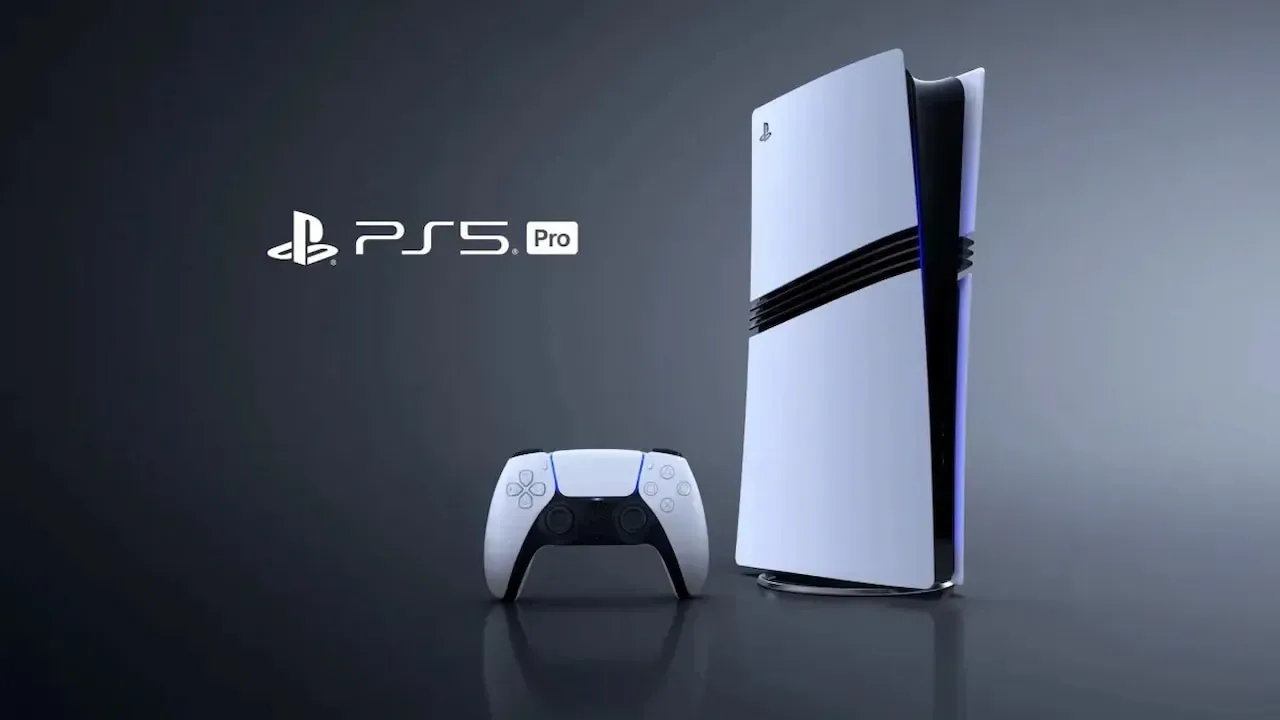
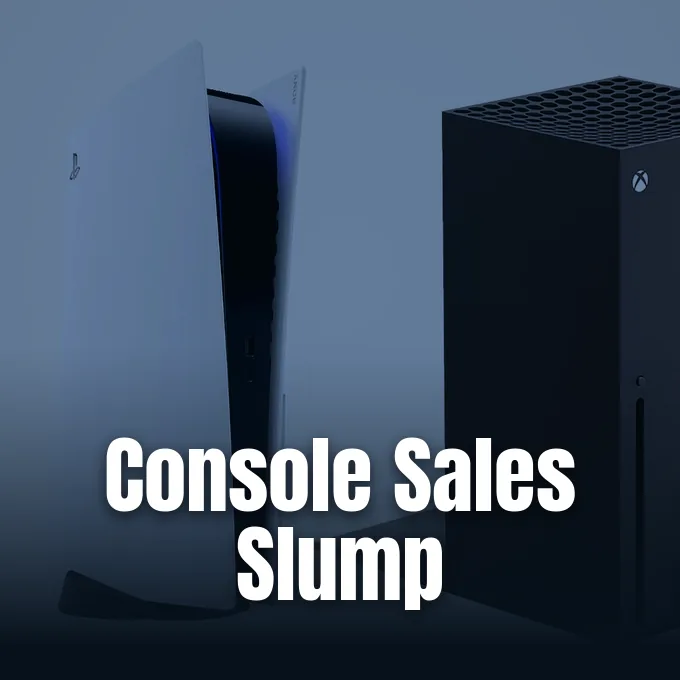
Recent retail sales figures show that higher hardware price tags have already begun dampening player interest in major gaming markets. As documented by PerEXP Teamworks when Xbox and PlayStation sales dropped to decades-old lows in the United States, regular consumers pushed back after consecutive price hikes cooled retail enthusiasm. Destructoid pointed out that both Sony and Microsoft have seen unit sales shrink over the past year following price revisions that brought the PS5 Pro close to the thousand-dollar mark. Sony maintained its financial intake through higher margins on each box, but falling unit sales will eventually hurt profits if hardware parts continue to climb [1].
Retail Realities for PlayStation 6 Price Expectations
Costs could spike. If Sony passes full parts and shipping expenses to shoppers, the upcoming PlayStation 6 price could shock the gaming community. Destructoid calculated that adding standard retail margins and import taxes onto a $1,000 production base would push store costs closer to $2,000, transforming a household system into an elite luxury gadget [1].
Shoppers have already shown clear reluctance to accept escalating hardware prices and restrictive digital lock-in on current generation home gaming platforms. Kotaku pointed out that publisher monopolies are caving in while everyday players reject all-digital hardware designs that eliminate used game discs. When gaming systems approach four-figure price tags, prospective buyers hesitate to upgrade their hardware, often choosing to keep older machines or invest in personal computers that offer open software storefronts. Console makers can’t simply assume that player loyalty will survive another round of steep price increases, especially when families manage tighter household budgets and abundant entertainment alternatives [2].

Other gaming hardware makers face similar component challenges when releasing premium devices. PerEXP Teamworks recently reported on Valve pricing the Steam Frame at $1,059, showing how custom silicon and mobile displays raise hardware bills. Sony doesn’t operate in isolation, and competing four-figure prices could normalize higher console tiers [2].
Will Sony Subsidize Next-Gen Hardware?
To avoid retail stagnation with near-two-thousand-dollar store stickers, Sony could decide to absorb component shortfalls and recover funds through recurring network services. Destructoid suggested that Sony might sell next-generation machines below production cost while raising fees on its PlayStation Plus subscription tiers. By bundling streaming games, cloud saves, and exclusive catalog perks into an enticing membership package, Sony could keep the initial PlayStation 6 price approachable while dedicated fans pay recurring fees that steadily offset manufacturing losses over several years. Such a strategy spreads hardware costs across millions of active subscribers instead of confronting buyers with a massive upfront payment at store cash registers [1].
Publishers could also explore software price increases and in-game store fees to offset hardware deficits. But that option carries genuine danger, as players already voice exhaustion over rising game prices and pushy live-service monetization. If publishers push standard games beyond current limits, sales volume could drop in the wider ecosystem [2].
With release timing estimated for 2027 or 2028, Sony engineering teams have several years to renegotiate supplier agreements or adjust final chip architecture. But if automated computing infrastructure continues to monopolize advanced silicon production lines, the next console generation won’t enjoy the predictable cost decreases that defined past hardware transitions. Platform holders might need to rethink what a home console delivers in an era when basic silicon components cost as much as an entire previous-generation machine. Whether through steeper retail stickers or costlier digital subscriptions, video game players will ultimately feel the economic squeeze of rising chip manufacturing bills [1].
- ONLINE NEWS Barovic, A. (2026, October 18). The PlayStation 6 stands to be ludicrously expensive as its production cost alone reportedly approaches $1000. Destructoid. [Article Link]
- ONLINE NEWS Kotzer, Z. (2026, October 18). PS6 Memory Components Alone Could Cost More Than $700. Kotaku. [Article Link]


