



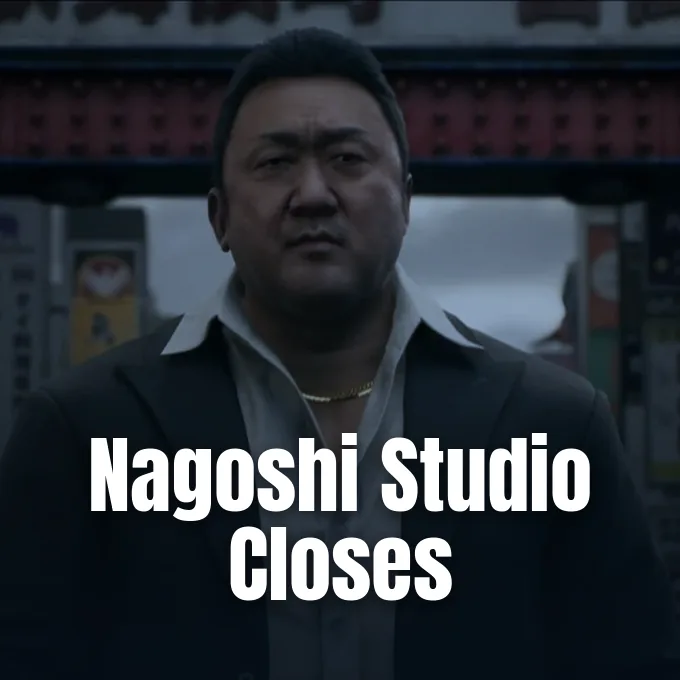
Tokyo game developer Nagoshi Studio officially dissolved on October 31, 2026, ending production on its debut action title after Chinese publisher NetEase Games withdrew financial support. The closure appeared in a formal dissolution notice published in the Japanese government gazette Kanpo on November 2, following an earlier shareholders’ meeting that finalized the decision to wind down the business. Toshihiro Nagoshi founded the company in late 2021 after spending decades leading major console franchises at Sega [2].
Dissolution Notice for Nagoshi Studio
Gaming news outlet Gematsu first spotted the liquidation filing in the November 2 issue of Kanpo. Stockholders approved the dissolution on October 31. Shortly after the gazette notice circulated, the official website for Nagoshi Studio stopped loading completely [6].
Trouble at the Shinjuku office surfaced months before the official filing appeared in the government record. In June 2026, Nagoshi Studio producer Daisuke Satō updated his public social media profiles to list himself as an ex-Nagoshi Studio employee, giving onlookers an early hint that staff departures were already underway behind closed doors. By midsummer, its YouTube channel vanished without explanation. It later returned in a stripped-down state with every video set to private, hiding promotional clips and developer interviews that had previously documented early work. Staff didn’t comment on the changes [7].
Toshihiro Nagoshi did not issue any public statements about the shutdown or his future plans after the teaser debut. The gazette notice confirmed that Nagoshi Studio Inc. ceased operating as a legal entity on October 31. Employees were left to search for new roles across Tokyo [1].
Budget Shortfall for Gang of Dragon
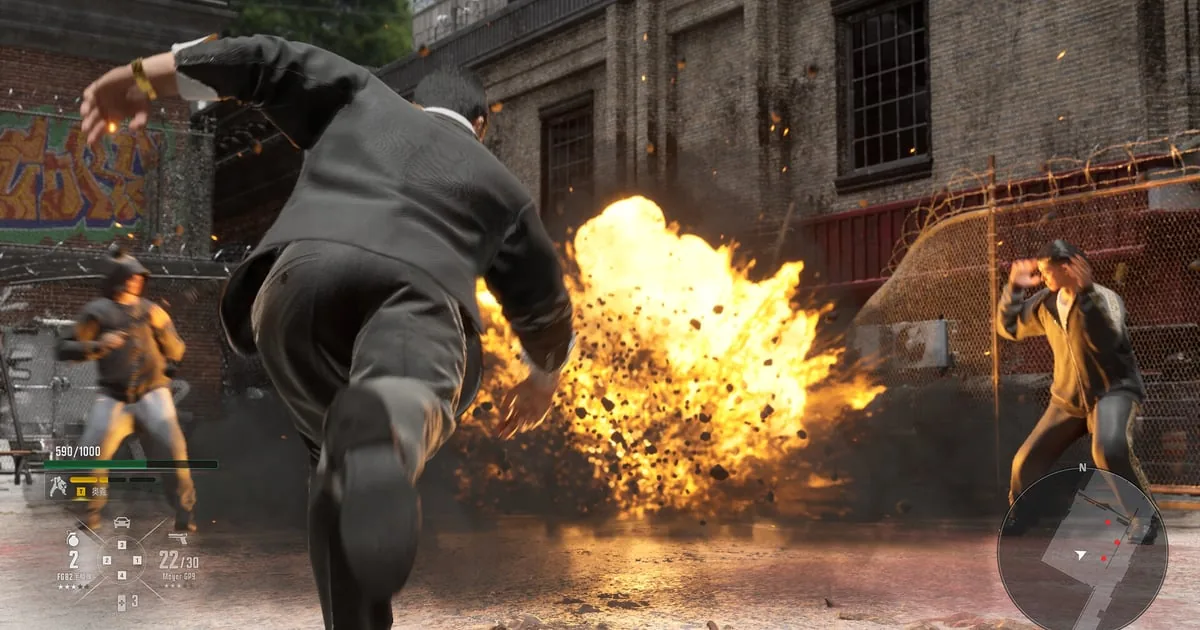
The financial problems behind Nagoshi Studio began emerging publicly in March 2026. Bloomberg reported that NetEase decided to pull funding after learning that Gang of Dragon needed an extra ¥7 billion ($44.5 million) to finish development. NetEase had initially backed the Tokyo team to create prestige console titles, but leadership concluded that the mounting bill was too steep to justify. The spending gap arrived just as NetEase reevaluated its foreign gaming investments following shifts in the console market. While Nagoshi wanted to deliver a polished action experience, NetEase wasn’t eager to pour tens of millions of dollars into an unproven property with uncertain sales returns across global markets [1].
NetEase gave Nagoshi Studio an opportunity to become independent if it could find outside funding before May 2026. NetEase told the developer that “…while it is free to continue on its own, it must bear the corresponding costs if it wants to keep the assets or brand…” [8].
Nagoshi tried to secure fresh sponsors and venture partners throughout the spring and summer, but those talks failed to produce a new backer. Without independent capital, Nagoshi couldn’t cover the $44.5 million shortfall needed to keep staff employed and maintain milestones. Private investors in Japan proved reluctant to fund Gang of Dragon. Talks ended without a deal [2].

What Nagoshi Studio Left Behind
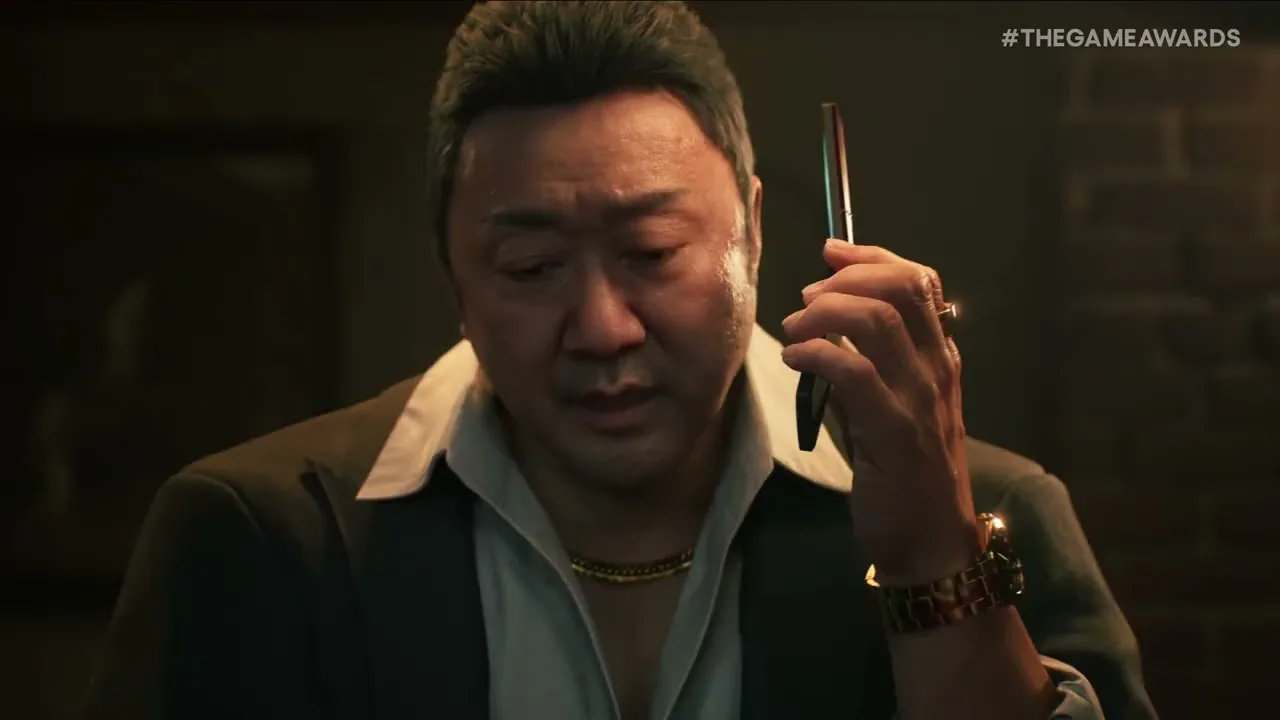
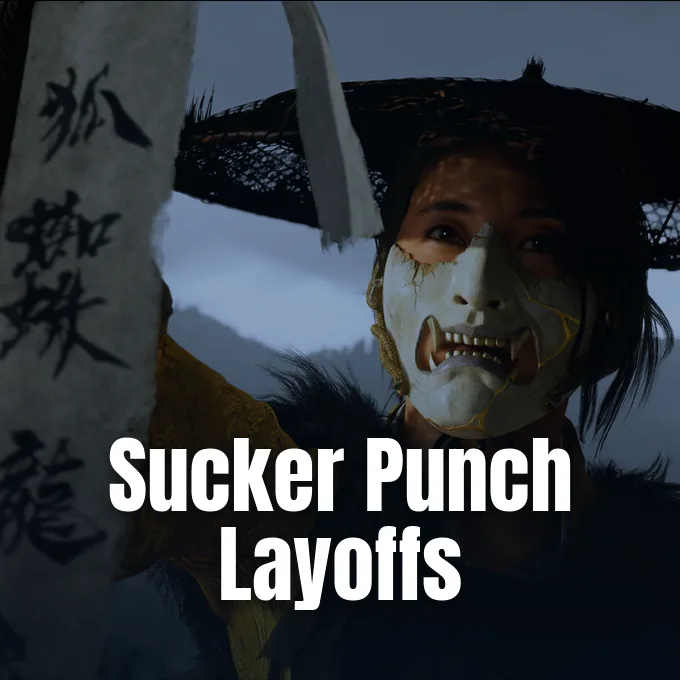
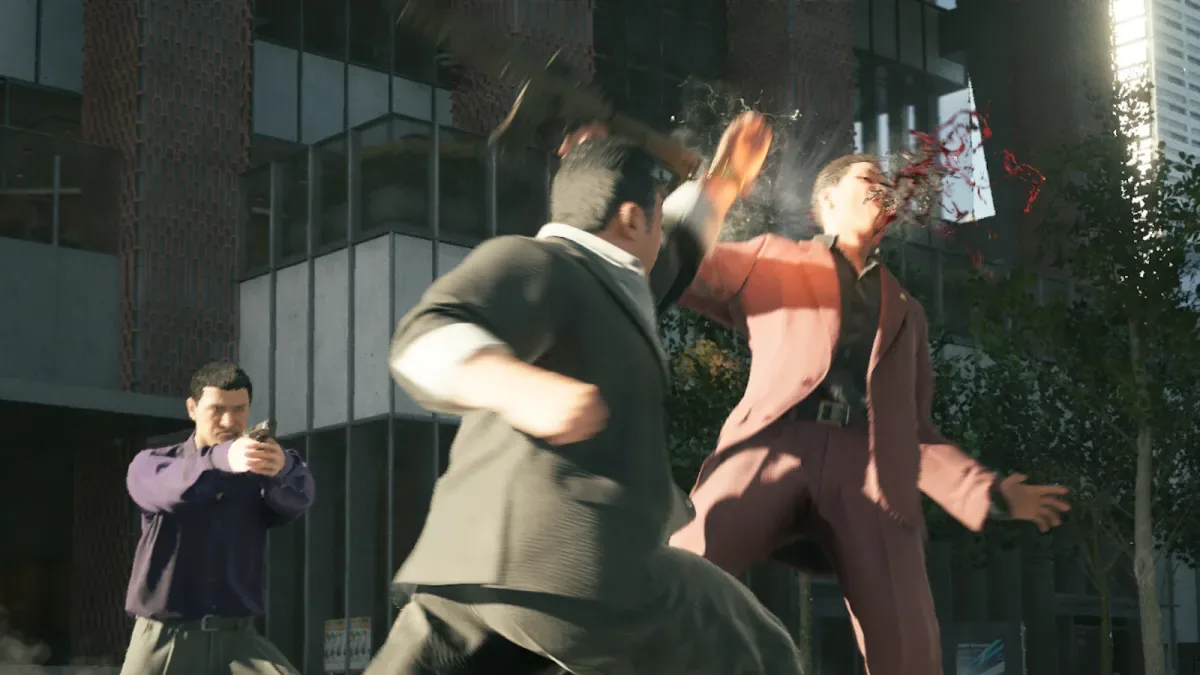
Before the closure, Nagoshi Studio spent nearly four years developing Gang of Dragon. Nagoshi revealed the game during The Game Awards in Los Angeles in December 2025. Set in Kabukicho in Shinjuku, Gang of Dragon served as a spiritual successor to Nagoshi’s previous work on Yakuza at Sega. The game never reached store shelves [1].
Gang of Dragon featured South Korean actor Ma Dong-seok, who is also known to international audiences as Don Lee, as its central star. While the Nagoshi Studio website shut down right after the liquidation filing, the official Steam page for Gang of Dragon stayed live on Steam. The gazette notice in Kanpo did not establish whether development on Gang of Dragon has been permanently canceled, transferred to another team, or held for a future publishing arrangement outside NetEase [4]. NetEase has not announced whether it plans to sell the game code to another buyer or simply write off the investment entirely. With the Shinjuku team disbanded, Gang of Dragon remains stranded without a clear path forward.
NetEase has not officially canceled Gang of Dragon, but Game Developer reported that it is unclear whether NetEase has any appetite to take the game over the finish line. Bringing Gang of Dragon to completion would still require the full ¥7 billion budget that NetEase refused to pay in March. Without a backer willing to spend that sum, Gang of Dragon will likely remain unreleased [1].
NetEase Cuts Foreign Studio Investments
The closure in Tokyo aligns with a retreat by NetEase from non-Chinese game investments. Following the success of Black Myth: Wukong in China, NetEase began reassessing its spending on overseas teams. That domestic hit showed NetEase executives that internal Chinese productions could generate strong returns without the high overhead costs associated with running foreign development offices in Japan [2]. NetEase had spent years recruiting Japanese creators to build an international console catalog, but it shifted priorities back toward domestic studios as game budgets grew.
Other Japanese partners under NetEase managed to negotiate departures without dissolving their businesses. When Grasshopper Manufacture separated from NetEase in September, studio head Goichi Suda secured an amicable exit shortly after the release of Romeo Is a Dead Man [3]. Anchor Point Studios also split from NetEase during the same period to pursue an independent route. Suda said Grasshopper Manufacture “…found a strong desire to deliver titles in an even wider variety of styles to video game lovers everywhere…,” adding that the decision came after thorough discussions with NetEase [8].
The dissolution follows earlier cutbacks across NetEase in Japan, including the closure of Ouka Studios in Shibuya. NetEase established Ouka in 2020 with former staff from Capcom, Bandai Namco, and Square Enix before shutting the branch in late 2024 following the launch of Visions of Mana. Lead developer Ryosuke Yoshida moved to Square Enix. The Shibuya office was dismantled [7].
Toshihiro Nagoshi After Sega
Nagoshi built his gaming reputation during more than three decades at Sega, having joined Sega in Tokyo back in 1989. He spent his early career working in the AM2 arcade division, helping develop arcade racing and action titles during a major growth period for Sega coin-operated hardware. Nagoshi later created the Yakuza and Like a Dragon series, establishing Ryu Ga Gotoku Studio as one of Sega’s most reliable creative teams. His work on Yakuza made him one of the most prominent game directors in Japan, earning him promotions until he served as Sega chief creative officer and board member before stepping down in April 2021 [6].
Nagoshi continued at Sega as creative director for several months before leaving Sega entirely in October 2021. NetEase moved quickly to partner with Nagoshi, announcing the formation of Nagoshi Studio in January 2022. The deal aimed to give Nagoshi full creative freedom outside Sega, providing NetEase capital for high-end console games. The partnership began with considerable fanfare, but changing market priorities at NetEase cut short the debut work [7].
The closure leaves Nagoshi without an active project for the first time since leaving Sega. Because Nagoshi Studio dissolved through a formal shareholders’ resolution on October 31, Nagoshi will need to secure new partners if he decides to start another gaming venture. His work at NetEase is finished [4].
- ONLINE NEWS Khan, I. (2026, November 2). Nagoshi Studio closes as Netease cuts its funding. Game Developer. [Article Link]
- ONLINE NEWS Takahashi, D. (2026, November 2). Yakuza creator’s Nagoshi Studio shuts down before it ships 1st game. GamesBeat. [Article Link]
- ONLINE NEWS LeBlanc, W. (2026, November 2). Yakuza Creator Toshiro Nagoshi’s Studio Has Officially Shut Down, Ending Gang Of Dragon’s Development With It. Game Informer. [Article Link]
- ONLINE NEWS Joshua, O. (2026, November 2). Yakuza Creator Toshihiro Nagoshi’s Nagoshi Studio Officially Dissolved, Gang Of Dragon Future Unclear. Noisy Pixel. [Article Link]
- ONLINE NEWS Yin-Poole, W. (2026, November 2). Yakuza Series Creator Toshiro Nagoshi’s Studio Has Officially Shut Down Before Releasing a Game. IGN. [Article Link]
- ONLINE NEWS Madnani, M. (2026, November 2). Nagoshi Studio shuts down, officially dissolved as of October 31. RPG Site. [Article Link]
- ONLINE NEWS Anime News Network. (2026, November 2). Toshihiro Nagoshi’s Nagoshi Studio Shuts Down. [Article Link]
- ONLINE NEWS McEvoy, S. (2026, November 2). Gang of Dragon developer Nagoshi Studio shutters months after NetEase cut funding. GamesIndustry.biz. [Article Link]


