





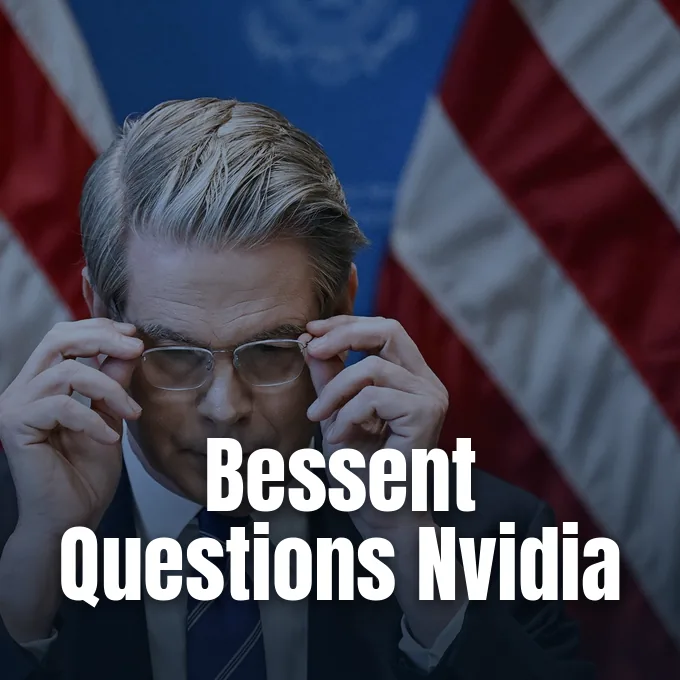
During a broadcast appearance on November 13, U.S. Treasury Secretary Scott Bessent pressed Nvidia over whether the chipmaker knowingly allowed its high-end computing hardware to reach China through pass-through shell firms. Speaking on CNBC, Bessent urged federal agents to look past former chief Jensen Huang’s personal life and examine whether Nvidia failed to stop illegal sales networks. He argued that federal export rules already give state agencies ample power, but said chipmakers must take direct blame for vetting their buyers [1].
Scott Bessent Demands Accountability for Chip Sales
Bessent admitted that trade barriers can’t block every single chip from reaching foreign rivals, but argued that corporate heads must answer for basic vetting failures. China reportedly obtained millions of banned AI cards through third-party brokers, raising alarms across Washington. Bessent told Anton Shilov of Tom’s Hardware and CNBC that probers must focus on what tech chiefs knew about buyers. “The real story here should be, did Nvidia know their client? And was there a robust effort at Nvidia to make sure that there was no leakage and that they were selling to what were obviously pass-through shell companies? And I think it is important that anyone at the company there be held accountable for that,” he said [1].
Federal trade agencies already hold enough legal power under current laws, according to Bessent. He dismissed ideas to give state offices new reach or draft tougher trade curbs, insisting aides merely need to enforce existing rules. Scott Bessent argued that chip firms must check their own customer lists [2].
The remarks follow earlier policy disputes between Bessent and Silicon Valley chiefs. In September 2026, Bessent and Huang clashed over AI model distillation, where engineers train small models using outputs from large foundational setups like OpenAI or Meta systems. Huang defended distillation as fair market competition, but Bessent branded it pure theft of American research that lets foreign rivals copy costly models without paying for development [6].
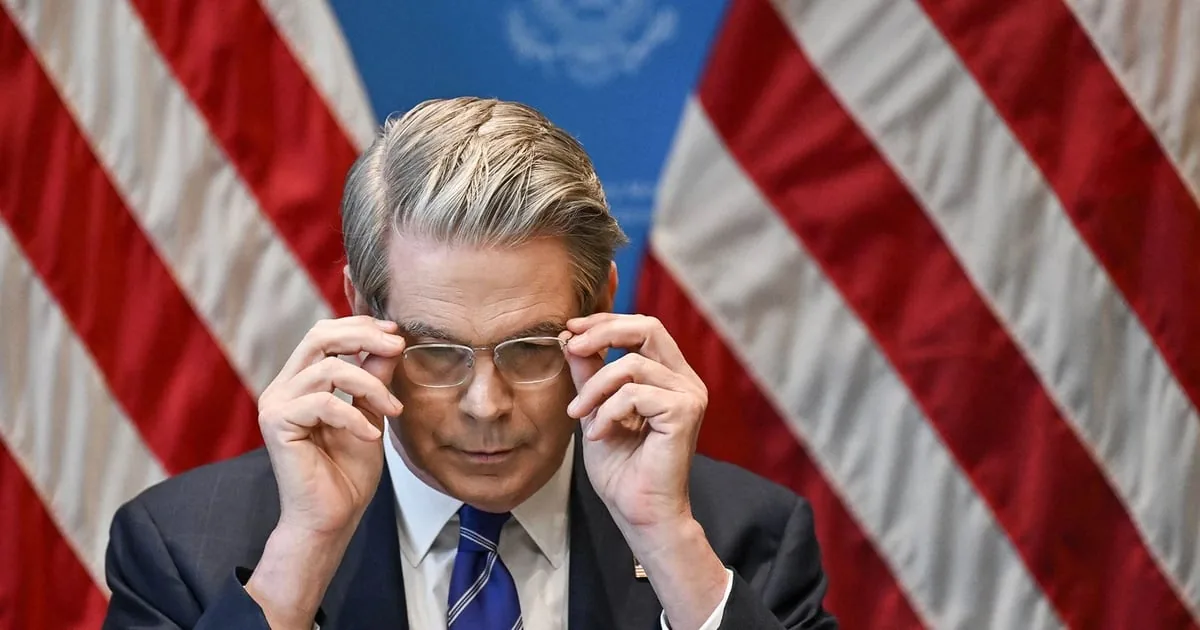
Scrutiny Falls on General Counsel Timothy Teter
Treasury head Scott Bessent singled out Nvidia general counsel Timothy Teter, asking why legal chiefs focused on government inquiries rather than checking customer sales networks. Teter reportedly contacted Commerce Department staff to ask whether American agents helped Singapore police detain Alice Wong, an executive leading Megaspeed. Wong faced detention after U.S. aides suspected the Singapore firm of smuggling banned graphics chips to Chinese buyers. Bessent argued that legal teams should have spent their time auditing seller networks rather than questioning trade regulators about foreign arrests. “The [general counsel] seems to have been very involved here, probably should have done more oversight rather than the haranguing,” Bessent said [1].
Teter’s memos soon drew attention from federal probers in Washington. According to reporting by The New York Times, Teter told Commerce staff probing Megaspeed that he had communicated with Jeffrey Kessler, head of the Bureau of Industry and Security. The Justice Department now runs the criminal probe into Megaspeed [3].
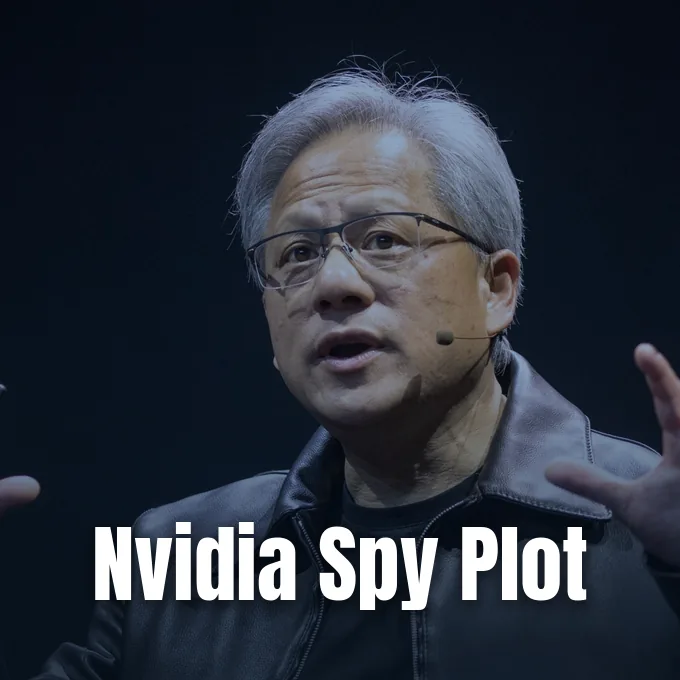
The legal scrutiny followed sudden changes in Santa Clara after Jensen Huang resigned as Nvidia chief on November 12. His exit followed leaks about an affair with Wong, prompting an internal review as the Nvidia board probed CEO ties to foreign hardware brokers.

How Intermediaries Reroute Advanced Hardware
Front firms bypass export barriers by setting up paper companies in countries with weak corporate laws. These shell entities order large computing clusters, telling vendors that the hardware will support local cloud sites in permitted hubs. Once suppliers deliver the gear to regional hubs, middlemen quietly disconnect the server racks and smuggle the hardware across international borders into restricted data facilities in China. The scale is vast. Modern clusters link thousands of advanced graphics processors using InfiniBand cables to run complex matrix calculations for frontier models, making illicit diversion highly lucrative for cross-border networks [4].
Chipmakers claim their duties end at the factory door. Federal watchdogs reject that excuse, arguing that modern silicon designers already possess diagnostic telemetry software and remote microcode tools capable of detecting unusual workload patterns when banned clusters activate in unauthorized overseas regions [4].
Engineers propose hardware fixes like cryptographic chips and automated firmware locks that check physical sites before running heavy model workloads. Cloud firms argue that remote locks bring harsh friction for honest users, yet federal trade aides maintain that chip designers must take active steps to safeguard advanced silicon [4].

Cabinet Dispute Between Scott Bessent and Howard Lutnick
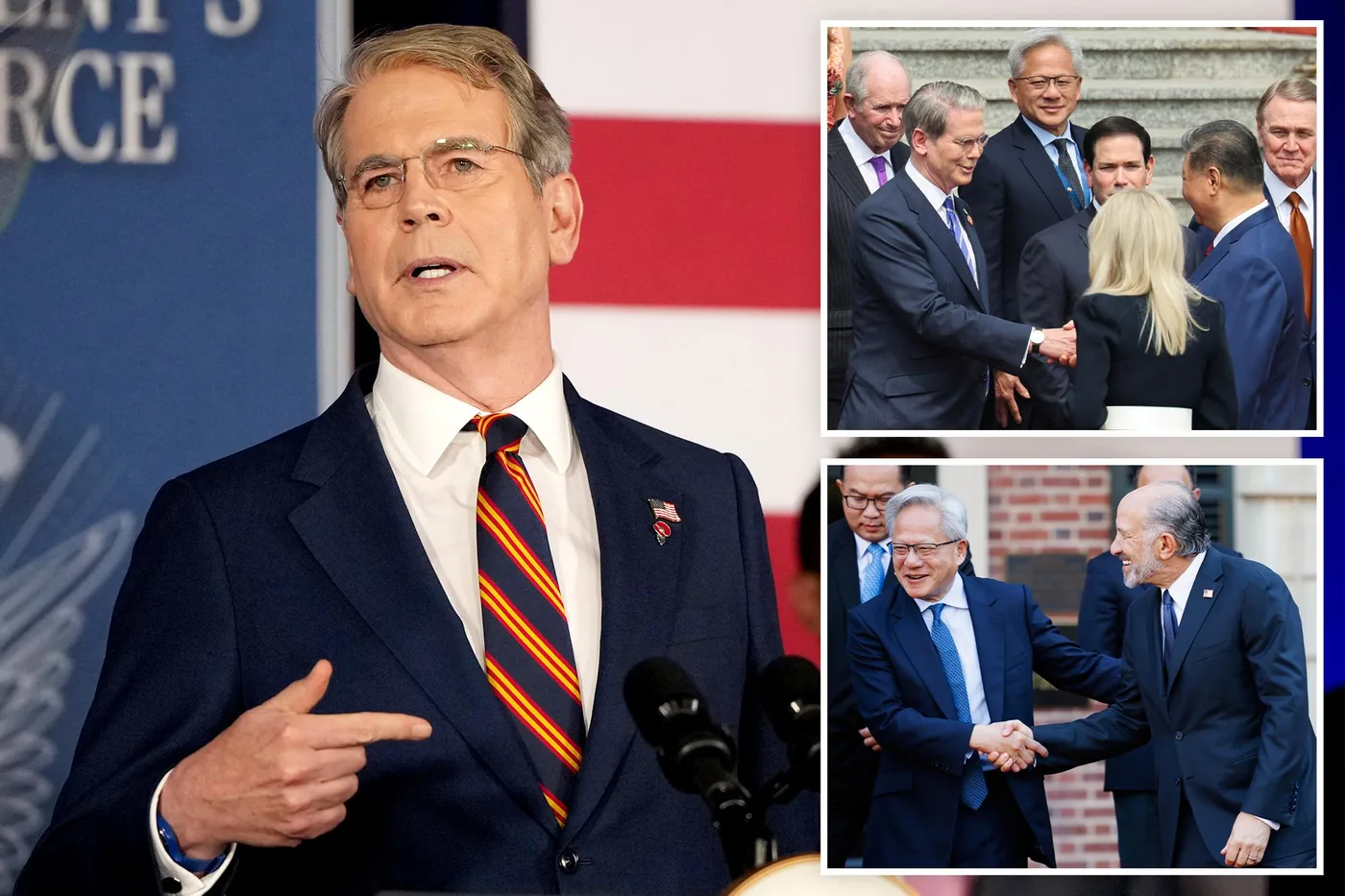
The controversy exposed deep policy friction between cabinet heads in Washington. Speaking on Squawk Box, Bessent blamed Commerce Secretary Howard Lutnick for failing to blacklist Megaspeed earlier. Bessent said four federal departments favored trade bans for months, but Commerce held sole power to update the Entity List. “Treasury, War, [The Office of the US Trade Representative], and State were in favor of putting Megaspeed on the entity list for months, but Commerce has the pen,” Bessent said. “You will have to ask them about their internal processes” [5].
Friction between the two secretaries broke into the open during high-level talks. Bessent challenged Lutnick in the Situation Room over why Commerce delayed blacklisting Megaspeed, but Lutnick only promised he would look into it. Bessent told reporters that aides do not share Situation Room discussions [5].
Commerce staff flagged bad findings about Megaspeed during summer 2025, but Lutnick refused to act. In July 2025, agency aides drafted a rule requiring export licenses for chip sales to Southeast Asia, yet Lutnick blocked the measure. Financial ties also drew heat. Lutnick’s brokerage, Cantor Fitzgerald, run by his sons Brandon and Kyle Lutnick, held roughly $1.2 billion in Nvidia equity when Trump picked him to lead Commerce [5].
The White House defended Lutnick, saying Trump keeps complete trust in his trade leadership. The dispute broke out amid broader security concerns in New York City and Silicon Valley, coming months after US officials investigated an alleged Nvidia spy plot involving semiconductor executives.

Bipartisan Congressional Committees Launch Formal Inquiries
Following Huang’s exit and Bessent’s television interview, Senate Banking Committee Chair Tim Scott launched formal congressional inquiries into export enforcement failures by summoning both Huang and Lutnick to testify at a public hearing scheduled for December. Lutnick agreed to appear voluntarily. Committee members plan to question Lutnick about his personal conversations with chip chiefs, his agency’s delayed actions against Megaspeed, and his oversight of export licensing rules across East Asia [3].
Senators from both political parties demanded full preservation of federal trade files. Senators Elizabeth Warren and Chris Coons sent a joint letter directing cabinet officials to keep all memos and records regarding Nvidia shipments sent to China or intermediary firms. Bipartisan concern centers on whether shell firms bypassed federal trade barriers [3].
House leaders also prepared formal hearings to examine regulatory breakdowns. Foreign Affairs Committee Chair Brian Mast joined intelligence leaders in requesting testimony from Huang, Teter, and Kessler to evaluate whether Megaspeed diverted restricted processors. Lawmakers plan to investigate whether enforcement failed inside the Bureau of Industry and Security. While Scott Bessent expressed confidence that Nvidia’s board will carry out an internal review, congressional committees are moving forward with their own hearings [3].
- ONLINE NEWS Shilov, A. (2026, November 14). U.S. Treasury Secretary questions whether Nvidia knowingly sold AI GPUs to shell companies, says company itself is responsible. Tom’s Hardware. [Article Link]
- ONLINE NEWS Gate News. (2026, November 14). U.S. Treasury Secretary Bessent Questions Nvidia Over Knowingly Selling AI GPUs to Shell Companies. Gate.com. [Article Link]
- ONLINE NEWS Harmon, J. (2026, November 14). Bessent questions Nvidia controls over restricted AI GPUs. SiliconReport. [Article Link]
- WEBSITE IAExpertos. (2026, November 14). The Ghost Company Crisis: US Treasury Questions Nvidia Over Illicit AI GPU Sales. IAExpertos.net. [Article Link]
- ONLINE NEWS Goodin, E., & Barrabi, T. (2026, November 13). Treasury secretary points finger at Howard Lutnick, Commerce Department over Nvidia chip scandal. New York Post. [Article Link]
- ONLINE NEWS The Tech Buzz Team, & Oretan, B. (2026, September 28). Nvidia CEO, Treasury Secretary Clash Over AI ‘Theft’ vs ‘Competition’. The Tech Buzz. [Article Link]


