



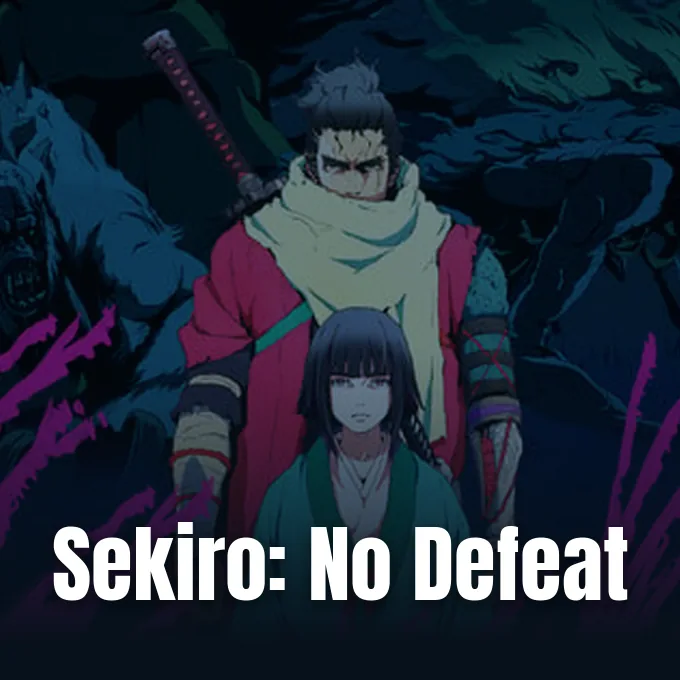
The staff of the Sekiro: No Defeat anime announced on Friday that the cinematic project will transition to television in January as an episodic eight-part series. Based on FromSoftware’s acclaimed 2019 title Sekiro: Shadows Die Twice, the production reconstructs the theatrical feature with newly animated sequences. Following an initial Japanese cinema release that earned nearly 100 million yen, the televised edition brings Wolf’s combat journey to a global broadcast audience [1].
Sekiro: No Defeat Anime Reaches Television
The theatrical premiere of the Sekiro: No Defeat anime in Japanese cinemas proved that audience demand for FromSoftware’s dark Sengoku fantasy remains remarkably robust. Screened across Japan for three weeks starting September 4, the animated film earned 99,842,200 yen during its opening three-day weekend. That box office total translated to approximately US$649,000, placing the production at a competitive ranking on regional charts. The film opened at #9. Due to sustained commercial popularity, the distributor organized additional theatrical screenings starting October 2 [1].
Is Sekiro: No Defeat exclusively a movie or a broader television project? The production committee resolved that ongoing speculation on Friday by confirming an episodic television broadcast scheduled for January. Rather than offering a simple re-broadcast of the theatrical cut, the production team is actively reconstructing the feature into an eight-episode television series that incorporates brand-new animation sequences. This structural transformation reshapes the self-contained cinematic pacing into serialized weekly installments designed for television audiences [1].
Screening out of competition at the Annecy International Animation Film Festival earlier this year, the project gave international audiences their first preview of FromSoftware’s fictional Sengoku universe in animated motion. Festival attendees observed Qzil.la’s dynamic visual translation of the game’s brutal environment and sword combat months before commercial theaters opened in Japan. The reception at Annecy demonstrated that international interest extended far beyond domestic moviegoers, laying the groundwork for a broader worldwide broadcast strategy [1].
Crunchyroll Streaming and Global Broadcast Plans
Crunchyroll confirmed that it acquired worldwide distribution rights for the eight-episode adaptation, ensuring simultaneous streaming for international fans as episodes debut on Japanese television. The streaming agreement spans audiences across multiple continents, offering localized access to the reconstructed Sengoku narrative. However, the international distribution agreement includes specific regional exceptions. The release excludes Japan, China, Korea, Russia, and Belarus from Crunchyroll’s streaming footprint [2].
Serialized television broadcasts occasionally face unexpected scheduling interruptions, as seen when The Polar Opposites anime pauses ahead of episode 12. By contrast, the Sekiro: No Defeat anime arrives with a completed theatrical foundation that supports a structured eight-week winter television run. Having the core animation already finalized and refined during its Japanese theatrical run minimizes the risk of production delays. Television networks and international streaming platforms can coordinate weekly episode rollouts with complete logistical confidence [2].
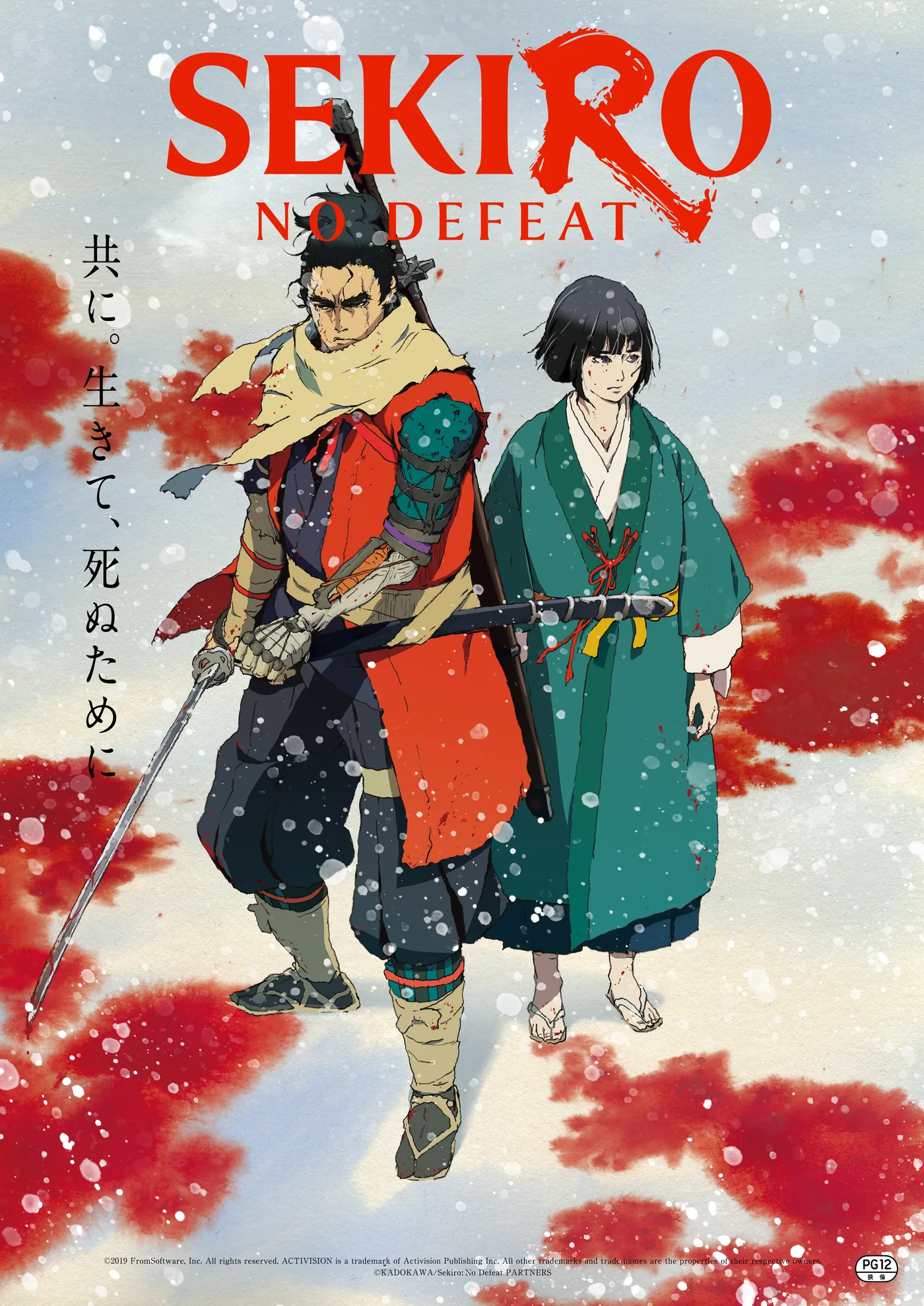
Domestic cinema audiences will receive another opportunity to view the feature before the broadcast premiere in January. Screenings resume on October 2. The extended theatrical run allows fans across Japan to experience the original cinematic cut on big theater screens prior to the broadcast release. This phased distribution bridge maintains active public discussion around the property between the September box office debut and the upcoming winter television rollout [1].
Reconstructing the Film with New Narrative Content
Adapting the Sekiro: No Defeat anime into an eight-episode television series requires significantly more craftsmanship than merely chopping a feature film into equal segments. The production team confirmed that the televised edition will introduce brand-new animation sequences specifically created to reconstruct the narrative architecture. These additional scenes flesh out dramatic transitions between critical confrontations, providing necessary breathing room for weekly television viewers while expanding character motivation beyond the original cinematic cut [1].
The television adaptation contains eight reconstructed episodes. Brand-new animation expands the cinematic footage [1].
Working with the foundational narrative established by game director Hidetaka Miyazaki, screenwriter Takuya Satou and character designer Takahiro Kishida shaped the visual aesthetic to reflect the brutal atmosphere of late 1500s Sengoku Japan. Kishida, widely celebrated for character designs on anime like Durarara!!, translated FromSoftware’s dark aesthetic into striking animation models suitable for fast-paced combat. Instead of relying entirely on existing theatrical footage, the television release integrates expanded narrative beats that illuminate the bond between the shinobi Sekiro and his young master Kuro. This deliberate structural reconstruction ensures that each of the eight episodes functions as a coherent chapter within an overarching heroic journey, giving dramatic weight to their perilous quest for vengeance against the Ashina clan [1].
The production selected composer Ryuichi Sakamoto’s celebrated piece ‘Blu’ from the album The Best of ‘Playing the Orchestra 2014’ as its theme song. Composer Shūta Hasunuma created the original score, while sound director Yasushi Nagura and sound effects designer Kiyotaka Kawata ensured that the distinctive clashing of steel blades resonates with cinematic clarity [1].
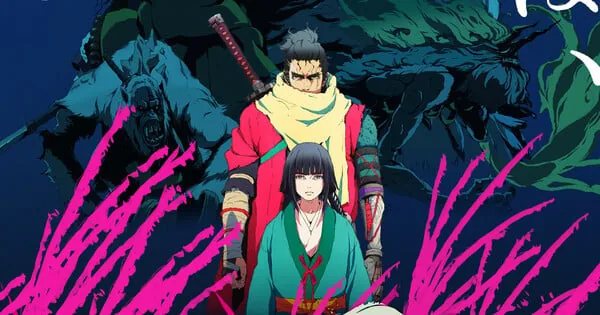
Returning Cast Shapes the Sekiro: No Defeat Series
The voice production for the Sekiro: No Defeat anime brings together the original cast members who defined FromSoftware’s video game. Renowned voice actor Daisuke Namikawa reprises his role as Sekiro, returning to portray the stoic loyalty and quiet grief of the one-armed wolf. Miyuki Satō returns as Kuro, capturing the innocence and resolute burden of the divine heir whose royal lineage drives the central conflict [1].
Kenjirō Tsuda returns as the formidable antagonist Genichiro Ashina, joining Tetsuo Kanao as Isshin Ashina and Takaya Hashi as the protagonist’s adoptive mentor Owl in a faithful recreation of the game’s dramatic confrontations. The supporting roster features Shizuka Itō as the compassionate physician Emma and Jin Urayama as the contemplative Sculptor carving timber idols in his dilapidated workshop. Akimitsu Takase rounds out the principal cast as the undying samurai Hanbei. Each veteran performer brings decades of experience to FromSoftware’s tragic narrative, elevating the emotional stakes of Wolf’s desperate journey [1].
Daisuke Namikawa voices Sekiro. Kenjirō Tsuda voices Genichiro. Gathering the complete core voice talent ensures remarkable artistic continuity between FromSoftware’s interactive masterpiece and Qzil.la’s animated adaptation. For fans who spent dozens of hours mastering parry timings against Genichiro or listening to Kuro’s solemn requests, these familiar vocal performances preserve the authentic emotional tone established during the original 2019 game release [1].
Production Team and the FromSoftware Sengoku Legacy
Director Kenichi Kutsuna helmed the animation production at studio Qzil.la, working closely with action animation director Takashi Mukouda and chief animation director Kaito Mogi to recreate the rapid deflection-based combat mechanics. Assistant director Shunsuke Fukui supported the staging of tactical battles, while production company ARCH oversaw project execution across the eight-episode broadcast [1].
Art director Yūji Kaneko and color key artist Azusa Sasaki established the rich atmospheric palette of feudal Ashina, while Keisuke Nozawa directed compositing and photography. Pre-production and post-production duties were handled at Studio Betta, combining liquid art by Atsushi Harata, color grading by Tatsuya Fukumoto, and editing by Yoshinori Murakami. Every technical department collaborated to translate the grim elegance of FromSoftware’s art direction into hand-crafted animation [1].
When FromSoftware and publisher Activision originally released Sekiro: Shadows Die Twice in March 2019 across PlayStation 4, Xbox One, and PC via Steam, the title achieved immediate global acclaim. Activision published the original game. The interactive title sold more than 2 million copies worldwide in less than 10 days, earning widespread praise for its relentless parry system and Sengoku aesthetic. That storied gaming legacy now enters a fresh narrative chapter as the Sekiro: No Defeat anime prepares for its January television debut [1].
- ONLINE NEWS Mateo, A. (2026, September 24). Sekiro: No Defeat Anime Airs in January as 8-Episode TV Series. Anime News Network. [Article Link]
- PRESS RELEASE Anime News Network. (2026, September 24). Sekiro: No Defeat Anime Broadcast and Streaming Details. Anime News Network Newsroom. [Article Link]


